
)
Bic Maxi Lighter / BIC
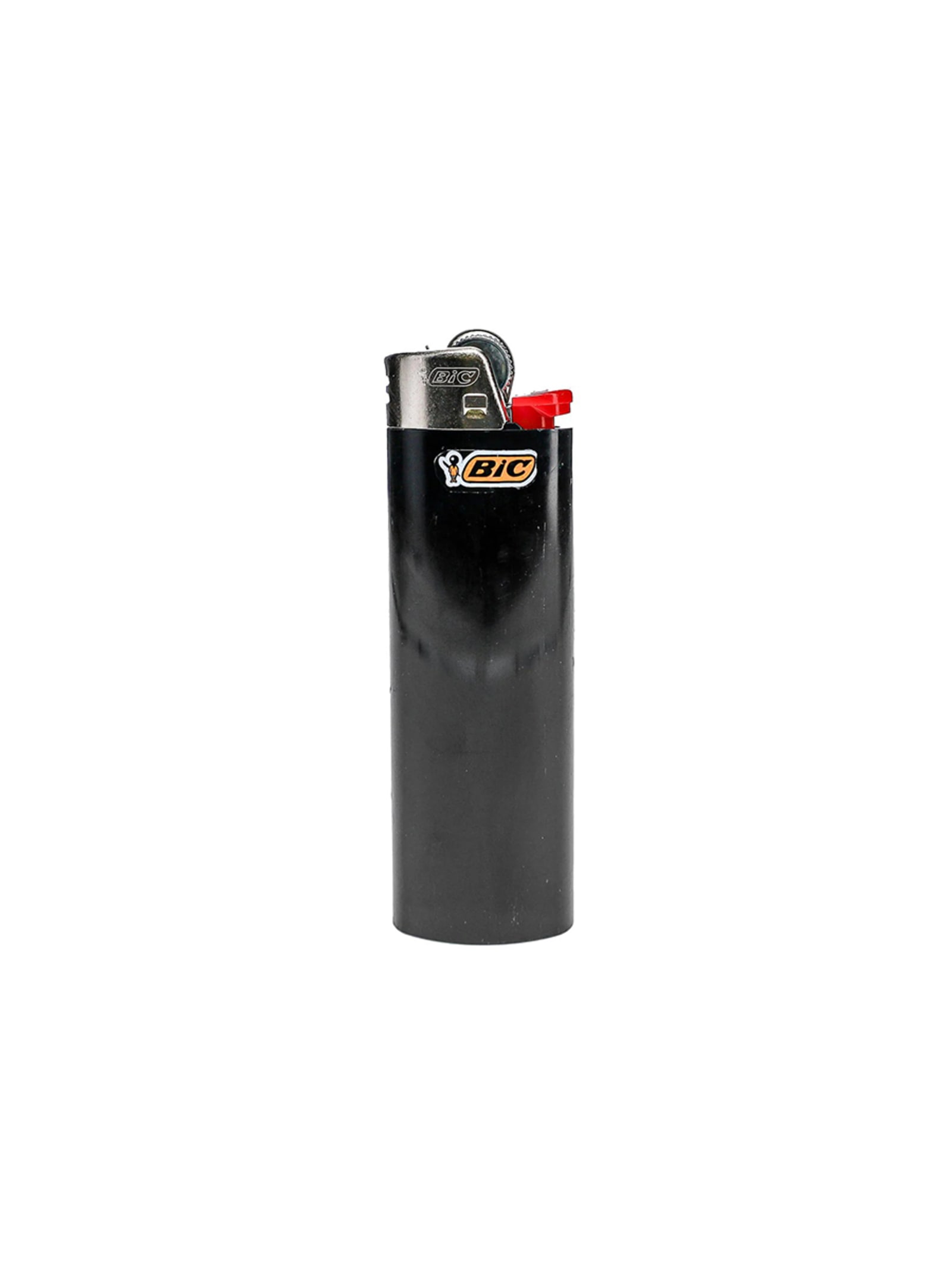
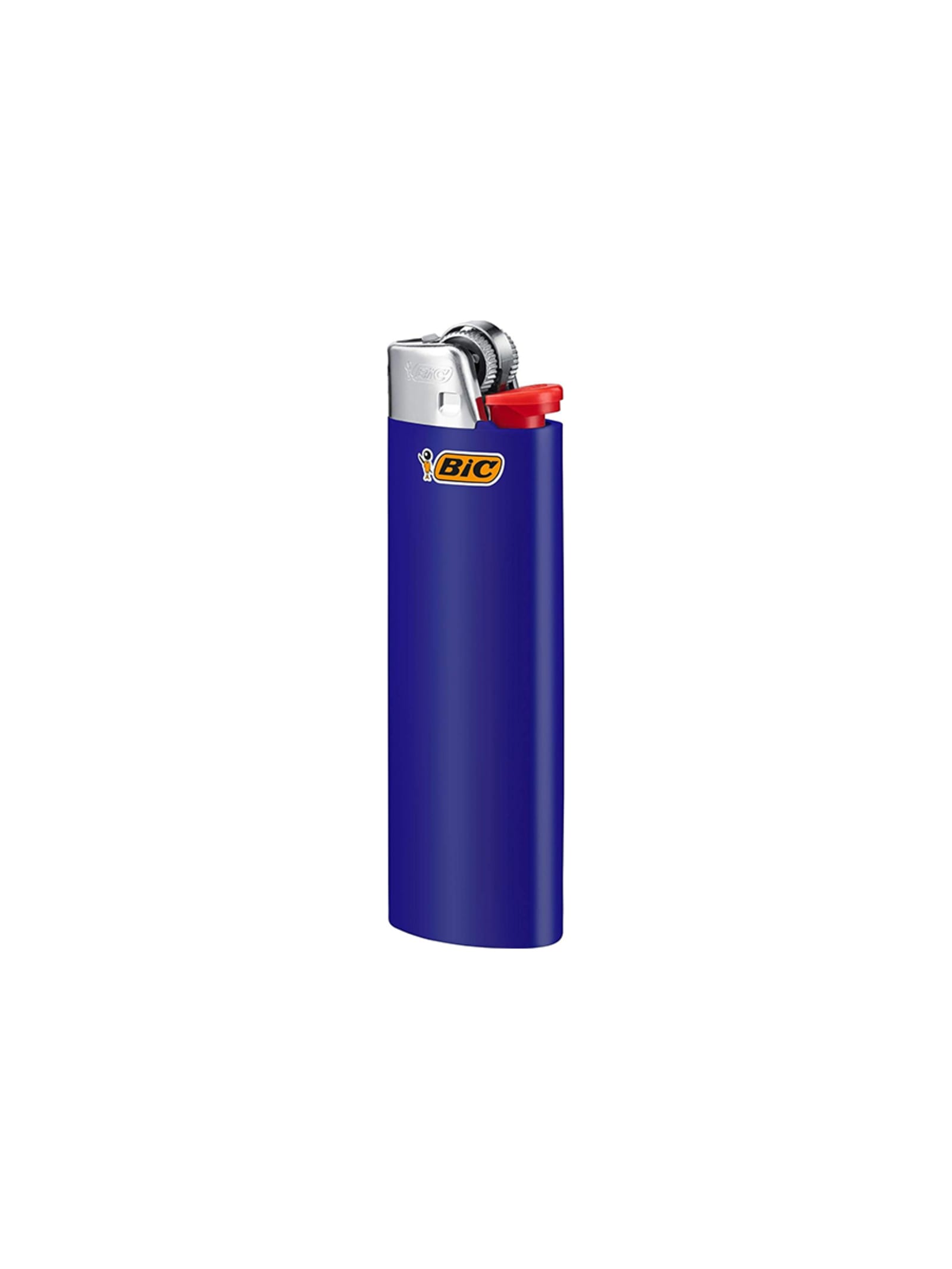
The Bic Maxi is the disposable lighter in its most familiar form, and like the Cristal before it, it conceals a surprising amount of decision inside a cheap shell. In production since 1973, it is a one-piece body moulded from Delrin, an acetal resin chosen for its strength, holding pressurised butane beneath a steel hood and a serrated flint wheel. The flame is fixed rather than adjustable, pre-set to the same height every time, so there is one less thing to manage and one less thing to fail. A full lighter delivers around three thousand lights, a figure the original was engineered to reach rather than happen upon. It suits anyone who wants reliable fire in a pocket, and repays attention from anyone who assumes a pound-shop object cannot be carefully made.
Design intent
- +The flame is deliberately non-adjustable and pre-set to a fixed height: removing the adjustment removes a control to misuse, a variable to get wrong and a part that can fail, while guaranteeing the same flame on the first light and the three-thousandth.
- +The body is moulded from Delrin rather than a cheaper general-purpose plastic, a choice driven by safety: the resin holds pressurised fuel and resists impact and heat where a softer polymer could not, which is what lets the object be both disposable and trustworthy.
Trade-offs
- -It is built to be discarded: the Delrin body and metal parts are not meant to be separated, so a spent lighter is awkward to recycle and rarely refilled even though it can be. At Bic's scale, that disposability is a significant material cost.
- -The child-resistant steel band over the flint wheel adds friction to ordinary use, stiff enough that many adults simply prise it off. The safety the regulation intended is real, but so is the everyday annoyance it creates.
The Bic Maxi is the disposable lighter in its most familiar form, and like the Cristal before it, it conceals a surprising amount of decision inside a cheap shell. In production since 1973, it is a one-piece body moulded from Delrin, an acetal resin chosen for its strength, holding pressurised butane beneath a steel hood and a serrated flint wheel. The flame is fixed rather than adjustable, pre-set to the same height every time, so there is one less thing to manage and one less thing to fail. A full lighter delivers around three thousand lights, a figure the original was engineered to reach rather than happen upon. It suits anyone who wants reliable fire in a pocket, and repays attention from anyone who assumes a pound-shop object cannot be carefully made.
Design intent
- +The flame is deliberately non-adjustable and pre-set to a fixed height: removing the adjustment removes a control to misuse, a variable to get wrong and a part that can fail, while guaranteeing the same flame on the first light and the three-thousandth.
- +The body is moulded from Delrin rather than a cheaper general-purpose plastic, a choice driven by safety: the resin holds pressurised fuel and resists impact and heat where a softer polymer could not, which is what lets the object be both disposable and trustworthy.
Trade-offs
- -It is built to be discarded: the Delrin body and metal parts are not meant to be separated, so a spent lighter is awkward to recycle and rarely refilled even though it can be. At Bic's scale, that disposability is a significant material cost.
- -The child-resistant steel band over the flint wheel adds friction to ordinary use, stiff enough that many adults simply prise it off. The safety the regulation intended is real, but so is the everyday annoyance it creates.