
X100VI / Fujifilm
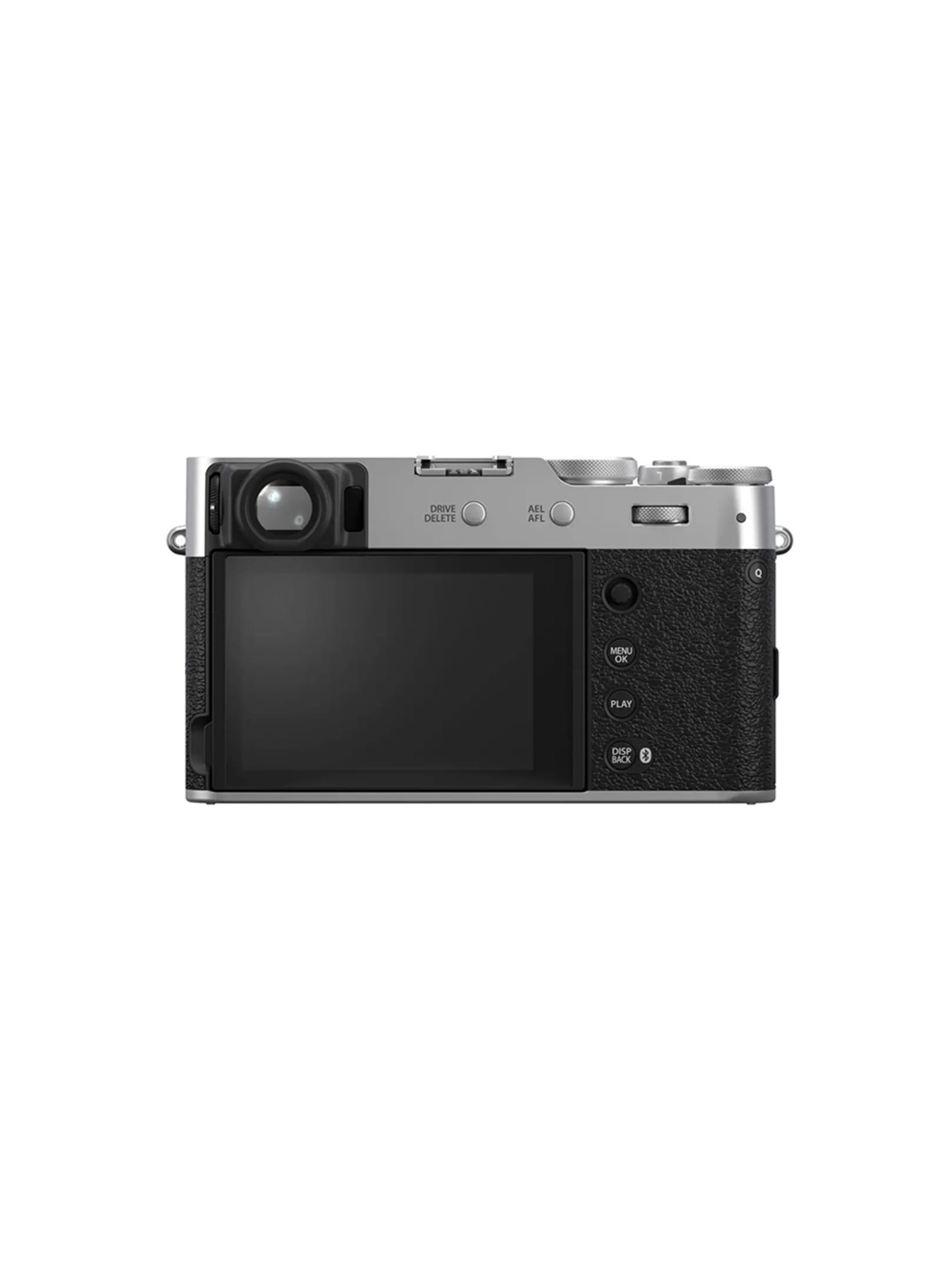
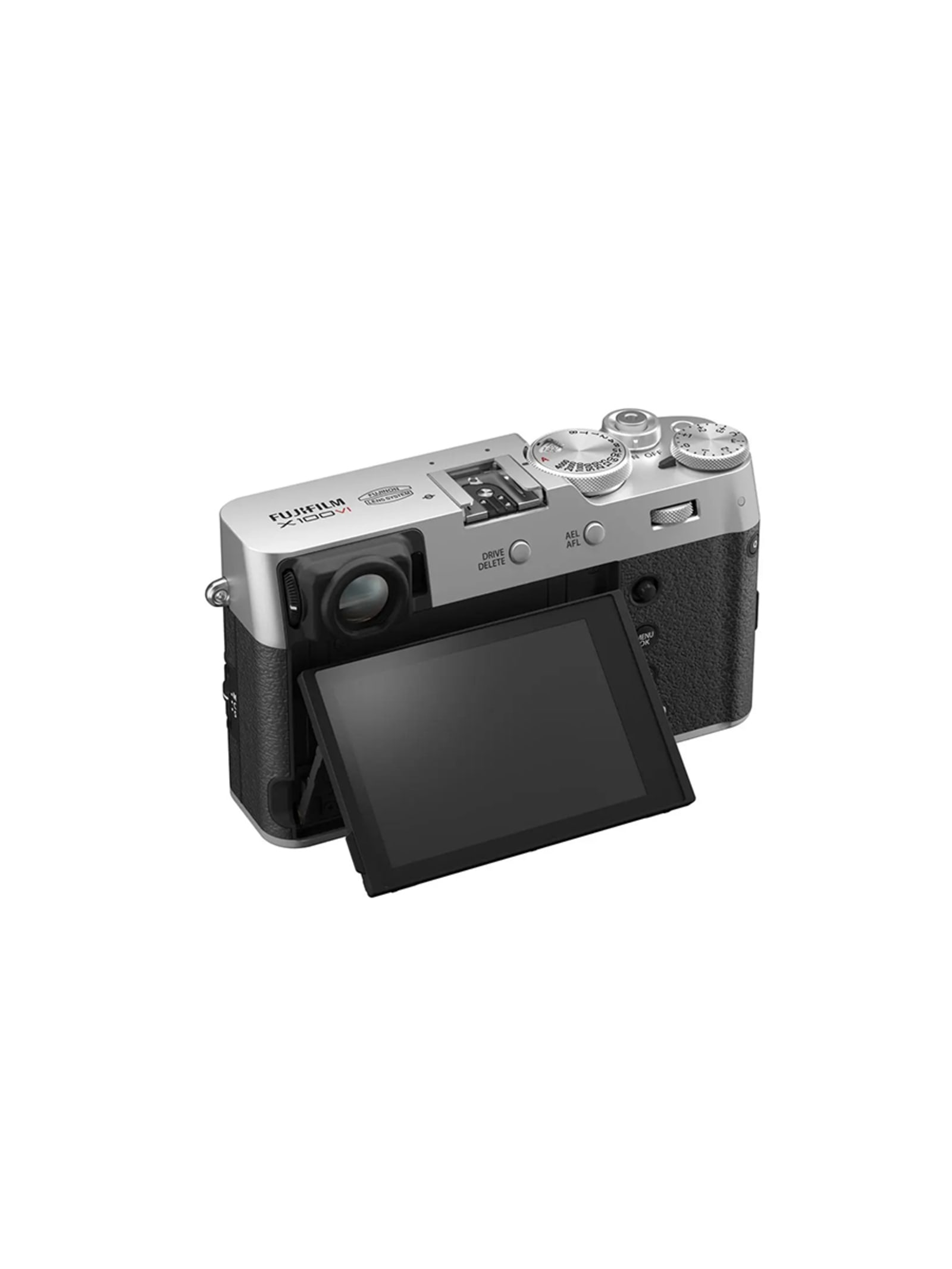
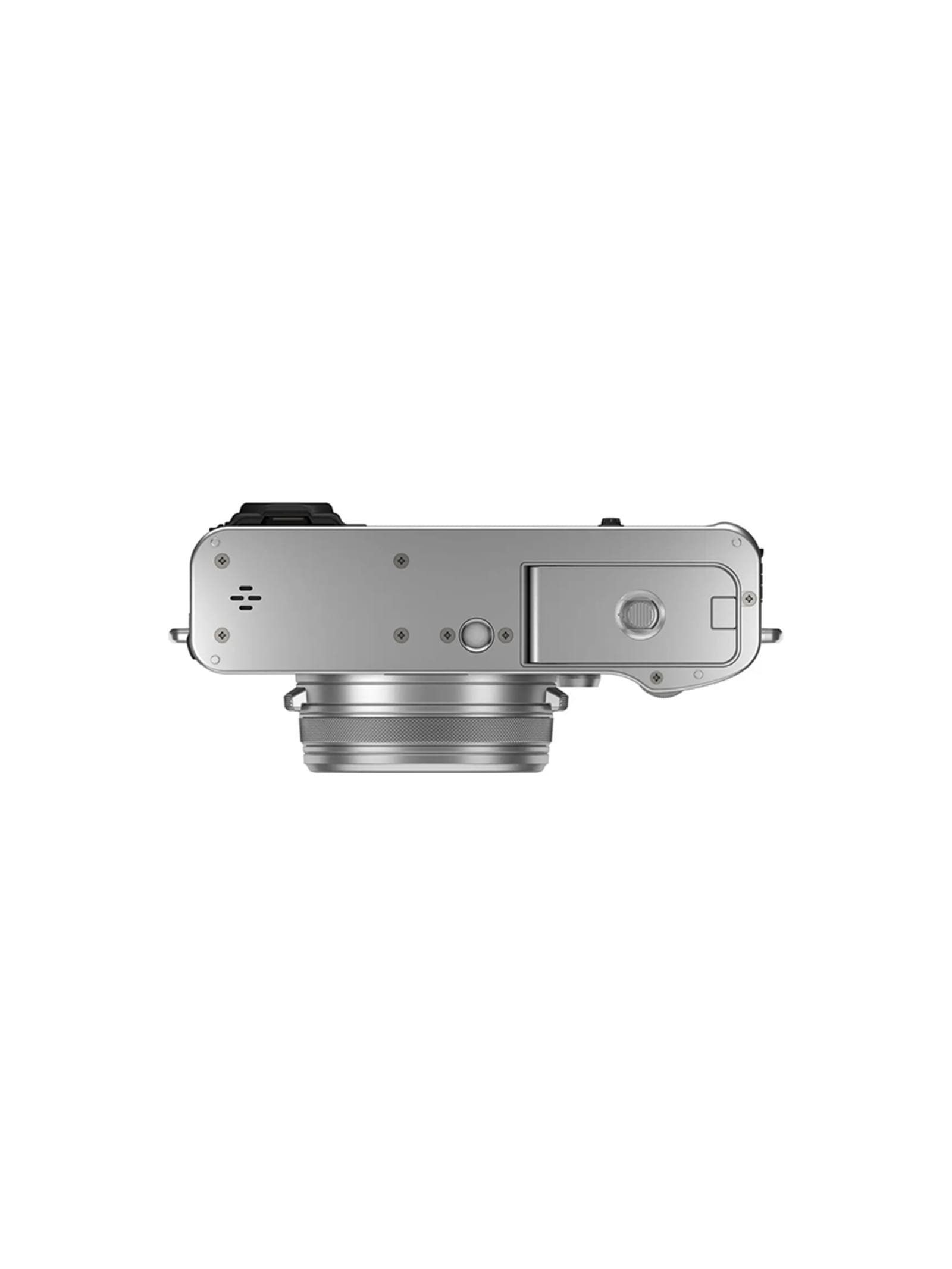
The X100VI is the camera that turned a fixed-lens compact into a cultural object. It pairs a 40-megapixel APS-C sensor with a single, non-interchangeable 23mm f/2 lens, a 35mm-equivalent view, and frames the whole experience around restraint: one focal length, a hybrid viewfinder that switches between optical and electronic, and dedicated dials for shutter, aperture and ISO that ask you to commit before you shoot. This generation adds in-body stabilisation for the first time in the line, plus a leaf shutter, a built-in neutral-density filter, and twenty film simulations that produce finished colour in-camera. It suits the street, travel or documentary photographer who wants a discreet, tactile camera they will actually carry, and who treats the fixed lens as a discipline rather than a limitation. Demand has outstripped supply since launch.
Design intent
- +The fixed 35mm-equivalent lens is the whole philosophy: by refusing interchangeable optics the camera trades versatility for discipline, a single field of view the photographer learns to see in, in a body small and quiet enough to carry everywhere.
- +The dial-led, film-simulation workflow is built to keep you out of menus and in the moment: physical shutter, aperture and ISO dials and twenty in-camera colour profiles let the photographer commit to a finished look as they shoot rather than processing later.
Trade-offs
- -A non-interchangeable lens means the camera's strength is also its ceiling: there is no reach beyond 35mm without cropping into the sensor, so it rewards a particular way of working and frustrates anyone wanting one camera to cover every situation.
- -It is expensive for an APS-C compact, and the lens motor and autofocus, carried over largely unchanged, are merely adequate rather than fast, so the appeal rests on the shooting experience and the output more than on outright specification.
Featured in / Collections
View allRelated products




The X100VI is the camera that turned a fixed-lens compact into a cultural object. It pairs a 40-megapixel APS-C sensor with a single, non-interchangeable 23mm f/2 lens, a 35mm-equivalent view, and frames the whole experience around restraint: one focal length, a hybrid viewfinder that switches between optical and electronic, and dedicated dials for shutter, aperture and ISO that ask you to commit before you shoot. This generation adds in-body stabilisation for the first time in the line, plus a leaf shutter, a built-in neutral-density filter, and twenty film simulations that produce finished colour in-camera. It suits the street, travel or documentary photographer who wants a discreet, tactile camera they will actually carry, and who treats the fixed lens as a discipline rather than a limitation. Demand has outstripped supply since launch.
Design intent
- +The fixed 35mm-equivalent lens is the whole philosophy: by refusing interchangeable optics the camera trades versatility for discipline, a single field of view the photographer learns to see in, in a body small and quiet enough to carry everywhere.
- +The dial-led, film-simulation workflow is built to keep you out of menus and in the moment: physical shutter, aperture and ISO dials and twenty in-camera colour profiles let the photographer commit to a finished look as they shoot rather than processing later.
Trade-offs
- -A non-interchangeable lens means the camera's strength is also its ceiling: there is no reach beyond 35mm without cropping into the sensor, so it rewards a particular way of working and frustrates anyone wanting one camera to cover every situation.
- -It is expensive for an APS-C compact, and the lens motor and autofocus, carried over largely unchanged, are merely adequate rather than fast, so the appeal rests on the shooting experience and the output more than on outright specification.