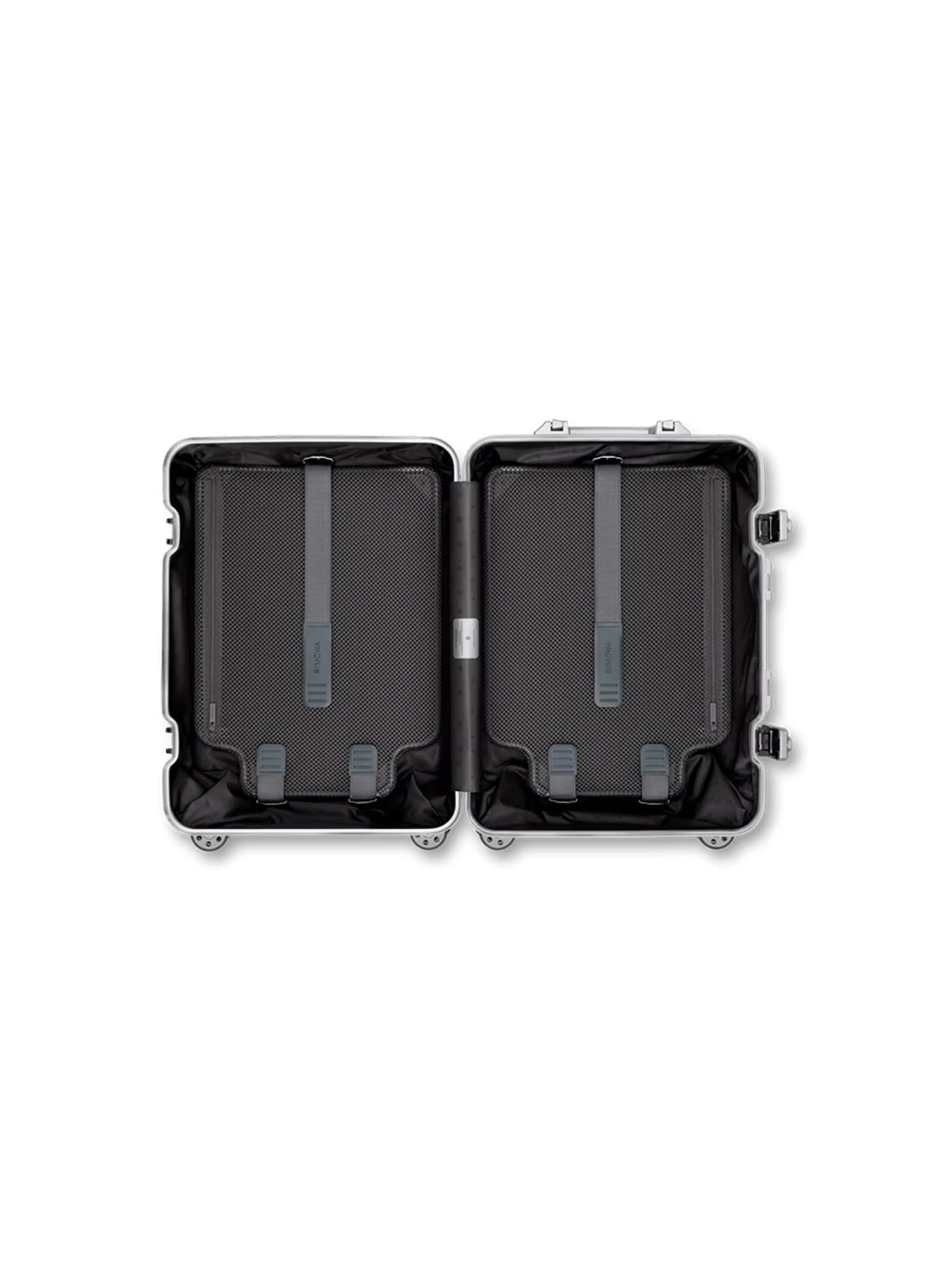
Original Cabin / Rimowa
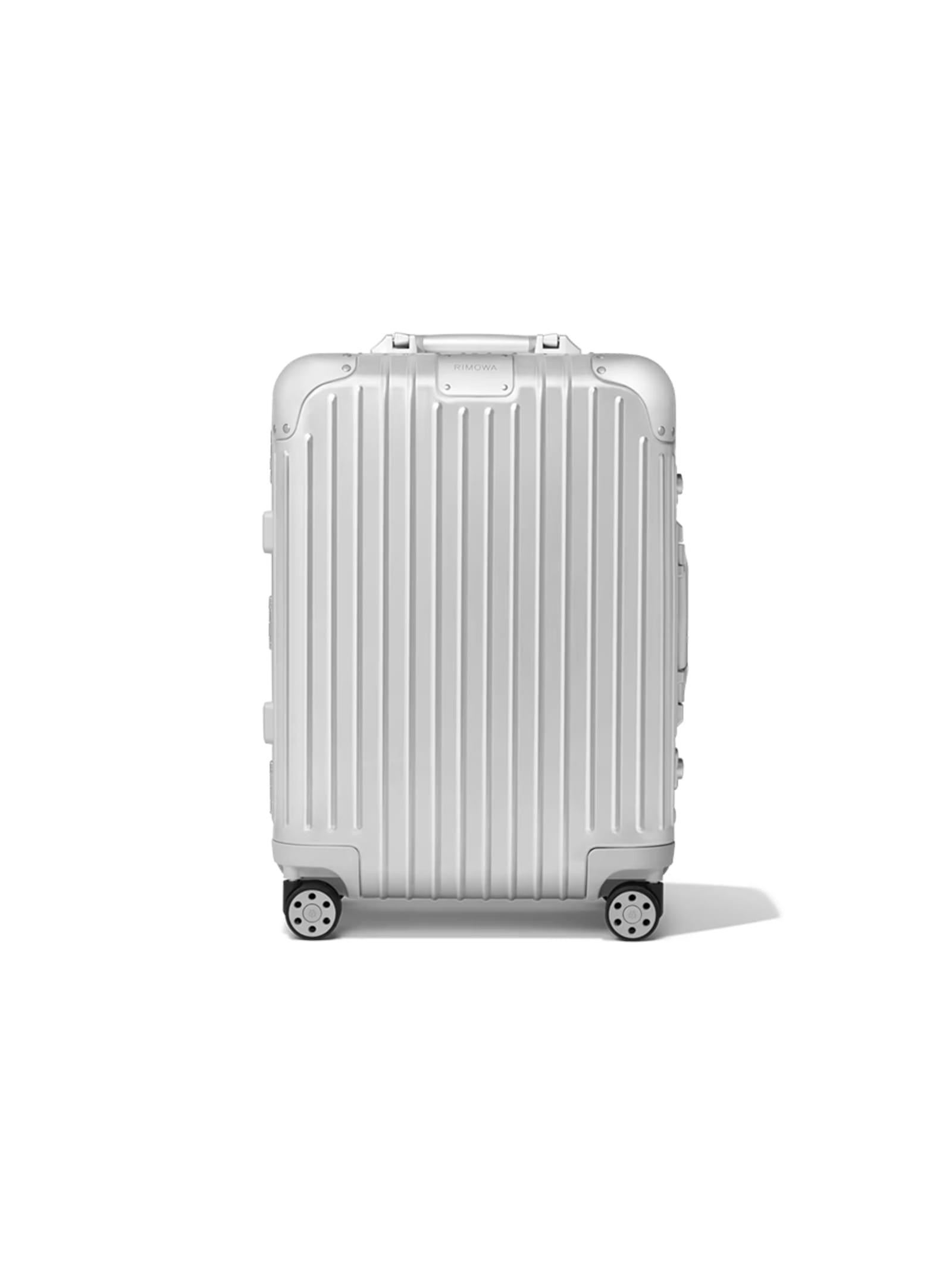
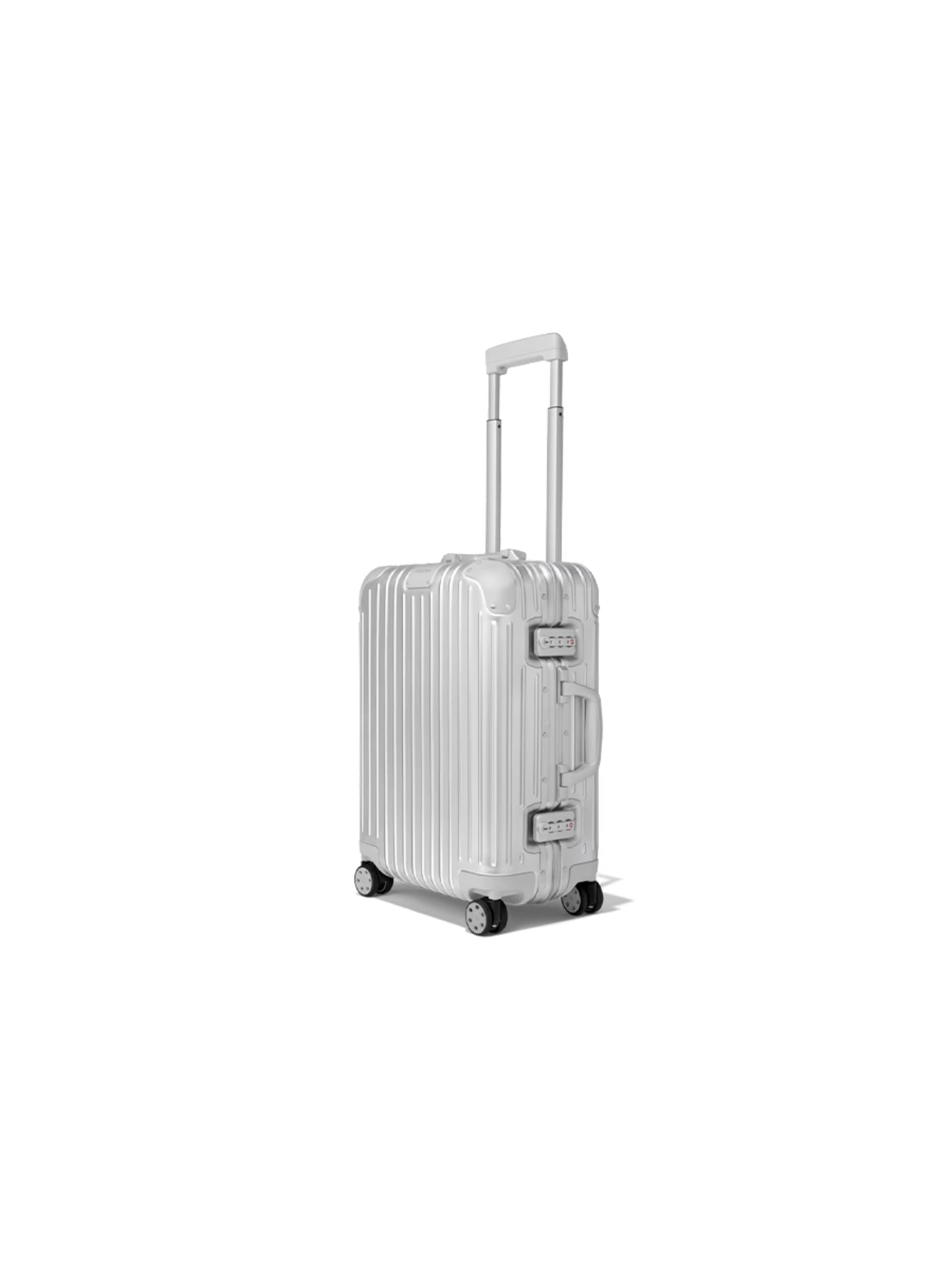
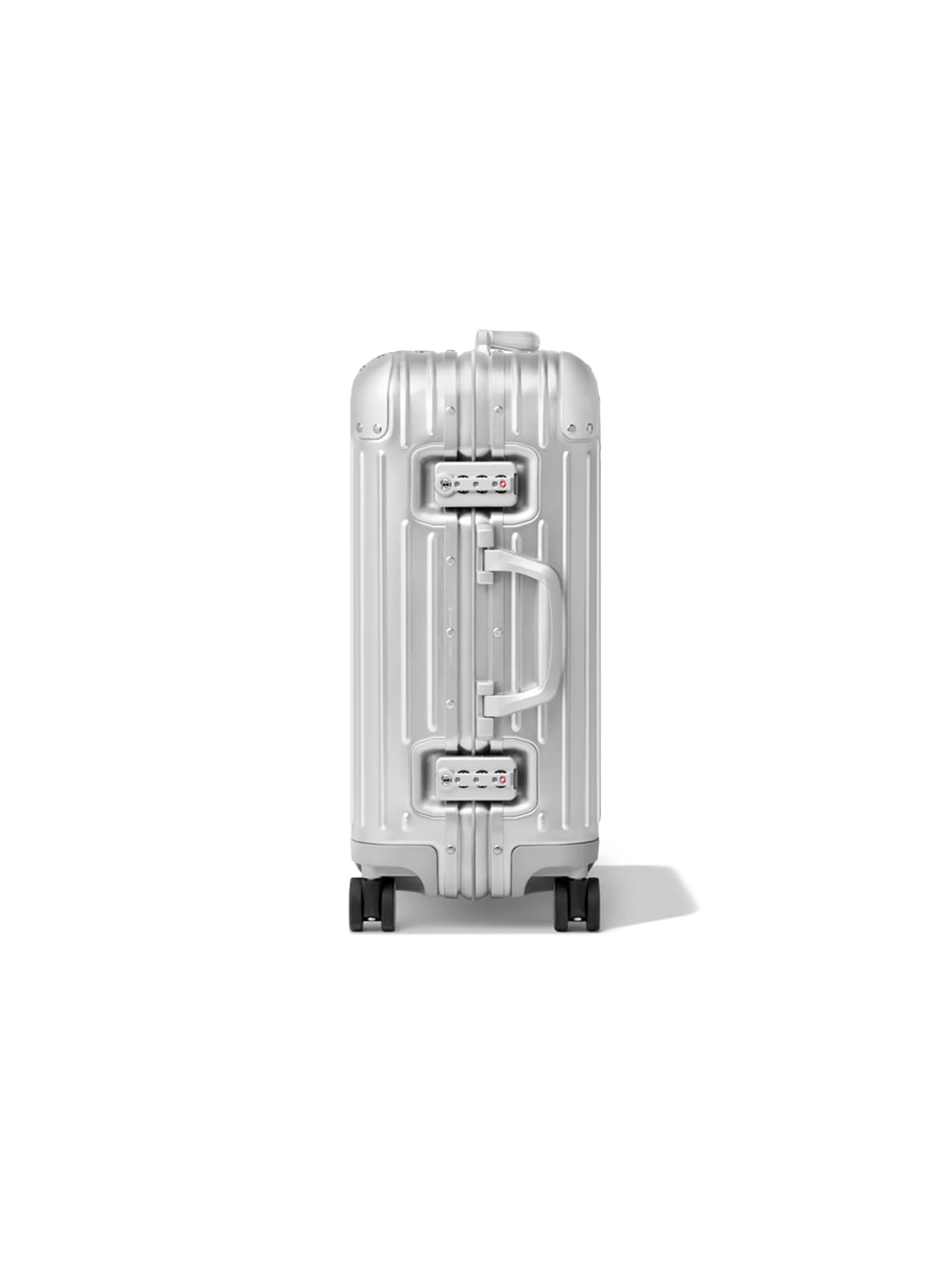
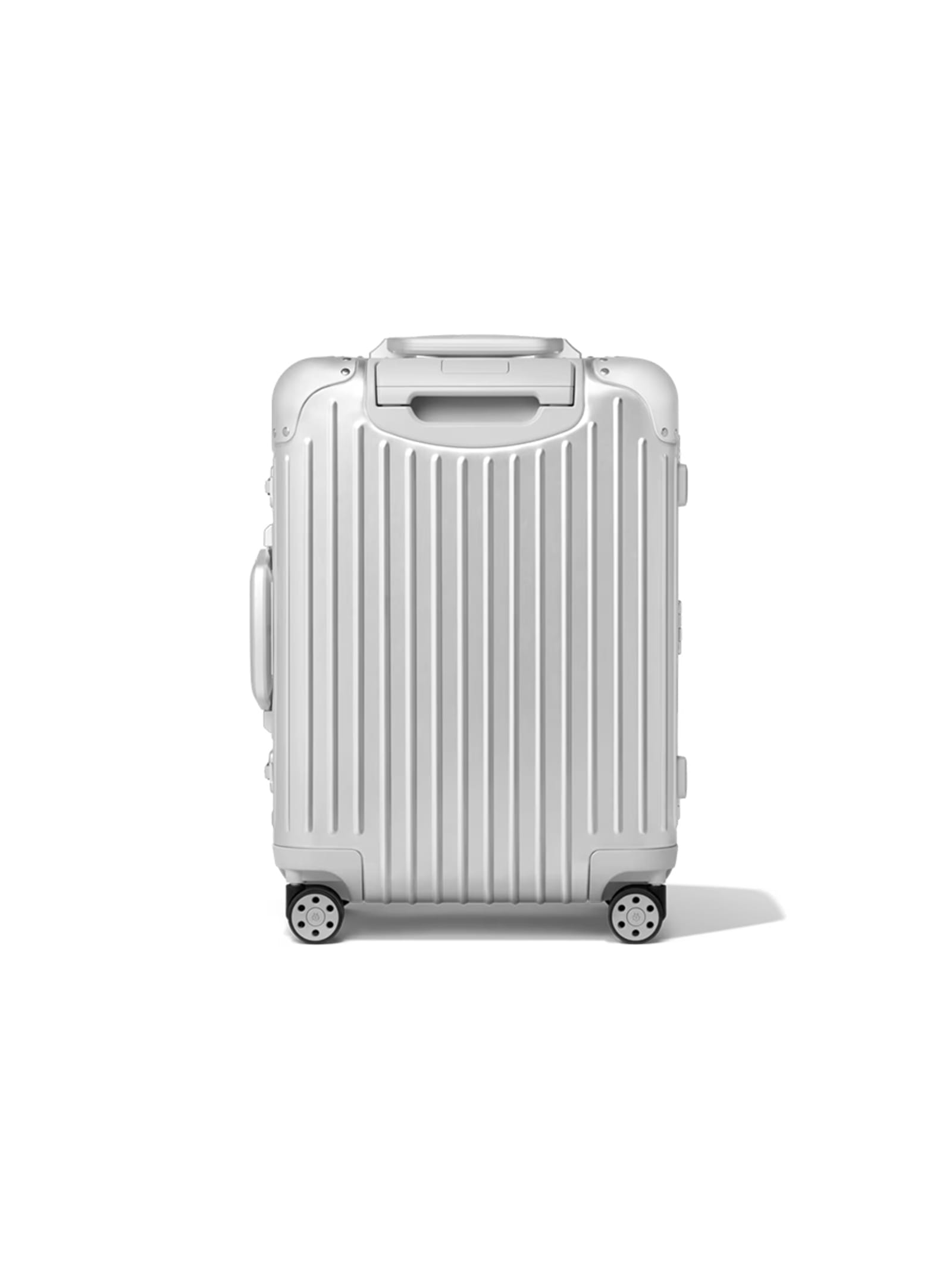
The Original Cabin is the aluminium carry-on at the centre of Rimowa's range: a full anodised aluminium-magnesium shell, grooved end to end, that closes as two equal halves on latches with TSA-approved locks rather than a zip. The grooves are the brand's signature, but they are also the structure that keeps a thin metal panel rigid. Inside, a height-adjustable Flex Divider and compression panels hold a packed load across roughly 35 litres, enough for three or four days, and the Multiwheel system runs on four dual wheels with cushioned axles. The case carries a lifetime guarantee on its functional parts. It suits the frequent traveller who wants a repairable, near-permanent object and accepts weight and visible wear as the cost of that permanence.
Design intent
- +The grooved shell reads as styling but works as structure: the ribs stiffen a thin aluminium-magnesium panel so the case resists deformation without thickening its walls or adding weight.
- +It opens as two equal halves held by lever latches rather than a zip, so there is no seam to burst under load and contents are compressed between fixed panels instead of crammed into one expanding cavity.
Trade-offs
- -The shell weighs around 4.3kg empty, heavier than most polycarbonate carry-ons. Against a 7 to 8kg airline cabin limit, that leaves comparatively little allowance for what you actually pack.
- -Aluminium dents and scratches permanently and does not spring back the way polycarbonate does. Rimowa frames the marks as patina; in practice the shell keeps a visible record of every knock, whether you want it to or not.


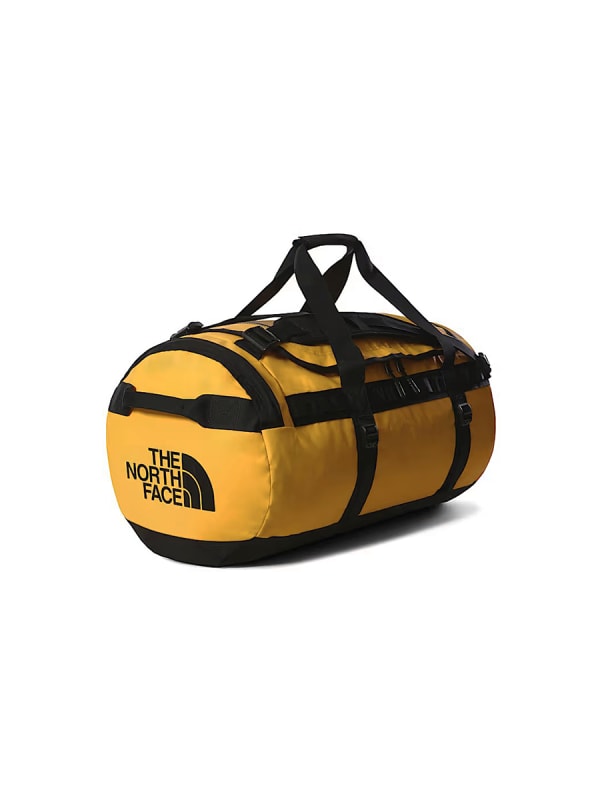

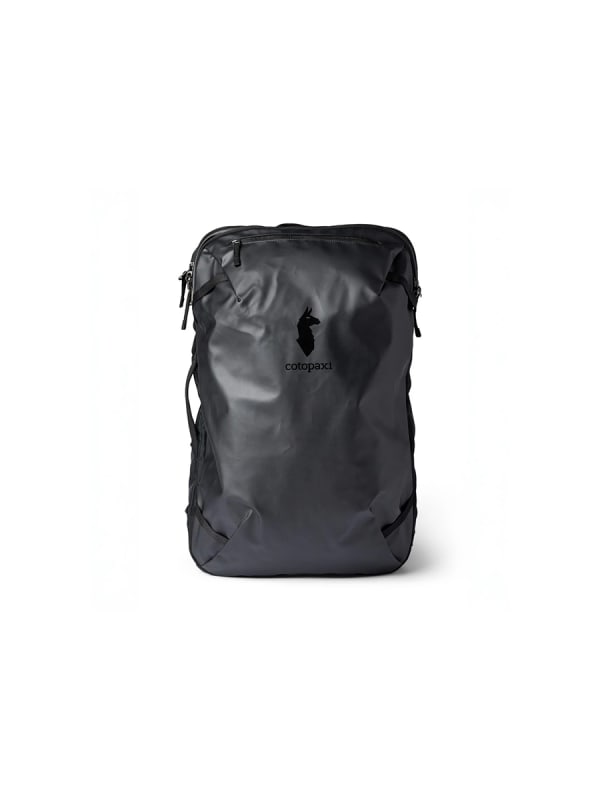
The Original Cabin is the aluminium carry-on at the centre of Rimowa's range: a full anodised aluminium-magnesium shell, grooved end to end, that closes as two equal halves on latches with TSA-approved locks rather than a zip. The grooves are the brand's signature, but they are also the structure that keeps a thin metal panel rigid. Inside, a height-adjustable Flex Divider and compression panels hold a packed load across roughly 35 litres, enough for three or four days, and the Multiwheel system runs on four dual wheels with cushioned axles. The case carries a lifetime guarantee on its functional parts. It suits the frequent traveller who wants a repairable, near-permanent object and accepts weight and visible wear as the cost of that permanence.
Design intent
- +The grooved shell reads as styling but works as structure: the ribs stiffen a thin aluminium-magnesium panel so the case resists deformation without thickening its walls or adding weight.
- +It opens as two equal halves held by lever latches rather than a zip, so there is no seam to burst under load and contents are compressed between fixed panels instead of crammed into one expanding cavity.
Trade-offs
- -The shell weighs around 4.3kg empty, heavier than most polycarbonate carry-ons. Against a 7 to 8kg airline cabin limit, that leaves comparatively little allowance for what you actually pack.
- -Aluminium dents and scratches permanently and does not spring back the way polycarbonate does. Rimowa frames the marks as patina; in practice the shell keeps a visible record of every knock, whether you want it to or not.


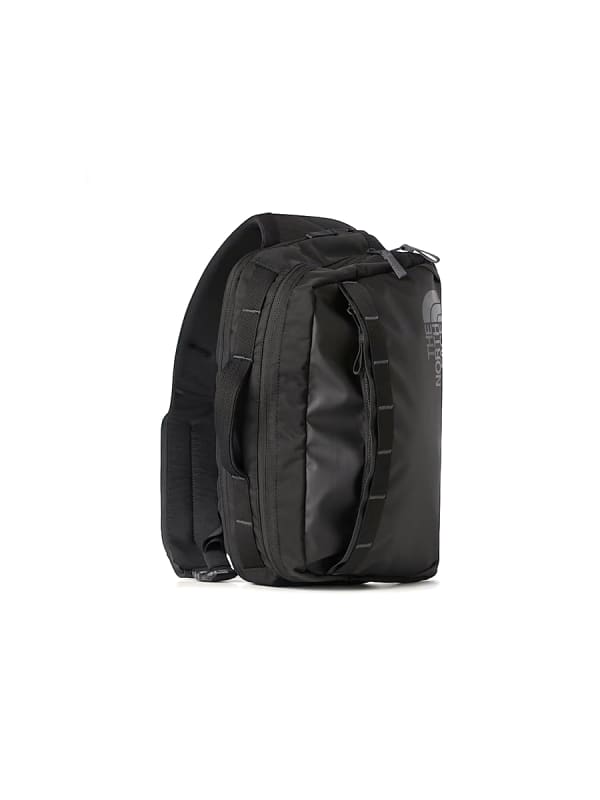


![Tri-sling Bag [Diamond Ripstop]](https://res.cloudinary.com/dxo/image/upload/w_600,f_auto,q_auto/v1773693680/Supply%20Index/7bd7755b/_0001_GreyBagEcomme)