)
)
)
)
)


Steam Deck OLED / Valve
/ / /
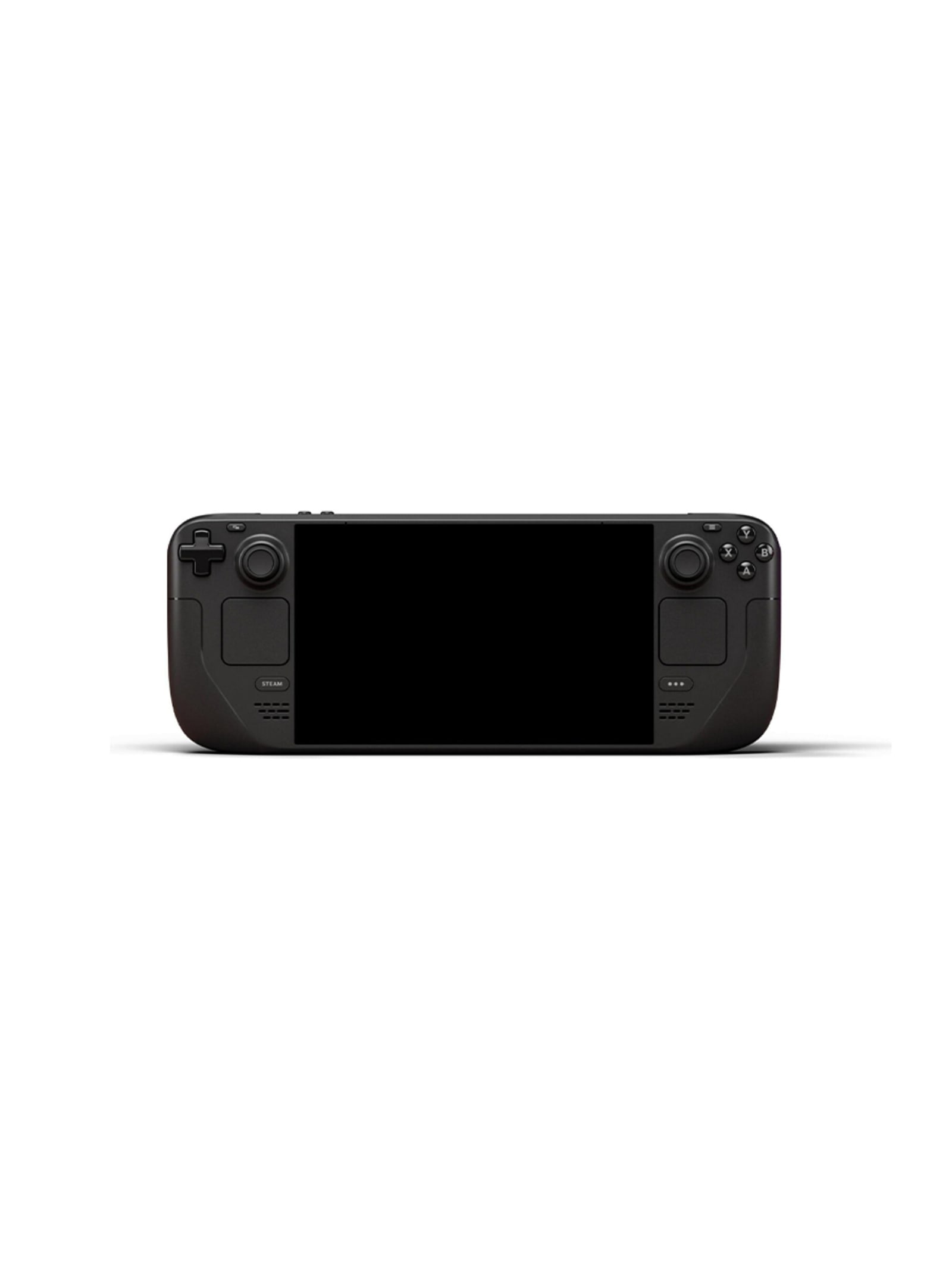
The Steam Deck OLED is the refined version of the handheld that turned a full PC into something you hold in two hands. It runs Valve's Linux-based SteamOS and plays a desktop game library with console-like simplicity, while staying an open computer underneath: you can install other software, tinker, and, unusually, repair it, with Valve selling replacement parts through iFixit. This revision keeps the original's performance but rebuilds almost everything around it: a brighter 7.4-inch HDR OLED screen, a larger battery, cooler and quieter thermals, faster wireless and a lighter body. It is a mid-cycle refresh rather than a sequel. It suits the player who wants their PC games portable and values openness and repairability over the sealed simplicity of a dedicated console, accepting the size and battery demands of a full PC in the hand.
Design intent
- The core idea is a full, open PC in handheld form: rather than a locked console, it runs a desktop operating system and the owner's existing game library, and stays user-accessible inside, with official replacement parts sold for repair, a deliberate rejection of the sealed handheld.
- The OLED revision shows a refresh philosophy of improving the experience without moving the performance target: a better screen, bigger battery and cooler thermals make the same games more pleasant to play, keeping one stable platform for developers rather than fragmenting it.
Trade-offs
- Putting a full PC in your hands carries the costs of one: it is large and heavy next to a phone or a dedicated handheld, and a demanding game can drain the battery in roughly two hours, so portability has real limits.
- Performance was deliberately held level with the original, so this is a refinement rather than a leap; anyone expecting a meaningfully more powerful machine is waiting for a true successor, not this model.
- Source
- Year
- Category
- /
- Colour
- Material
- Style
- Indexed
- 29 Jun 2024