
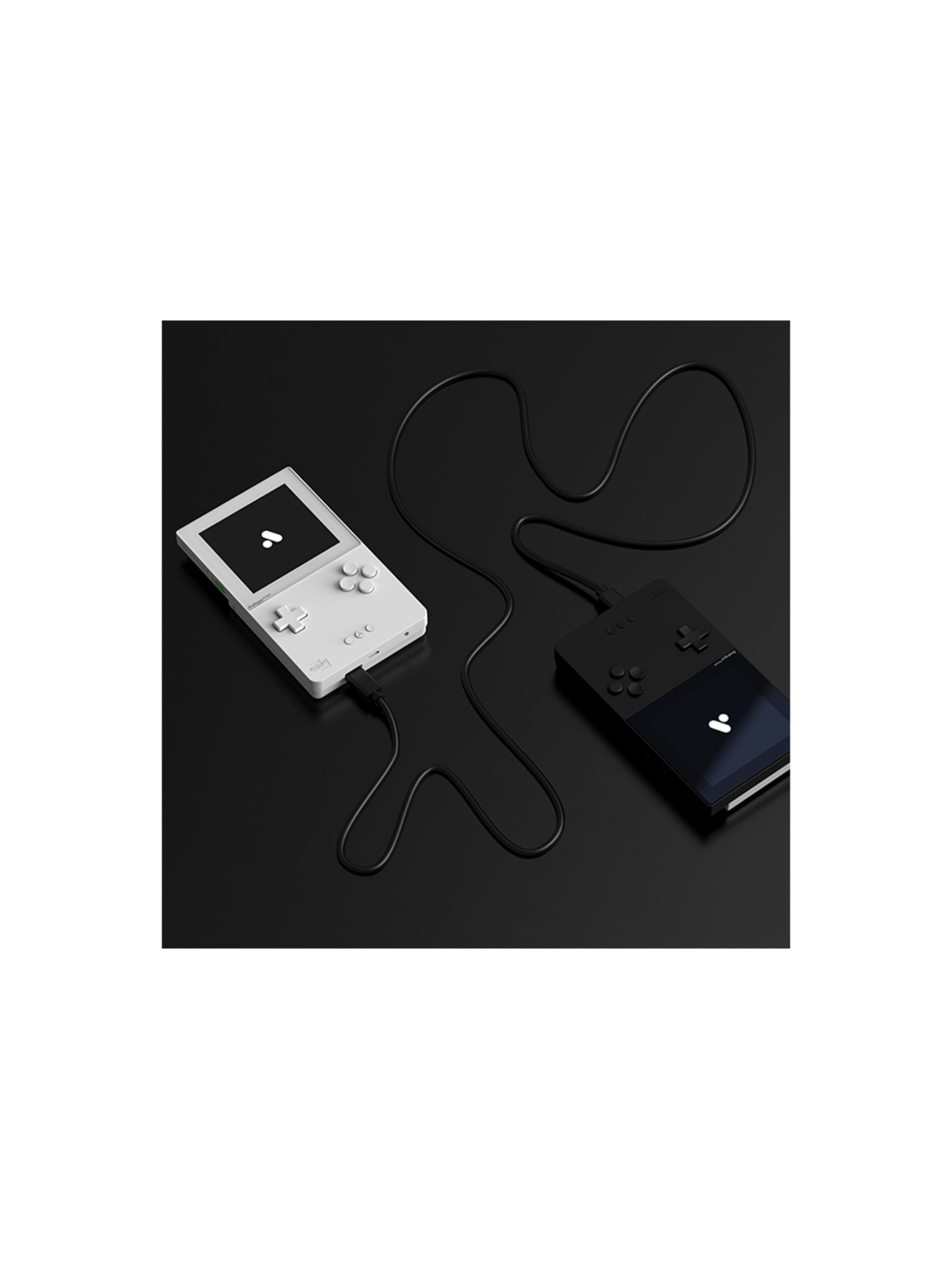
Analogue Pocket / Analogue
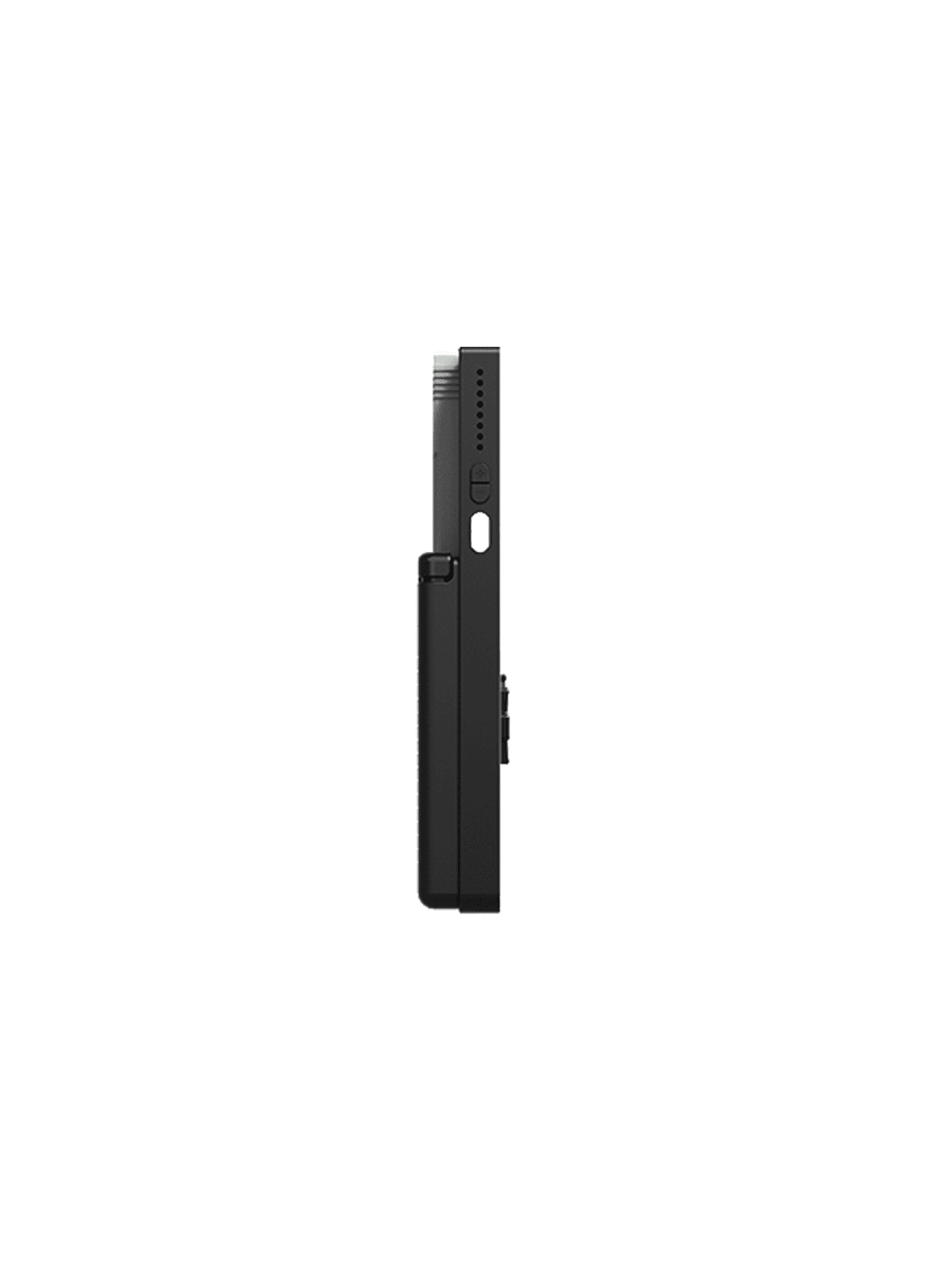
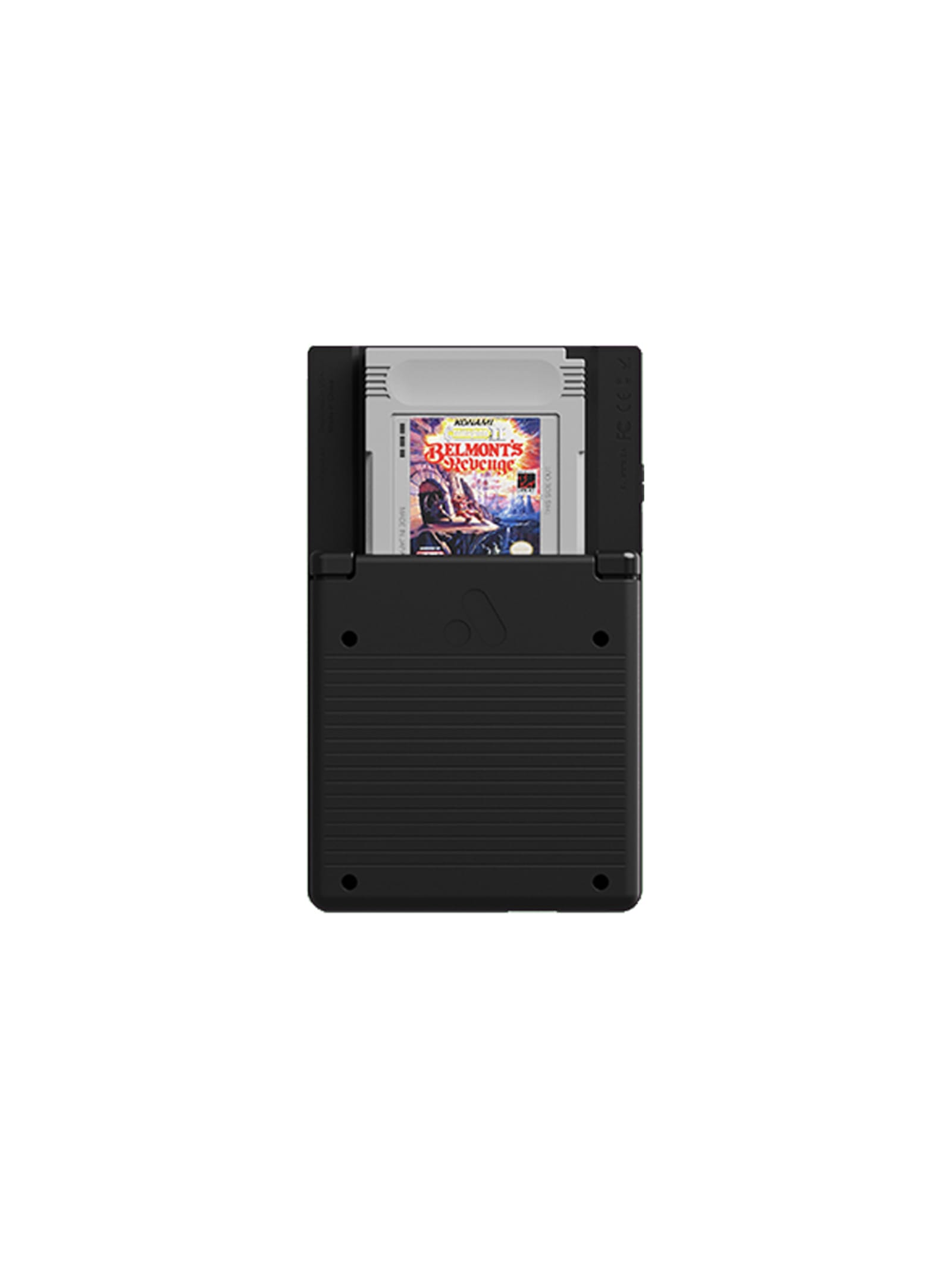
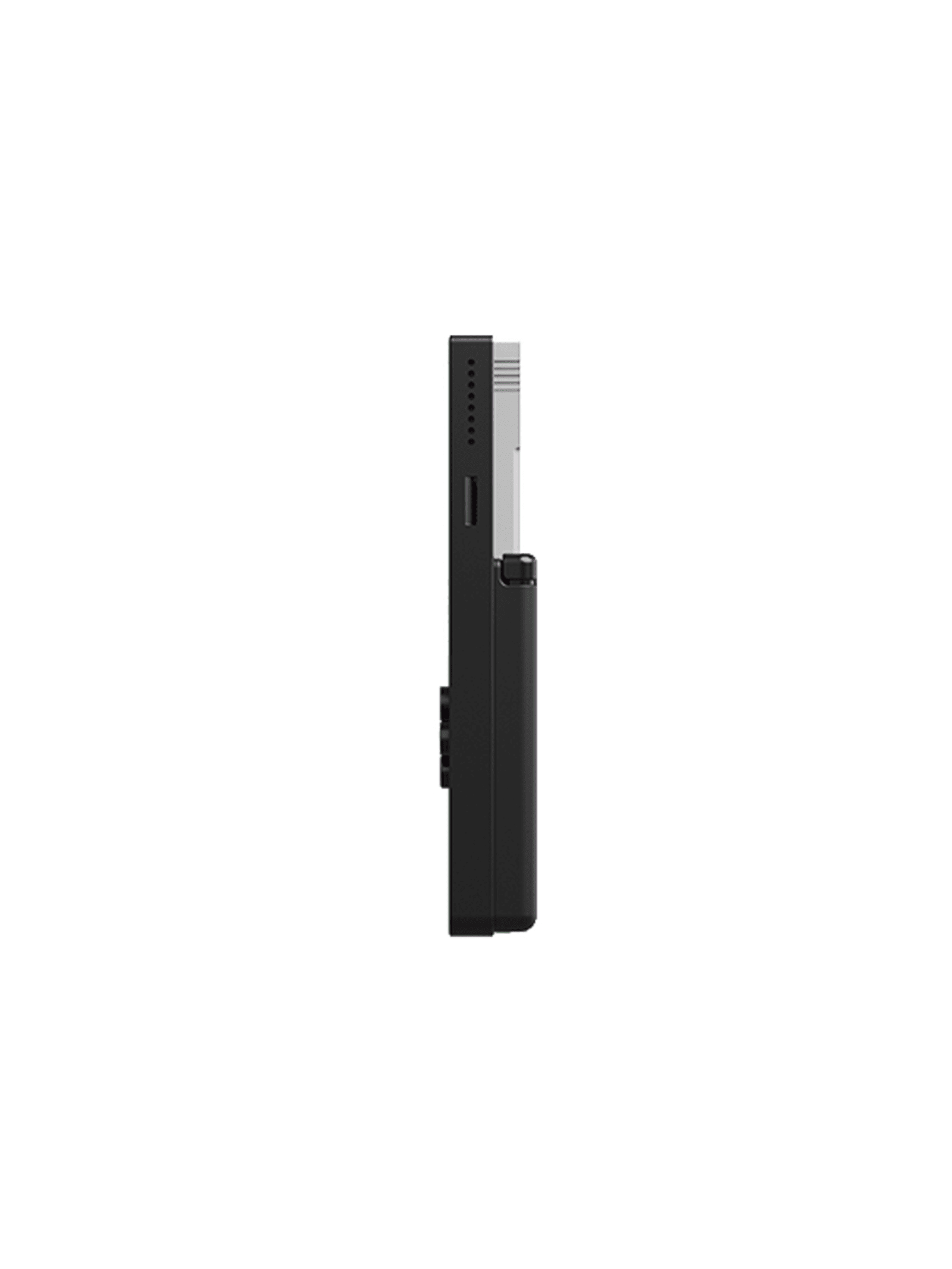
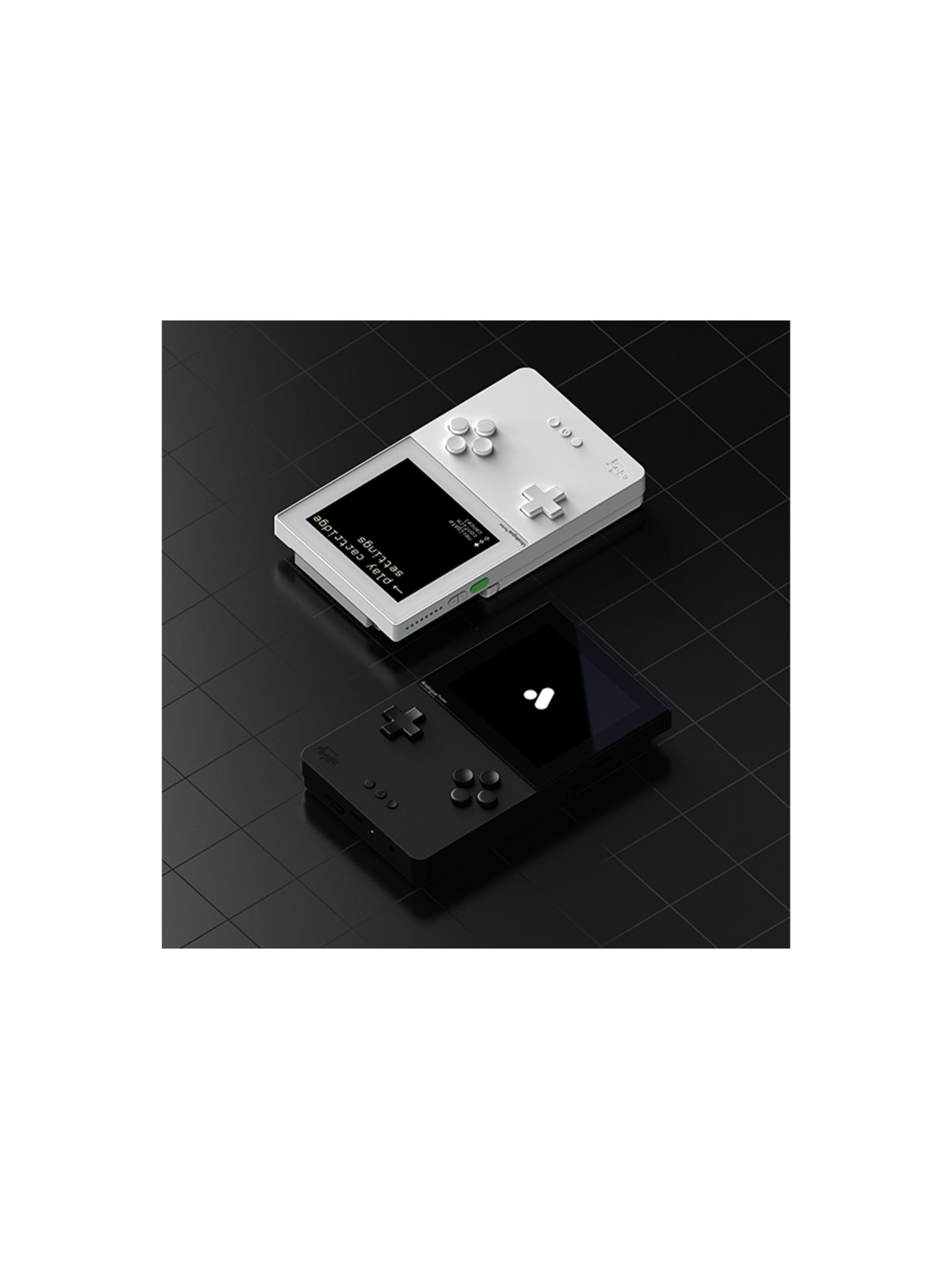
The Analogue Pocket is a handheld built to play original Game Boy, Game Boy Color and Game Boy Advance cartridges as faithfully as the consoles that first ran them. The distinction that defines it is technical: rather than emulating old systems in software, it uses a field-programmable chip configured to behave like the original hardware at the circuit level, which the purists it is built for can feel as the absence of lag or compromise. That fidelity meets a modern screen, a 3.5-inch display at ten times the resolution of a Game Boy, sharp enough to recreate the look of the old dot-matrix panels on demand. Adapters extend it to other vintage handhelds, and an open platform lets developers add more. It suits the collector who still owns the cartridges and wants them preserved properly, and accepts a premium price for that rigour.
Design intent
- +The defining decision is hardware fidelity over emulation: a field-programmable chip is configured to reproduce the original consoles' circuitry rather than approximate it in software, so cartridges run with the timing, latency and behaviour of the real machines, which is the device's, and the collector's, whole reason for existing.
- +Pairing that accuracy with a 615-pixel-per-inch screen that can mimic original display characteristics resolves the central tension of retro gaming: it honours how the games looked and felt while removing the dimness and blur of the hardware they ran on.
Trade-offs
- -The purist, cartridge-first approach is also a boundary: out of the box it covers Nintendo's handhelds, and reaching other systems or playing without original cartridges depends on separately sold adapters or community cores, so universal coverage is not the point.
- -It is expensive for a device that plays decades-old games, and fully equipping it with adapters and the dock multiplies that cost, so the value rests on accuracy, build and preservation rather than on breadth or price.
Related products







The Analogue Pocket is a handheld built to play original Game Boy, Game Boy Color and Game Boy Advance cartridges as faithfully as the consoles that first ran them. The distinction that defines it is technical: rather than emulating old systems in software, it uses a field-programmable chip configured to behave like the original hardware at the circuit level, which the purists it is built for can feel as the absence of lag or compromise. That fidelity meets a modern screen, a 3.5-inch display at ten times the resolution of a Game Boy, sharp enough to recreate the look of the old dot-matrix panels on demand. Adapters extend it to other vintage handhelds, and an open platform lets developers add more. It suits the collector who still owns the cartridges and wants them preserved properly, and accepts a premium price for that rigour.
Design intent
- +The defining decision is hardware fidelity over emulation: a field-programmable chip is configured to reproduce the original consoles' circuitry rather than approximate it in software, so cartridges run with the timing, latency and behaviour of the real machines, which is the device's, and the collector's, whole reason for existing.
- +Pairing that accuracy with a 615-pixel-per-inch screen that can mimic original display characteristics resolves the central tension of retro gaming: it honours how the games looked and felt while removing the dimness and blur of the hardware they ran on.
Trade-offs
- -The purist, cartridge-first approach is also a boundary: out of the box it covers Nintendo's handhelds, and reaching other systems or playing without original cartridges depends on separately sold adapters or community cores, so universal coverage is not the point.
- -It is expensive for a device that plays decades-old games, and fully equipping it with adapters and the dock multiplies that cost, so the value rests on accuracy, build and preservation rather than on breadth or price.