

Phone 4a Pro / Nothing
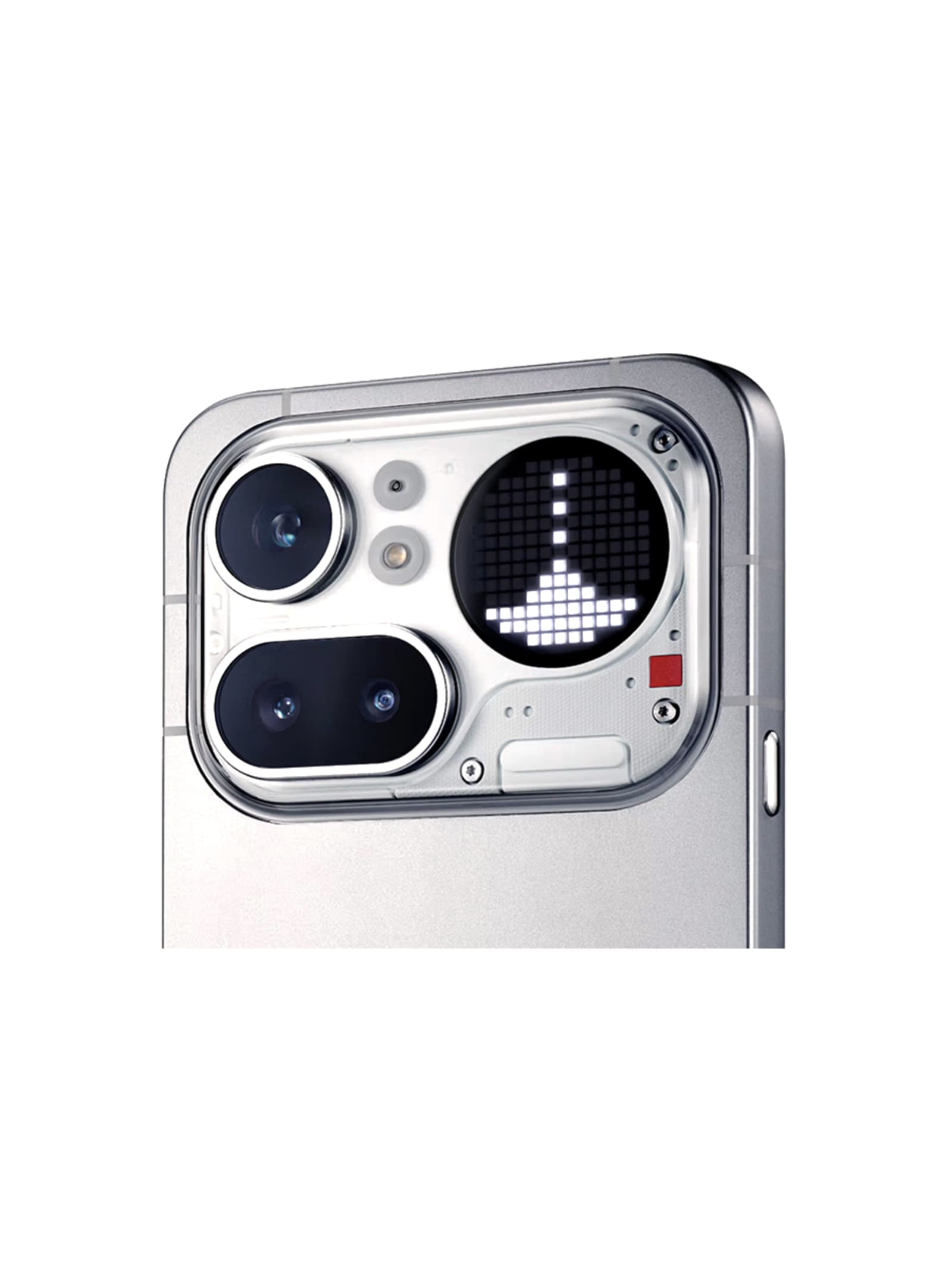
The Nothing Phone (4a) Pro is the design-led outlier of the mid-range, and this generation makes an unexpected move: it trades Nothing's transparent plastic for an aircraft-grade aluminium unibody, the slimmest the company has built at 7.95mm and shaped to dissipate heat. The signature is still on the back but reworked: the Glyph Matrix, 137 individually controllable mini-LEDs acting as a small rear display for notifications, timers, battery and a selfie mirror. A 6.83-inch 144Hz AMOLED, a Snapdragon 7 Gen 4 and a triple 50-megapixel camera with a 3.5x periscope sit behind it, on Nothing OS over Android 16. It suits someone who wants a phone with a distinct visual identity and physical, glanceable interaction at mid-range money, and accepts the compromises of that tier.
Design intent
- +The Glyph Matrix is the defining feature: a grid of 137 controllable LEDs on the back turns notifications, timers and battery status into glanceable light, an argument that a phone can communicate without lighting its main screen and pulling you into it.
- +Switching the Pro to an aluminium unibody is a deliberate departure from Nothing's transparent-plastic identity, chosen for a thinner body and faster heat dissipation, trading the see-through look for a more premium structure and cooler sustained performance.
Trade-offs
- -It sits on mid-range hardware, a Snapdragon 7-tier chip and no wireless charging, so it does not match flagship performance, and its heavily marketed 140x zoom is mostly digital, with the cameras widely judged the weaker part of the package.
- -The metal unibody gains a premium feel but abandons the transparent design that defined the brand, so the most recognisable part of Nothing's identity is reduced to the rear light array rather than the see-through body.

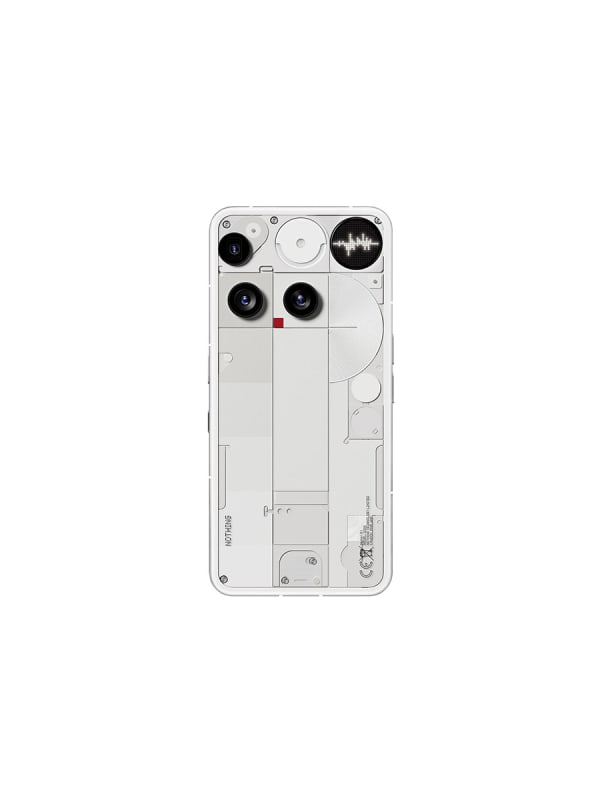




The Nothing Phone (4a) Pro is the design-led outlier of the mid-range, and this generation makes an unexpected move: it trades Nothing's transparent plastic for an aircraft-grade aluminium unibody, the slimmest the company has built at 7.95mm and shaped to dissipate heat. The signature is still on the back but reworked: the Glyph Matrix, 137 individually controllable mini-LEDs acting as a small rear display for notifications, timers, battery and a selfie mirror. A 6.83-inch 144Hz AMOLED, a Snapdragon 7 Gen 4 and a triple 50-megapixel camera with a 3.5x periscope sit behind it, on Nothing OS over Android 16. It suits someone who wants a phone with a distinct visual identity and physical, glanceable interaction at mid-range money, and accepts the compromises of that tier.
Design intent
- +The Glyph Matrix is the defining feature: a grid of 137 controllable LEDs on the back turns notifications, timers and battery status into glanceable light, an argument that a phone can communicate without lighting its main screen and pulling you into it.
- +Switching the Pro to an aluminium unibody is a deliberate departure from Nothing's transparent-plastic identity, chosen for a thinner body and faster heat dissipation, trading the see-through look for a more premium structure and cooler sustained performance.
Trade-offs
- -It sits on mid-range hardware, a Snapdragon 7-tier chip and no wireless charging, so it does not match flagship performance, and its heavily marketed 140x zoom is mostly digital, with the cameras widely judged the weaker part of the package.
- -The metal unibody gains a premium feel but abandons the transparent design that defined the brand, so the most recognisable part of Nothing's identity is reduced to the rear light array rather than the see-through body.