
Phone iii / Light
/ / /
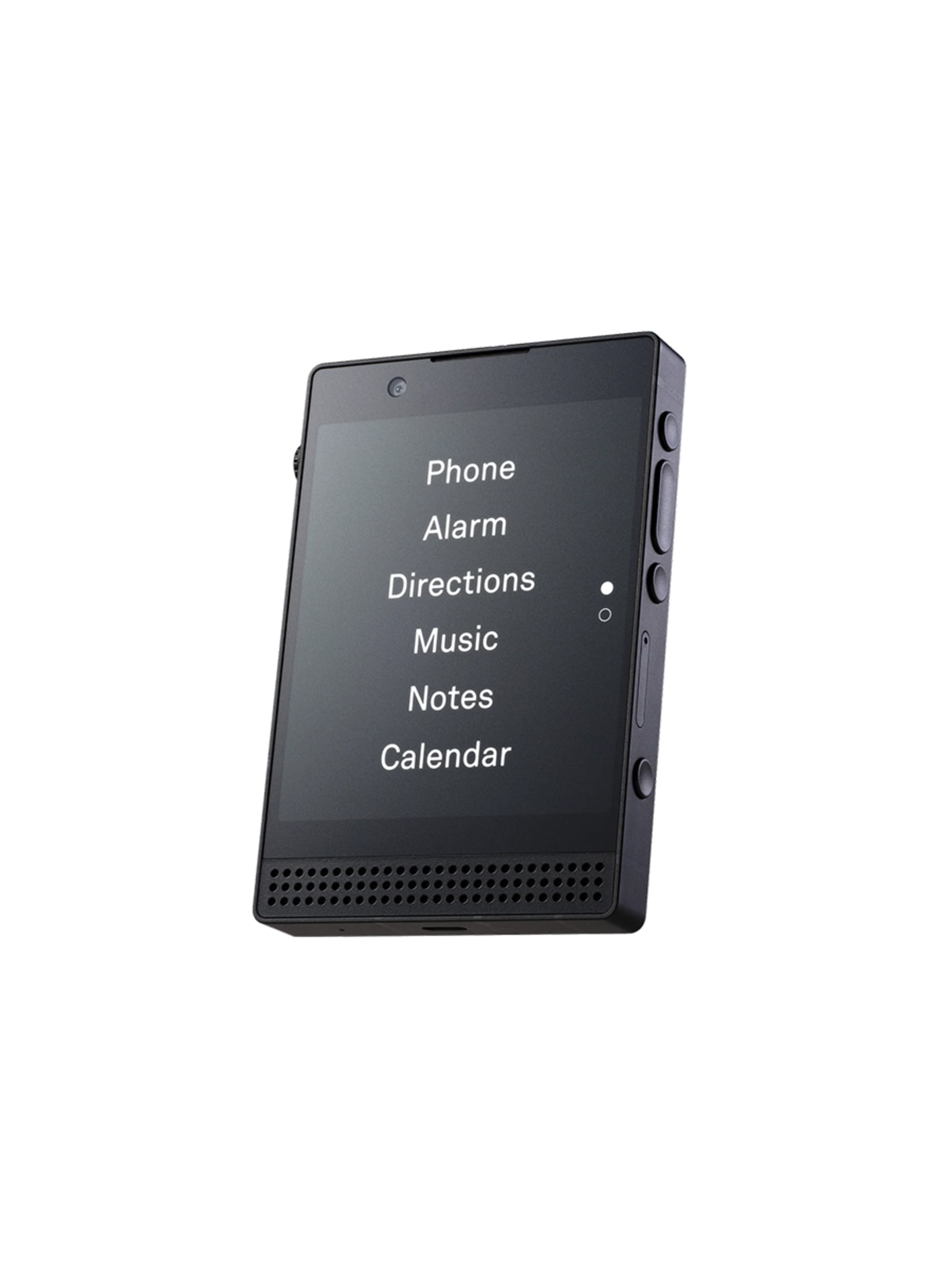
The Light Phone 3 is a deliberately limited phone: it makes calls, sends texts, gives directions, plays music and takes a basic photo, and refuses almost everything else. There is no web browser, no email, no app store and no social media, by design rather than omission. The hardware is the most capable the company has built, with a machined aluminium frame, a monochrome OLED screen that replaces the slow e-ink of earlier models, a fingerprint reader and a user-replaceable battery. The result is a tool for people trying to use a phone less without returning to a flip phone. It suits someone who wants calls, messages and maps in their pocket and is willing to give up the camera quality, apps and infinite feeds that define a normal smartphone.
Design intent
- The defining decision is subtraction: by refusing a browser, email, app store and social feeds at the system level, the phone removes the pathways that pull attention, so the device can only do the handful of things it is set to do.
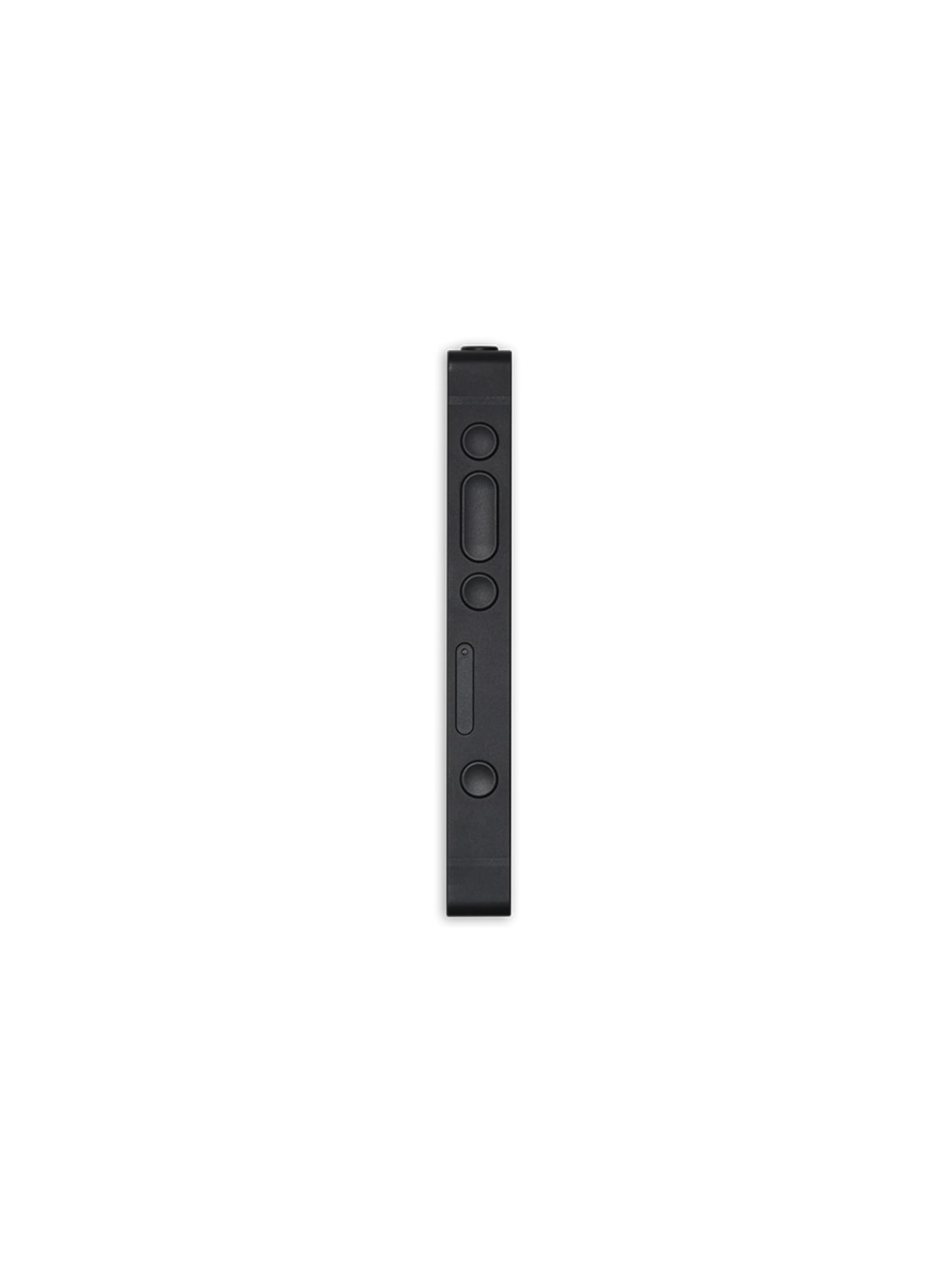
- Upgrading to a monochrome OLED screen and a machined aluminium body with a replaceable battery makes the minimalism livable rather than punishing, giving responsive text input and repairability the earlier e-ink models lacked.
Trade-offs
- The same restrictions that make it calm also make it limited: no apps, a basic camera and a deliberately sparse toolset mean it cannot cover the tasks most people lean on a smartphone for, which is the point but also the cost.
- It is priced like a premium smartphone despite doing far less, so the value is in what it removes rather than what it adds, a trade that only makes sense for someone actively trying to reduce screen time.
- Source
- Year
- Category
- /
- Colour
- Material
- ,
- Indexed
- 5 Jan 2026