iPhone Air / Apple
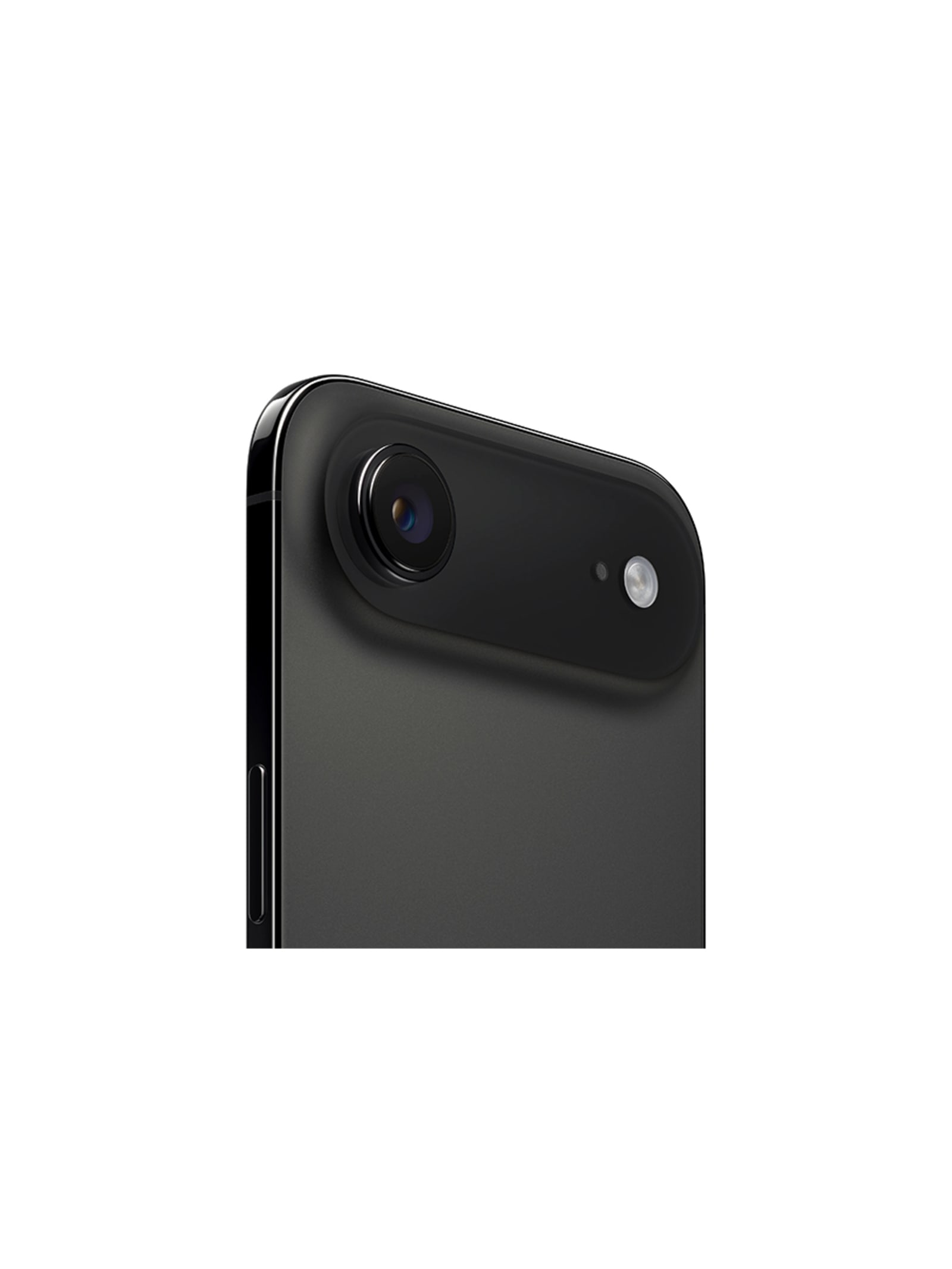
The iPhone Air is Apple's argument that thinness is a feature worth building a phone around. At 5.6mm it is the thinnest iPhone made, with a Grade 5 titanium frame and a 6.5-inch display, and at 165 grams it is light enough that the thinness registers in the hand rather than only on a spec sheet. The A19 Pro chip keeps performance close to the Pro models, so the reductions sit elsewhere: a single rear camera, and a battery necessarily smaller than a thicker phone could hold. It comes in four restrained finishes, Space Black, Cloud White, Light Gold and Sky Blue. The honest reading is that some omissions serve the form and others serve Apple's lineup, and the two are presented as a single decision.
Design intent
- +The titanium frame is load-bearing, not cosmetic: it provides the rigidity that lets a 5.6mm body resist flexing, which is the engineering that makes the form possible.
- +Thinness and weight are treated as the primary brief, on the premise that how a phone feels in daily handling matters more to this buyer than camera range or battery headroom.
Trade-offs
- -The single rear camera is the defining limit. It covers everyday photography well but gives up the telephoto and ultra-wide reach of the standard and Pro models.
- -The thin chassis holds a smaller battery; efficiency offsets some of this, but heavy days will reach a charger sooner than they would on a thicker iPhone.
Featured in / Collections
View allThe iPhone Air is Apple's argument that thinness is a feature worth building a phone around. At 5.6mm it is the thinnest iPhone made, with a Grade 5 titanium frame and a 6.5-inch display, and at 165 grams it is light enough that the thinness registers in the hand rather than only on a spec sheet. The A19 Pro chip keeps performance close to the Pro models, so the reductions sit elsewhere: a single rear camera, and a battery necessarily smaller than a thicker phone could hold. It comes in four restrained finishes, Space Black, Cloud White, Light Gold and Sky Blue. The honest reading is that some omissions serve the form and others serve Apple's lineup, and the two are presented as a single decision.
Design intent
- +The titanium frame is load-bearing, not cosmetic: it provides the rigidity that lets a 5.6mm body resist flexing, which is the engineering that makes the form possible.
- +Thinness and weight are treated as the primary brief, on the premise that how a phone feels in daily handling matters more to this buyer than camera range or battery headroom.
Trade-offs
- -The single rear camera is the defining limit. It covers everyday photography well but gives up the telephoto and ultra-wide reach of the standard and Pro models.
- -The thin chassis holds a smaller battery; efficiency offsets some of this, but heavy days will reach a charger sooner than they would on a thicker iPhone.