Apple iPhone Air - Style Over Substance?
- 27 Dec 2025
- 27 Dec 2025
- 9 min
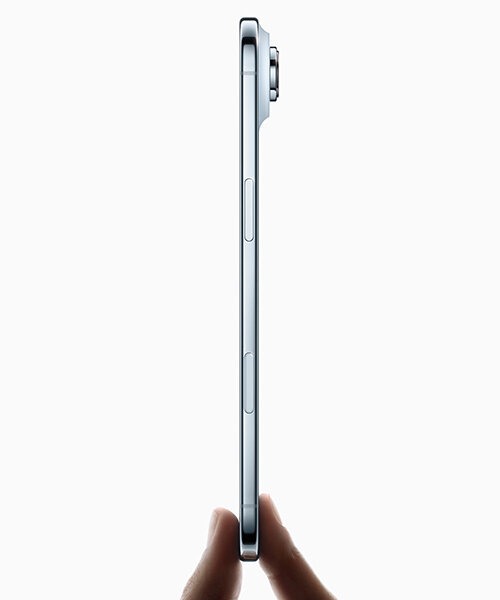
Apple has produced beautiful objects before. The iPhone Air is one of them. At 6.25mm thick it is the thinnest phone in the main lineup, and the form shows. But thinness at this price point comes with a specific set of trade-offs, and not all of them were required by the brief.
The Supply Index design lens asks whether the decisions made in a product reflect its stated purpose with honesty and coherence. Applied to the iPhone Air, the answer is nuanced in ways Apple's own positioning tends to smooth over.

What Apple is claiming
The iPhone Air is the thinnest iPhone Apple has produced. At 6.25mm it is thinner than any previous model in the main lineup, and Apple has made that fact the centrepiece of its positioning. The name itself borrows directly from the MacBook Air, a product that spent years defining what it meant to make lightness the design brief rather than a side effect.
The claim, as with the MacBook Air before it, is that constraint is a feature. That removing material and reducing presence is not a compromise but a considered position. That a phone which disappears into a pocket or a hand is doing something the Pro cannot.
It is a coherent brief on paper. The question is whether the decisions made in pursuit of that brief were driven by design clarity or by the need to create a distinct product tier at a distinct price point. Those two things can produce identical objects. But they produce them for different reasons, and the difference matters when evaluating whether the result is honest.
Clarity of purpose
The Air occupies a specific slot in Apple's lineup: above the standard iPhone in price and form quality, below the Pro in capability. That middle position is commercially logical but creates a design challenge. A product defined primarily by what it is not, not as capable as Pro and not as affordable as standard, risks feeling like a category constructed around a gap rather than a genuine user need.
The counterargument is that the Air has a real and distinct purpose: a large-screen phone for people who do not need a triple-camera system or a ProMotion display but do want a premium object. Thinness and weight reduction are not trivial benefits. They change how a device feels in extended use, how it sits in a pocket, how it reads as an object on a table.
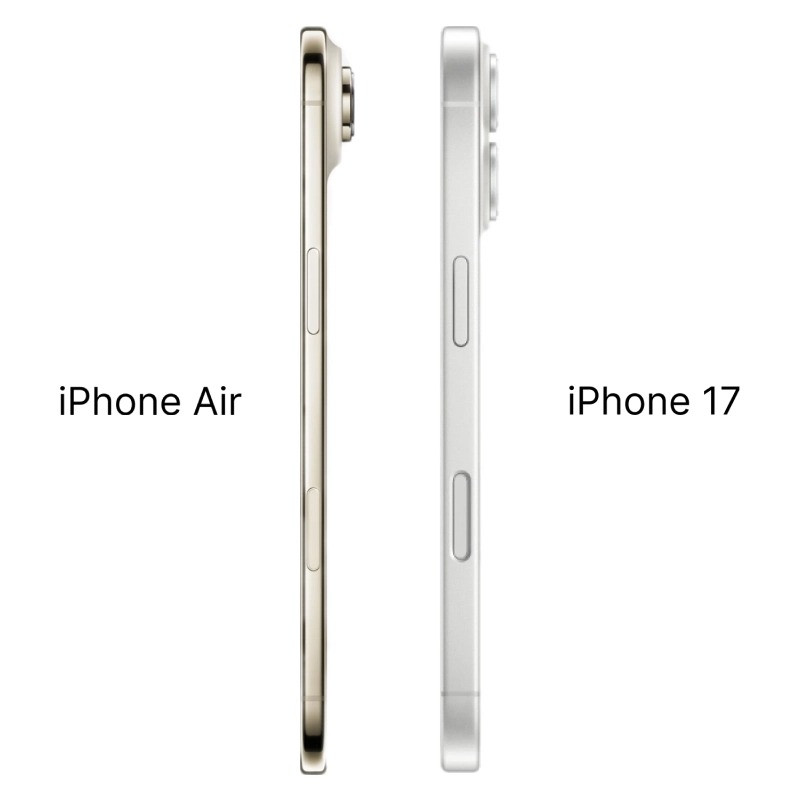
Where purpose becomes harder to read is in the omissions. The single rear camera, the absence of the Action Button, the standard refresh rate: these are not reductions made in service of thinness. They are reductions made in service of product differentiation. Thinness required engineering trade-offs. The feature removals required a different kind of decision. Conflating the two softens the clarity of the brief.
Intentional design decisions
The titanium frame is the correct structural choice for a device pursuing this form factor. It provides the rigidity required to keep a 6.25mm enclosure from flexing under normal handling, at a weight penalty that remains acceptable. The material earns its presence in the design.
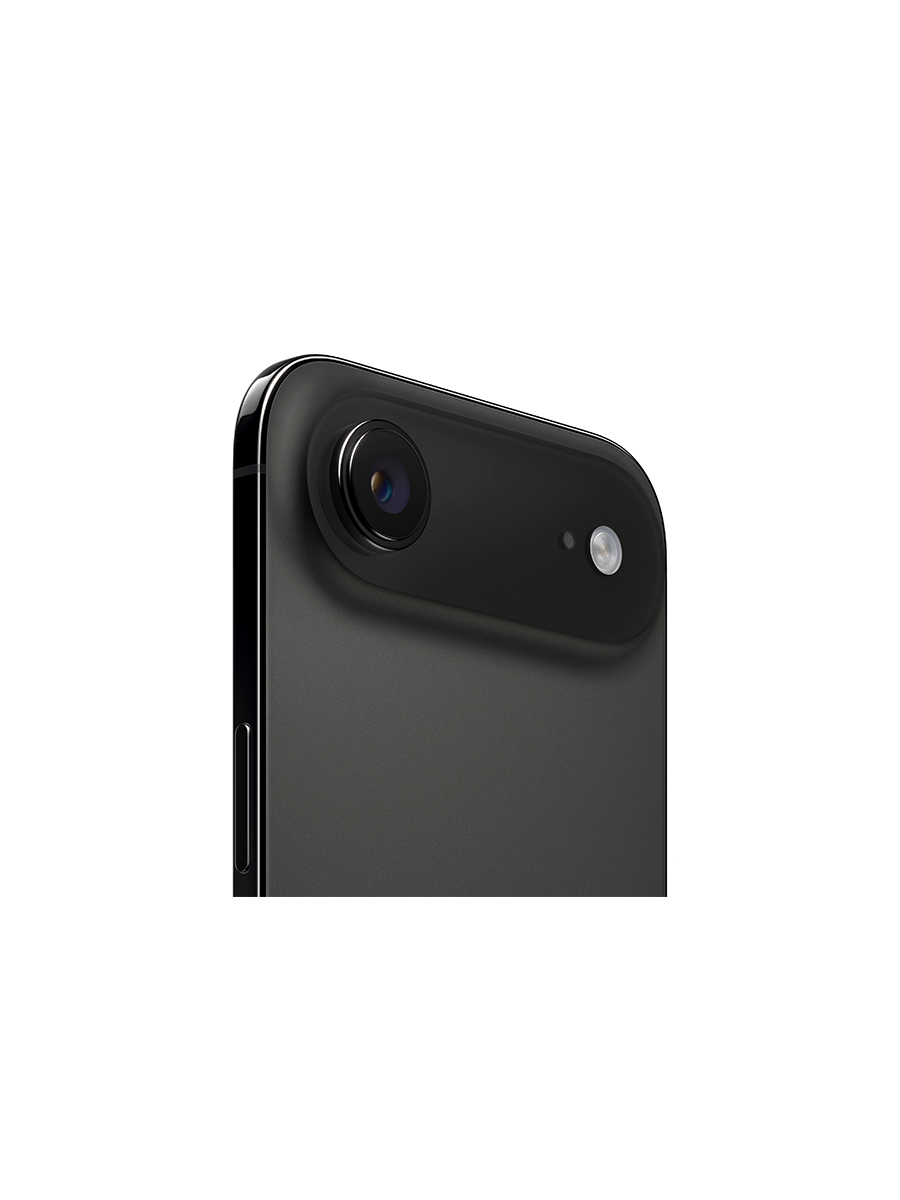
The single rear camera is the decision that defines the Air's limitations most clearly. A 48-megapixel primary sensor covers the majority of everyday photography. What it cannot cover is zoom, low-light versatility across multiple focal lengths, or the creative flexibility of a multi-lens system. For a large percentage of users, this is not a daily limitation. For a meaningful segment, it is a decisive one.
The 60Hz display is harder to justify on design grounds. ProMotion is not a capability feature in the way a telephoto lens is. It is a smoothness characteristic that affects the felt quality of every interaction. Its absence on a premium product is more legible as cost and differentiation management than as a constraint imposed by the thinness brief.
Taken together, the design decisions are partially coherent. The structural choices, frame material, internal architecture, and thermal management within a compressed chassis, read as genuinely purposeful. The feature decisions read differently.
Material honesty
The titanium frame presents its material directly. It does not attempt to simulate another material or apply surface treatments that obscure its nature. The finish is restrained: matte in the Space Black colourway, brushed and consistent. It feels like what it is.
The rear glass panel is similarly honest. Its role is structural and aesthetic: it enables MagSafe and wireless charging while providing a consistent visual surface. It does not overclaim tactile properties it does not possess.
What is harder to assess is the relationship between the visible material quality and the compromises embedded within the device. Material honesty in consumer electronics extends beyond surface finish. It includes whether the object's presentation, premium materials, restrained design, and high-fit quality, accurately represents the full scope of its capabilities and limitations.
The Air's construction is genuinely premium. Its positioning does not always communicate with equal clarity the trade-offs that construction required. That gap is a form of material imprecision, even if the physical materials themselves are honest.
Visual resolution
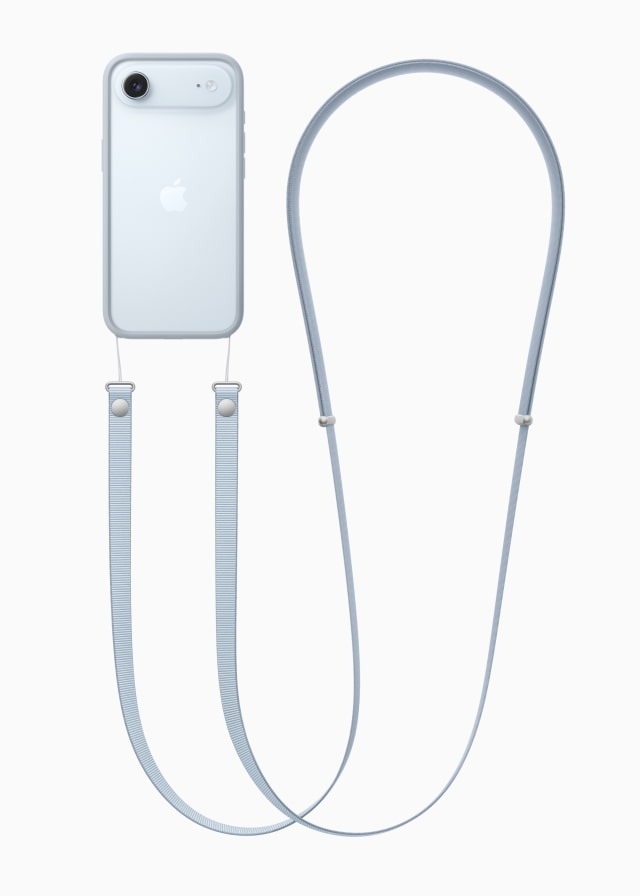
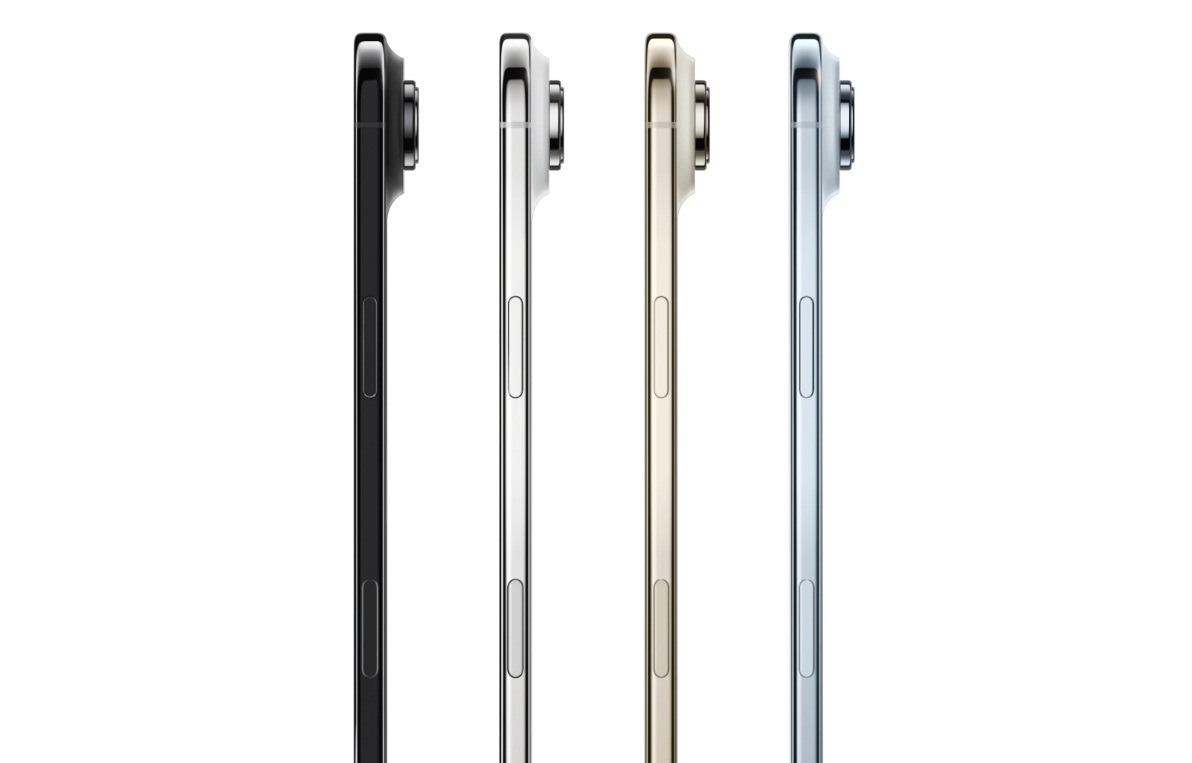
The iPhone Air is a visually resolved object. The proportions are deliberate and settled. At 6.25mm the chassis reads as genuinely thin rather than merely thinner. It crosses a perceptual threshold that produces a different kind of presence. The device looks considered in a way that earlier iPhone generations did not, not because they were worse but because the Air has removed enough material to make the form feel like a position rather than a default.
The Space Black colourway reinforces this. The finish is consistent across frame and back panel, eliminating the visual interruption of a contrasting camera module housing. The camera island still protrudes, but its reduced scale, a consequence of the single-lens system, allows it to read as less architecturally dominant than on the Pro models.
The display front remains largely unchanged from the standard iPhone form factor. The Dynamic Island sits at the top centre. Bezels are present but controlled. Nothing in the front face advances or retreats from established Apple convention.
The visual coherence of the Air is its strongest quality. As an object it earns attention without demanding it. Whether that is enough depends on what you believe a premium smartphone is for.
Style or substance?
The honest answer is: both, unequally weighted.
The Air's thinness is substantive. It is the result of genuine engineering investment: restructured internal layouts, custom components, thermal solutions adapted to a compressed chassis. The form is not decorative. It represents real work in service of a real user experience benefit.
The omissions are where style and substance diverge. A single camera, a standard refresh rate, and the absence of the Action Button are not engineering consequences of thinness. They are editorial decisions about product positioning. Applied to a device at this price point, they read as choices made to protect the Pro lineup as much as to define the Air.
This does not make the iPhone Air a poor product. For a user whose photography habits centre on a primary lens, who does not notice or value high refresh rates, and who wants the largest iPhone form factor at the least physical presence, the Air is genuinely well-matched to that brief.
What it is not is a product where every decision was made in service of a single clear purpose. It is a product where some decisions were made in service of form, some in service of commercial architecture, and the two are presented as one coherent thing. The design is resolved. The brief is not entirely. That distinction is worth knowing before you choose.
Final thoughts
The iPhone Air is an honest object in some respects and an imprecise one in others. The form earns what it claims. The feature set reflects decisions that go beyond what the brief required. Knowing which is which does not make the product less desirable for the right user. It makes the choice a more informed one.