Apple AirPods Pro 3 vs Nothing Ear 3
- 3 Nov 2025
- 3 Nov 2025
- 7 min
Two products, the same category, different design philosophies. The AirPods Pro 3 are built to disappear into Apple's ecosystem. The Nothing Ear 3 are built to be worth looking at. The Supply Index comparison lens does not ask which sounds better. It asks whether the decisions made in each product reflect their stated purpose with honesty and coherence.
Both products hold up to that question, though not in the same way.
AirPods Pro 3
View in the indexNothing Ear 3
View in the index
Clarity of purpose
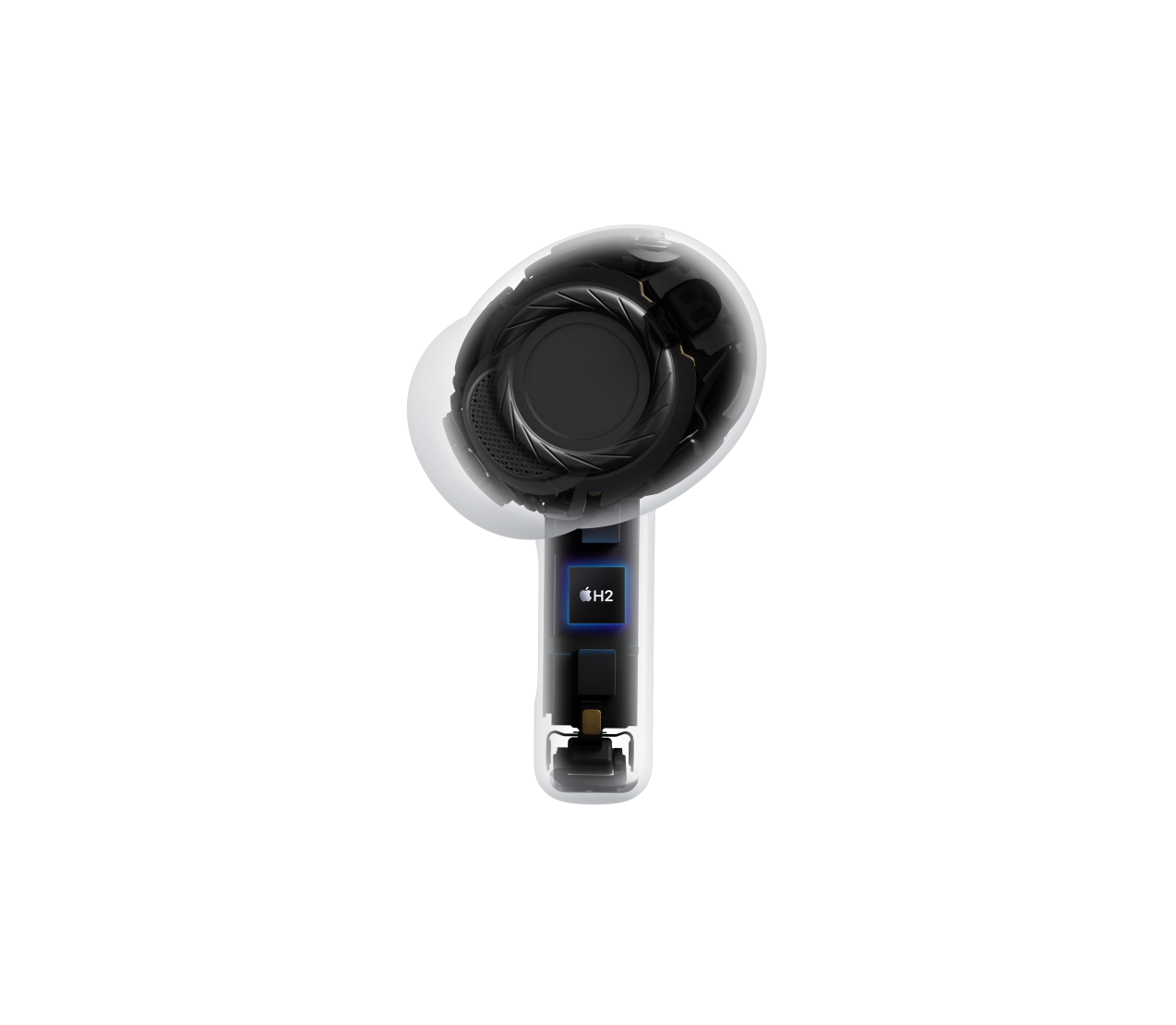
The AirPods Pro 3 have a clear brief: to be the best-performing wireless earbuds for people already inside Apple's ecosystem. That brief is not stated. It does not need to be. Every design decision, from the H2 chip dependency to the Adaptive Audio processing, assumes an iPhone in the pocket. The product does not pretend otherwise.
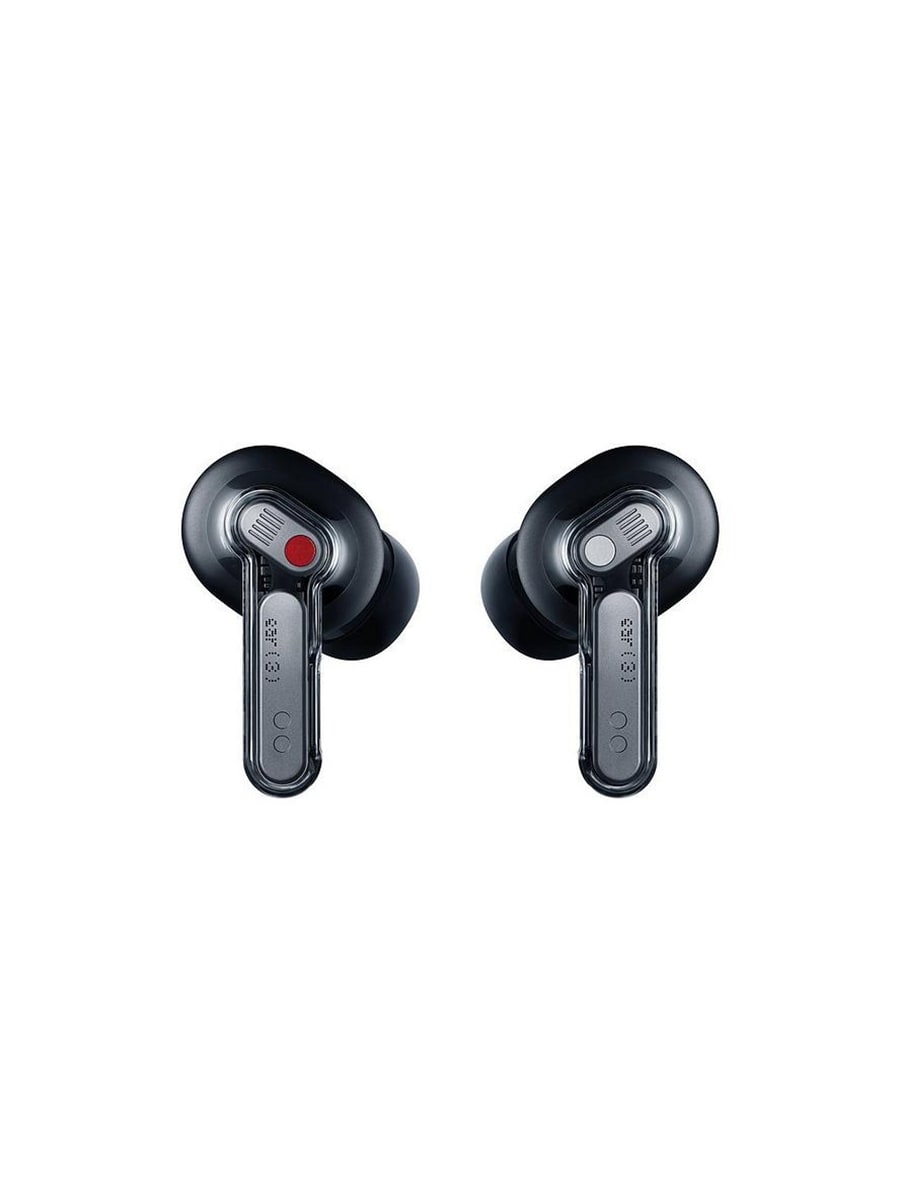
The Nothing Ear 3 have a more complex purpose to articulate. They are premium earbuds designed for people who want visible design intelligence in a category where most products look identical. The transparent housing is not a gimmick. It is a statement that the internals are worth seeing, and that the object itself can be worth owning for reasons beyond its function.
Both products are clear about what they are. The AirPods Pro 3 are infrastructure for Apple users. The Nothing Ear 3 are a considered object for listeners who want something more legible as a designed thing. That difference in purpose informs every other comparison that follows.
Intentional design decisions
The AirPods Pro 3 continue the stem-based earbud architecture. The stem provides physical surface area for touch controls without requiring the user to press against the ear canal, which would affect fit and cause discomfort. It is a functional decision that looks deliberate because it is. The case is compact, angular, and understated to the point of near-invisibility: a deliberate contrast to the earbuds themselves.
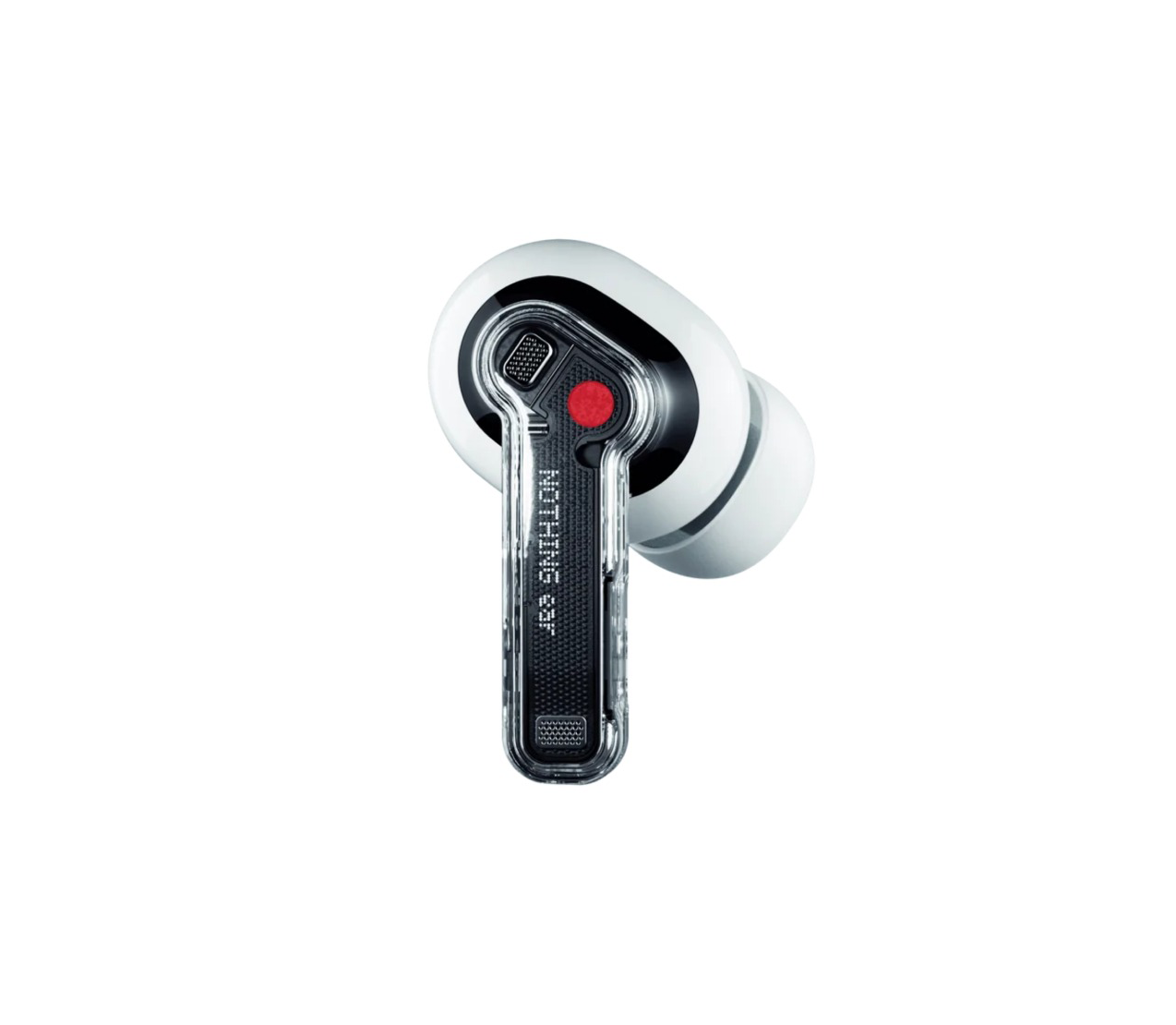
The Nothing Ear 3 make their decisions visible. The transparent shell exposes the driver, the acoustic chambers, and the component layout. This is only a good decision if the internals are worth exposing, if the engineering is honest enough to survive scrutiny. Nothing's position is that they are, and the construction supports that position. The angular geometry of the housing is not arbitrary: it positions the driver optimally relative to the ear canal and creates a flush fit with less stem intrusion.
Both products make decisions that are coherent with their respective briefs. The AirPods Pro 3 optimise for invisibility in use. The Nothing Ear 3 optimise for integrity as an object. Neither decision is wrong. They are just aimed at different values.

Functional efficiency
Active noise cancellation on the AirPods Pro 3 is class-leading at this price point. The Adaptive Audio mode, which blends ANC and transparency dynamically based on detected sound environment, removes a layer of decision-making from the listener. The product manages context so the user does not have to. That is functional efficiency at its most considered.
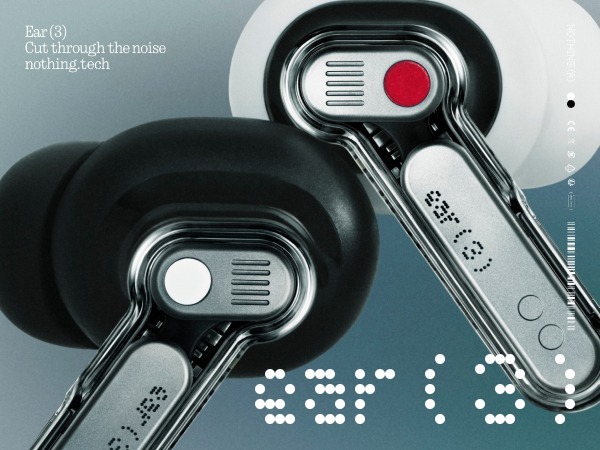
The Nothing Ear 3 deliver strong ANC performance for a product at this price tier. The gap relative to the AirPods Pro 3 is measurable in controlled settings and less legible in everyday use, particularly in non-commute environments. What the Nothing Ear 3 add is dual-device connectivity handled more reliably than many competitors in this bracket: a practical advantage for listeners who move between a laptop and a phone as a daily habit.
The efficiency comparison is not straightforward. The AirPods Pro 3 do more, more automatically, within the ecosystem they are built for. The Nothing Ear 3 do slightly less, more predictably, across a wider range of devices. Which is more efficient depends entirely on the listener's actual use pattern.
Material honesty
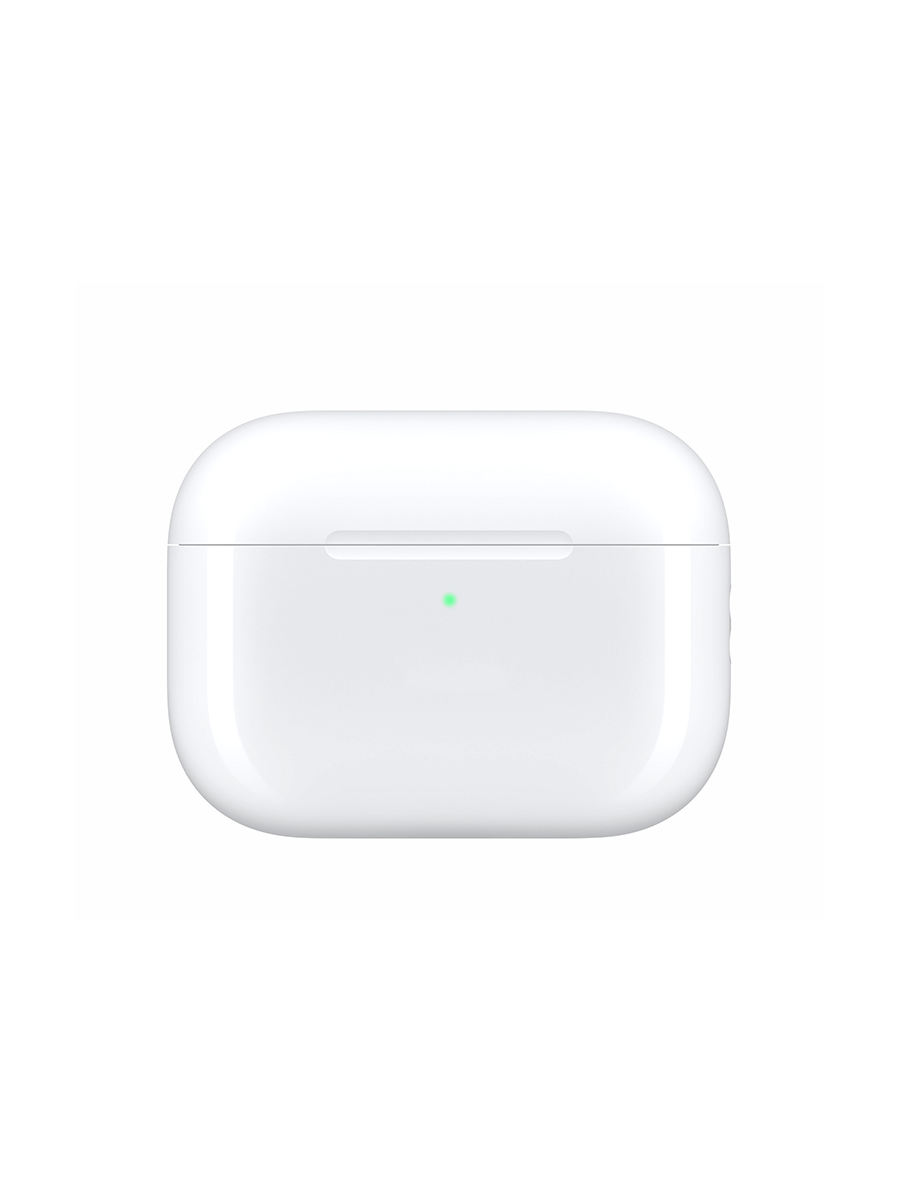
The AirPods Pro 3 case is glossy white plastic. It does not attempt to simulate another material. Its surface finish is consistent with its weight and flex behaviour. It feels like premium plastic because it is premium plastic: the tolerances are tight, the hinge is precise, and the lid closes with a tactile click that communicates quality without overclaiming it.
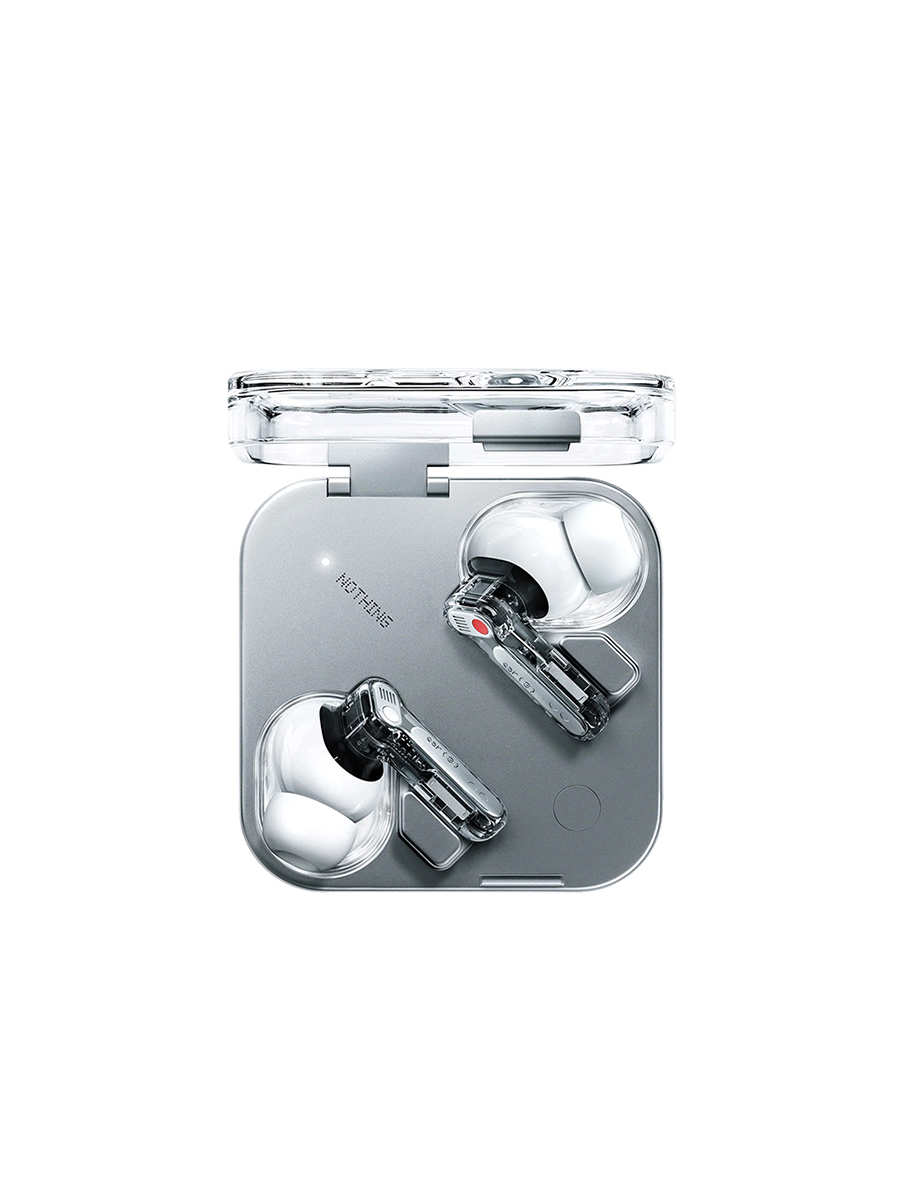
The Nothing Ear 3 transparent housing presents its materials directly. The outer shell is hard-wearing polycarbonate; the inner components are visible in their actual state. This is material honesty at a structural level: there is no surface treatment obscuring what the product is made of or how it is assembled. The stem finish is matte where the housing is transparent, and the contrast is intentional rather than accidental.
The Nothing Ear 3 are more explicitly honest in their material presentation. The AirPods Pro 3 are honest in a quieter way. They do not overclaim, but they also do not invite inspection. Both approaches are valid. The difference is in whether the product treats its construction as something to communicate or something to conceal.
Visual resolution
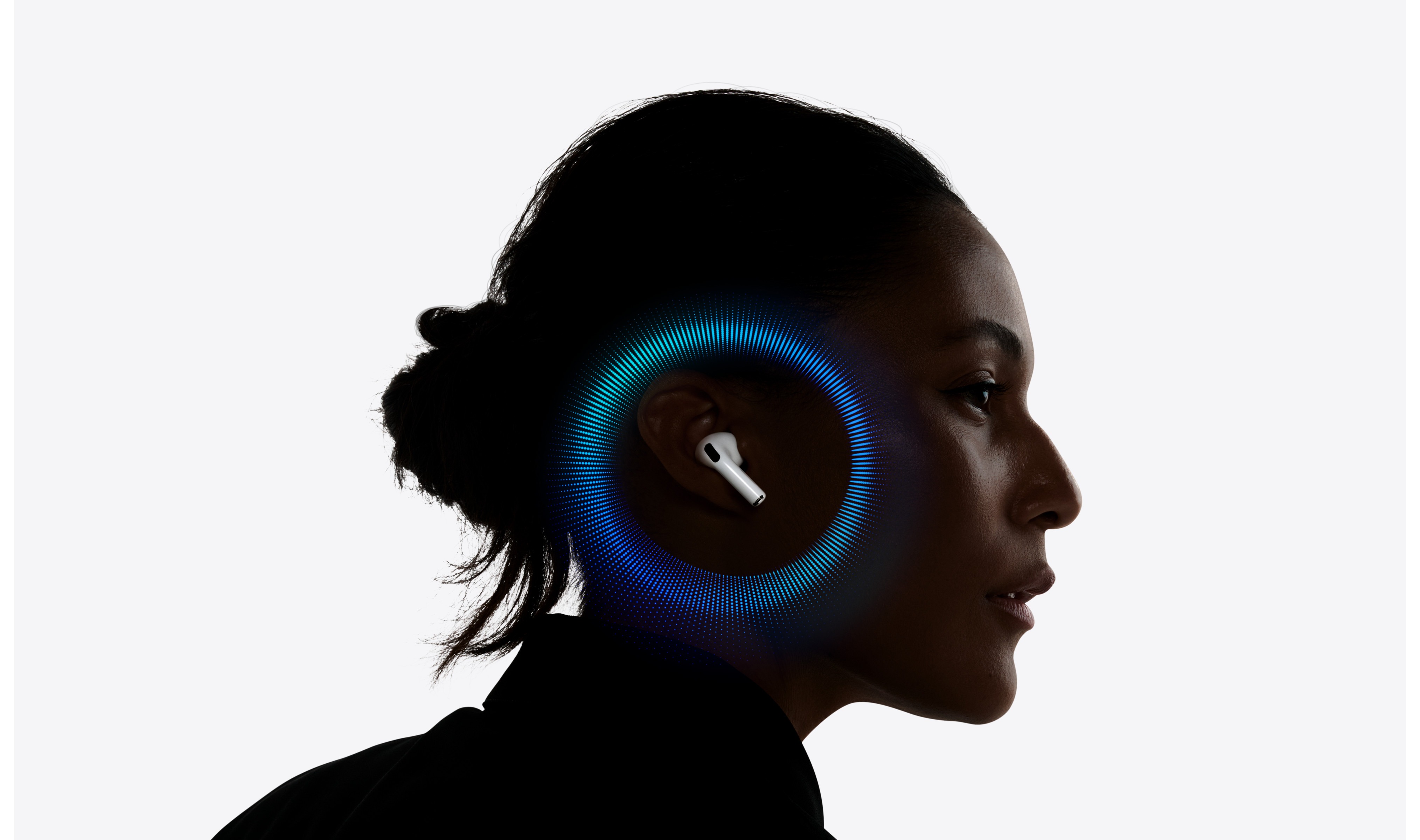
The AirPods Pro 3 have strong visual resolution in use and near-zero visual resolution as objects on a table. They are designed to disappear: from the ear, from the desk, from conscious attention. That is a coherent aesthetic position for a product whose purpose is to deliver sound without becoming a statement. The all-white finish and the smooth transitions between case and lid make the product feel resolved by virtue of its restraint.
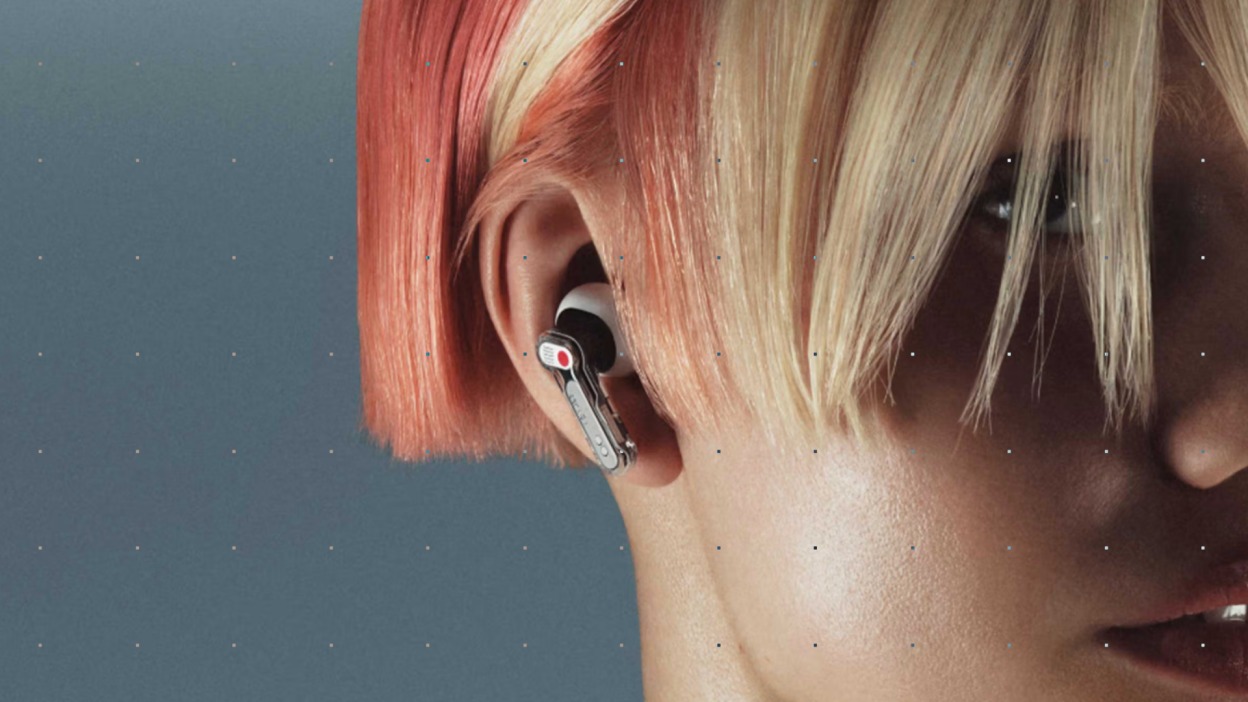
The Nothing Ear 3 have strong visual resolution as objects. The transparent housing is the primary design gesture, and it works because the internals justify the exposure. The proportions of the stem and housing are settled. The colour of the internal components, the driver surround and acoustic tuning chambers, is controlled rather than incidental. The product looks considered from every angle, which is a harder achievement than it appears.
As a visual object, the Nothing Ear 3 is the more interesting of the two. As an object in use, the AirPods Pro 3 is more resolved. It asks for no attention while delivering the performance that justifies the price. The difference is between designing for the desk and designing for the ear.
Who are these for?
AirPods Pro 3
People already inside Apple's ecosystem who want the best-performing earbuds available without having to think about them. Listeners who move through varied sound environments, commutes, open offices, quiet work, and want the product to handle context automatically. Those for whom ANC performance and seamless device switching between Apple devices are the primary criteria.
Nothing Ear 3
Listeners who want a premium earbud that functions as a considered object, not just a peripheral. People who move between devices and operating systems and want reliable dual connectivity without platform lock-in. Those who value design transparency, literally and philosophically, and want a product where the engineering is legible from the outside.
Final thoughts
The design principles surface the same pattern across both products: coherent decisions made in service of genuinely different briefs. The AirPods Pro 3 optimise for integration and disappearance. The Nothing Ear 3 optimise for legibility and considered form. Neither brief is superior, but they are distinct. Knowing which one aligns with how you actually listen is the more useful question than which product measures better in a controlled test.