Nike MIND 001 Pregame Mules : Science or Fiction?
- 27 Mar 2026
- 27 Mar 2026
- 8 min
Nike frames the Mind 001 as a pregame tool. Not a slide, not a casual mule: a recovery product designed for the space before and after athletic performance. That framing raises a question worth asking directly: does the design support the claim, or is the language doing work the object cannot?
The Supply Index design lens does not score products on how well they market themselves. It asks whether the decisions made in the product reflect its stated purpose. Applied to the Mind 001, that question has a specific answer.

What the claim is
The Mind 001 is positioned around the pregame ritual: the period before competition when preparation transitions from physical to mental. Nike's framing centres on decompression: the mule as a product that removes one layer of sensory input before activity begins.
This is a narrow brief. It does not require sophisticated engineering. It requires a product that is easy to put on, comfortable enough to dissolve into the background, and designed with enough restraint that it does not compete for attention.
The claim, in other words, is not about performance. It is about designed absence. That is a legitimate design goal and one that is more specific than it first appears.
Clarity of purpose
The mule silhouette is well-suited to this role. Slip-on construction eliminates lacing and adjustment. There are no closures requiring attention. The interaction is single-gesture: step in and the product disappears from consideration.
That clarity extends to the product's category positioning. By calling it a pregame mule rather than a trainer or a recovery slide, Nike narrows the expected use context. The object is not competing with running shoes or training footwear. It occupies a more specific slot: transitional, temporal, and low-interaction.
Where purpose can feel diluted is in the breadth of commercial contexts the product operates across. It is sold as performance-adjacent and worn in lifestyle contexts interchangeably. That flexibility is commercially useful, but it softens the single-purpose focus that makes the brief compelling in the first place.
Intentional design decisions
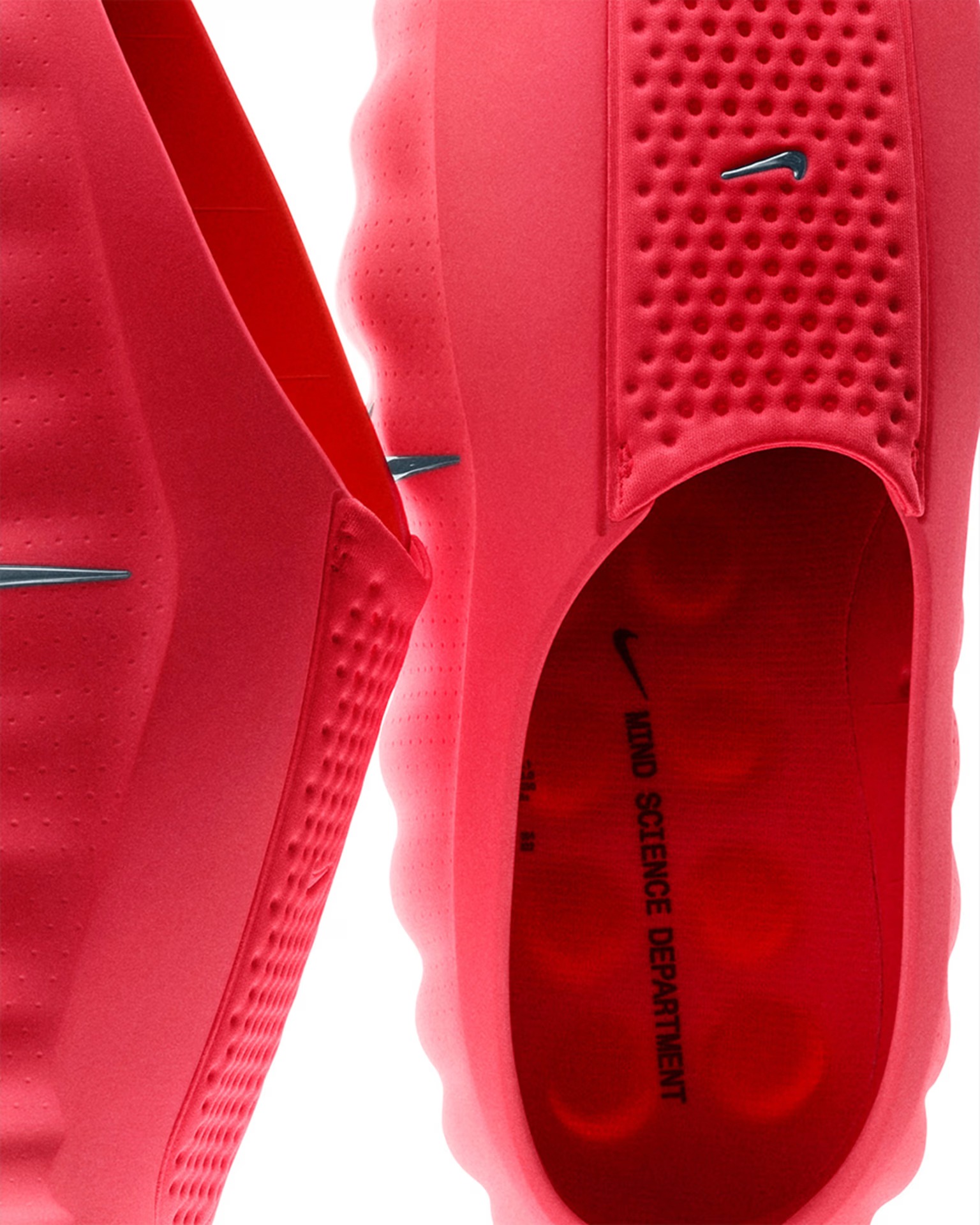
The mule construction concentrates design decisions in two places: the sole and the upper.
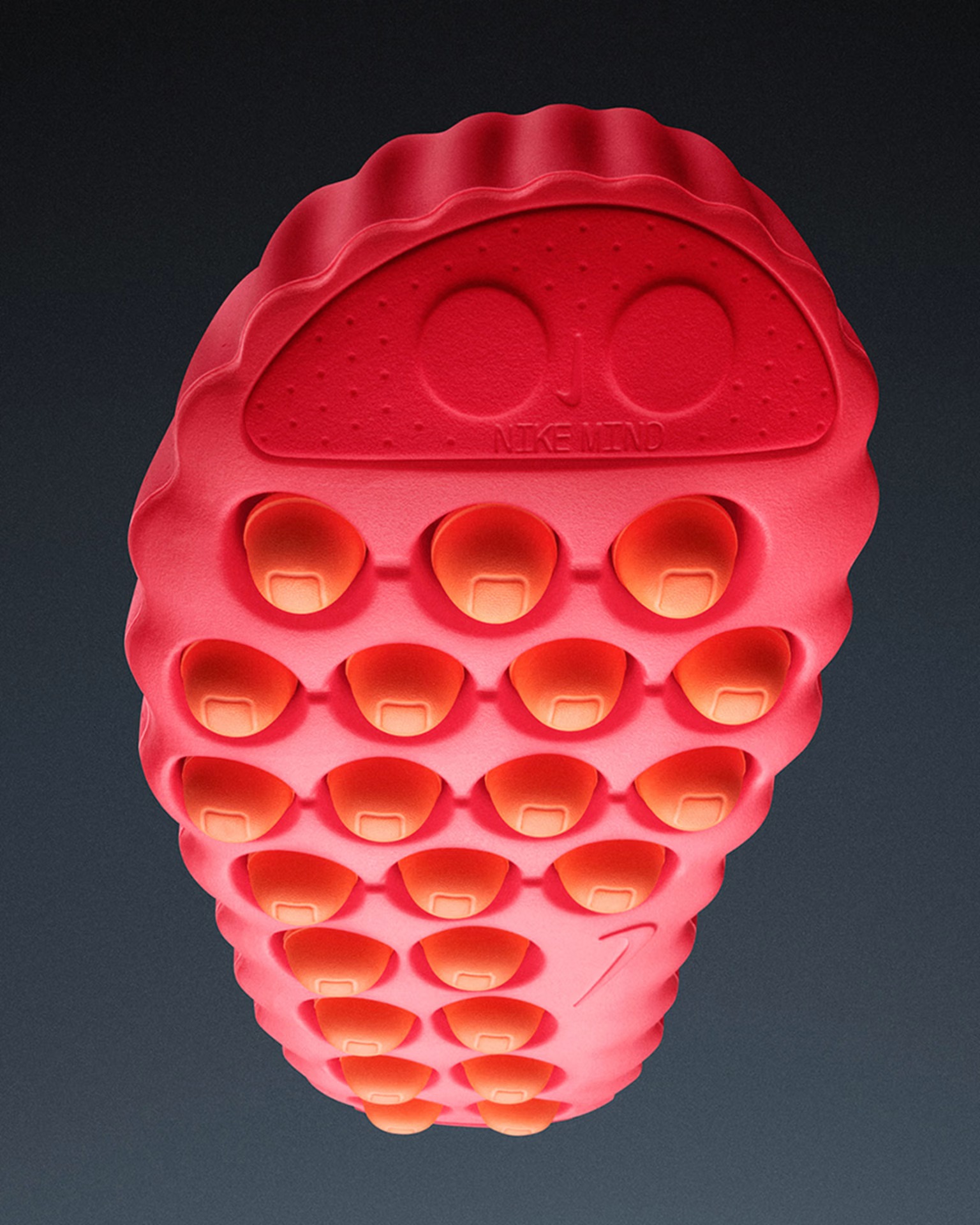
The sole uses a foam compound intended to provide cushioning underfoot during low-activity transition periods. The stack height is visible. This is not a flat sandal but a product that places the wearer at a deliberate height above ground contact. That choice is consistent with recovery-oriented footwear: reducing ground reaction force and supporting the foot in an unloaded state.
The upper is minimal. A single band of material runs across the forefoot, shaped to accommodate the foot without requiring adjustment. No lateral support is attempted. No heel counter. These omissions are intentional. A product designed for temporary wear before activity has no reason to introduce structure that belongs to footwear worn during it.
Both decisions are coherent with the stated purpose. They do not attempt to simulate performance footwear. They remove what does not belong.
Material honesty
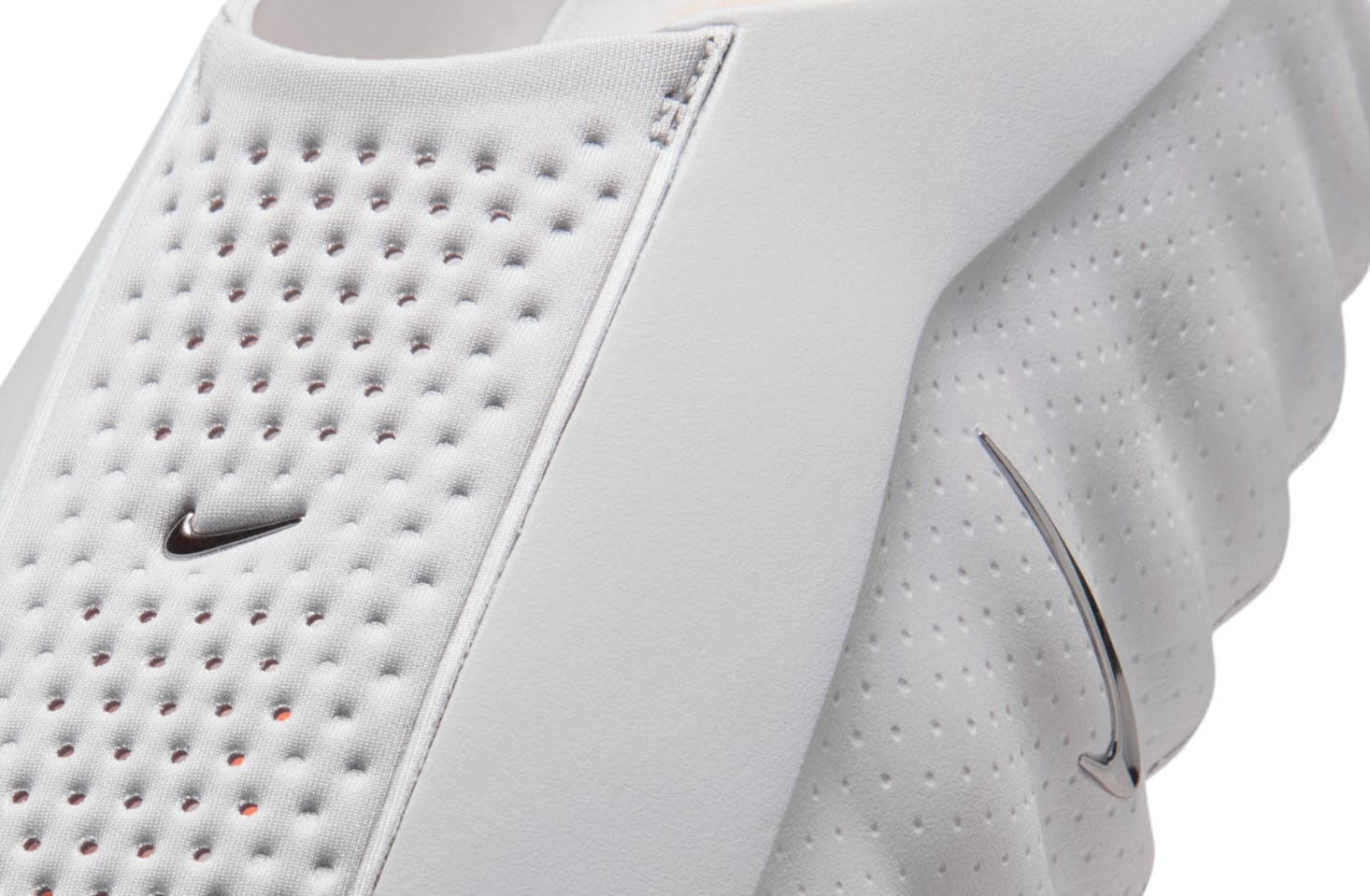
The foam sole presents its material directly. Texture, density, and compression behaviour are visible in the form. There is no surface treatment suggesting greater rigidity than the material offers, and no decorative layering obscuring the construction logic.
The upper material is similarly straightforward. It presents as a flat, formed element. Its role is containment rather than structure. That honesty matters because a product claiming to reduce cognitive load should not introduce material confusion. A surface that looks one way and behaves another introduces exactly the friction the product is trying to remove.
Where scrutiny is warranted is in durability under the friction of frequent slip-on use. The ease of entry that makes the product functional also places consistent stress on the upper and heel edge of the sole. Long-term material performance is not assessable from form alone, but the construction signals that longevity was not the primary concern. The product is designed around its moment of use, not its decade of ownership.
Visual resolution
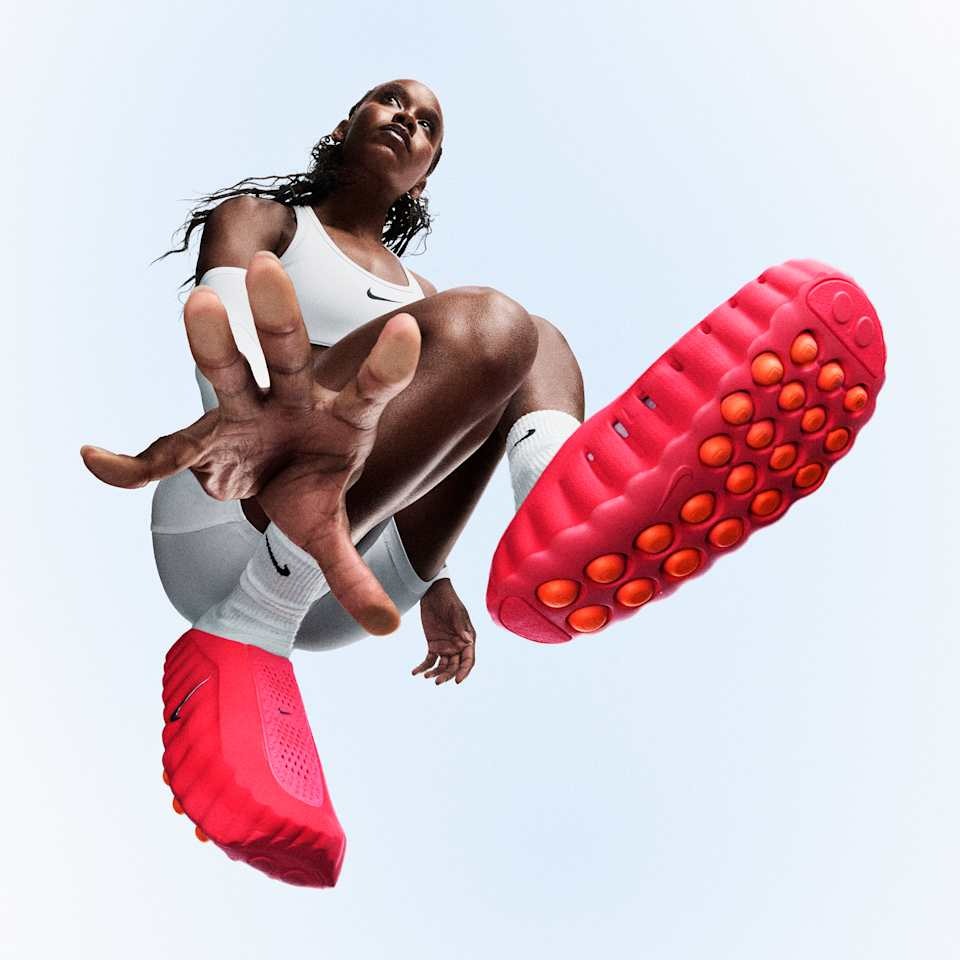
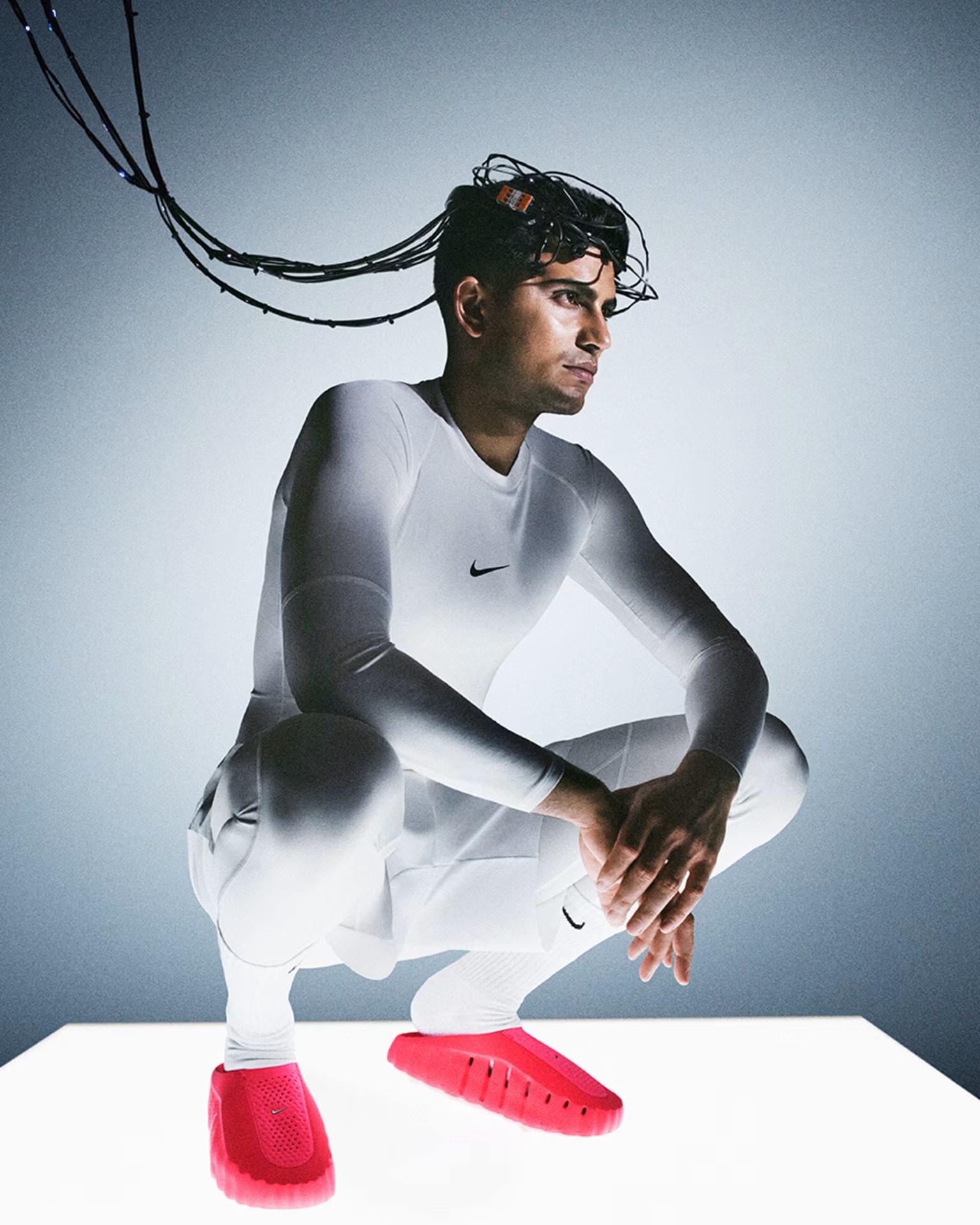
The Mind 001 has strong visual resolution. The proportions are settled. The sole and upper read as a coherent pair. The sole mass is proportionate to the upper's simplicity, and neither element competes with the other.
Colour handling is deliberate. Tonal colourways reduce visual noise to near zero, reinforcing the product's stated purpose. High-contrast colourways introduce more presence, which is less consistent with the decompression framing but commercially understandable.
The product does not overclaim visually. It does not borrow the visual language of technical training footwear. It reads as what it is: a simple, considered mule with a clear material story and a settled form. That visual coherence contributes to the product's credibility as a recovery object. An item that looks calm supports the claim that it functions calmly.
Science or fiction?
The recovery claim is not fiction, but it is precise in ways that Nike's marketing does not always make explicit.
What Nike is describing, beneath the language about brain activation and mental readiness, is the stimulation of plantar mechanoreceptors. The sole of the foot is genuinely dense with them. These receptors transmit pressure and movement signals to the somatosensory cortex, and there is established research linking plantar stimulation to improvements in balance, proprioception, and postural control. The mechanism Nike is invoking is real and understood. The 22 foam nodes in the Mind 001 sole are designed to activate these receptors, and in that narrow sense the product has a defensible physiological basis. Nike claims this activation has been "scientifically shown" to improve focus and mental readiness, but that specific claim rests on internal research that had not been independently published at the time of the product's launch. Independent expert commentary has noted that there is little evidence passive underfoot stimulation improves concentration in healthy adults. The mechanism is real. The performance claim built on top of it is not yet demonstrated.
The Mind 001 does not accelerate physiological recovery in any meaningful clinical sense. The more honest version of the claim operates at a softer scale: the nodes stimulate a sensory system that influences proprioception and body awareness, and that stimulation may contribute to a feeling of groundedness or presence. Whether that feeling translates to improved athletic performance is a different and unanswered question.
That narrower claim, designed absence and sensory engagement rather than performance enhancement, is well-supported by the product. The design decisions are coherent with it. The material is honest about what it is. The form does not overclaim. The interaction is as frictionless as a mule can be.
What the product does well is design for a specific moment rather than a general use case. That specificity is its design strength. The science, reframed correctly, is less about recovery chemistry and more about environment and attention management. For that brief, the Mind 001 holds up.
Final thoughts
The Mind 001 does not overclaim through its design. It makes a narrow argument and the object supports it. The science framing is soft, but the brief is real: a single-purpose product for a specific transitional moment, built with enough restraint to stay out of the way. That is a harder thing to design than it looks.