Dyson PencilVac Fluffycones - How thin is too thin?
- 13 Feb 2026
- 13 Feb 2026
- 11 min
Dyson has built dramatic objects before, and the PencilVac is plainly one of them. At 38mm across it is the slimmest vacuum the company has made, and the slimness is the whole pitch. It all but vanishes between uses. It lifts like nothing. It slides under sofas and into gaps that stop an ordinary vacuum dead. Reduction is the selling point here, the same way thinness sold the phones and laptops it so clearly takes after.
But a vacuum is not a phone. It is not there to be carried or admired. It is there to clean, and cleaning punishes compromise in a way that pocketability never does. So the question worth asking is not whether the PencilVac is impressive, because it plainly is. The question is whether all that shrinking still serves the job, or whether, somewhere along the way, making the thing smaller starts quietly taking from the one task it exists to do.

What Dyson is claiming
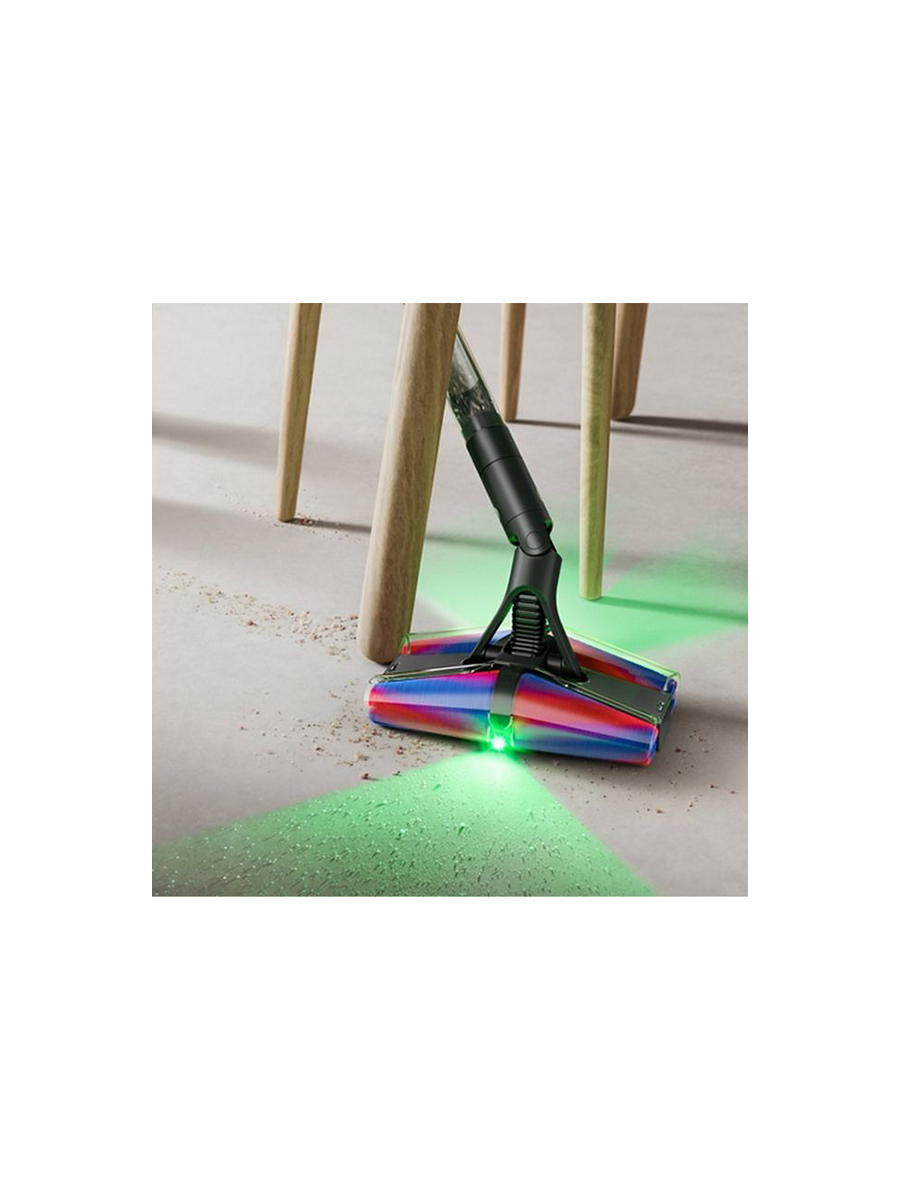
The PencilVac is built around a single number. At 38mm in diameter, the body is no wider than the handle you hold it by, which Dyson rates as the slimmest in the cordless market. The motor that normally sits in a separate barrel has been shrunk to fit inside the handle itself. Everything else follows from that one move: 1.8kg in the hand, a body that flattens to 95mm to slip under furniture, a head that spins on the spot and cleans right up to the skirting.
The claim is that all this reduction is not a compromise but a capability. A vacuum that disappears between uses, weighs almost nothing, and reaches where bigger machines cannot is doing something they simply can't. Smaller, in this story, is the whole point.
On paper it holds together. The real question is whether every one of those reductions actually serves the cleaning, or whether some of them quietly work against it.
Clarity of purpose
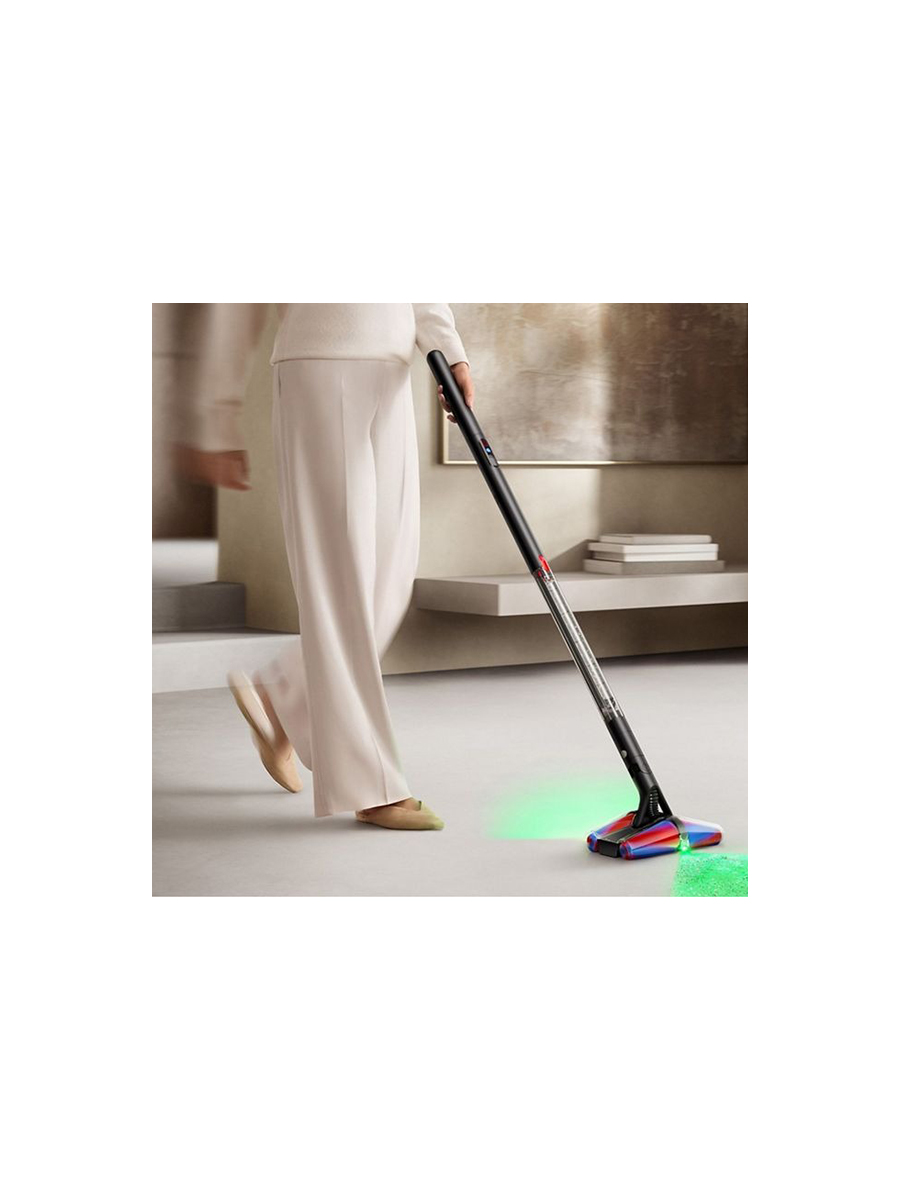
Dyson is refreshingly direct about one half of what the PencilVac is for, and much quieter about the other. Ask it plainly whether it cleans carpet and the answer is no: it is built for hard floors only. That is a clear statement of role, and a rarer thing than it sounds. This is a hard-floor machine, made for the quick, frequent cleaning that hard floors invite, where dust and hair collect at the edges and under furniture rather than burying themselves in pile.
Read that way, the purpose is obvious and the design follows it exactly. Quick passes over wood, tile and stone. Not a weekly deep clean of a whole house.
Where the clarity thins is in how the product is sold around that role. Price it at a premium, call it Dyson's most advanced engineering, photograph it as the only vacuum a home might need, and you invite an expectation the specification itself turns down. The cleaning head knows exactly what it is for. The marketing is less keen to say it out loud.
Intentional design decisions
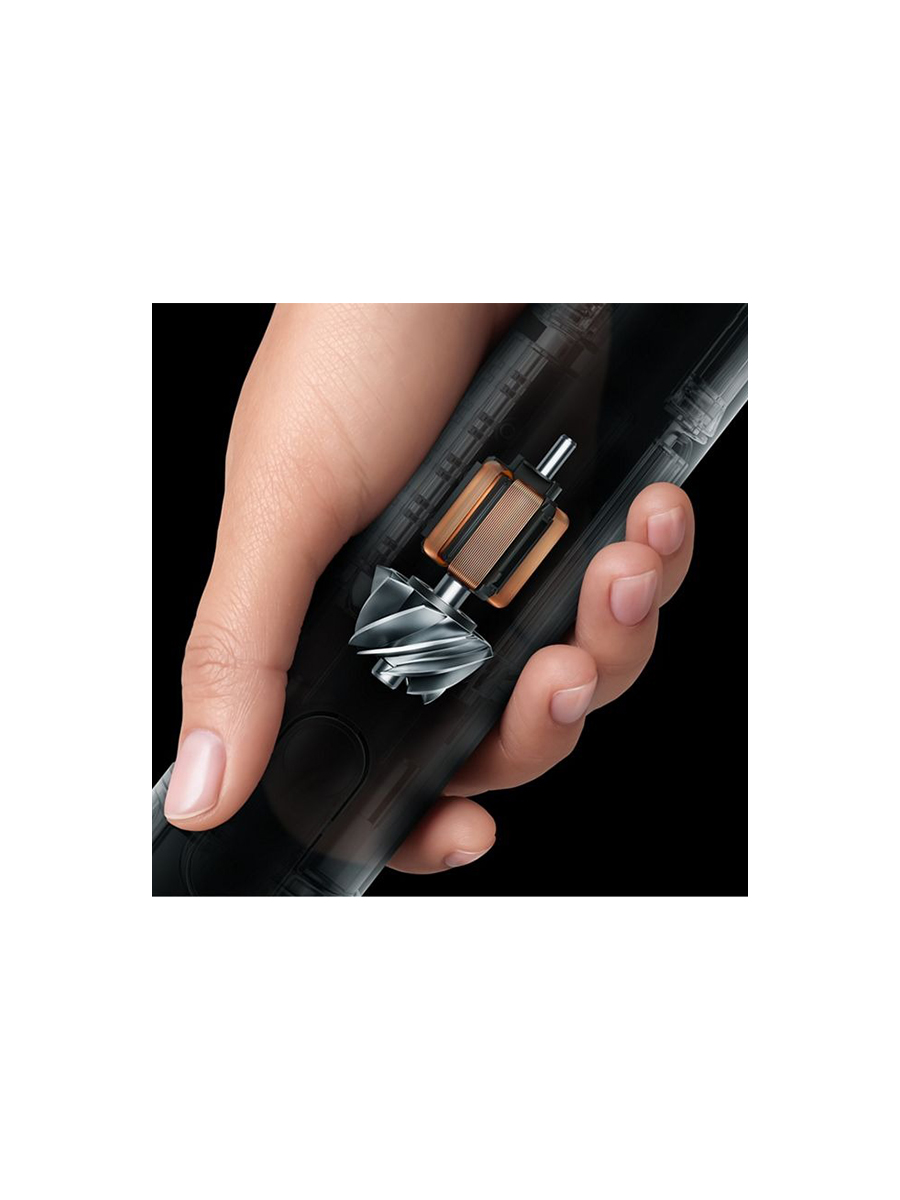
The decisions that define the PencilVac are genuinely clever, and they line up with the hard-floor brief rather than being bolted on after it. Fitting the Hyperdymium motor, which spins at up to 140,000rpm, inside a 38mm handle is what lets the whole machine take its pencil shape and lie flat under furniture most cordless vacuums cannot get near. The form is a result of the engineering, not a costume thrown over it.
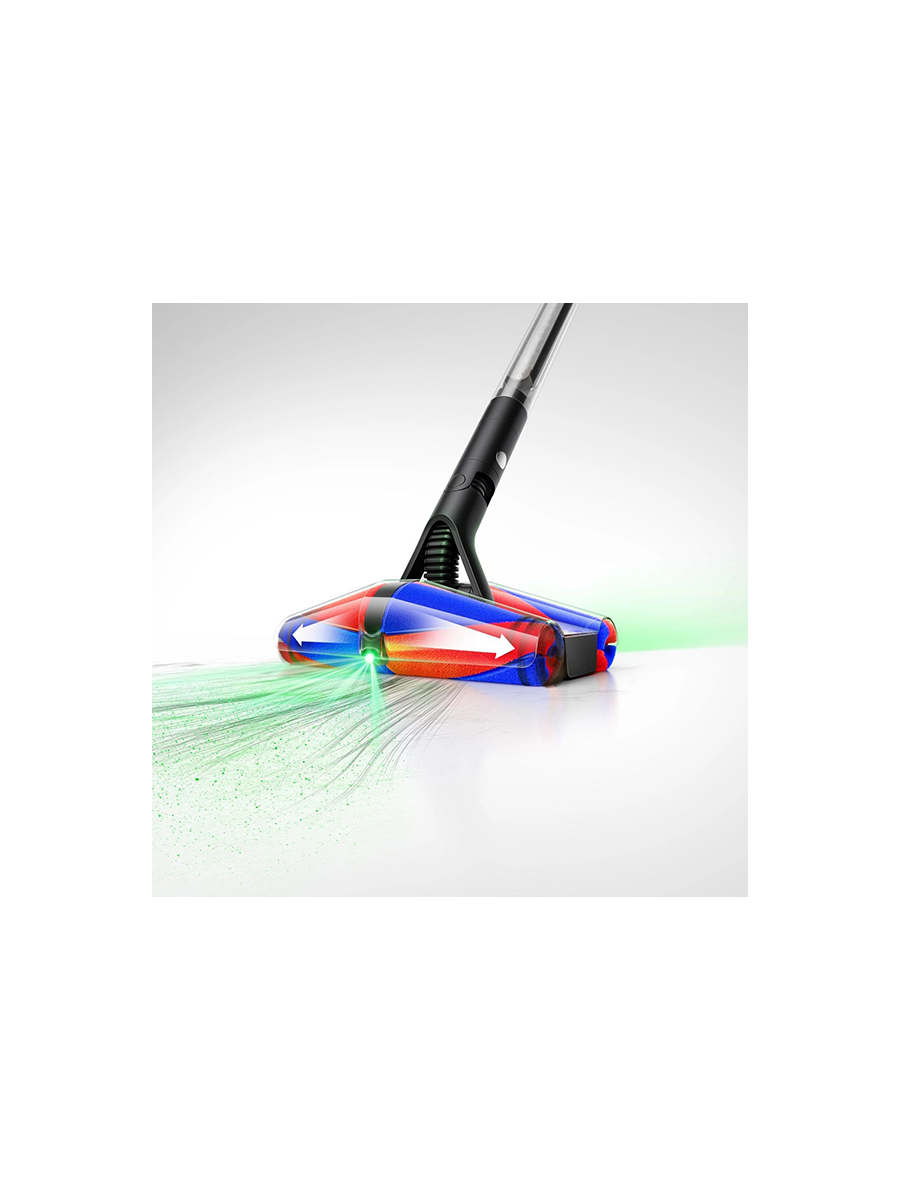
The Fluffycones head is the clearest case of a problem actually solved. Four cone-shaped brush bars, set in two counter-rotating pairs, are angled so that hair travels to their narrow tips and spins off into a ball the head can then lift away. Hair wrapping around the roller is the failure that ruins almost every powered head over time, and the cones take it on directly. The lasers front and back, lighting up dust on both the push and the pull, earn their place too. They are not there for show.
The lack of carpet ability belongs in the same column. A soft head and a slim airway tuned for fine dust on hard floors were never going to double as a deep-pile carpet tool. The missing function is the price of the specialism, not a mistake. The limitation and the purpose are the same choice, seen from two sides.
Functional efficiency
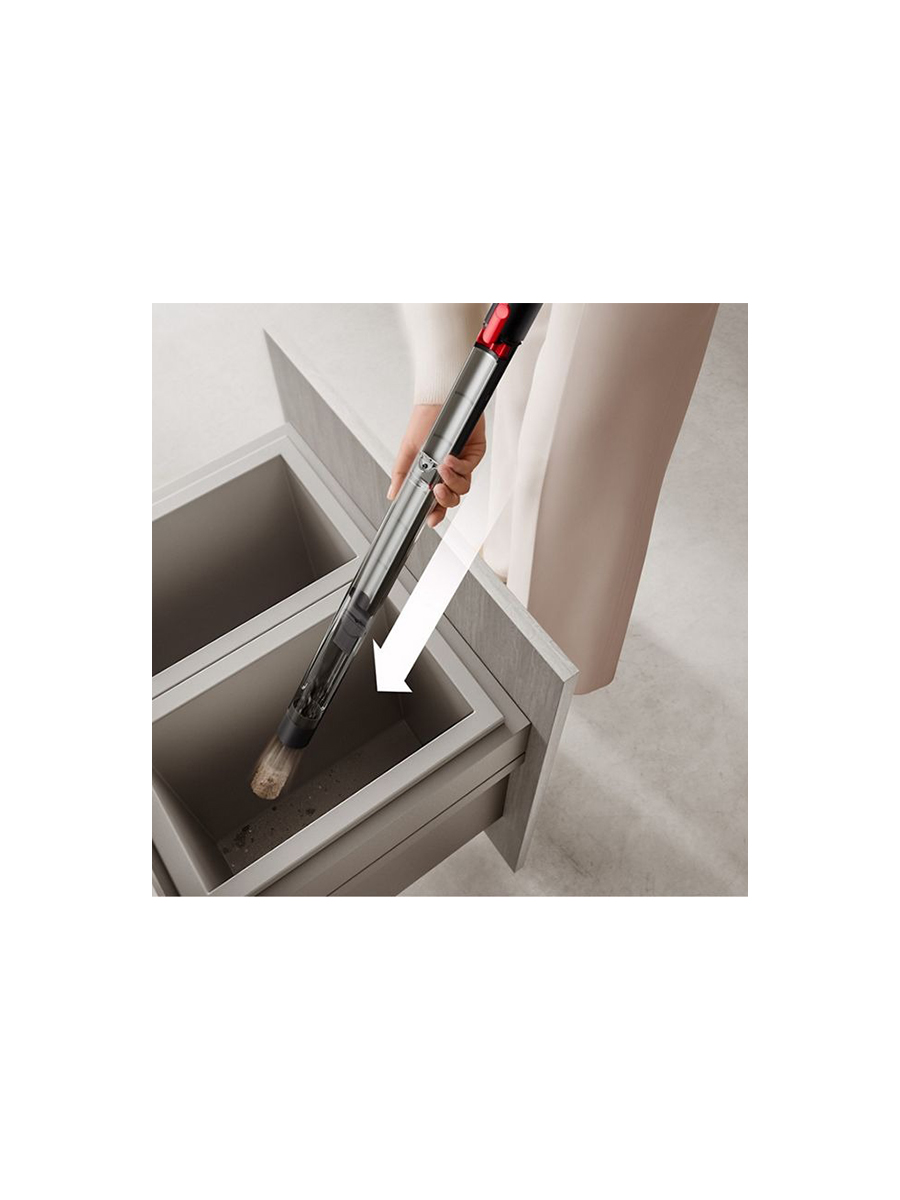
This is where the shape meets the floor, and where the trade-offs stop being abstract. The bin holds 0.08 litres. Dyson says its air-compression system packs in roughly five times that by crushing the dust as it separates, but the starting point is small enough that a properly dusty floor will have you back at the bin more often than a bigger machine would. Run time is rated at up to thirty minutes, though independent testing has clocked under ten at full power. The swappable battery is sold as a convenience, and it is one. It is also a quiet admission: the real fix for a short runtime is to keep a second battery charged.
The slim airway carries a subtler cost. One reviewer found that cereal-sized debris jammed the narrow tube, the sort of thing a wider machine would have swallowed without a second thought. That is the form not just limiting the function but getting in its way. On carpet, where the head was never meant to go, it stalls rather than struggles.
None of this makes it a bad vacuum. It makes it a narrow one. There is a band where it is genuinely excellent: fine dust and hair, hard floors, short bursts. Outside that band sit all the jobs it was never built for. So how often does a real home actually stay inside it? That is what the whole question of efficiency turns on.
Material honesty
The materials are honest enough. Plastic over metal, finished to the standard the price implies, not pretending to be anything fancier. But the more interesting honesty question here is not about the shell. It is about the word slim, and whether it tells the truth about the whole setup rather than just the wand.
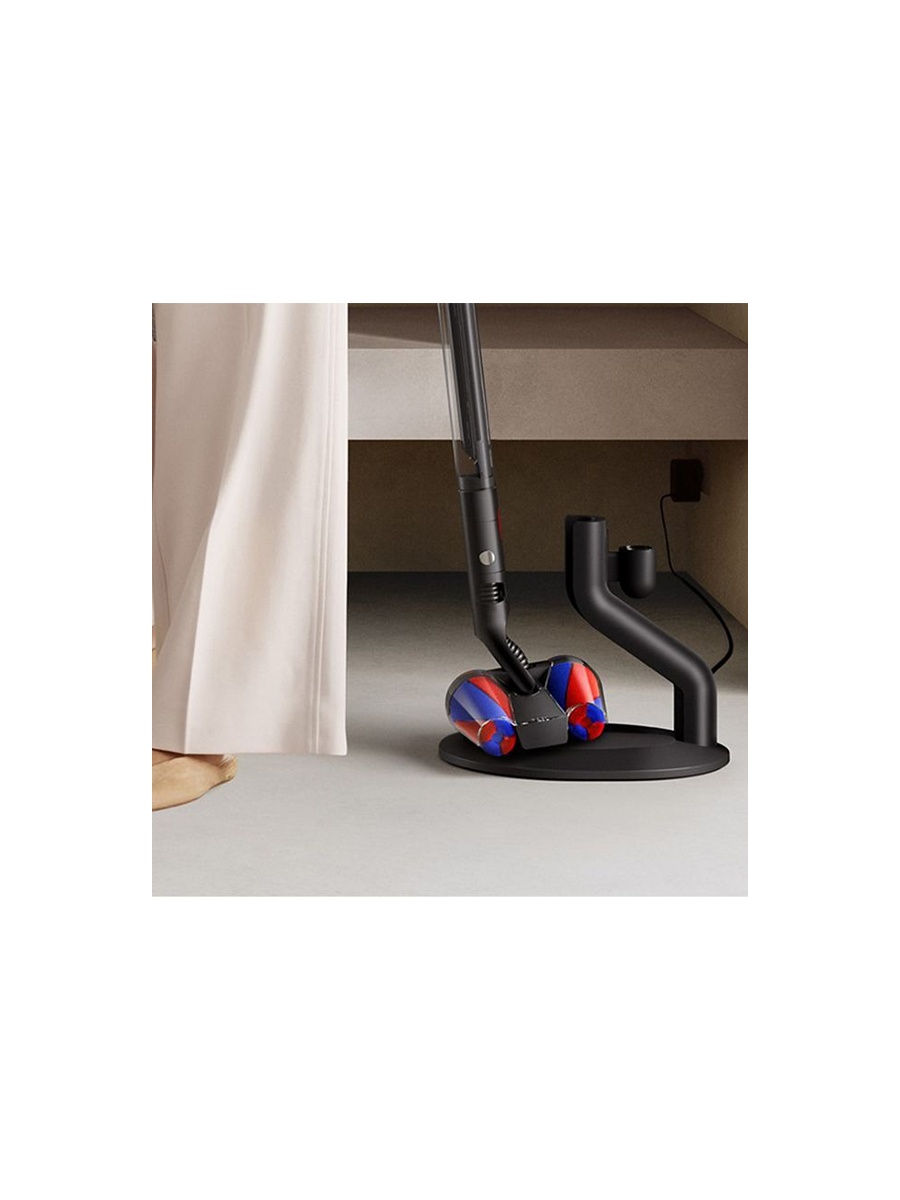
The machine only charges on a floor-standing dock that needs about a square foot of space and cannot go on a wall. You stretch the runtime by buying and storing a spare battery. Put it all together and the system quietly takes back some of the floor the wand so visibly saves. A thing designed to disappear still needs a fixed patch of floor to live on. Is that dishonest? Not really. But it is the part of the story the headline number invites you to skip past.
The 38mm figure is true. It is just not the whole truth about how much room the PencilVac takes up once it actually moves into your home.
Visual resolution
As an object, the PencilVac is beautifully resolved. The proportions feel settled, the form reads as a deliberate stance rather than a shrunk-down version of something bigger, and the reduction has real conviction. Nothing looks cut just to look minimal. The pencil silhouette holds together from every angle, which is much harder than it sounds when the entire idea is doing more with less.
The small touches pull in the same direction. The dock the wand drops onto magnetically, the little screen on the handle showing the power mode and time left, the lasers that turn invisible dust into something you can actually see. All of it feels considered rather than piled on. This is where the PencilVac is at its most convincing. As a piece of design, it is hard not to admire.
Visual resolution is not in doubt here. The object looks every bit as resolved as the engineering inside it. The harder questions live somewhere else: in what this lovely, slender thing can and cannot be asked to do.
How thin is too thin?
The reduction is real engineering, not styling. The motor in the handle, the hair-shedding cones, the edge-to-edge reach are genuine steps forward, and they all gather around a clear idea of what the machine is for. For the right home, this is a lovely thing to own. Hard floors throughout, not much storage, hair as the daily annoyance, a preference for short frequent cleans over the occasional big one. Tick those boxes and the trade-offs stop feeling like sacrifices and start feeling like the point. A small bin and a short runtime barely register when the cleans are quick and the floor is wood.
So the thinness itself is not really the problem. The PencilVac is thin enough to be brilliant at one job, and thin enough that it can only ever be that one job. The smaller bin, the shorter runtime, the narrower range of surfaces are not failures of execution. They are what the shape costs, and for the most part the object is upfront about them.
The strain is in the positioning. At around £430 it sits next to more versatile cordless machines that will also take on carpet and a longer clean, and Dyson's framing nudges you to expect a main vacuum rather than a clever second one. The object is honest about what it is. The marketing is less consistent about how narrow that is. So the whole decision really comes down to one question: is your home the narrow one this design quietly assumes? Get that right, and very thin turns out to be exactly thin enough. Get it wrong, and no amount of engineering will close the gap the form has chosen to leave open.
Final thoughts
The PencilVac is a genuinely resolved object built around a genuinely narrow job. The engineering that makes it slim is real, the hair-shedding head cracks a problem most vacuums never manage, and for a hard-floor home with little storage it is close to ideal. The things it gives up are mostly the honest price of the shape, not signs that something has gone wrong.
What it asks of you is clarity. This is a precise tool for one kind of cleaning, sold and priced as though it were rather more. The thinness is not the question. The question is whether the home it is heading to is the narrow one the design assumes, and whether you are buying it for what it really is rather than for how little space it seems to take. Answer that honestly, and you have answered the only thing that matters.