

iPhone 17 Pro / Apple
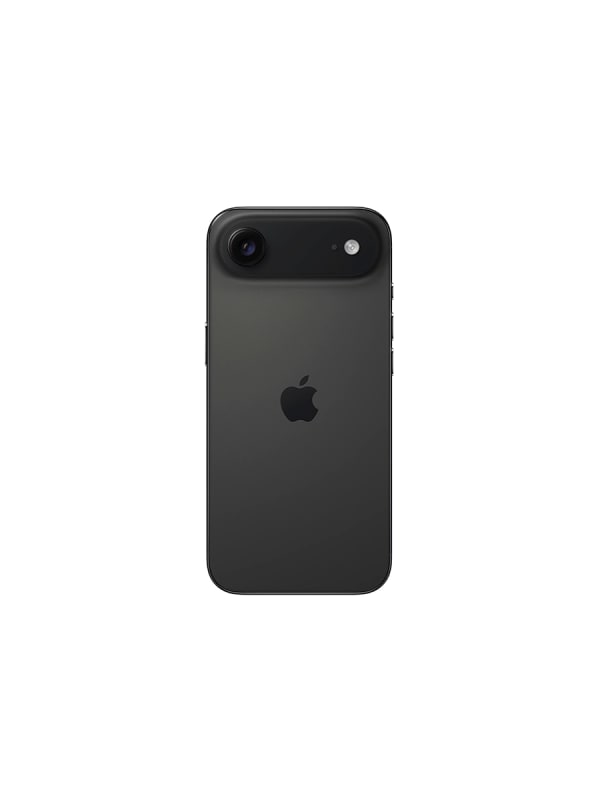
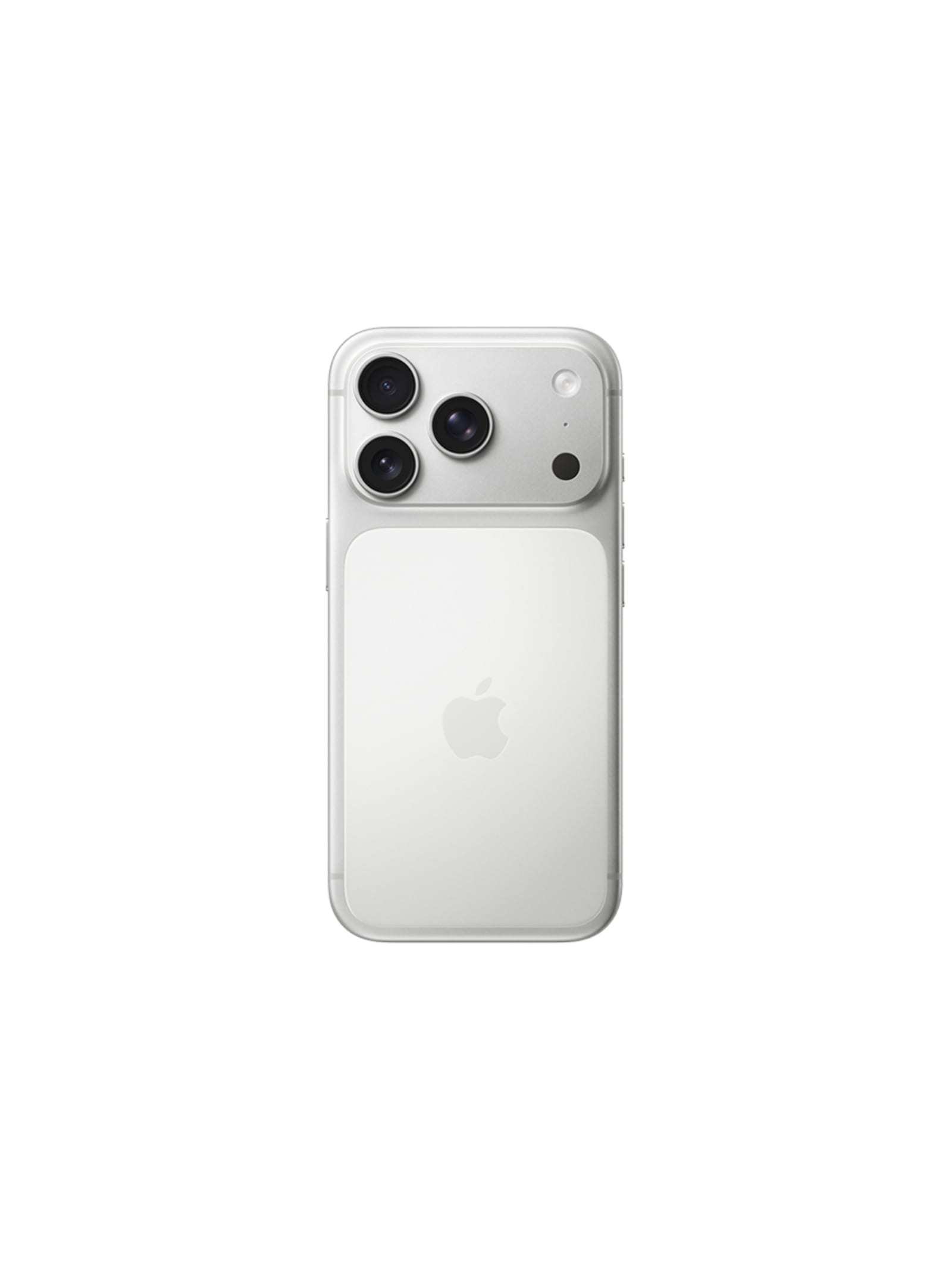
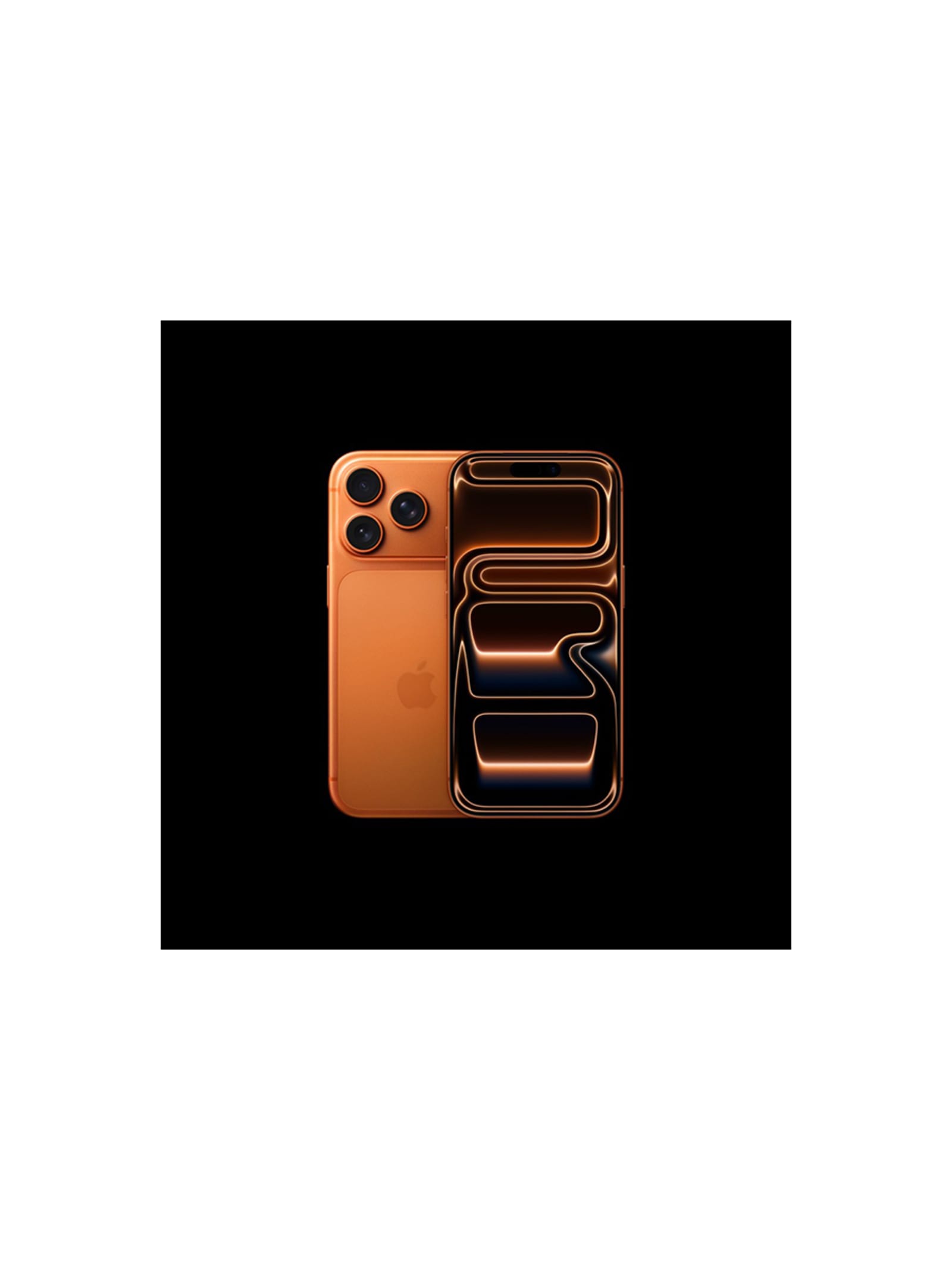
The iPhone 17 Pro is Apple's most substantial Pro redesign in years, and the change is driven by heat. After two generations of titanium, Apple reverted to a heat-forged aluminium unibody, choosing the metal for a thermal conductivity it rates at roughly twenty times titanium's, then laser-welded a vapour chamber of deionised water into the chassis to pull heat off the A19 Pro chip, for up to 40% better sustained performance. A redesigned camera plateau spans the back, carrying the first all-48-megapixel triple system, its telephoto reaching 8x optical-quality zoom, above a 6.3-inch 120Hz display at 3000 nits. It suits the photographer, gamer or power user who wants the most capable iPhone and treats the camera and sustained performance as the point, accepting the maximal size, weight and price that come with it.
Design intent
- +The defining decision is thermal: Apple abandoned the titanium of the previous two Pro generations for a heat-forged aluminium unibody and a laser-welded vapour chamber, prioritising a metal that conducts heat far better so the A19 Pro chip can sustain its peak performance instead of throttling.
- +Moving every rear lens to 48 megapixels, including the new tetraprism telephoto, makes the camera system the Pro's central argument: one consistent sensor resolution across main, ultra-wide and an 8x optical-quality zoom, rather than a strong main camera flanked by weaker companions.
Trade-offs
- -The aluminium that conducts heat so well is softer and more prone to visible scuffing and anodisation wear than the titanium or steel it replaces, so the frame trades long-term cosmetic resilience for thermal gain, and a glass back panel is still required for wireless charging despite the unibody framing.
- -It is a large, heavy and expensive device whose headline advances, sustained performance and an 8x telephoto, matter most to a minority of demanding users; for everyday use much of the Pro's capability sits unused, which is the cost of buying the maximal model.
Featured in / Collections
View allFeatured in / Editorials
View allRelated products
The iPhone 17 Pro is Apple's most substantial Pro redesign in years, and the change is driven by heat. After two generations of titanium, Apple reverted to a heat-forged aluminium unibody, choosing the metal for a thermal conductivity it rates at roughly twenty times titanium's, then laser-welded a vapour chamber of deionised water into the chassis to pull heat off the A19 Pro chip, for up to 40% better sustained performance. A redesigned camera plateau spans the back, carrying the first all-48-megapixel triple system, its telephoto reaching 8x optical-quality zoom, above a 6.3-inch 120Hz display at 3000 nits. It suits the photographer, gamer or power user who wants the most capable iPhone and treats the camera and sustained performance as the point, accepting the maximal size, weight and price that come with it.
Design intent
- +The defining decision is thermal: Apple abandoned the titanium of the previous two Pro generations for a heat-forged aluminium unibody and a laser-welded vapour chamber, prioritising a metal that conducts heat far better so the A19 Pro chip can sustain its peak performance instead of throttling.
- +Moving every rear lens to 48 megapixels, including the new tetraprism telephoto, makes the camera system the Pro's central argument: one consistent sensor resolution across main, ultra-wide and an 8x optical-quality zoom, rather than a strong main camera flanked by weaker companions.
Trade-offs
- -The aluminium that conducts heat so well is softer and more prone to visible scuffing and anodisation wear than the titanium or steel it replaces, so the frame trades long-term cosmetic resilience for thermal gain, and a glass back panel is still required for wireless charging despite the unibody framing.
- -It is a large, heavy and expensive device whose headline advances, sustained performance and an 8x telephoto, matter most to a minority of demanding users; for everyday use much of the Pro's capability sits unused, which is the cost of buying the maximal model.