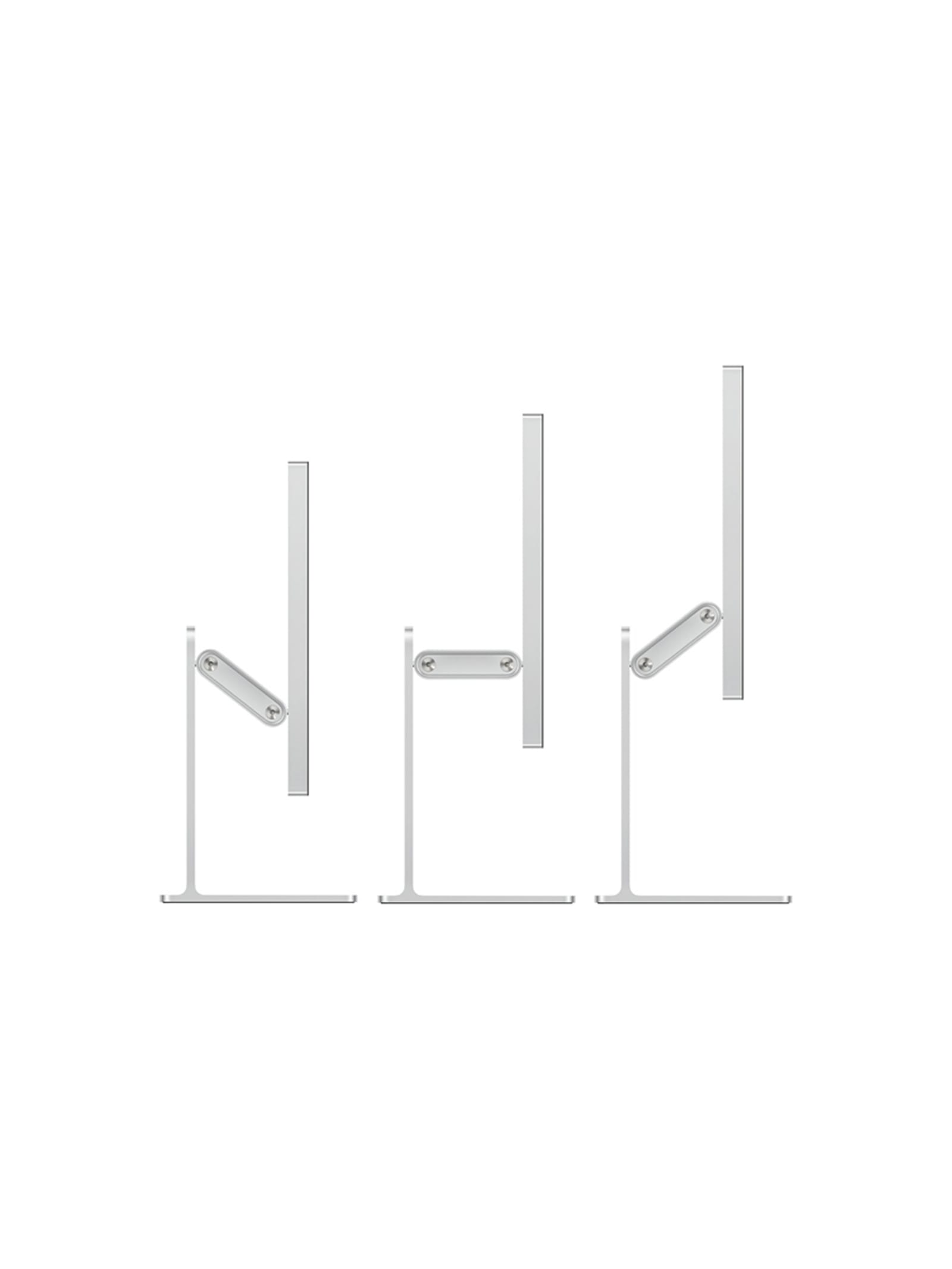


Studio Display XDR / Apple
/ / /
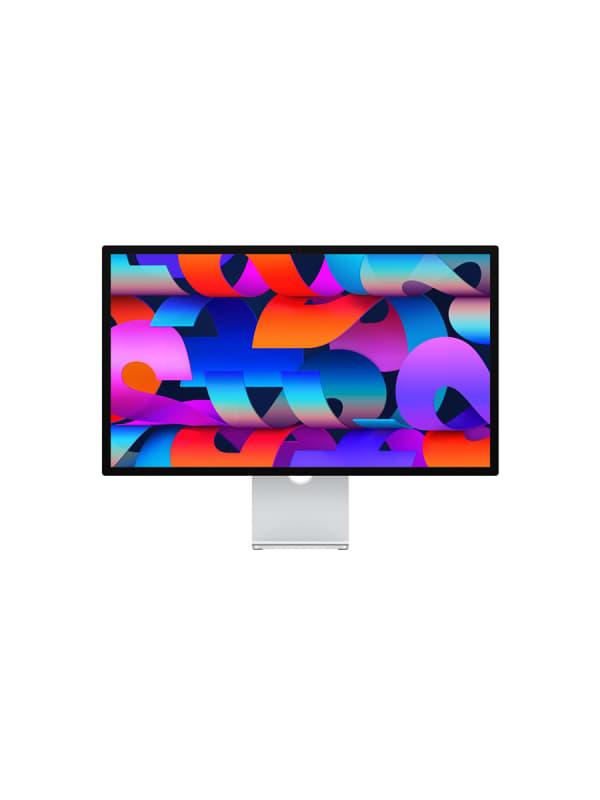
The Studio Display XDR is the reference-grade half of Apple's monitor pair: the same sealed aluminium body as the standard Studio Display, transformed by the panel behind it. A mini-LED backlight with 2,304 local dimming zones drives 1000 nits full-screen, 2000 nits peak in HDR and a million-to-one contrast ratio, with 120Hz refresh and Adobe RGB alongside P3 and colour reference modes for print, film and photography. Where the standard model stops at 60Hz SDR 5K, this is built for colour-critical work. It keeps the integrated 12-megapixel camera, six-speaker array and microphones the bare Pro Display XDR it replaces never had, with an A19 Pro chip and 140W laptop charging behind it. It suits the photo, video or design professional who needs a calibrated reference screen with camera and audio built in, and can justify more than double the standard model's price.
Design intent
- The defining decision is to fold pro-grade reference performance into the integrated Studio Display body: a mini-LED panel with over two thousand dimming zones, 2000-nit HDR, 120Hz and Adobe RGB reference modes deliver the calibrated accuracy and motion the standard 60Hz model cannot, without abandoning the clean single-enclosure form.
- Where the Pro Display XDR it succeeds was a bare panel, this keeps the camera, six-speaker system and microphone array inside the same aluminium shell, so a colour-critical reference monitor also handles calls and audio rather than needing separate hardware around it.
Trade-offs
- It costs more than double the standard Studio Display and is visually identical to it, so the entire difference, the mini-LED panel, brightness, refresh rate and colour gamut, is invisible until the screen is switched on, which makes the value hard to read at a glance.
- Its full capability, the reference modes and highest charging output, is realised on an Apple-silicon Mac, and even a strong mini-LED backlight can show faint blooming around bright objects on dark backgrounds, the one artefact a true per-pixel OLED avoids.
- Source
- Year
- Category
- /
- Colour
- Material
- ,
- Indexed
- 2 Apr 2026