

iMac / Apple
/ / /
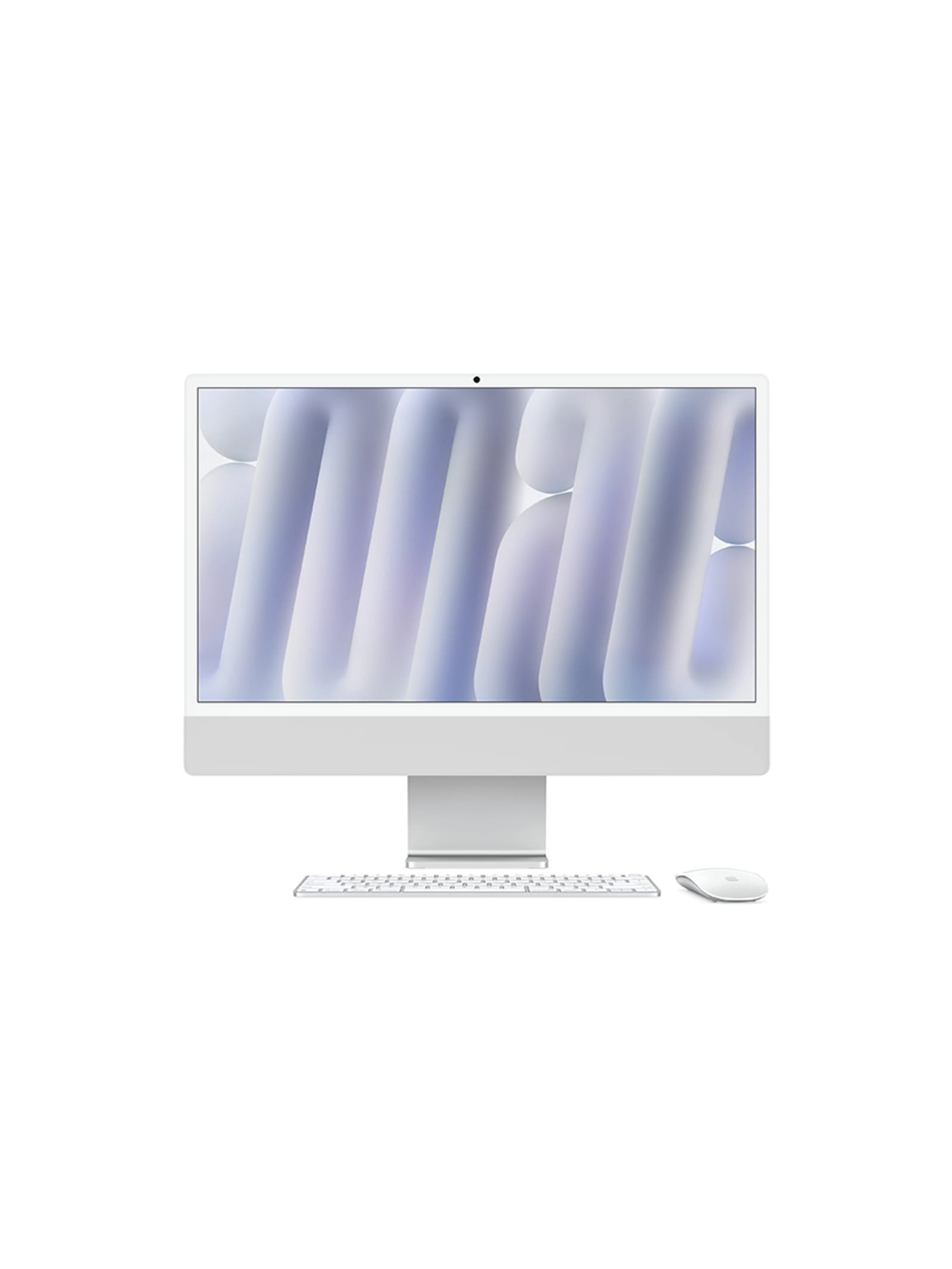
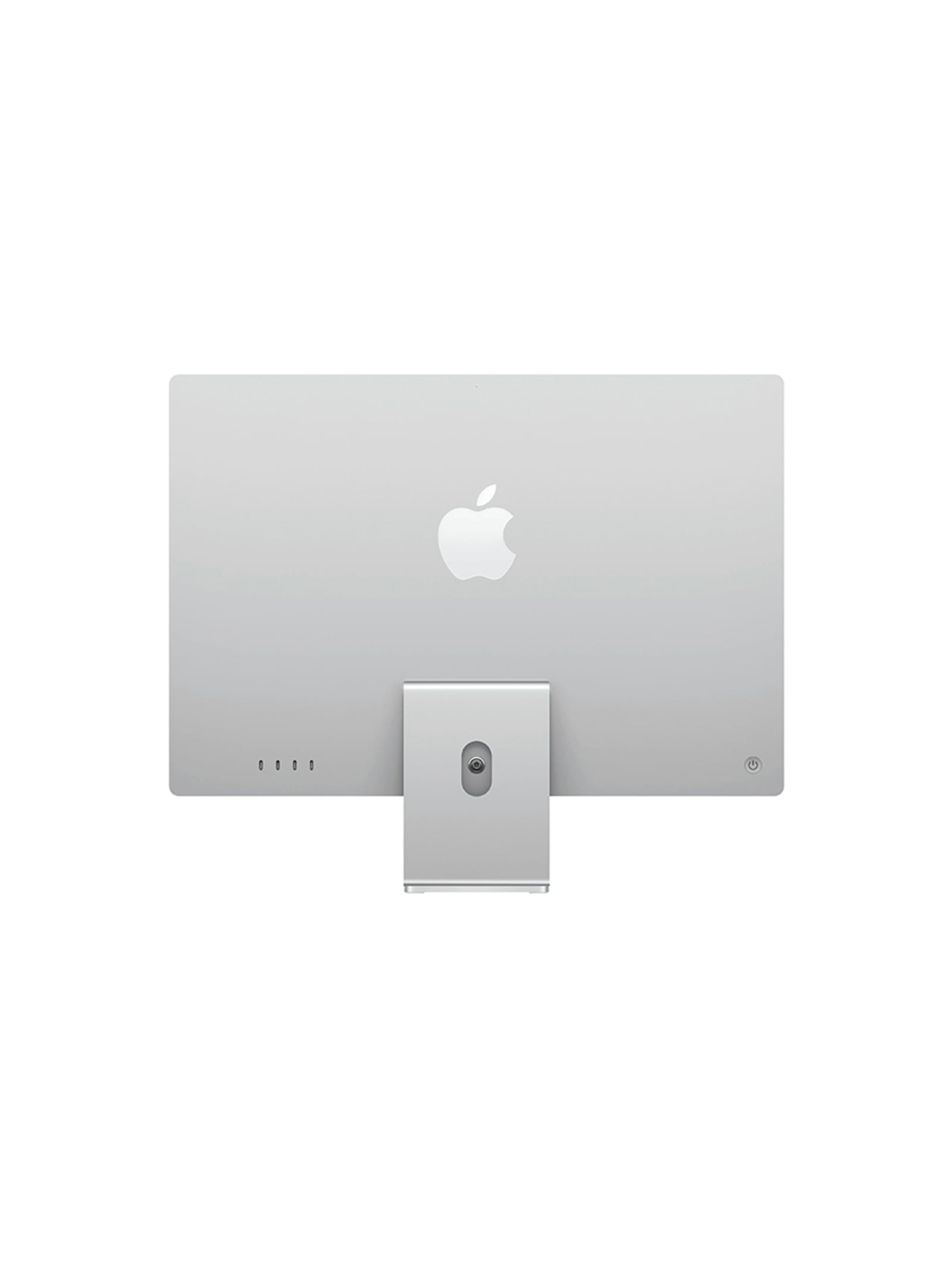
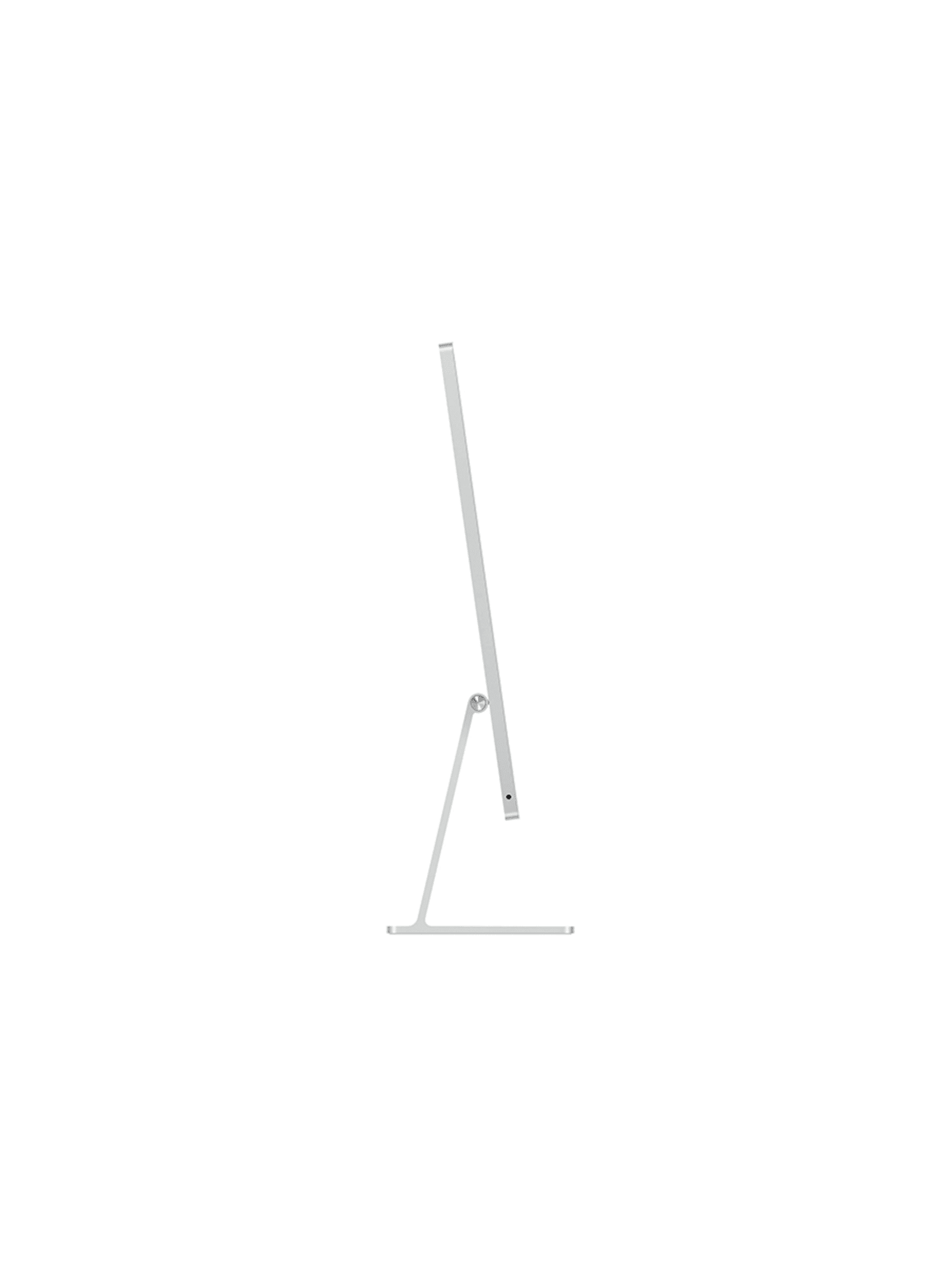
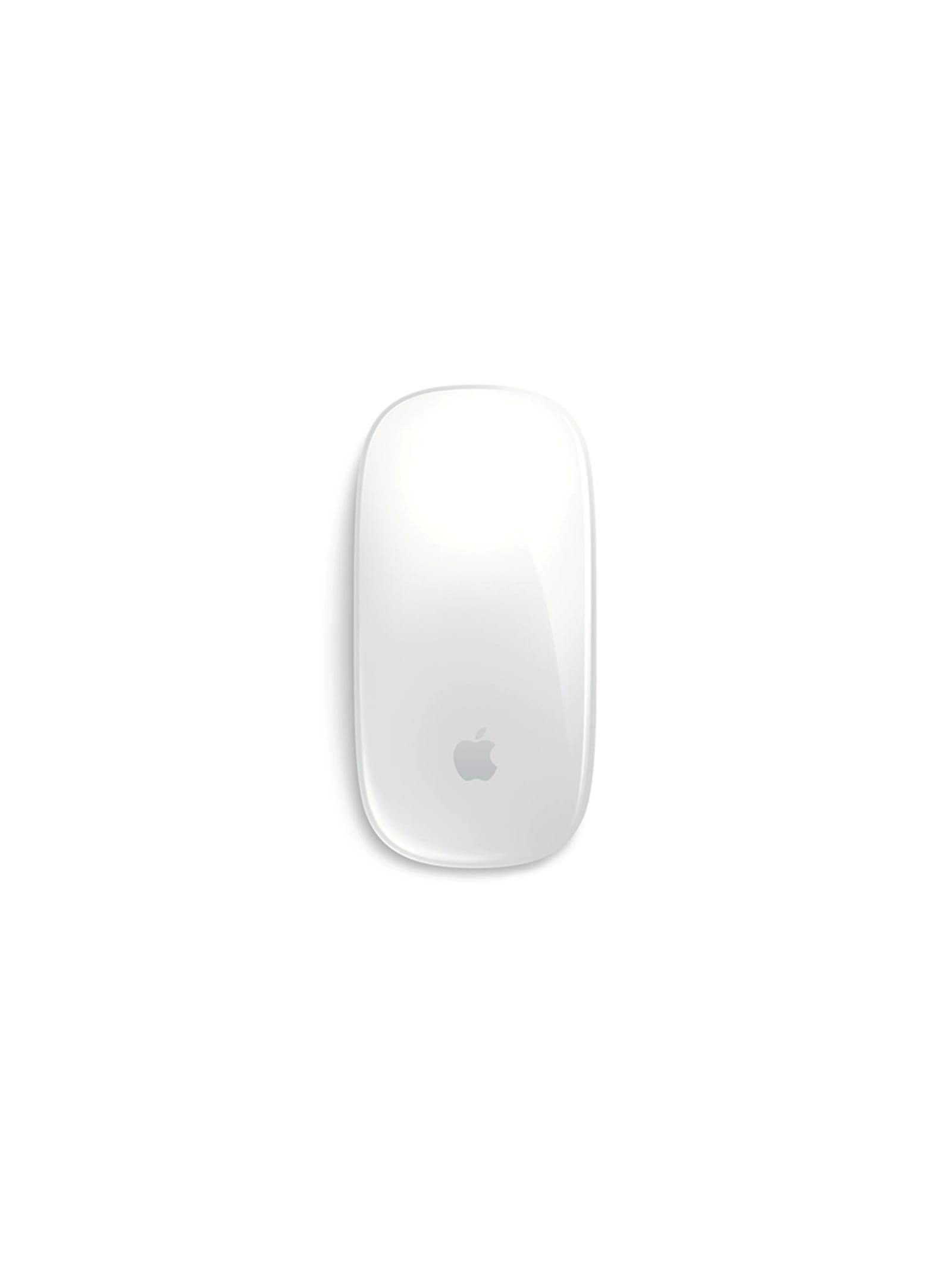
The current iMac reduces a desktop computer to a slab of screen on a thin foot. At its thinnest the body is around 11.5mm, achieved by moving the processor and components down into the chin below the 24-inch 4.5K display rather than stacking them behind it. It comes in seven colours, each anodised in two tones so the front face is a paler version of the saturated rear. A single magnetic cable carries power and data from an external brick, which leaves the desk almost bare. The keyboard, mouse and trackpad are colour-matched, so the whole system reads as one object. The trade is stated plainly in the form: visual calm now, in exchange for a machine that cannot be opened, upgraded or easily repaired.
Design intent
- Pushing the components into the base lets the display sit unusually thin, and treats the computer as a screen you look at rather than a box you look past.
- The colour runs through the whole system, peripherals included, and the two-tone anodising is deliberate: the front face stays calm while the rear commits to the colour.
Trade-offs
- The integrated build forecloses upgrades and makes repair difficult; anyone who needs to change memory, storage or parts over time is buying the wrong machine.
- The thin housing pushes the power supply into a separate brick on the floor, which the clean single-cable desk quietly depends on.
- Source
- Year
- Category
- /
- Colour
- Material
- ,
- Indexed
- 4 Nov 2024