Macbook Neo / Apple
/ / /
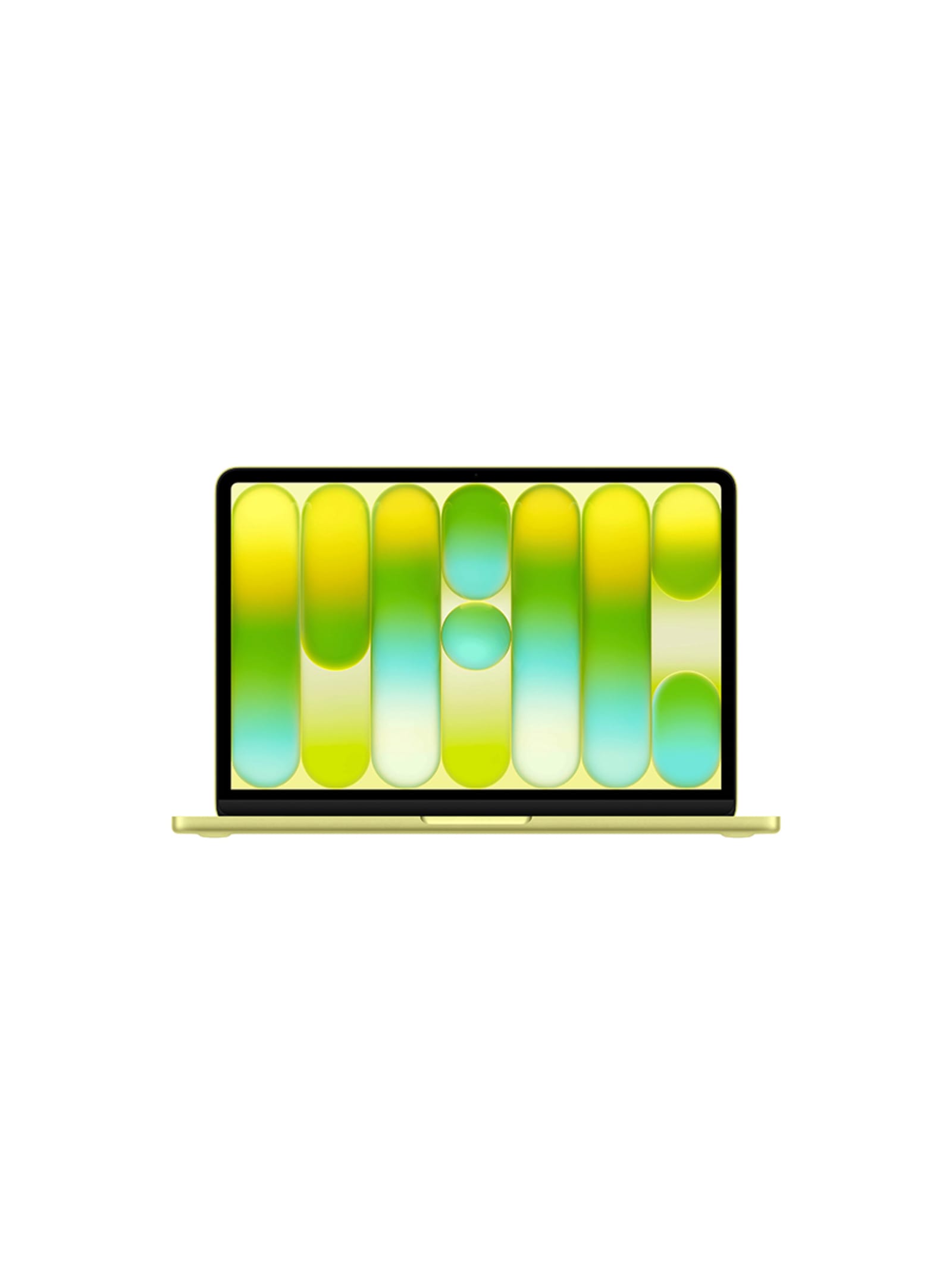
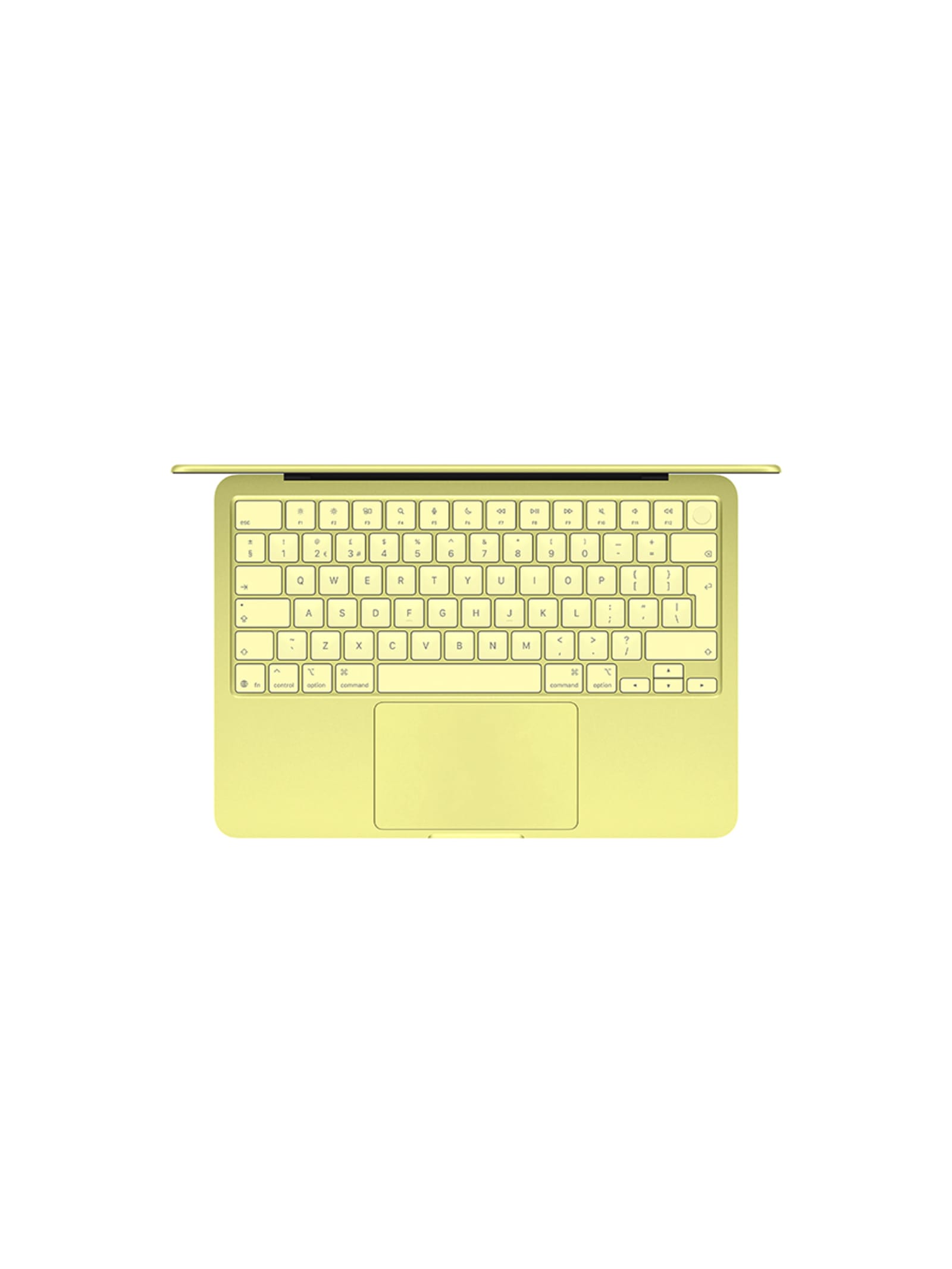
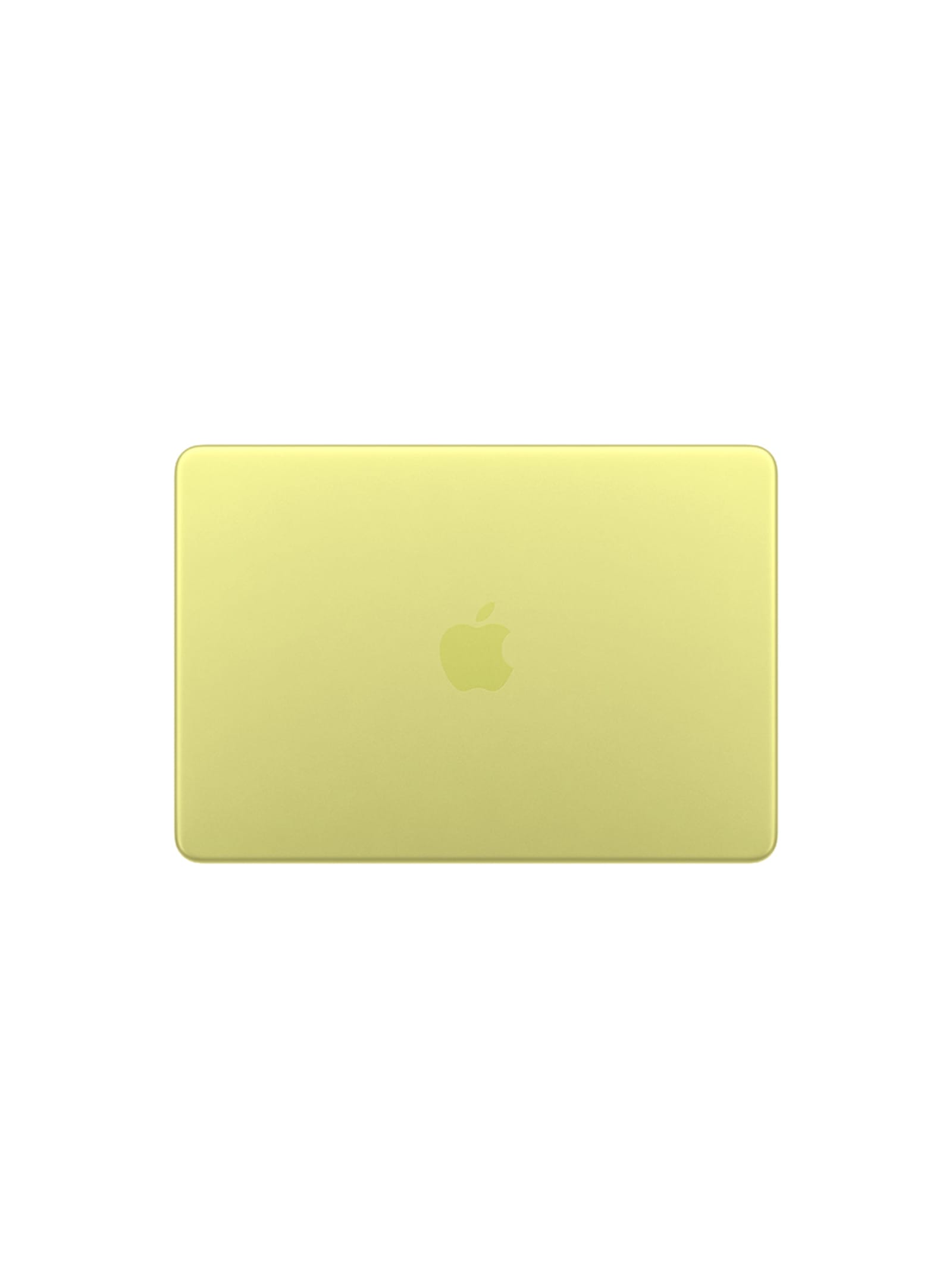
The MacBook Neo is the cheapest laptop Apple has ever made, and the way it reaches £599 is the interesting part. Every other Mac runs M-series silicon; the Neo instead uses the A18 Pro, the same chip as the iPhone 16 Pro, making it the first Mac powered by an iPhone processor. That choice buys genuine efficiency: a fanless, silent 13-inch aluminium machine with a Liquid Retina display and around sixteen hours of battery. It is offered in four colours, silver, indigo, blush and citrus, with Touch ID reserved for the £699 model. The Neo is honest about being entry-level. It is not pretending to be a small Pro; it is a capable, quiet machine for everyday computing at a price the Mac line has never previously occupied.
Design intent
- Using the A18 Pro instead of an M-series chip is a deliberate cost decision that also delivers a fully fanless laptop, since the phone-class processor runs cool enough to need no active cooling.
- The line-up is kept deliberately simple, two storage options and a single memory configuration, which holds the entry price down rather than offering choices most of its buyers would not use.
Trade-offs
- Memory is fixed at 8GB with no upgrade path. Anyone running several demanding apps at once will meet that ceiling within the machine's usable life.
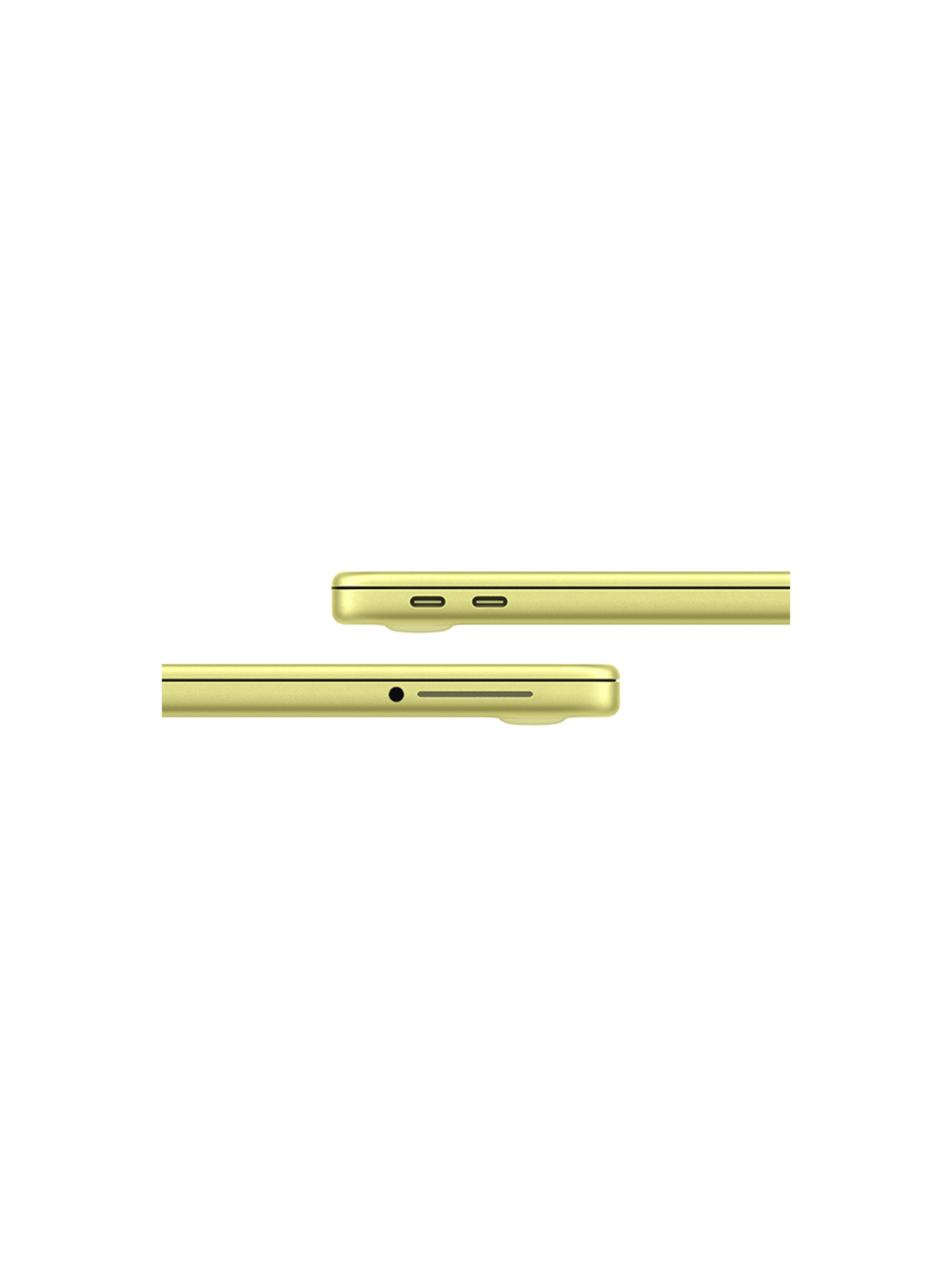
- Connectivity is limited and lacks the Thunderbolt speeds of pricier Macs; fast external storage or high-end display setups are reasons to step up to the MacBook Air.
- Source
- Year
- Category
- /
- Colour
- Material
- Indexed
- 19 Mar 2026