6 Best in Class Multi-Tool Designs 2025
- 24 Jan 2026
- 28 May 2026
- 7 min
This is not a list of the best multi-tools for everyone. It is a list of multi-tools that most clearly express what they are trying to be.
A multi-tool is always a compromise. Space is limited. Weight is felt. Every added function changes the balance. The question is not how many tools are included, but what the design actually prioritises. Constant carry. Mechanical leverage. Modularity. Blade-first utility. Refinement at full scale.
Each tool here represents a distinct design intent, and in each case the constraints are visible. Something has been limited so something else can work better. That clarity is what makes them worth examining.
The aim is not to recommend a single winner. It is to show how different design philosophies solve the same problem in different ways.
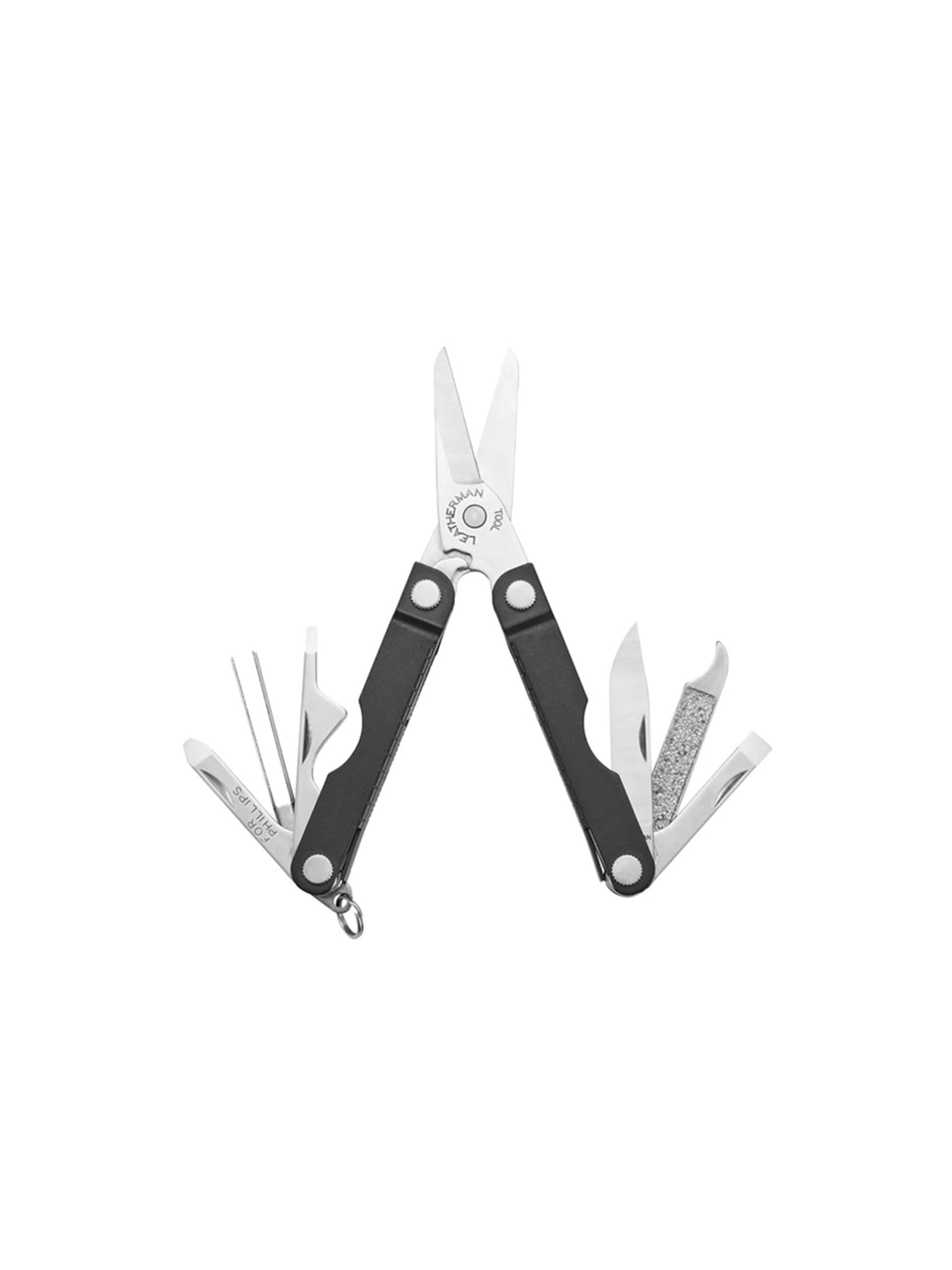
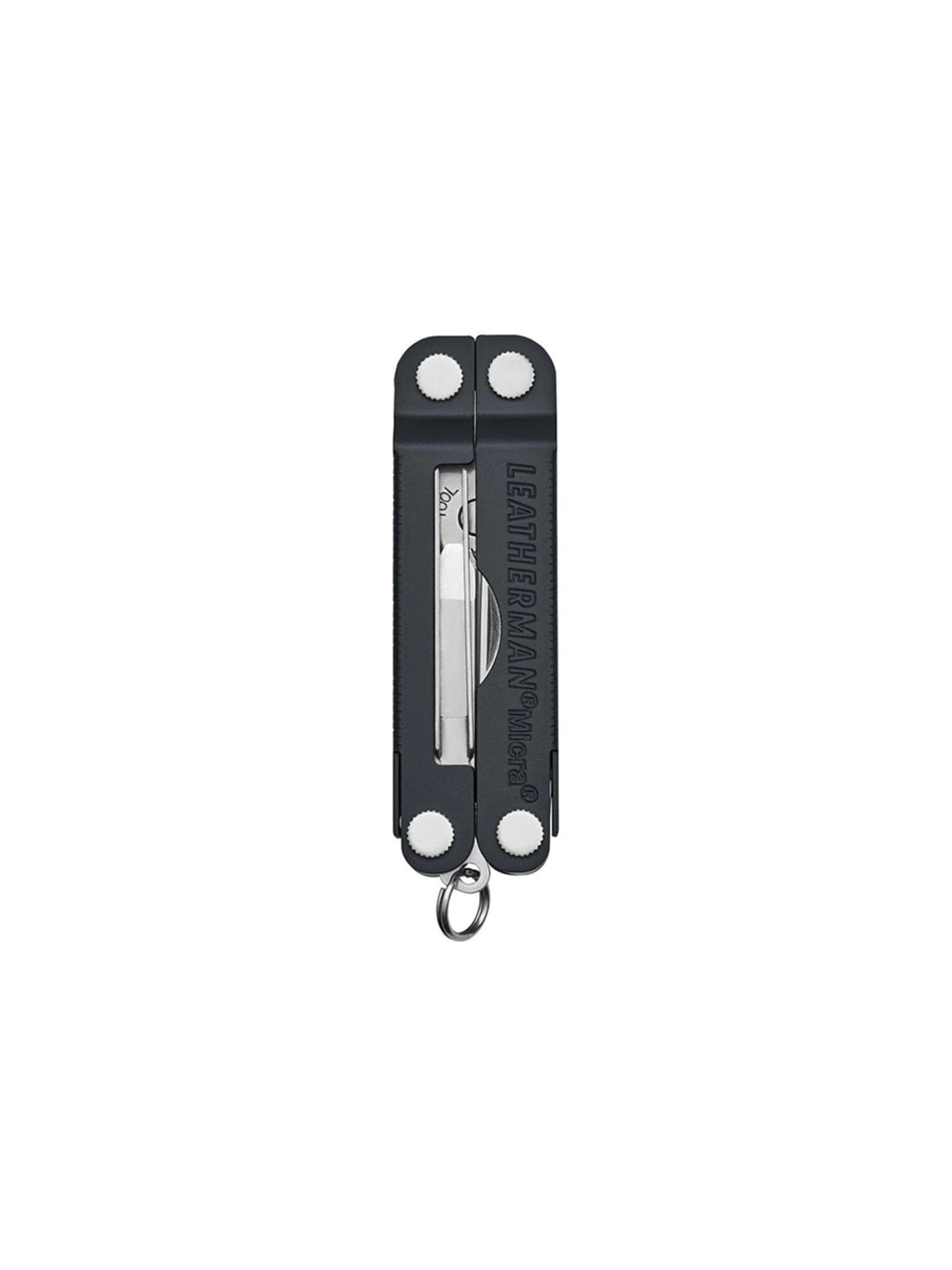
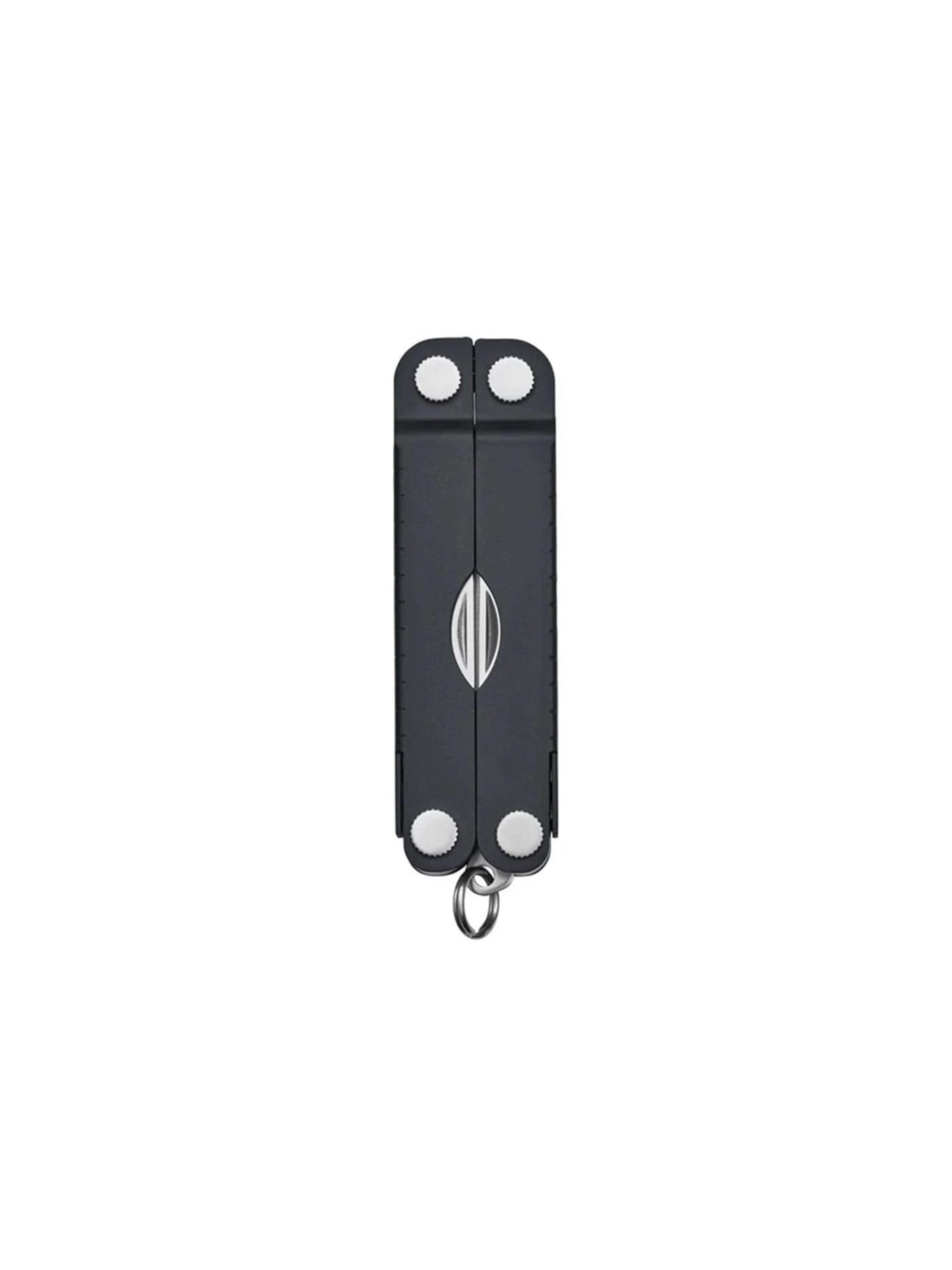
The Micra exists for constant proximity. Its scale makes it easy to ignore until needed, which is the point. Rather than attempting to miniaturise pliers, it centres the design around scissors, a decision that reflects real everyday use. Packaging, thread, tags, light trimming tasks. The blade is secondary, not dominant. Tool density is high for its size, but torque and leverage are naturally limited. That constraint keeps expectations honest. It is not a substitute for a full tool. It is an extension of what you already carry. For a keychain format, the Micra resolves its role cleanly. It does not pretend to be more capable than its size allows. If you want pliers in the same format, the Gerber Dime takes a different approach: butterfly opening, 12 tools including needle-nose pliers, and a slightly larger footprint. More capable in some respects, less focused in others.
Design intent
- Scissors are the primary tool rather than an afterthought; at this scale they outperform almost any comparable keychain tool and are what most people in this format actually reach for.
- Holding the design steady since 1996 reflects a tool resolved early: ten genuinely useful functions in a stainless body that disappears on a keyring.
Trade-offs
- Only the scissors are spring-action; reaching the knife or screwdrivers means unfolding the handles first, so the access sequence suits scissors-first use and penalises everything else.
- Its tiny size limits leverage: the screwdrivers and blade are fine for light tasks but have little torque or reach behind them.
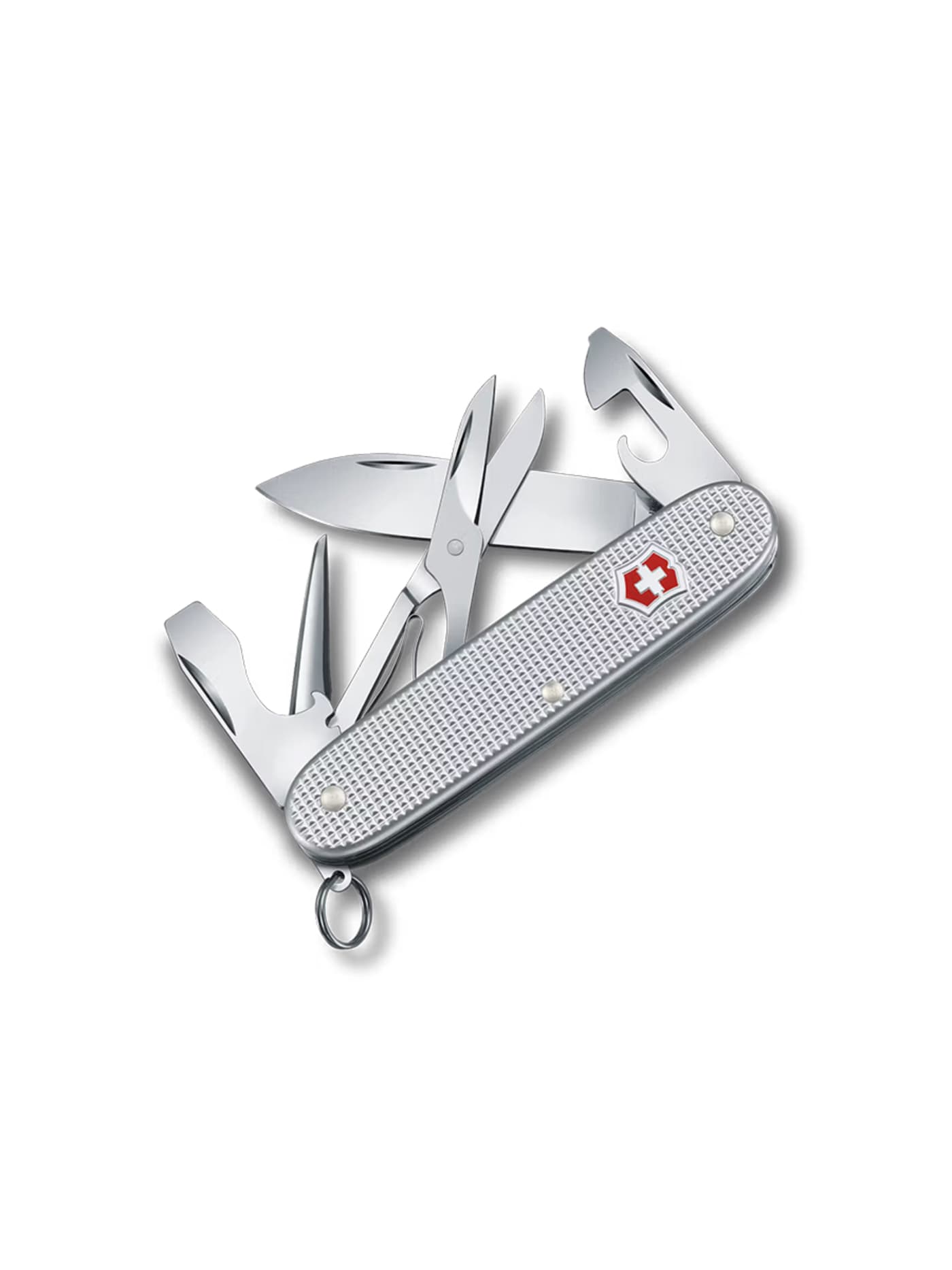
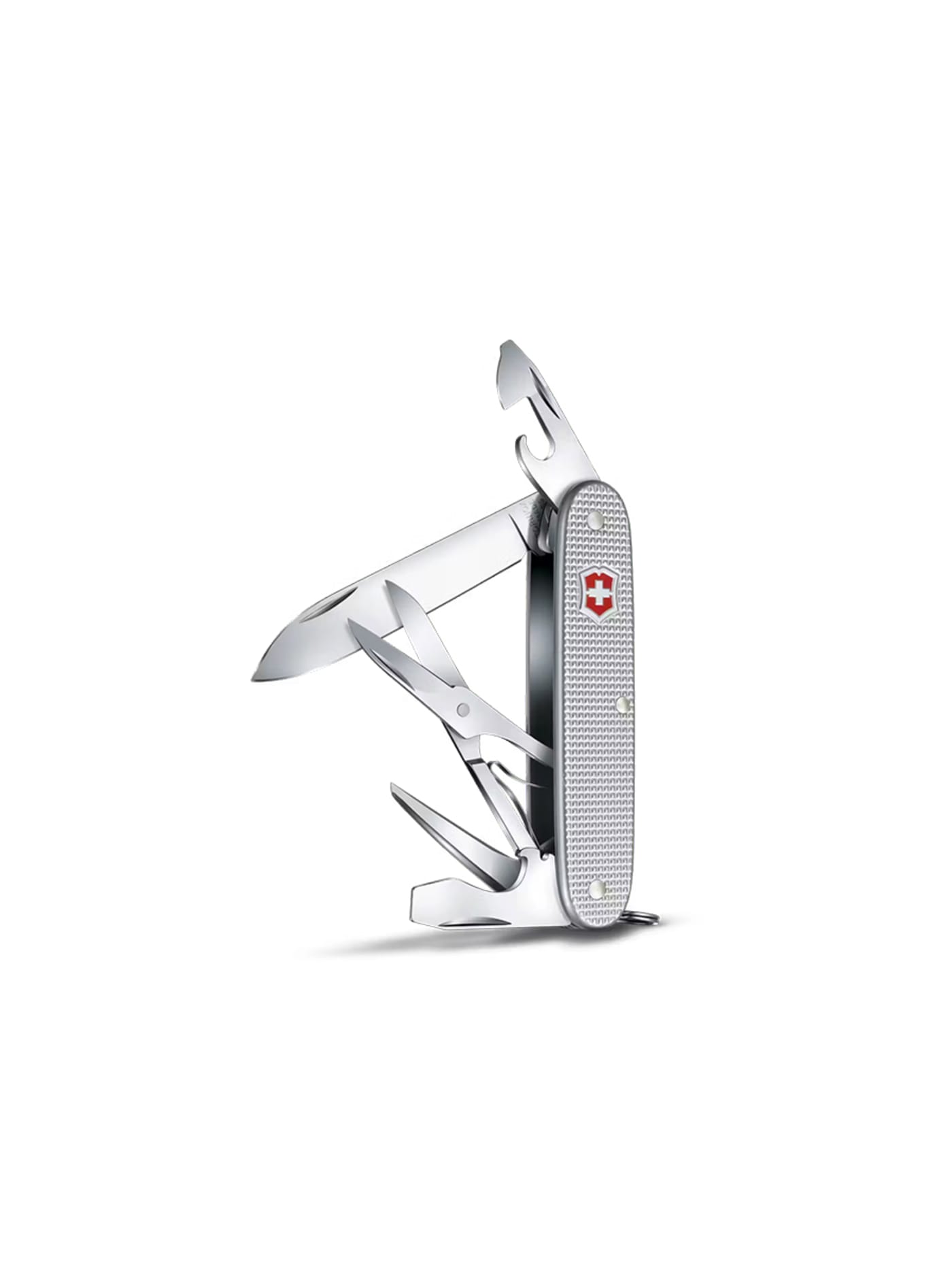
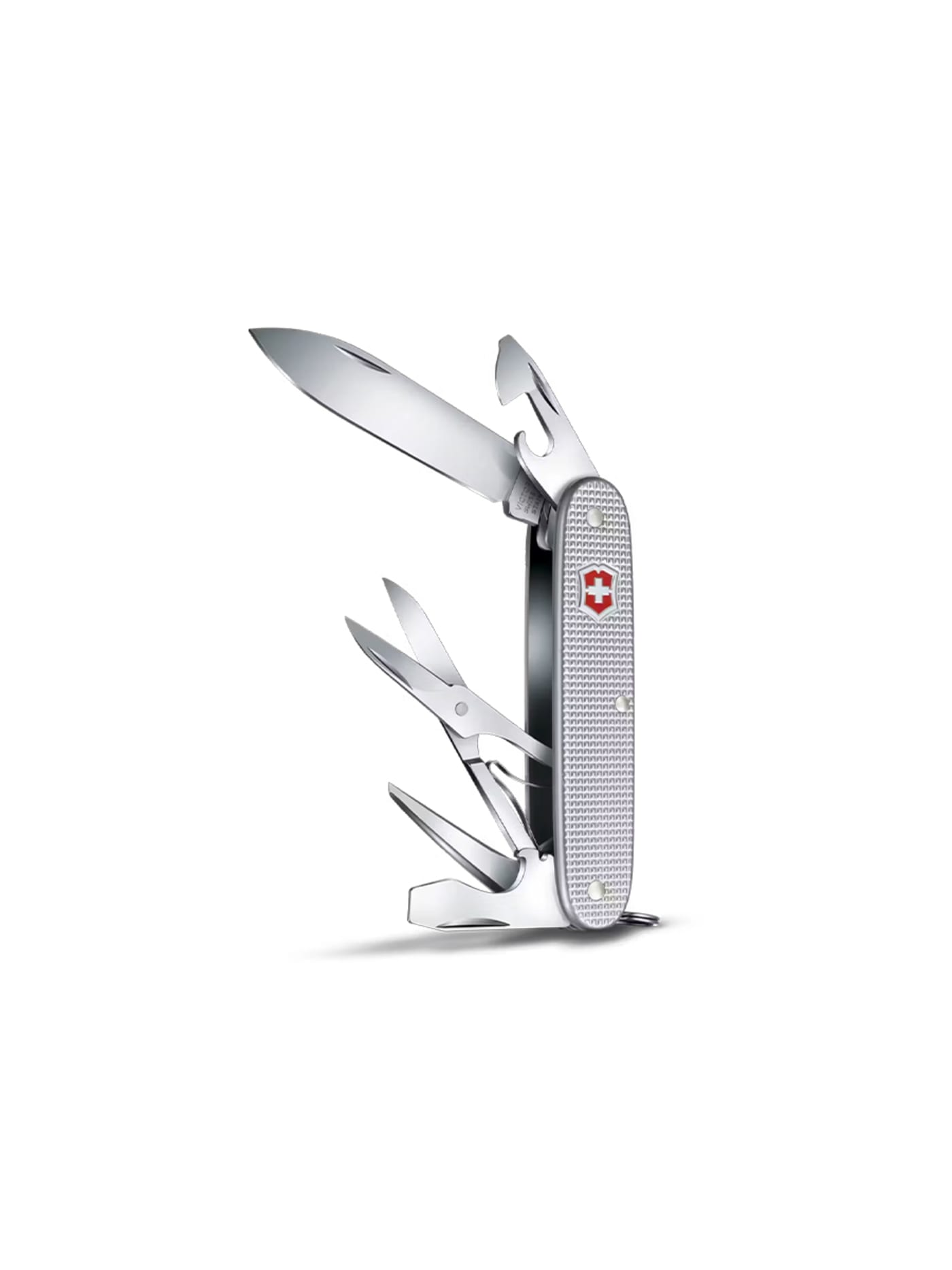
The Pioneer X is a knife first. Everything else is arranged around that fact. The blade sits at the centre of the experience, with secondary tools layered behind it. You reach for it as you would a dedicated knife. The added scissors expand usefulness without disrupting that hierarchy. Alox scales remove decorative softness. They add rigidity and tolerate wear without attempting to hide it. There are no pliers, and no attempt at heavy mechanical tasks. That omission keeps the form thin and predictable. Many multi-tools try to do everything. The Pioneer X focuses on cutting and light utility, and it behaves accordingly.
Design intent
- Riveted Alox scales make the Pioneer fundamentally more durable than clipped plastic-scaled models, and the ribbing improves grip in the wet, the reason to choose this over a Cellidor knife.
- The Pioneer line is known for firmer springs than the lighter 91mm models, holding tools open with authority and prioritising working confidence over easy one-handed deployment.
Trade-offs
- The slim Alox scales leave no room for the toothpick and tweezers that slot into plastic-scaled models; the format trades those small extras for structural toughness.
- The blades do not lock; for anyone coming from a locking folder, the slip-joint can feel unfamiliar when pushing hard into a cut.
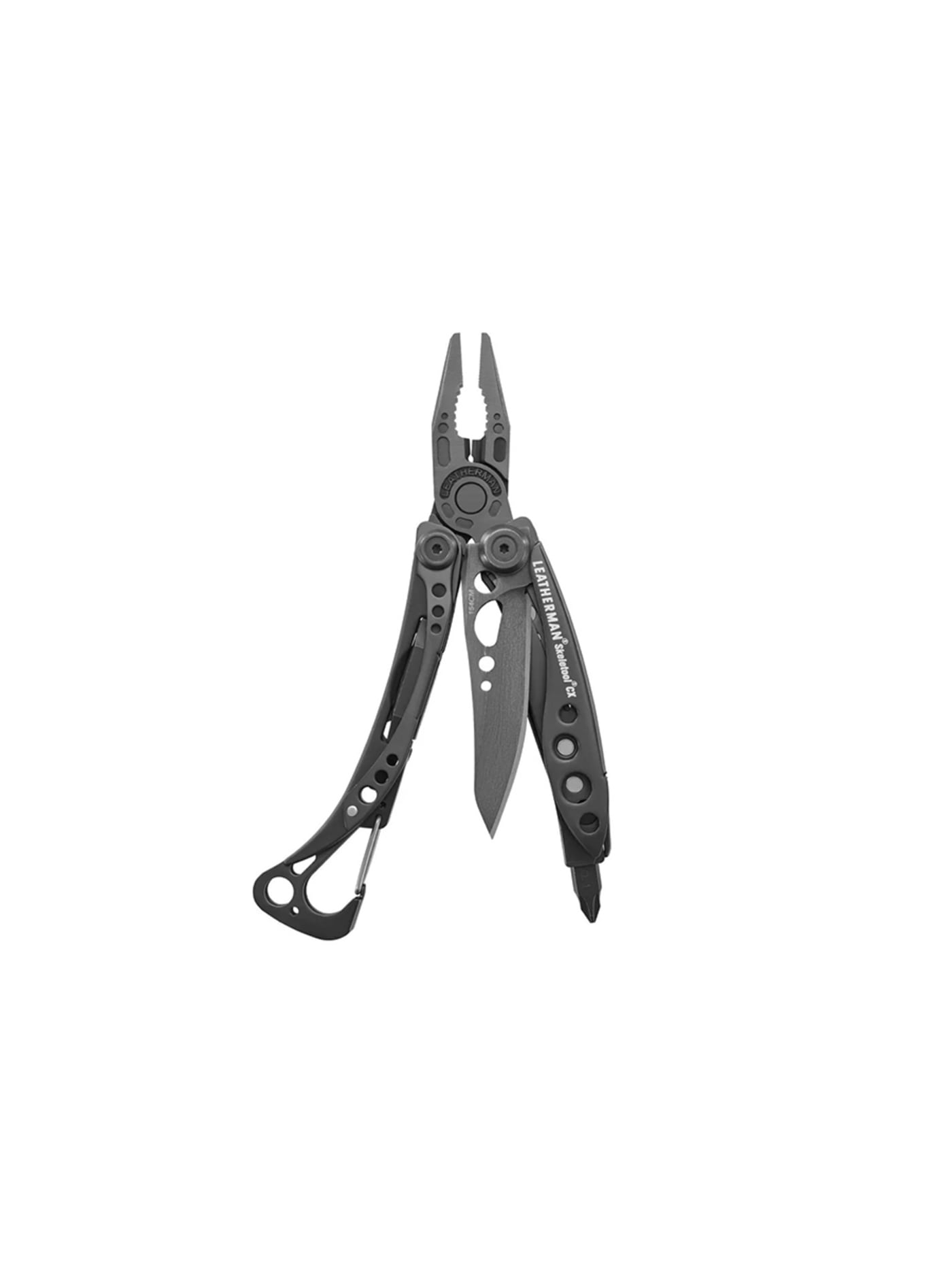
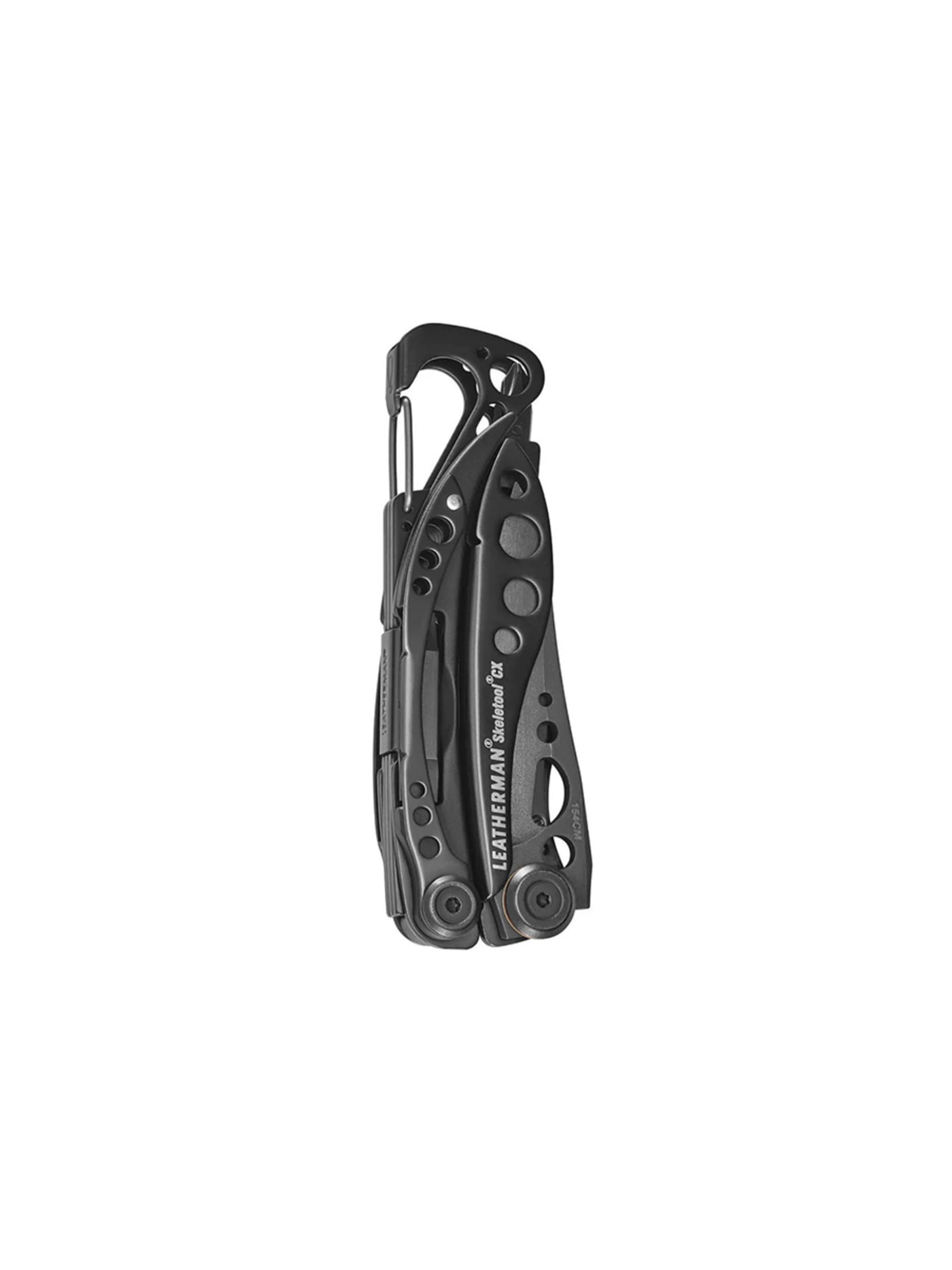
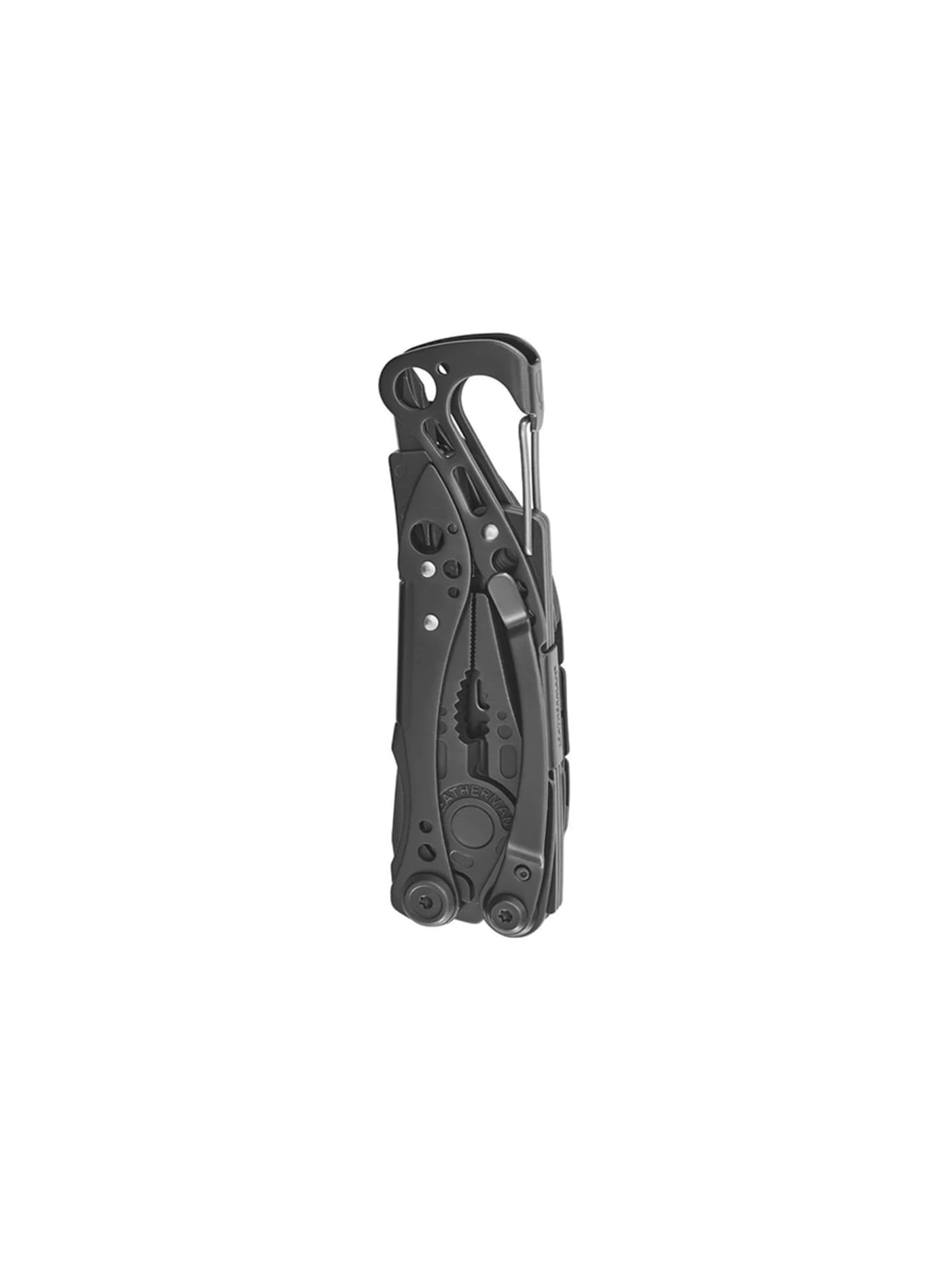
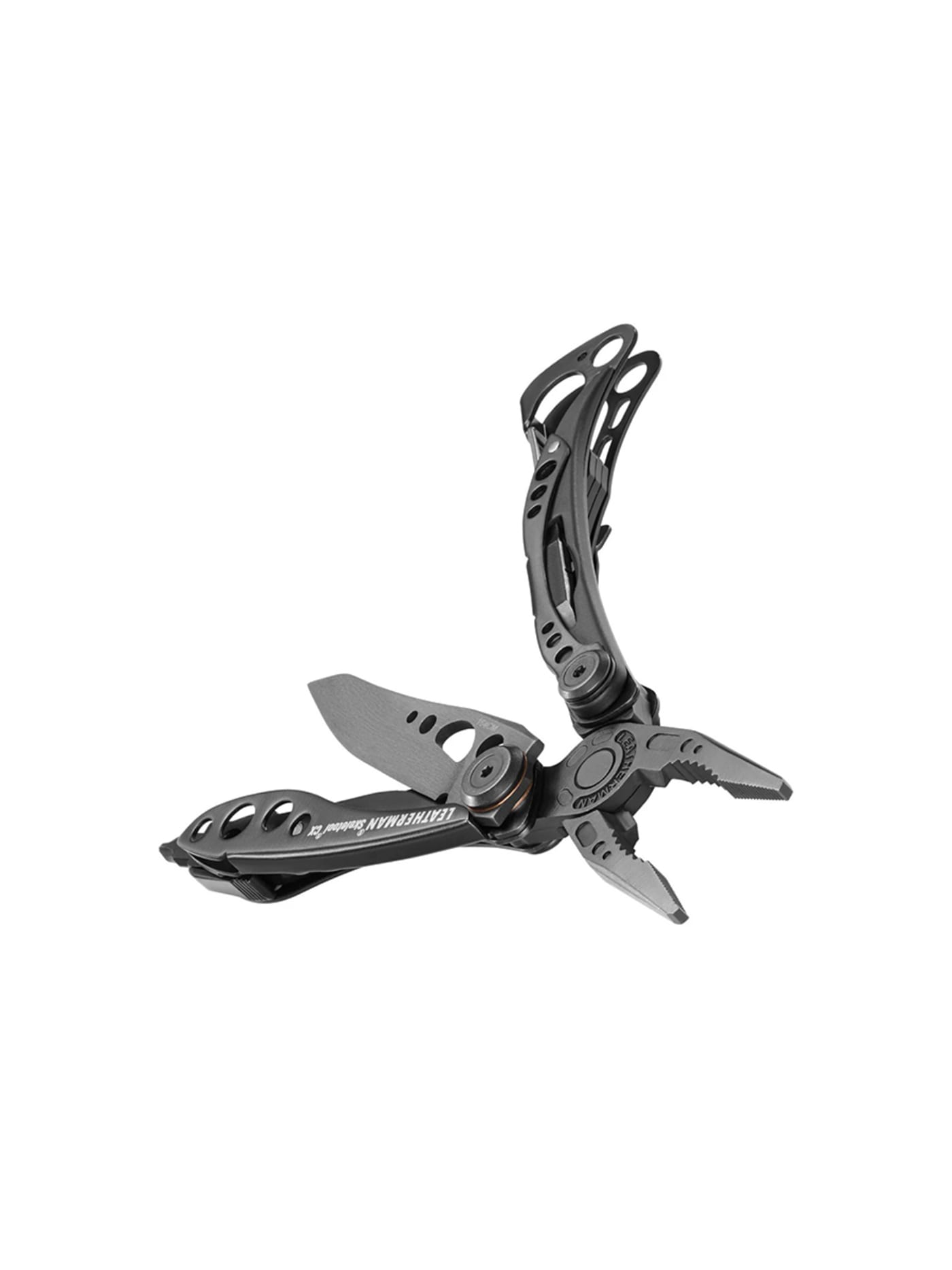
The Skeletool CX is built around restraint. Rather than accumulating tools, it limits itself to pliers, a blade, and a bit driver: a selection that reflects frequency of use rather than range of possibility. It removes tools that rarely earn their weight and keeps the frame exposed to reduce bulk. This is not a survival kit in your pocket. It is a tool meant to be carried daily without negotiation. The open structure makes its priorities visible. Capability is present, but contained. If a multi-tool is meant to be part of routine rather than preparation for unlikely scenarios, this balance makes sense. Light enough to keep with you. Capable enough to earn its place.
Design intent
- Cutting scissors, saw and secondary tools to the bone keeps weight and bulk down and removes the hunt for the right implement; what is left is what most people actually use.
- The premium 154CM blade is chosen so the knife, the most-used tool on any multi-tool, performs as a primary cutter rather than a token folding blade.
Trade-offs
- Without scissors, file or saw, the Skeletool reaches its limit quickly on jobs a fuller tool would manage; the design is explicit about that bargain.
- The bit driver takes Leatherman's flat proprietary bits, so standard quarter-inch hex bits need a separate adapter to use.
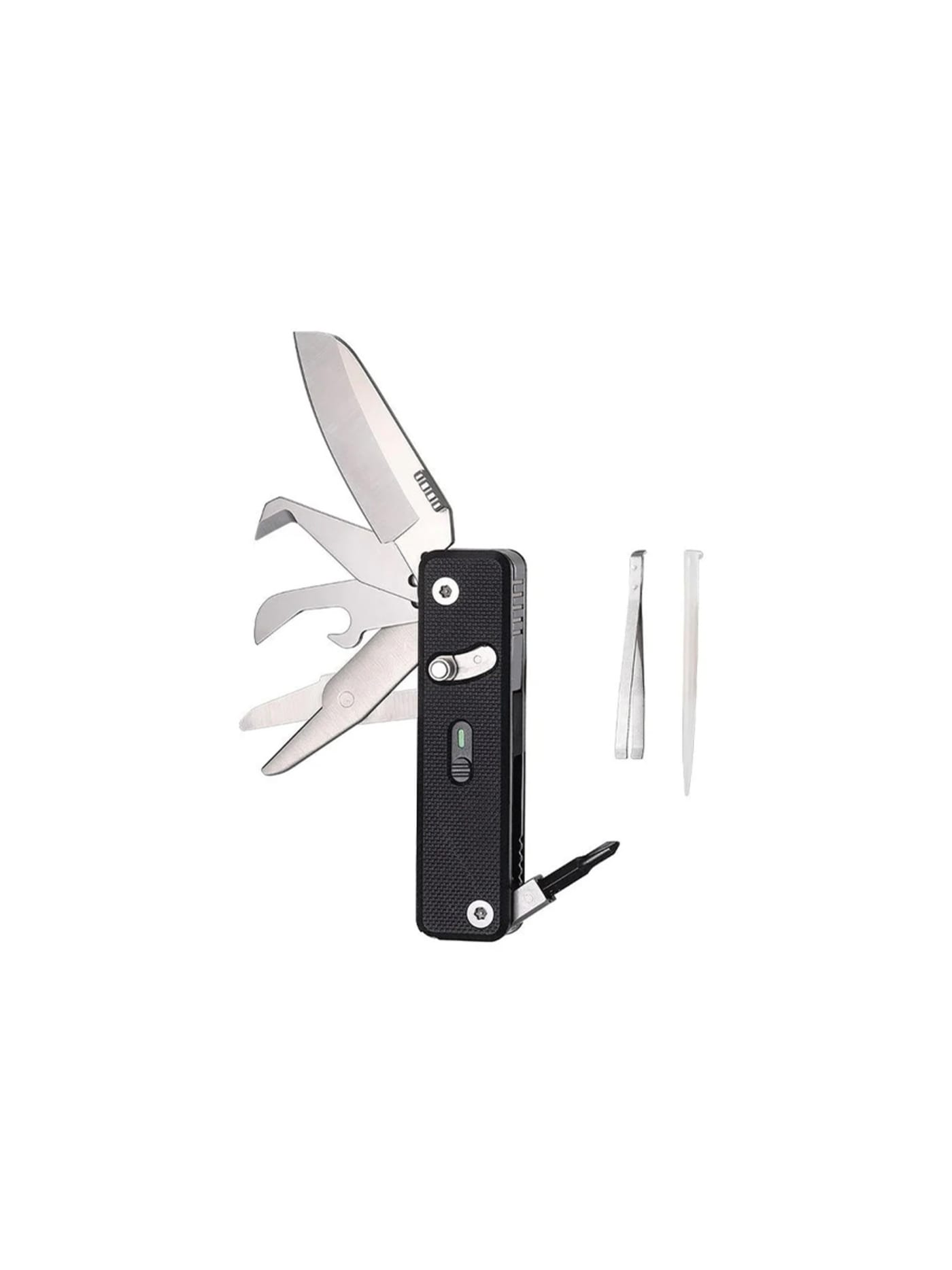
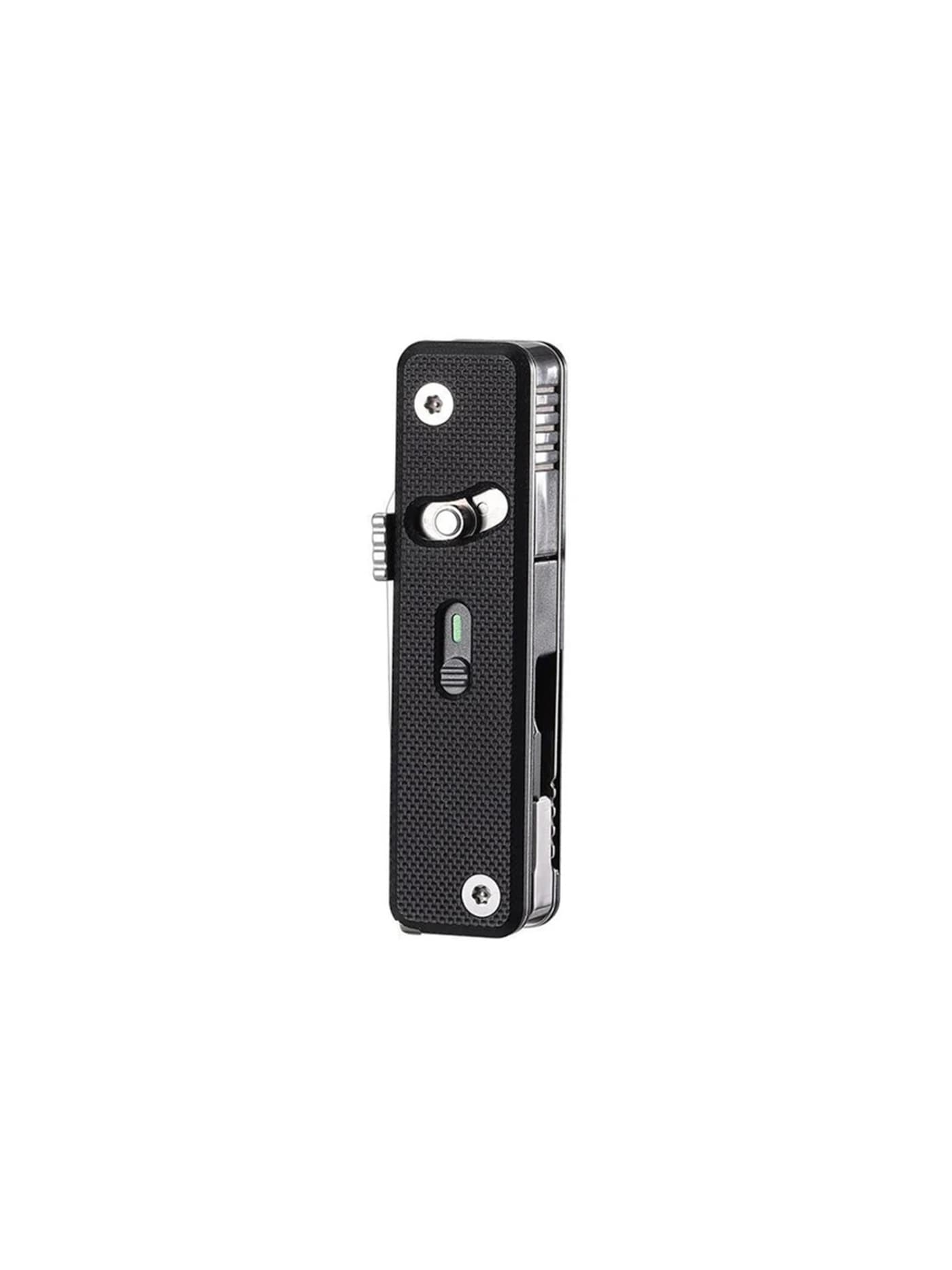
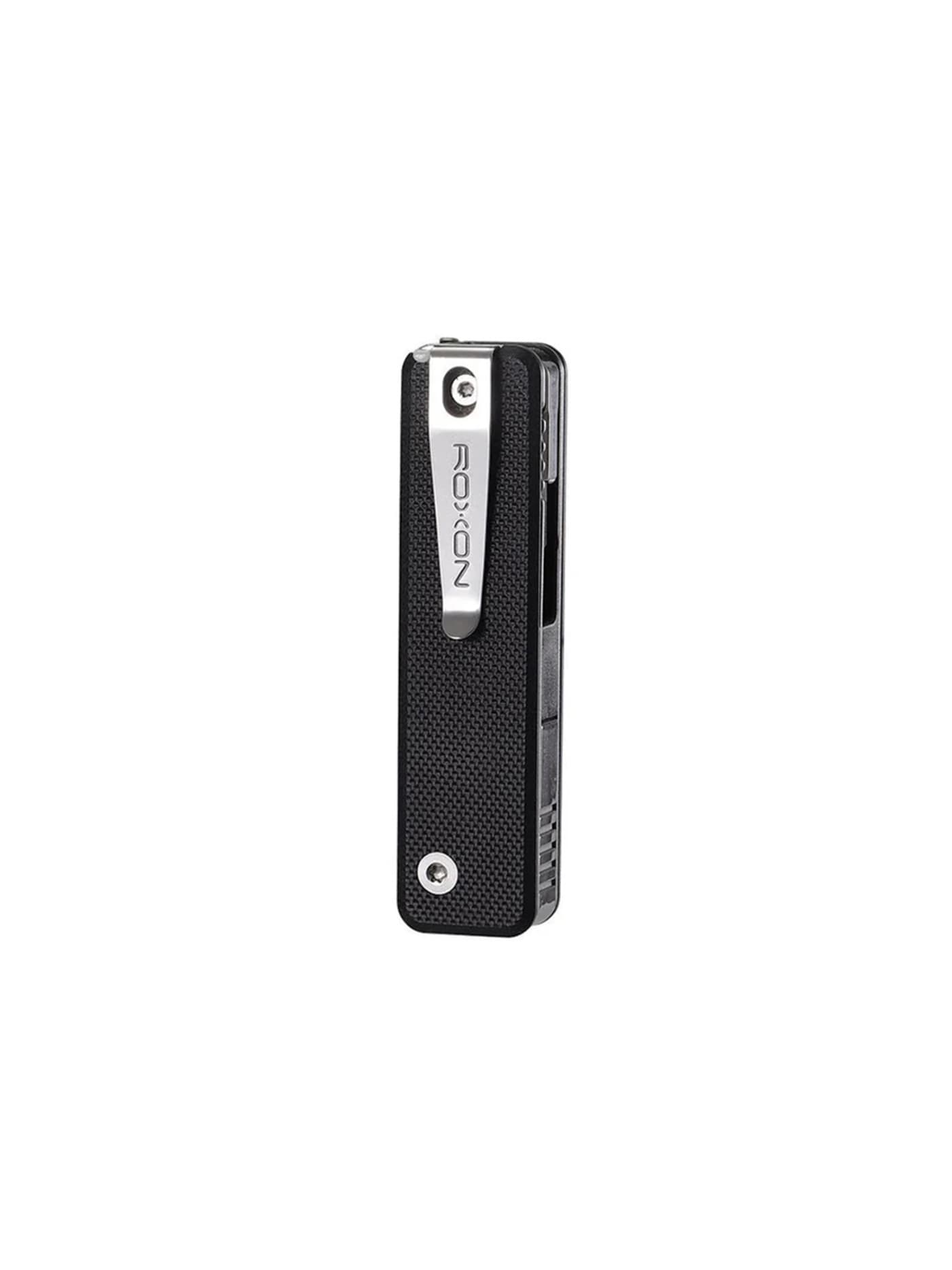
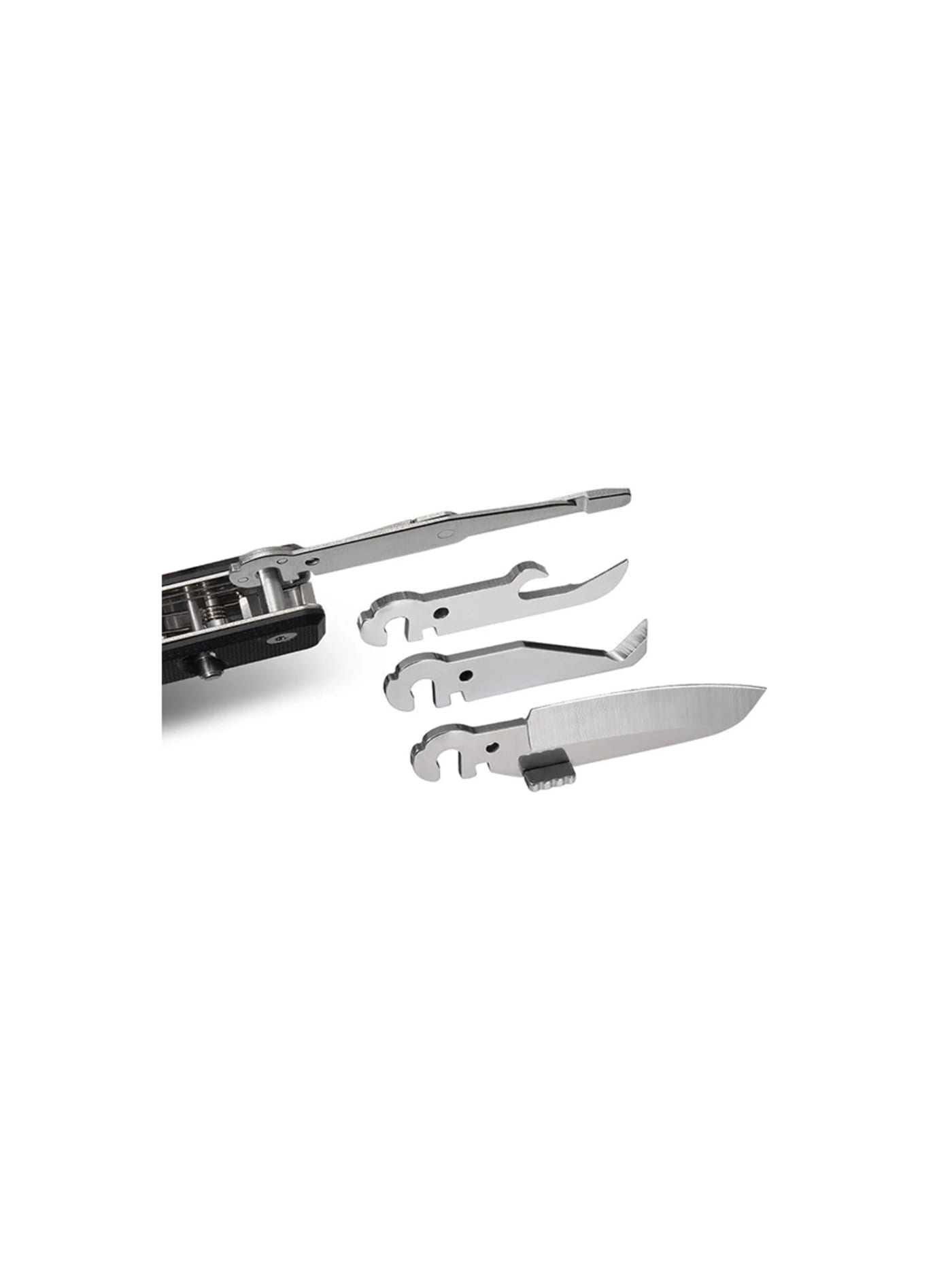
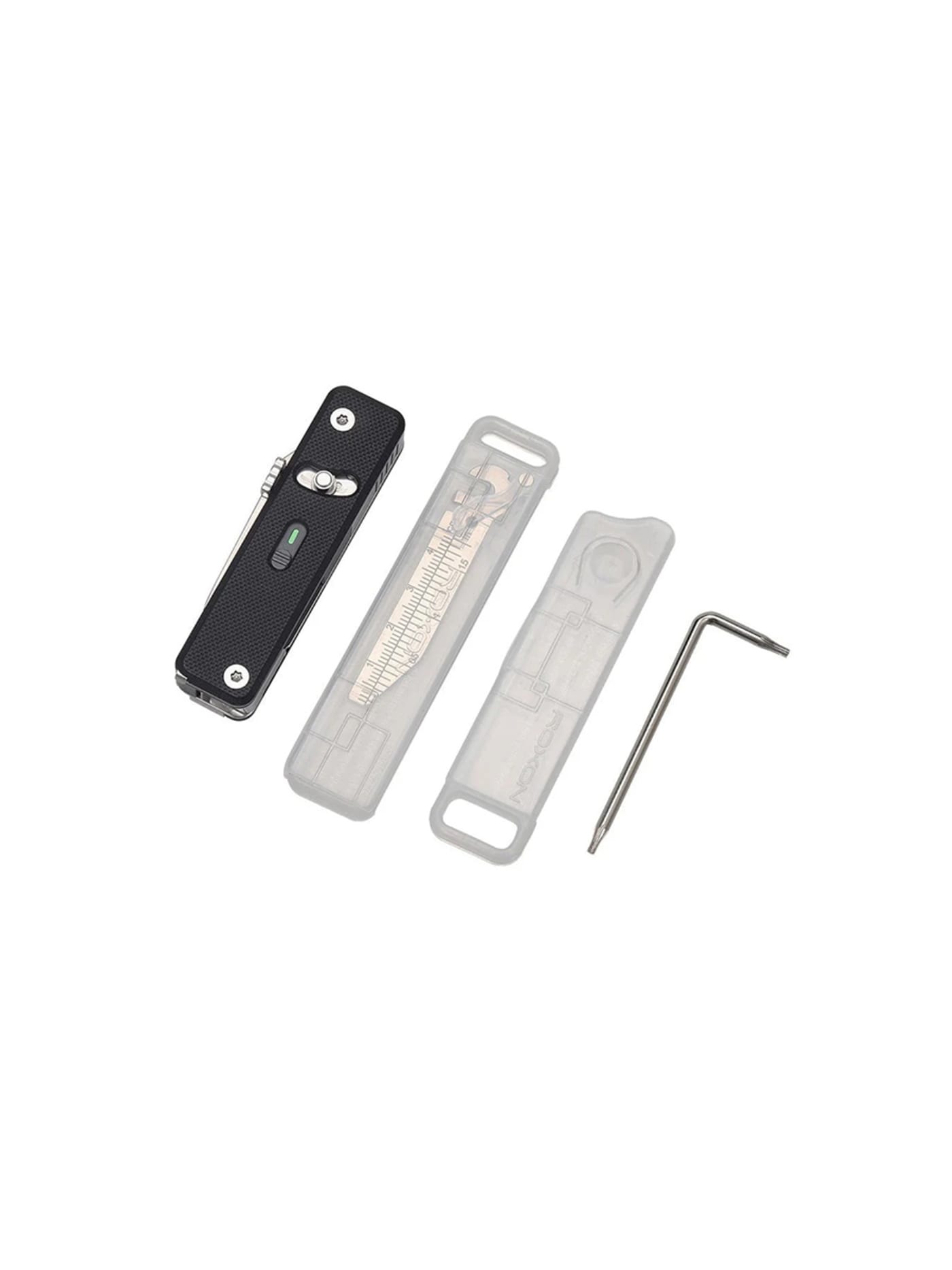
The Mini Flex treats the multi-tool as a configurable platform rather than a fixed object. Instead of committing to a permanent toolset, it allows modules to be swapped. That shifts the design problem from selecting the perfect permanent loadout to selecting what the current situation actually needs. This introduces complexity that other tools avoid. You must decide. You must configure. But it makes prioritisation visible in a way fixed tools cannot. The loadout reflects the task rather than a manufacturer's default assumption about what most people carry. Modularity is not for everyone. But as a design concept, it challenges the premise that a multi-tool must be permanent. That alone earns it a place in any honest survey of the category.
Design intent
- The swappable slots let an owner strip out tools they never touch and add task-specific ones, from hex wrenches to a fish-hook remover, drawn from a catalogue of more than thirty implements shared across the Flex system.
- Holding to a compact, sub-80-gram, plier-less format means the modular idea arrives without the bulk penalty that usually comes with added versatility.
Trade-offs
- The swap mechanism is extra hardware: more parts than a fixed Swiss Army knife, an Allen key to keep track of, and loose implements that can be mislaid during a reconfiguration.
- With no pliers, the tool has a ceiling on gripping and clamping work; it is honest about that, but anyone moving from a plier-based tool will feel the gap.
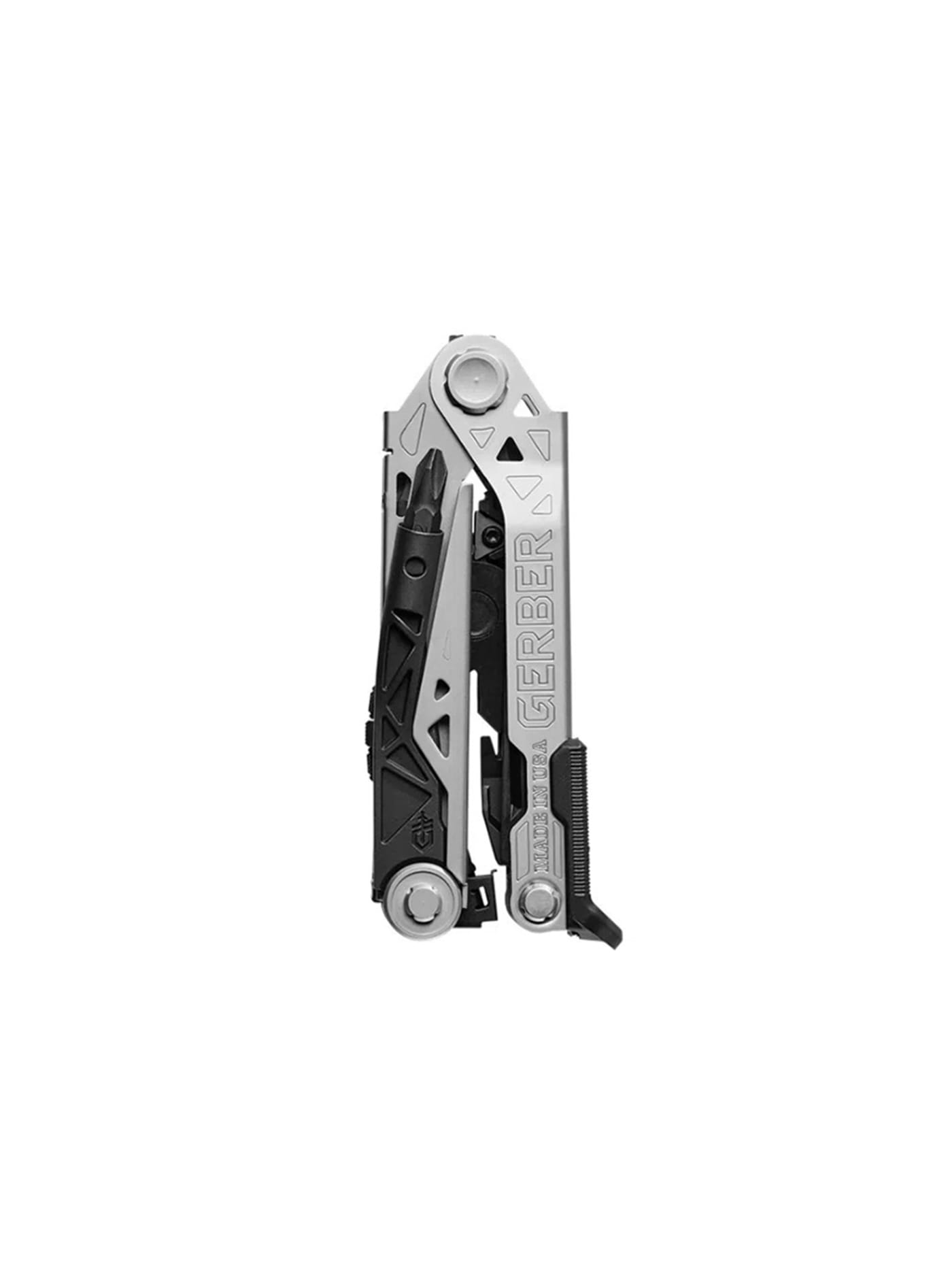
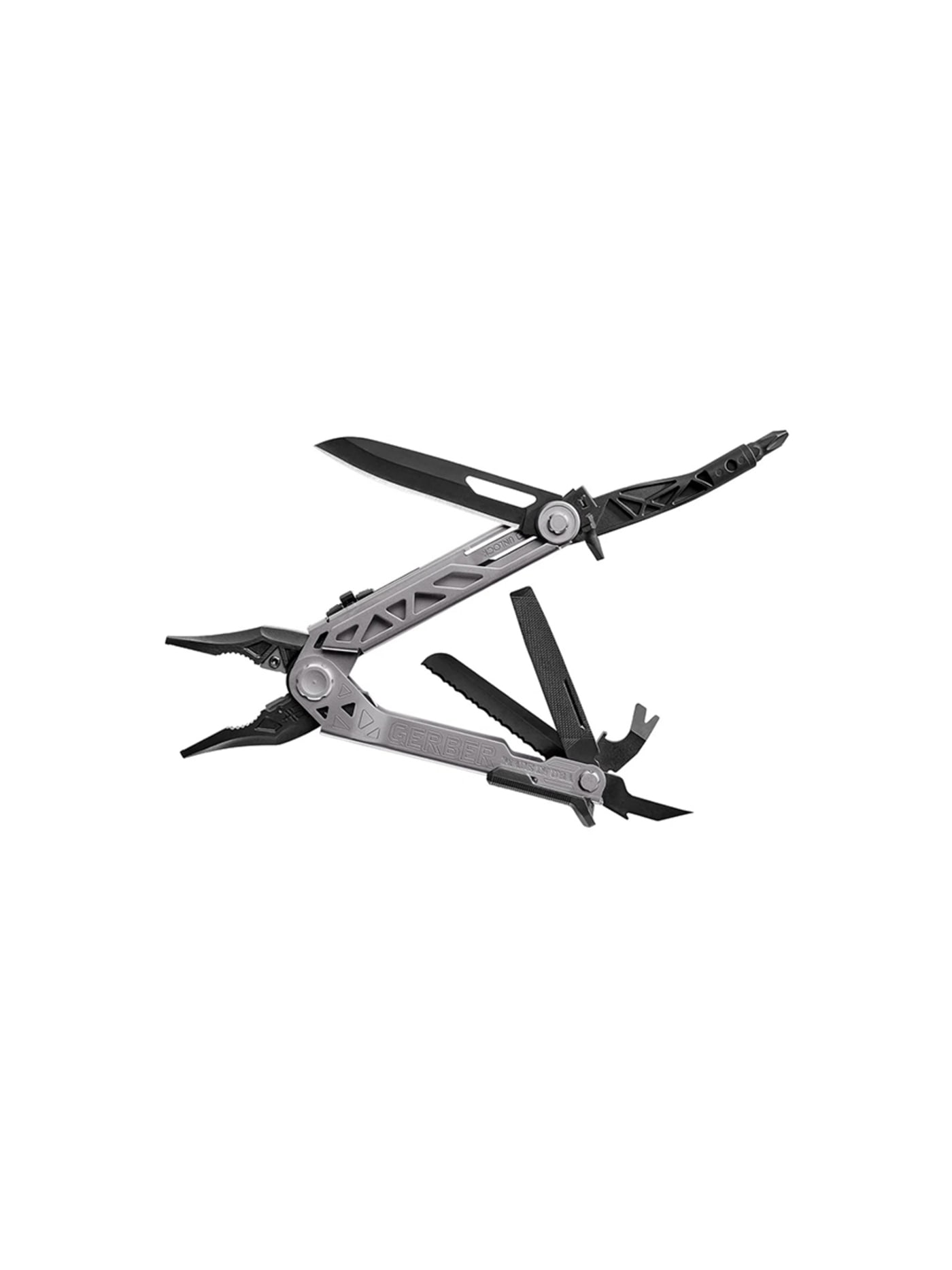
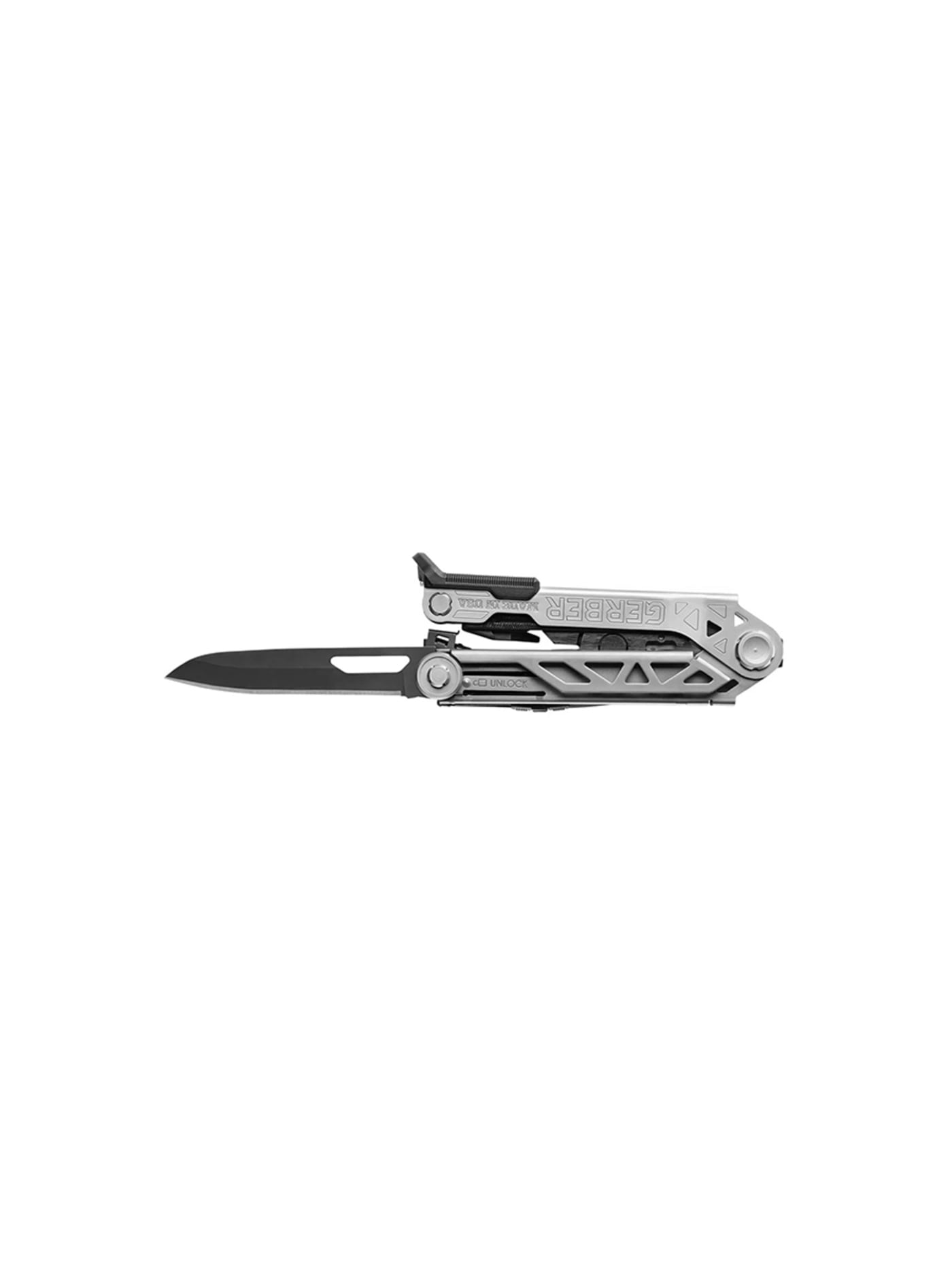
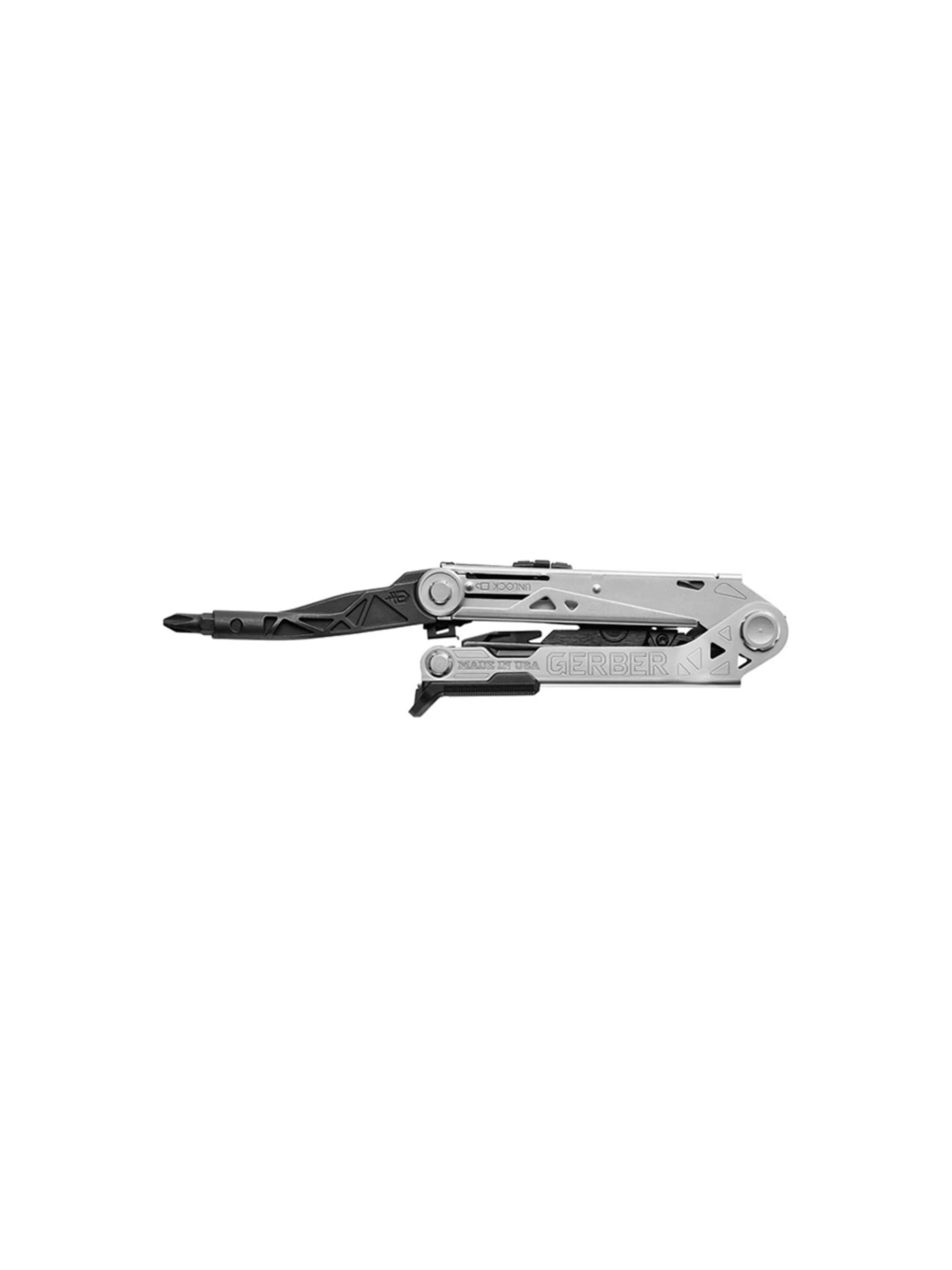
The Center-Drive is organised around a single correction. Traditional multi-tools compromise screwdriver ergonomics by offsetting the driver from the centre axis. Gerber realigns it. The result behaves more like a conventional screwdriver than a folded tool, which changes how useful it actually is when you need it. That decision adds bulk. The handle must accommodate the driver's geometry. But the trade is legible: mechanical tasks feel less improvised, less like a workaround. Secondary tools are present, but they orbit the driver rather than share equal billing. This is not the most refined multi-tool in the list. It is the most mechanically deliberate. It identified a common limitation and designed around it.
Design intent
- The centre-axis driver gives a folding tool the leverage and rotation of a standalone screwdriver, which no conventional multi-tool layout manages; it is the reason the tool exists.
- One-thumb deployment of both the blade and the pliers removes the fiddly setup that keeps most multi-tools in a drawer.
Trade-offs
- The rotating driver adds moving parts and channels that collect grit and eventually wear, more mechanism than a simpler folding tool.
- It is heavy for its class at around 280 grams; the build quality justifies the weight, but it is a deliberate carry rather than a pocketable afterthought.
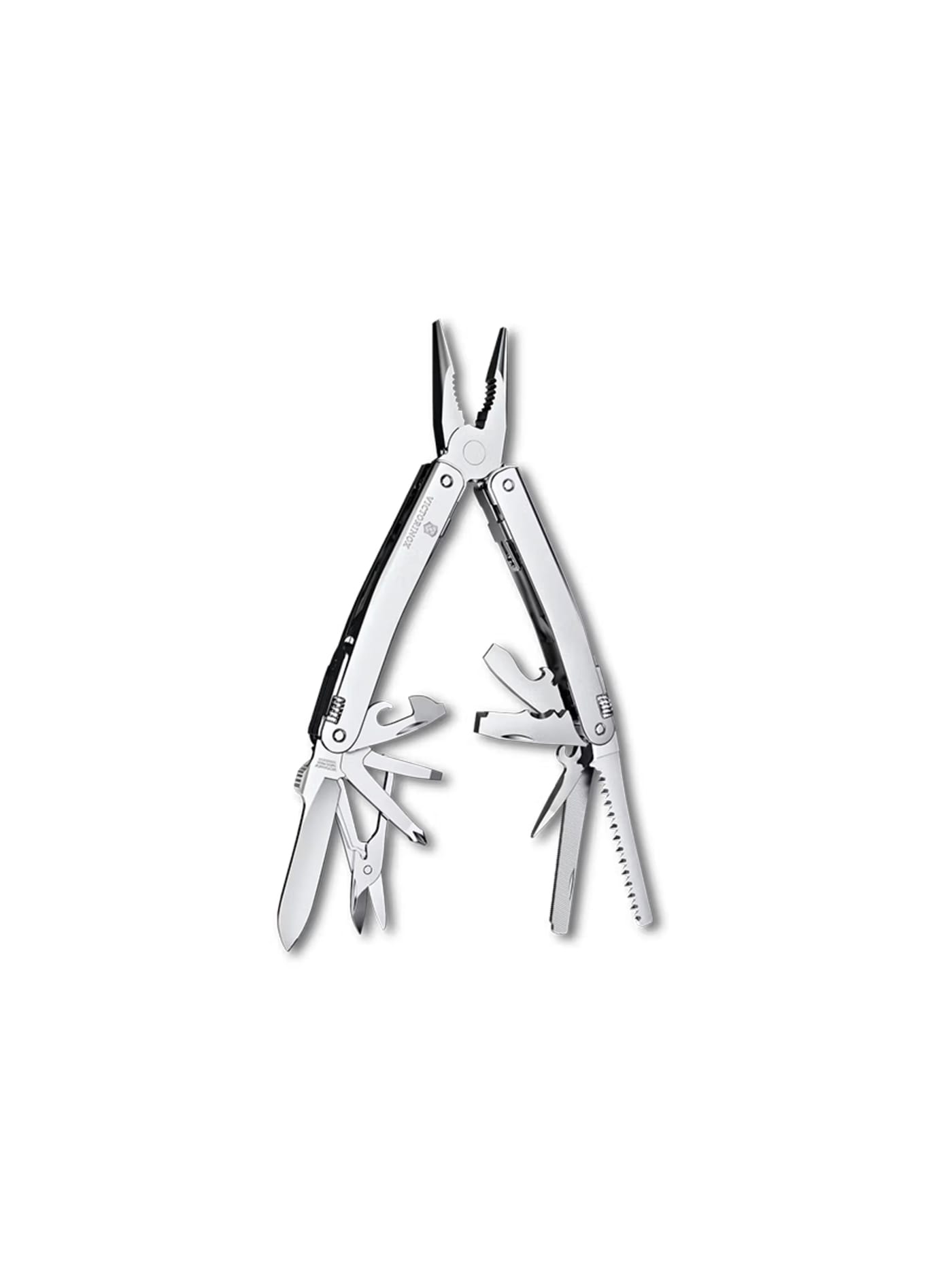
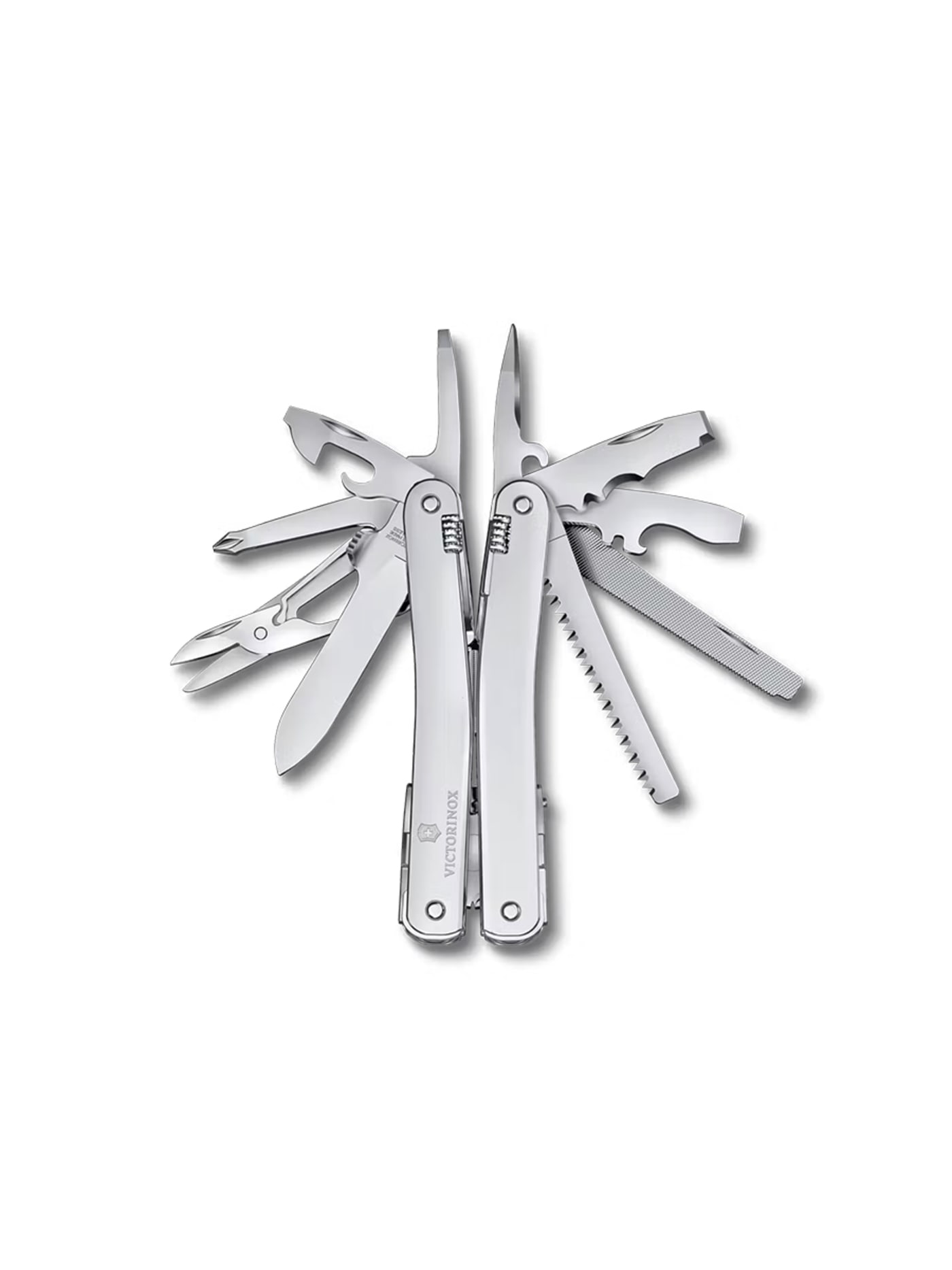
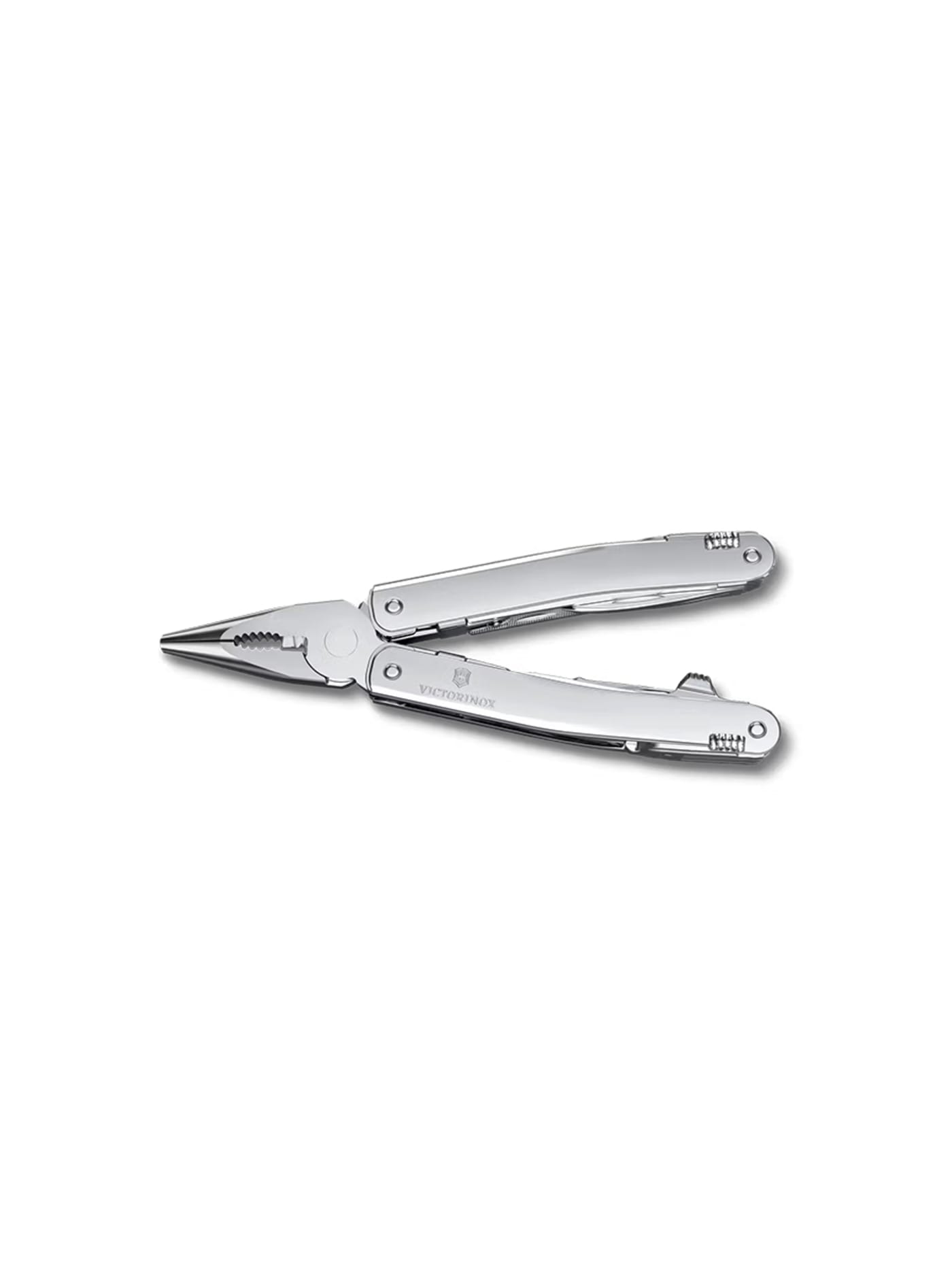
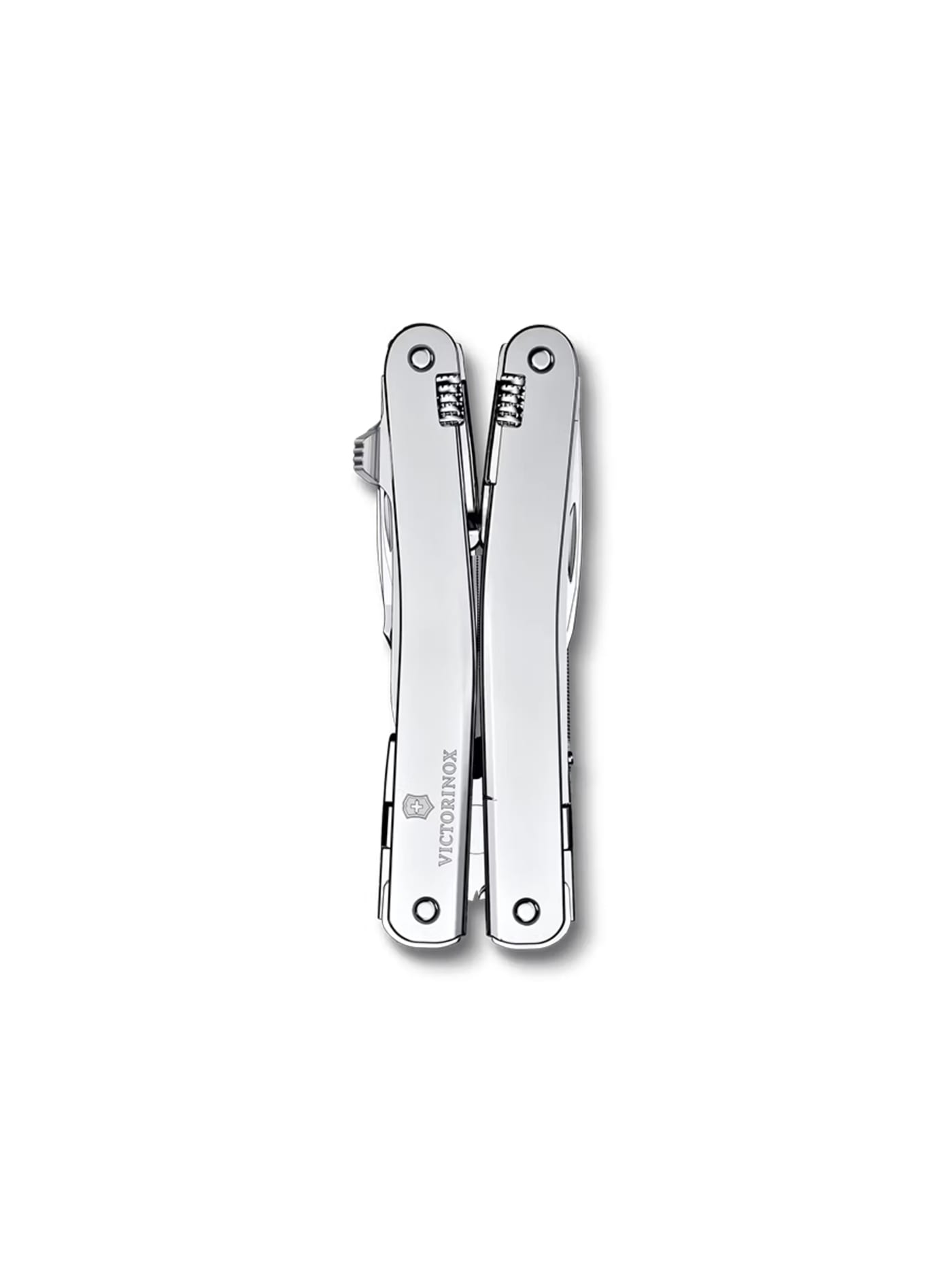
The Spirit MX represents the traditional full-size plier tool at its most resolved. The architecture is symmetrical. Tool deployment is smooth and measured. Nothing feels overemphasised or undertested. It does not chase modularity or aggressive feature counts. Instead, it refines tolerances, finish, and balance across a comprehensive toolset. The mass is noticeable, but evenly distributed. The tools sit within a coherent mechanical system rather than an exposed frame trying to save weight. Compared to newer flagships, it may appear conservative. That conservatism is part of its clarity. It solves the full-size multi-tool problem without needing to reinvent the category. It feels settled in a way that newer designs often do not. For a more feature-forward premium alternative, the Leatherman Arc takes the opposite position: MagnaCut blade, 20 tools, one-handed deployment throughout. Higher specification, higher price, and a different argument about what premium means.
Design intent
- Every tool, not just the pliers, opens and locks from the outside, so reaching the blade, saw or screwdriver does not mean unfolding the pliers first; this changes how the tool behaves in everyday use.
- Each tool runs on its own spring and lock rather than sharing one, which gives firmer, more independent action and a positive lock on every implement.
Trade-offs
- The all-metal construction that makes it durable also makes it dense and heavy for its size; it is a belt-pouch or clip tool rather than something to forget in a trouser pocket.
- The smooth contoured steel handles can become slippery with oil or grease; the refined finish trades some grip security in wet or workshop conditions.
Final thoughts
Multi-tools are usually compared by counting functions. That approach misses the point. The real difference lies in what each design chooses to optimise, and what it accepts as a consequence.
A keychain tool values proximity over torque. A knife-first tool values cutting over gripping. A modular system values adaptability over simplicity. A full-size plier tool values mechanical certainty over compactness. None of these positions is universally correct. Each is better for specific conditions and specific habits.
If this list works, it does not tell you which multi-tool to buy. It clarifies which trade-offs you are willing to accept. What tasks do you actually repeat. What do you realistically carry. Where do you need reliability, and where are you willing to compromise.
Design intent becomes useful when it aligns with use. The rest follows.