15 Well-Designed Everyday Carry (EDC) Products
- 18 May 2025
- 18 May 2025
- 14 min
Everyday carry is personal and situational. The right set of products depends on how you move, where you go, and what trade-offs you are actually willing to make day to day. Some people carry everything in their pockets. Others prefer a bag or sling that keeps things organised and accessible without the bulk. Neither approach is more correct, and this list is not a recommended loadout.
What it is, instead, is a set of clear examples of what good EDC design looks like in practice: focused purpose, coherent trade-offs, and details that hold up under the kind of movement, contact, and repetition that carry involves. Each entry is here because the design logic is visible and honest, not because the product is universally suitable. Some will suit your routines. Others will not.
This selection builds on the evaluative lens used across Supply Index. The goal is confidence through use, not confidence at checkout.
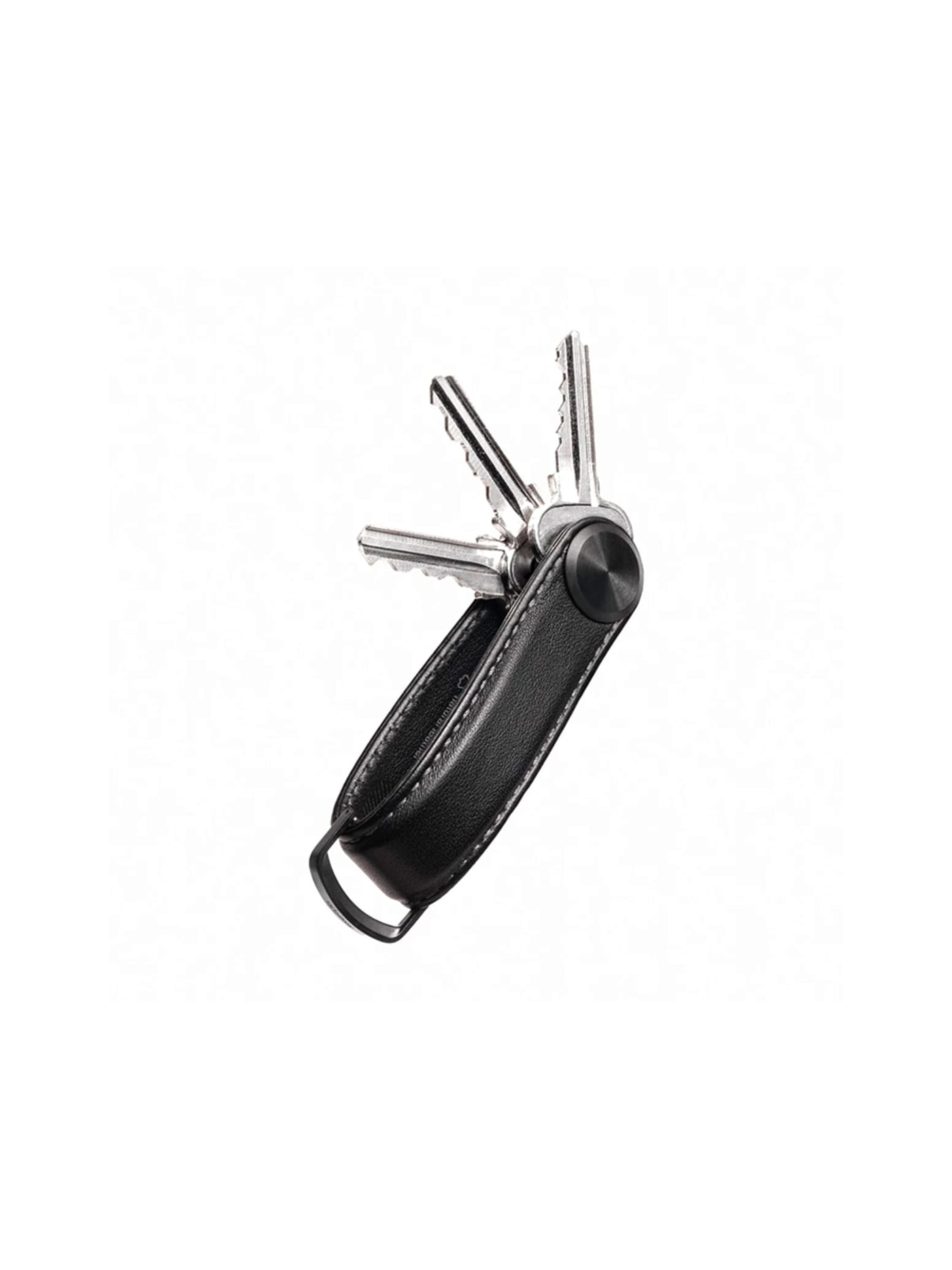
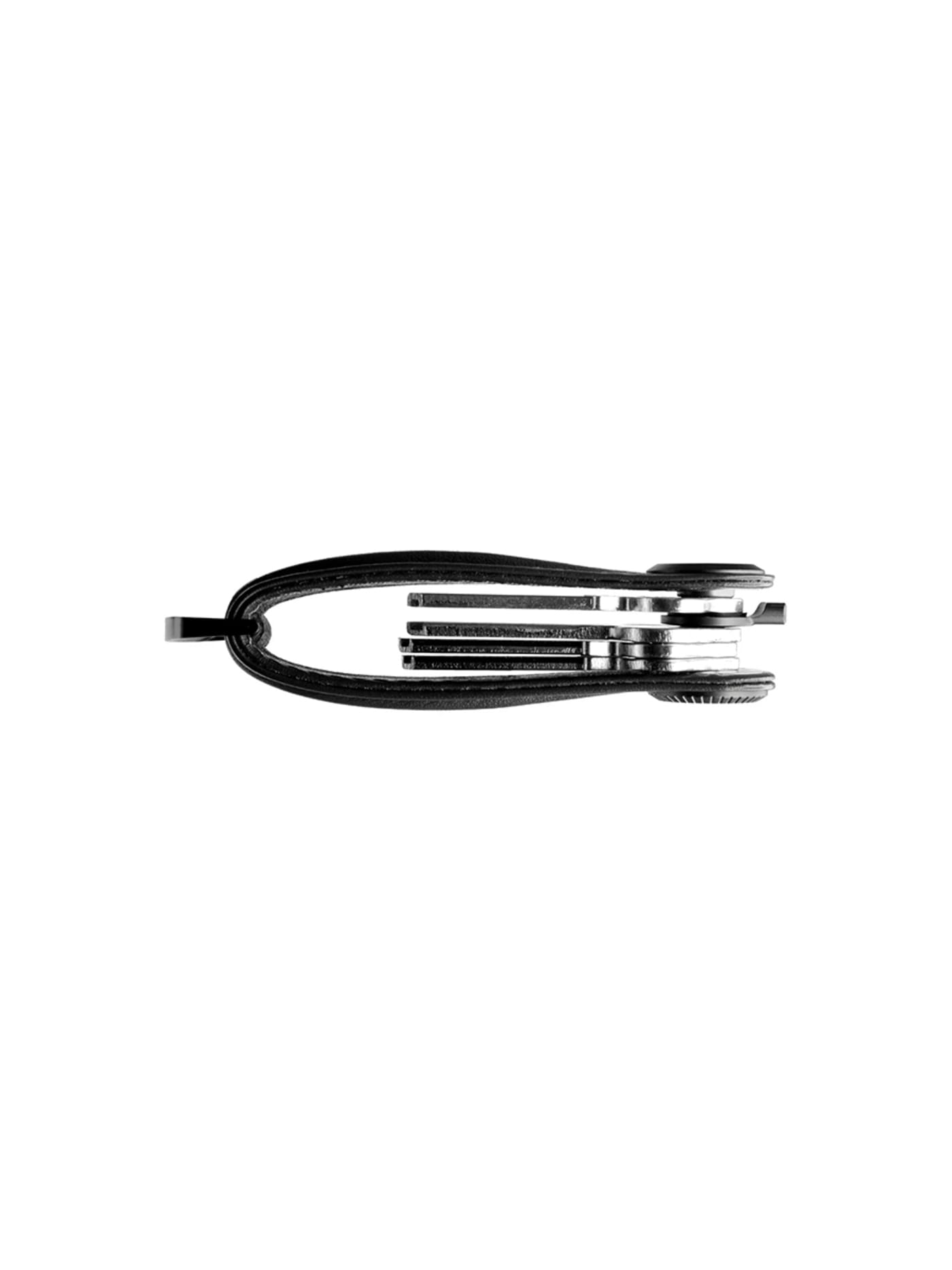
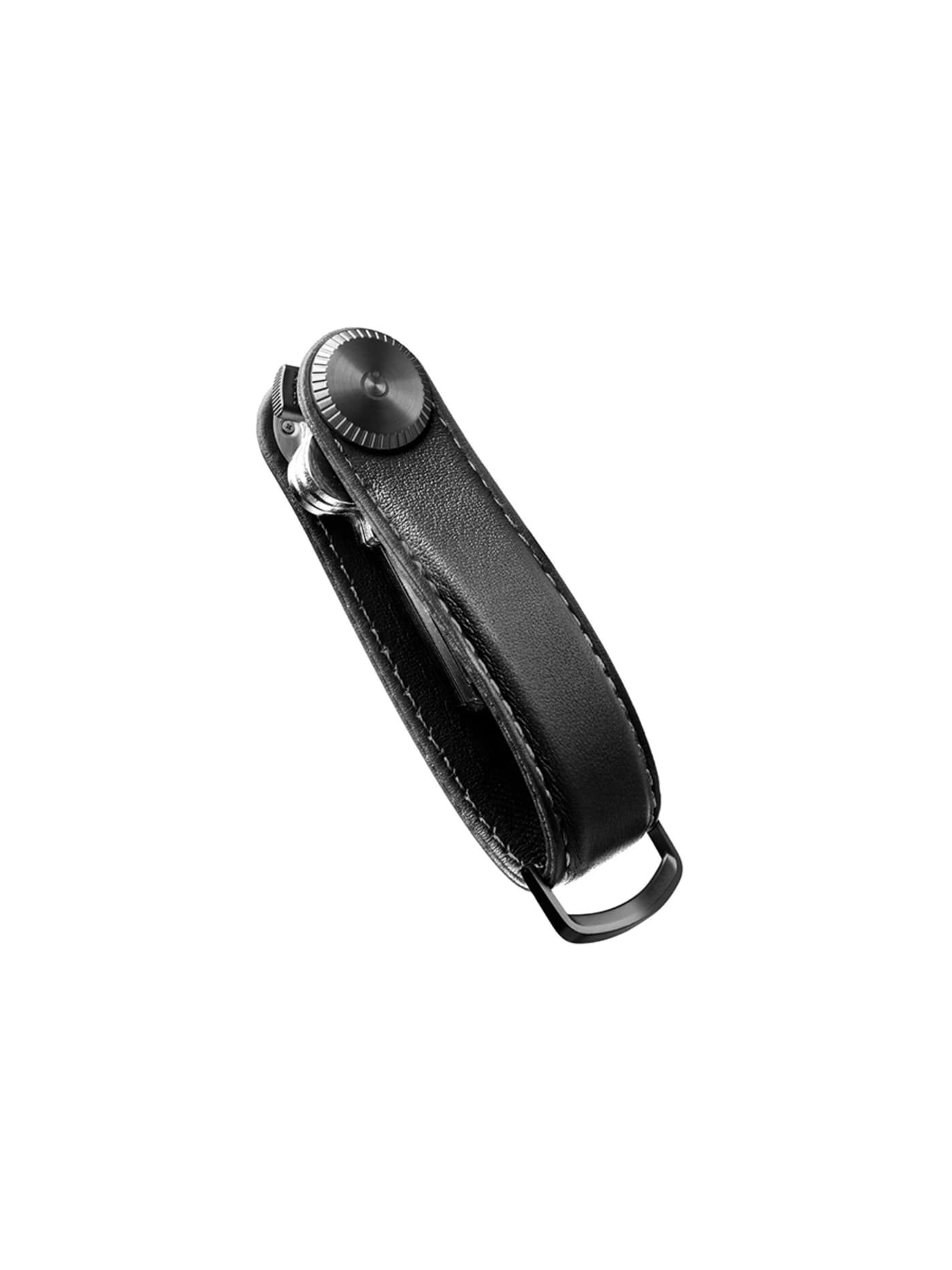
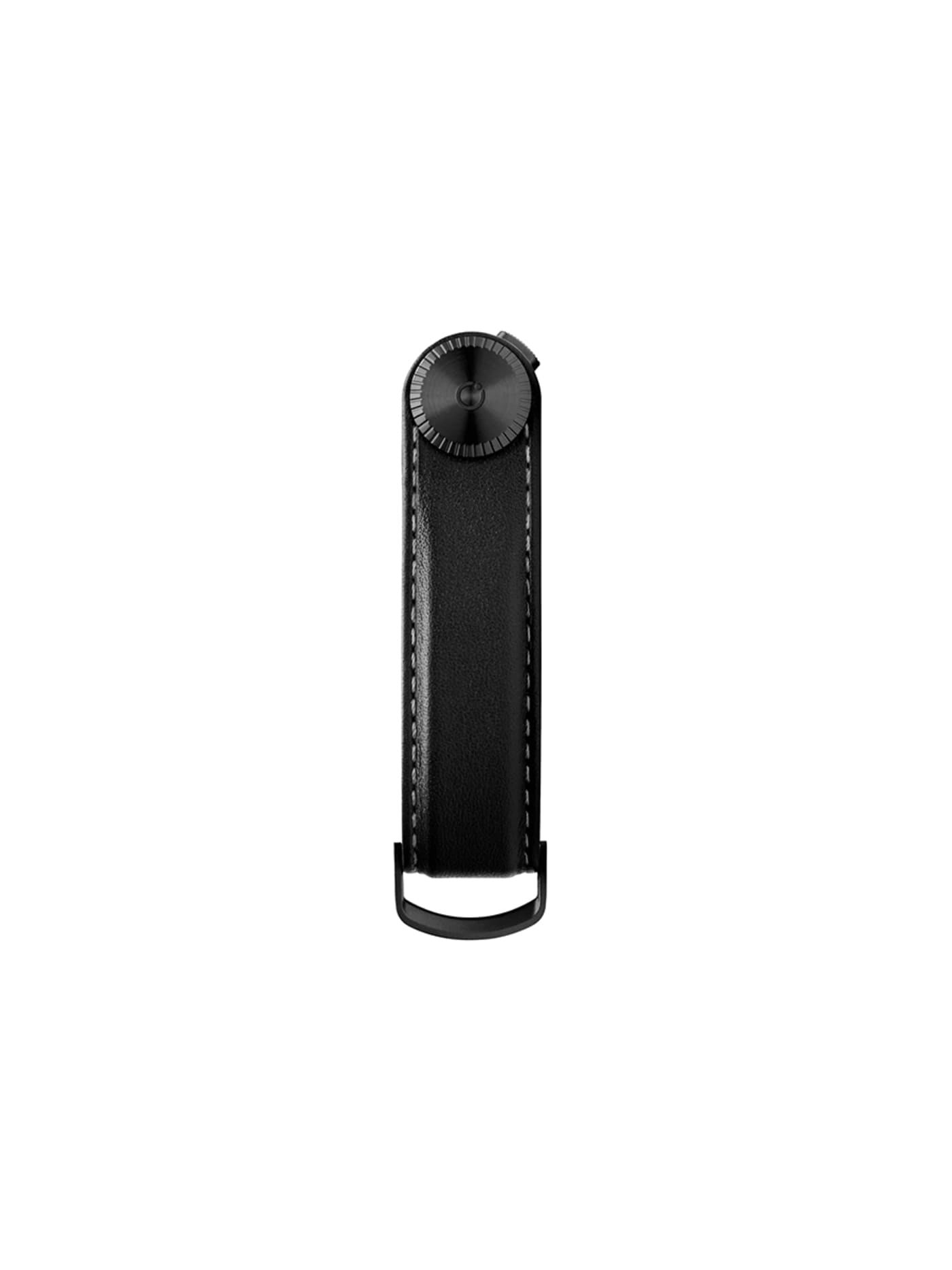
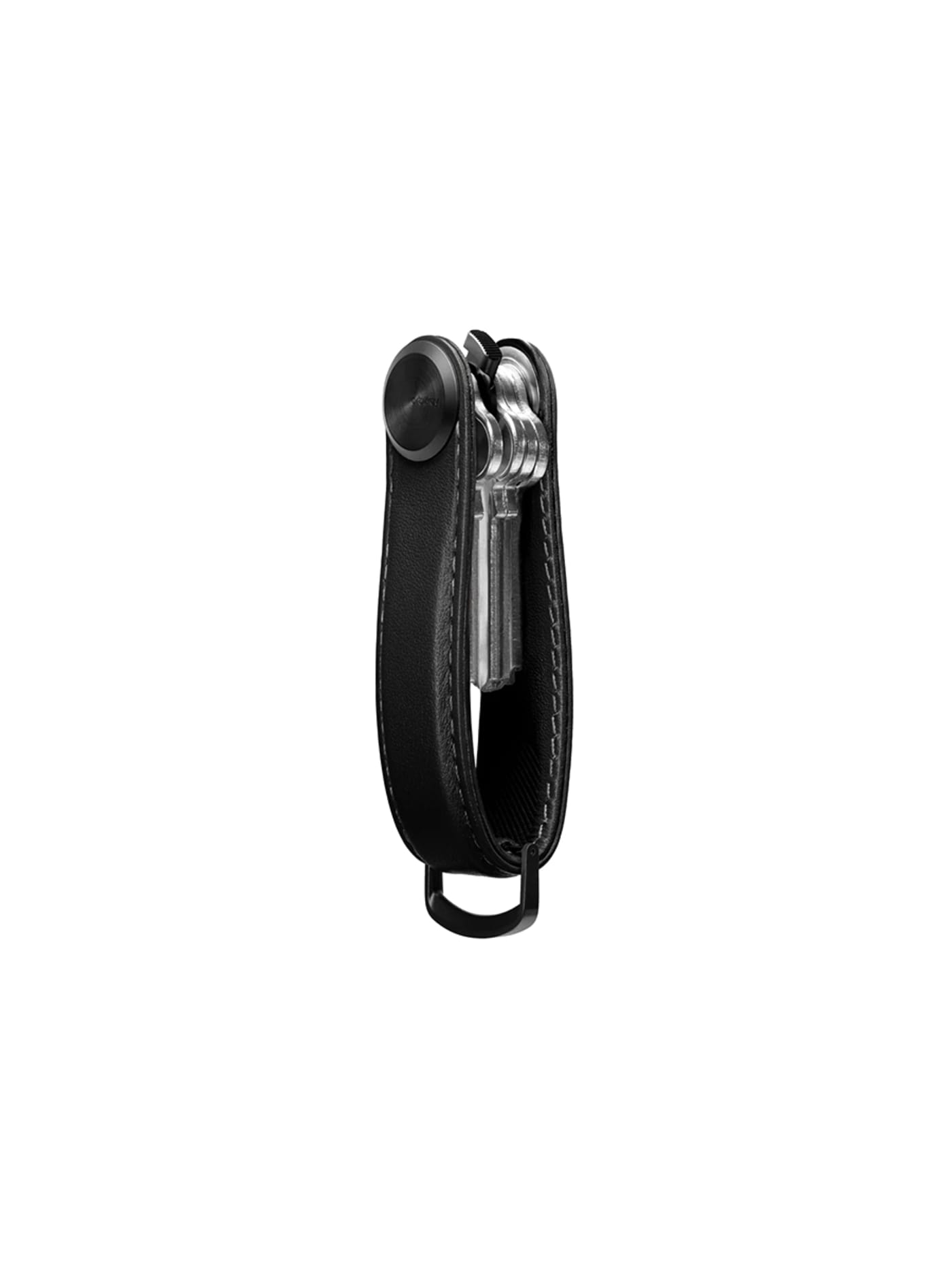
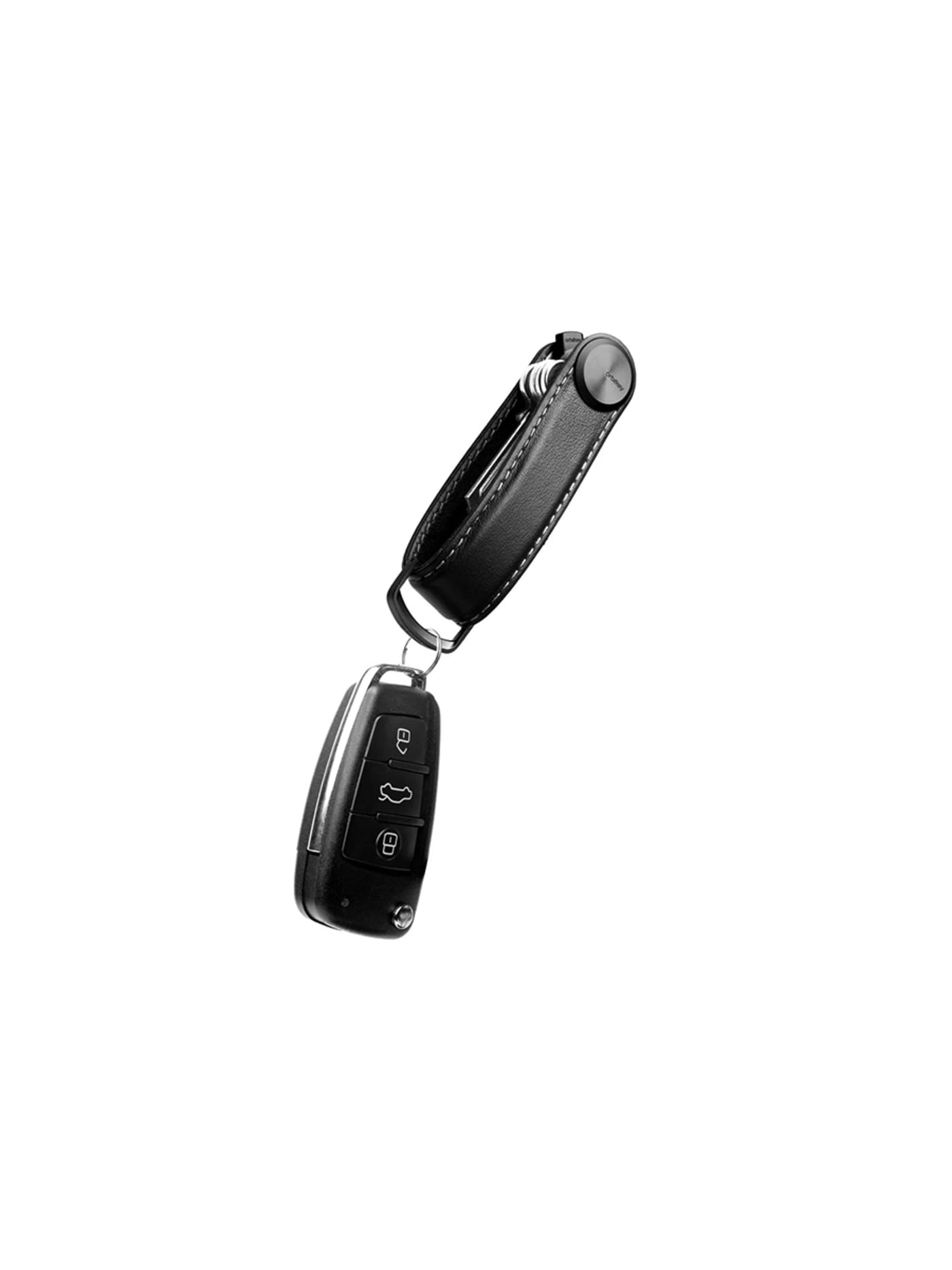


Keys are one of the few carry items almost everyone tolerates badly. They snag, scratch, rattle, and damage whatever they share a pocket with. The Orbitkey works by turning a loose cluster into a controlled object: keys stack, rotate on a single axis, and stay contained within a clear boundary. The core trade-off is access speed and pocket thickness. Retrieving a single key takes a fraction longer than a ring, and the organiser occupies a defined block rather than lying flat. Long-term confidence comes from habit: once the motion is familiar, the carry becomes noticeably calmer. The hardware quality and how the materials age under pocket friction are worth assessing closely before committing. (Alt: Craighill Wilson keyring)
Design intent
- Tool-free micro-adjustable hardware fixes the main failure of earlier key organisers, where over-tightening damaged keys and needed a tool to correct; the spring clicks to the right tension without guesswork.
- The Quick Flip Tool formalises how people actually reach for their most-used key, by feel and one-handed, into the structure of the product.
Trade-offs
- The Pro is longer than the standard organiser to take up to nine keys; for three or four keys a smaller case carries more neatly.
- Its hardware is fixed to the band, so unlike the standard model you cannot swap components to change the colour.
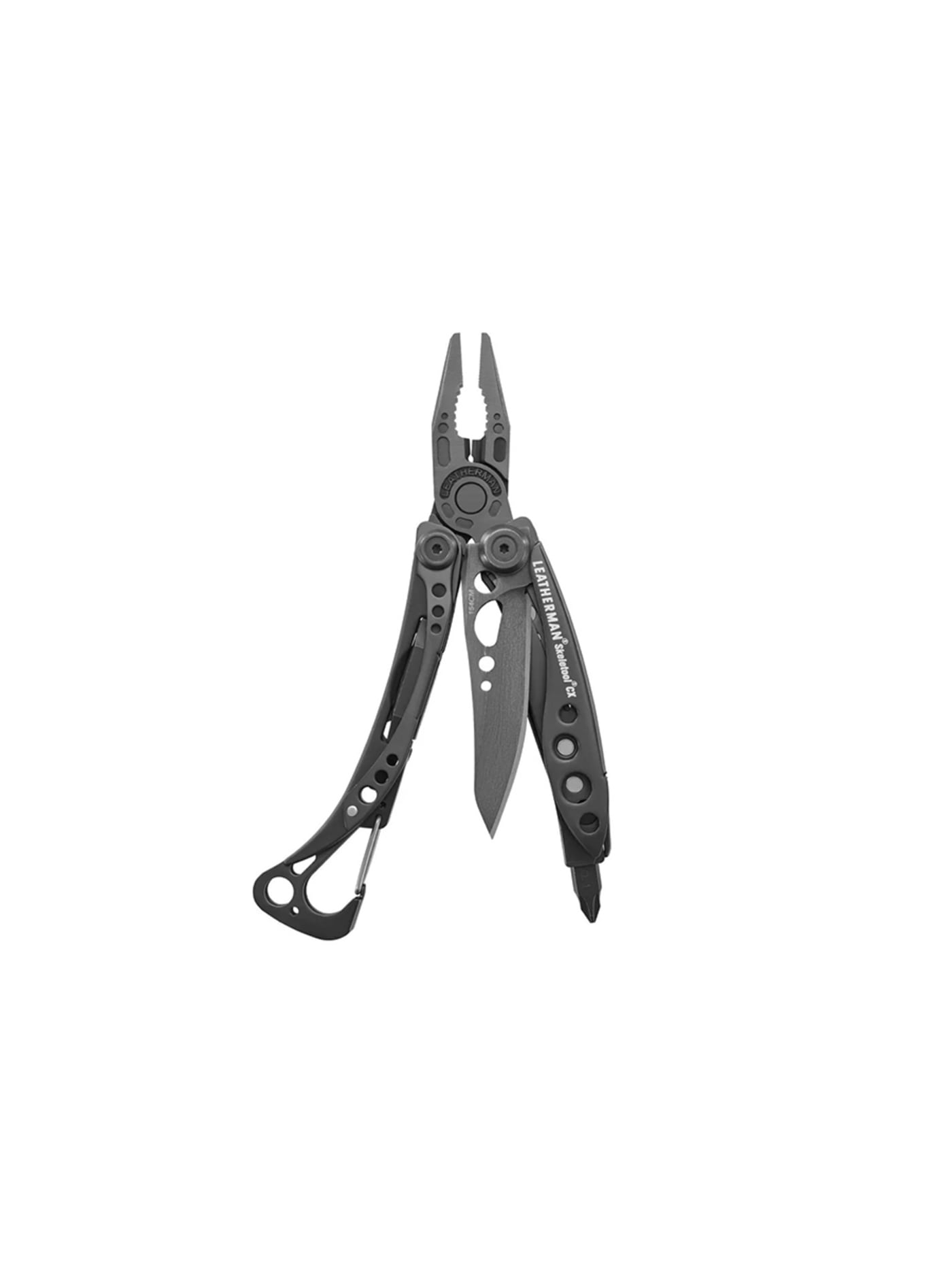
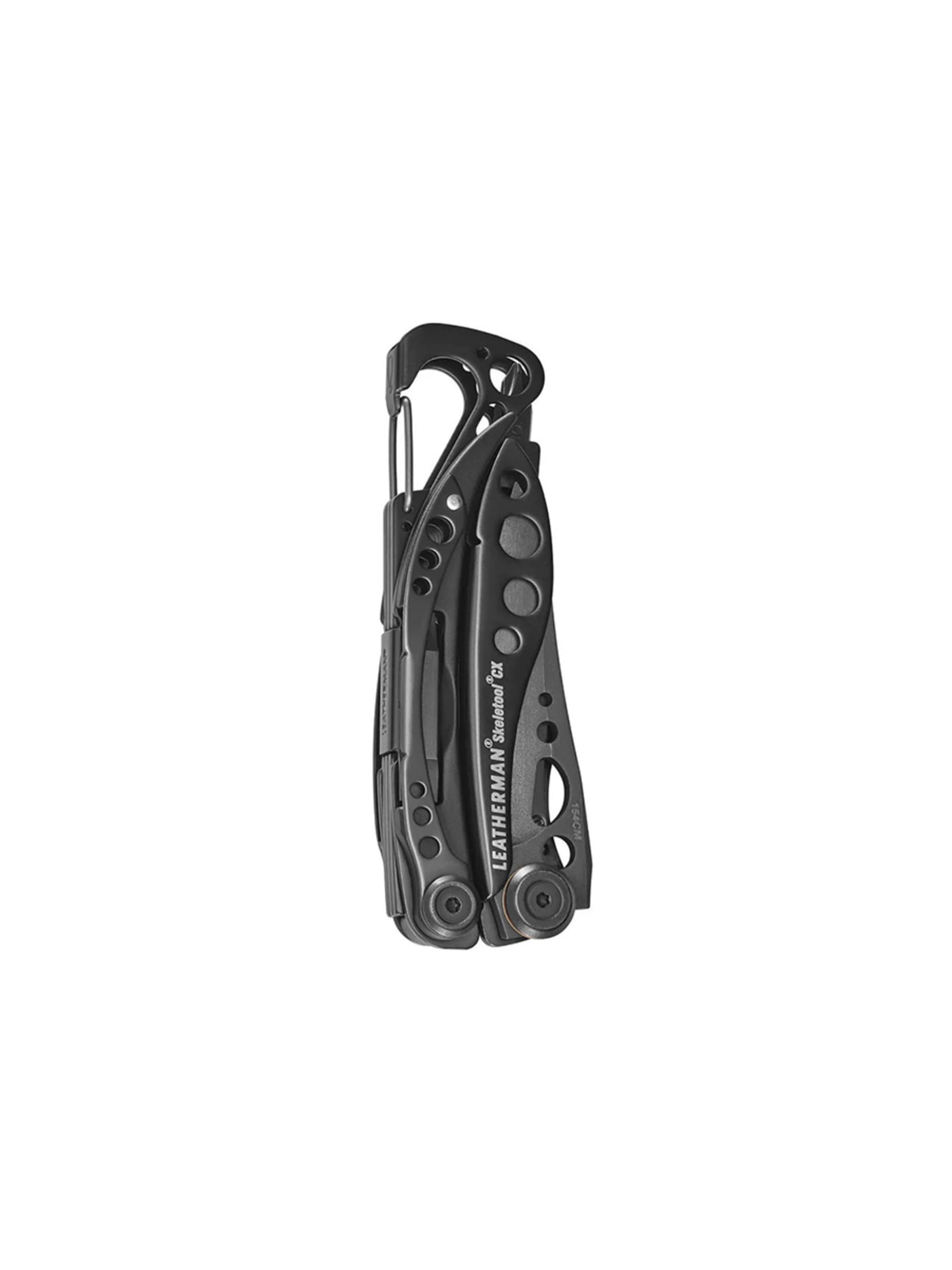
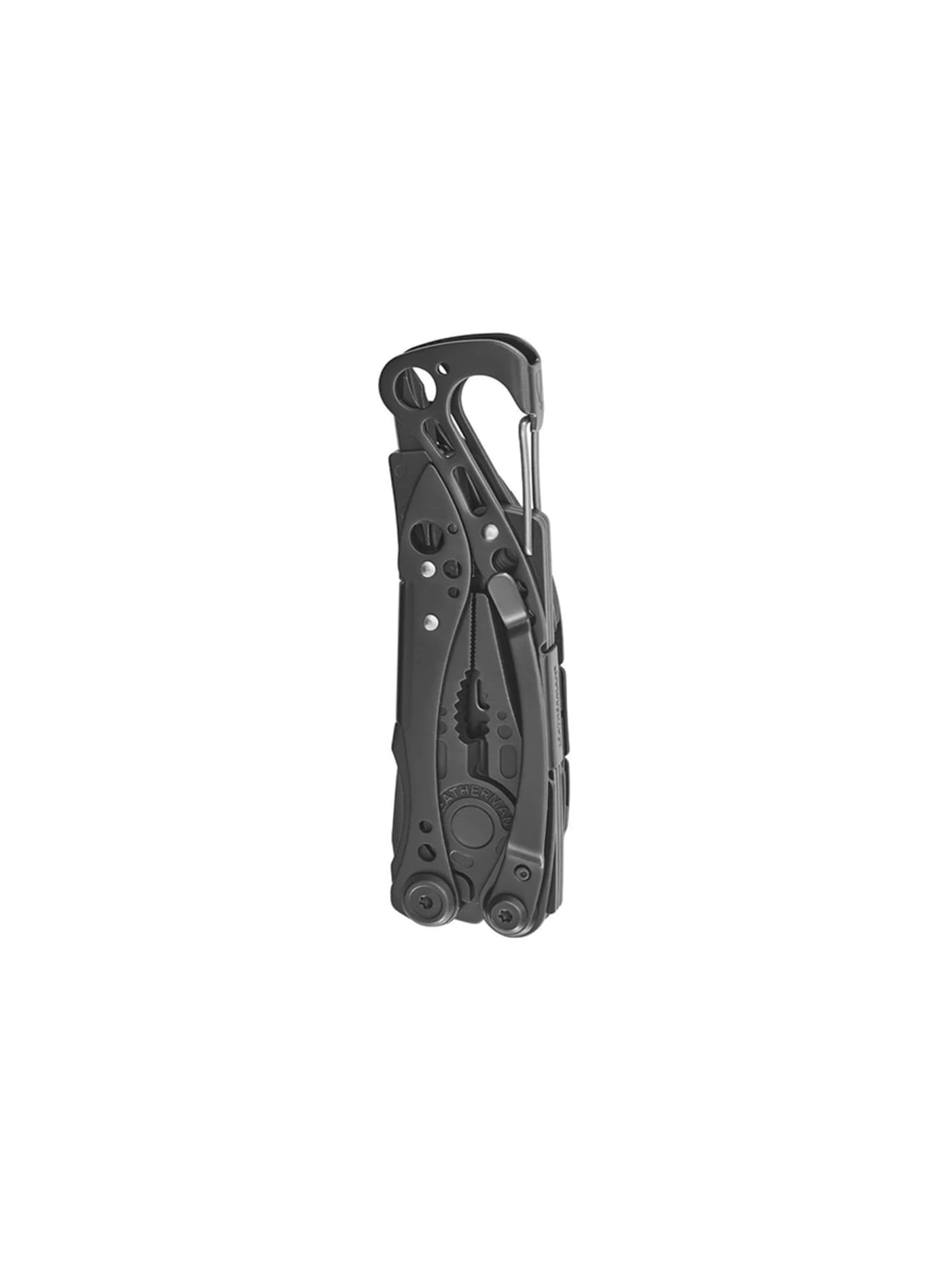
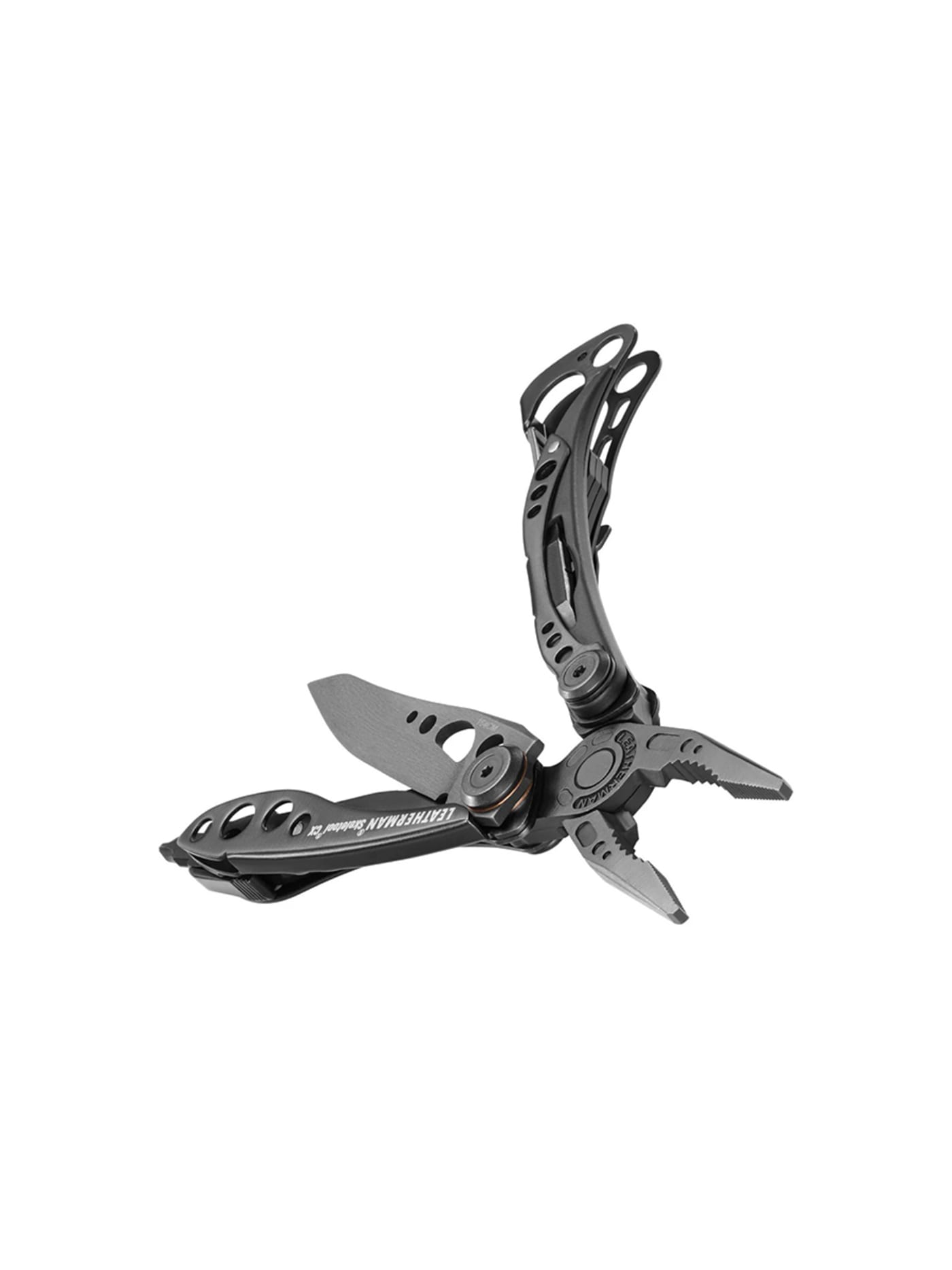
The Skeletool CX earns its place by being honest about what it is: a compact, carryable multi-tool that prioritises usefulness without pretending to replace a full toolkit. The design centres on weight reduction and immediate access to the functions that most justify daily carry, primarily pliers, a blade, and a bit driver. Everything else has been removed. The trade-off is completeness: broader tool variety and some robustness are sacrificed in exchange for something light enough to actually keep with you. Long-term confidence comes from proven construction, serviceability, and the way it tolerates being carried, bumped, and used without special care.
Design intent
- Cutting scissors, saw and secondary tools to the bone keeps weight and bulk down and removes the hunt for the right implement; what is left is what most people actually use.
- The premium 154CM blade is chosen so the knife, the most-used tool on any multi-tool, performs as a primary cutter rather than a token folding blade.
Trade-offs
- Without scissors, file or saw, the Skeletool reaches its limit quickly on jobs a fuller tool would manage; the design is explicit about that bargain.
- The bit driver takes Leatherman's flat proprietary bits, so standard quarter-inch hex bits need a separate adapter to use.


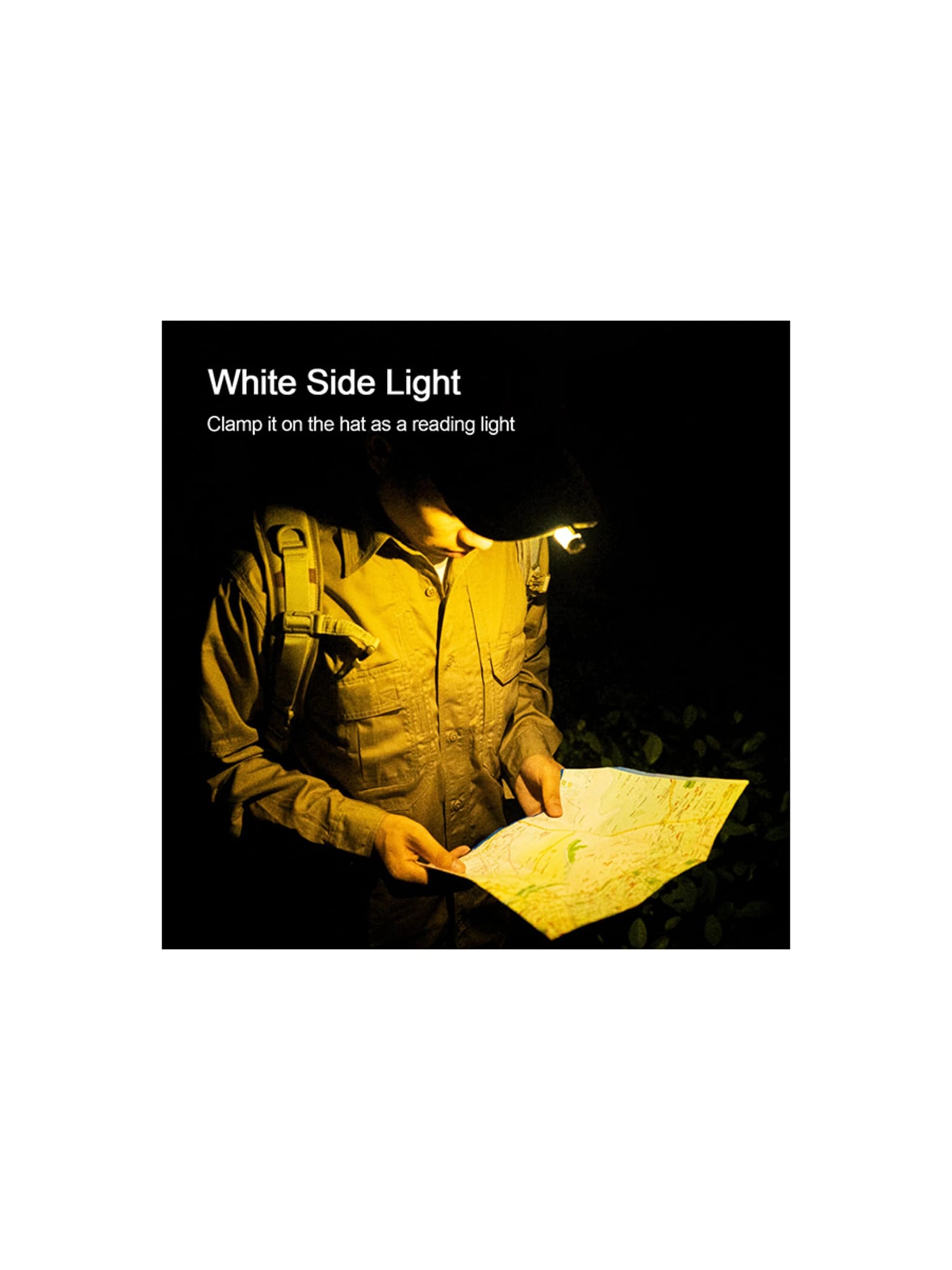
A keychain light succeeds or fails on a single question: is it worth carrying at all? The Aurora A8 compresses a genuinely useful function into a form that stays close without becoming annoying. The design prioritises access, low bulk, and reliable output for its size, covering the quick illumination needed in small, unplanned moments, often one-handed, often without preparation. Trade-offs show up in battery life and the limits of a small interface: it is not a long-duration light, and tiny controls can be fiddly under pressure. Long-term confidence rests on whether it survives constant pocket contact and remains predictable to operate after months of handling. The switch design, charging method, and attachment logic are all worth examining closely.
Design intent
- Putting a usable maximum output into a body this small is the point: the A8 prioritises having real light immediately to hand over the longer runtime a larger torch would give.
- A separate side panel adds close-range white, UV and red light beside the main beam, so one keyring-sized object covers several jobs without growing.
Trade-offs
- The small cell limits runtime and the body cannot shed much heat, so the main emitter steps down from its peak to around 80 lumens after a minute to stay safe to hold.
- Maximum output in a body this compact is a brief burst rather than a sustained one; for prolonged high output a larger light is the honest choice.
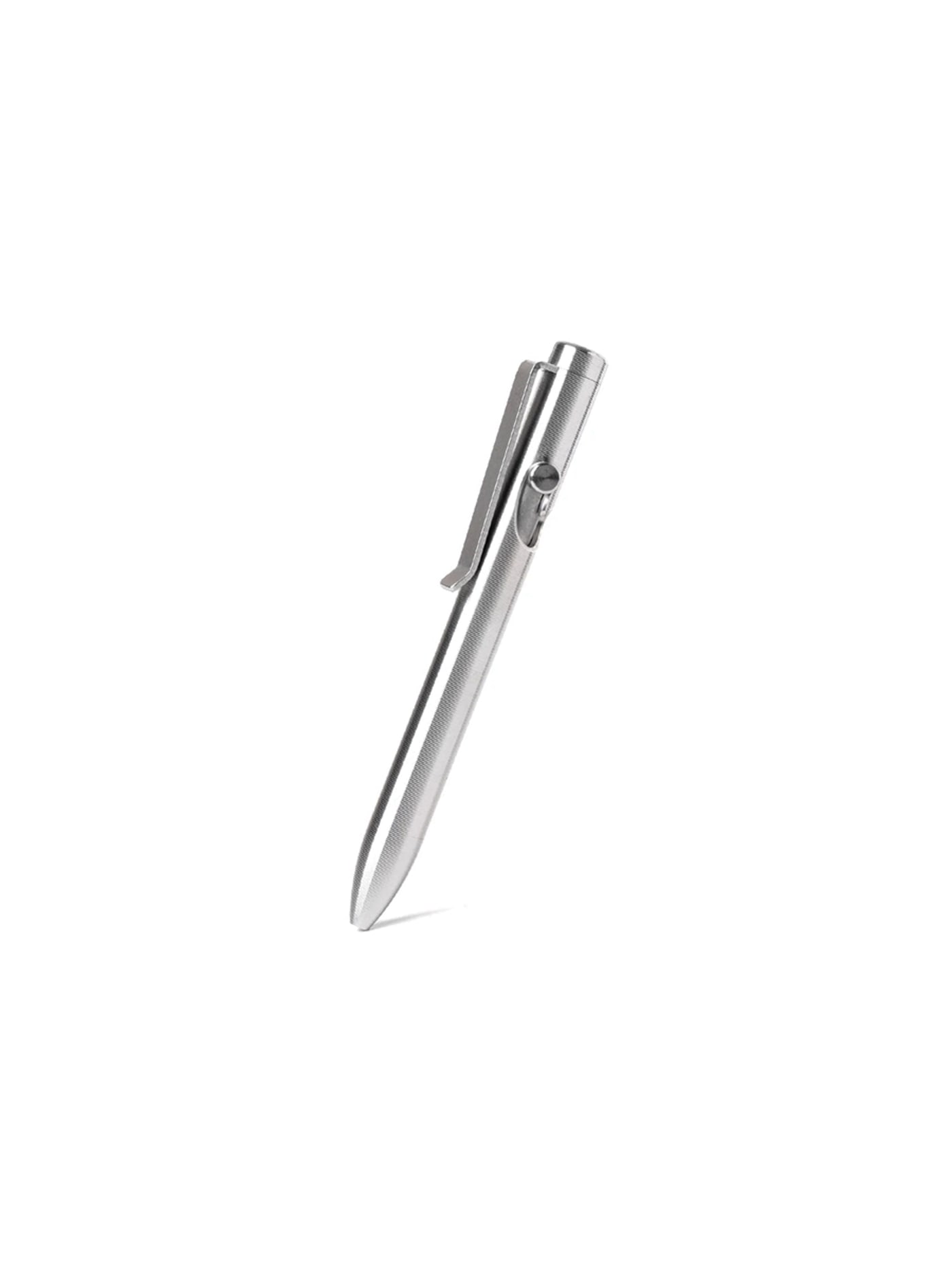
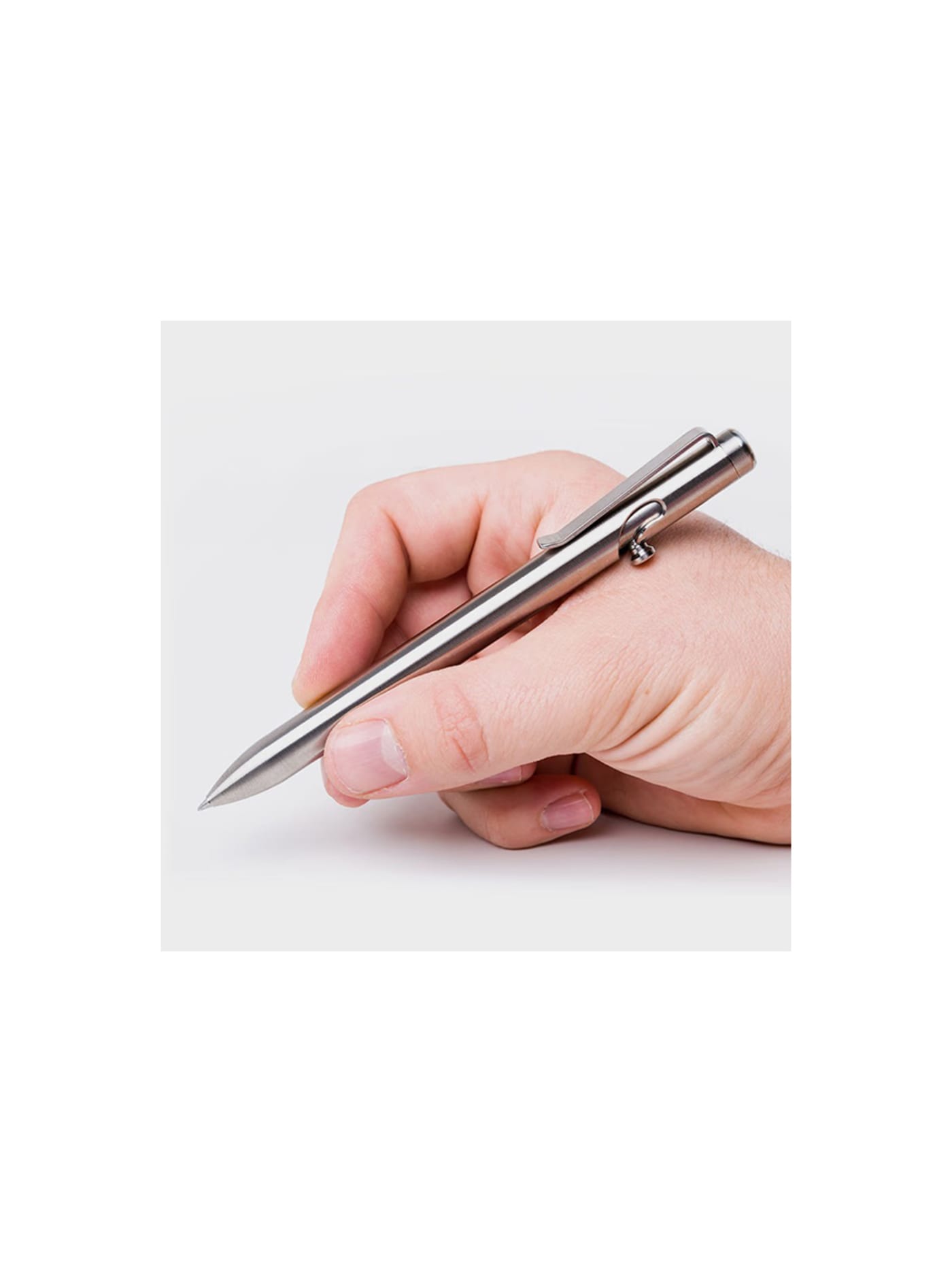
Pens fail in carry for predictable reasons: unintentional activation, drying out, or feeling too fragile to use quickly. The Tactile Turn addresses all three. The bolt action mechanism makes deployment tactile and controlled, and the state of the pen is easy to confirm by feel without looking. The machining and weight are higher than a disposable pen, and the product signals itself as a carry object rather than disappearing into a pocket. That is the trade-off: deliberateness in exchange for presence. Long-term confidence comes from the durability of the mechanism, reliable refill availability, and the way the body tolerates constant handling without loosening or degrading over time.
Design intent
- The bolt mechanism is not decoration: it gives a more positive extension and retraction than a click, with tactile and audible confirmation that the tip is locked out or safely stowed.
- Machining the whole pen in-house from barstock is what produces the play-free bolt and the near-invisible tip seam; the tolerances are the product, not the styling.
Trade-offs
- Racking the bolt back adds length at the top of the pen, which sits awkwardly for anyone used to a shorter instrument or to capping a pen.
- At several times the price of a quality high-street pen, it is positioned for the EDC and collector market; the cost reflects materials and machining, not writing performance alone.
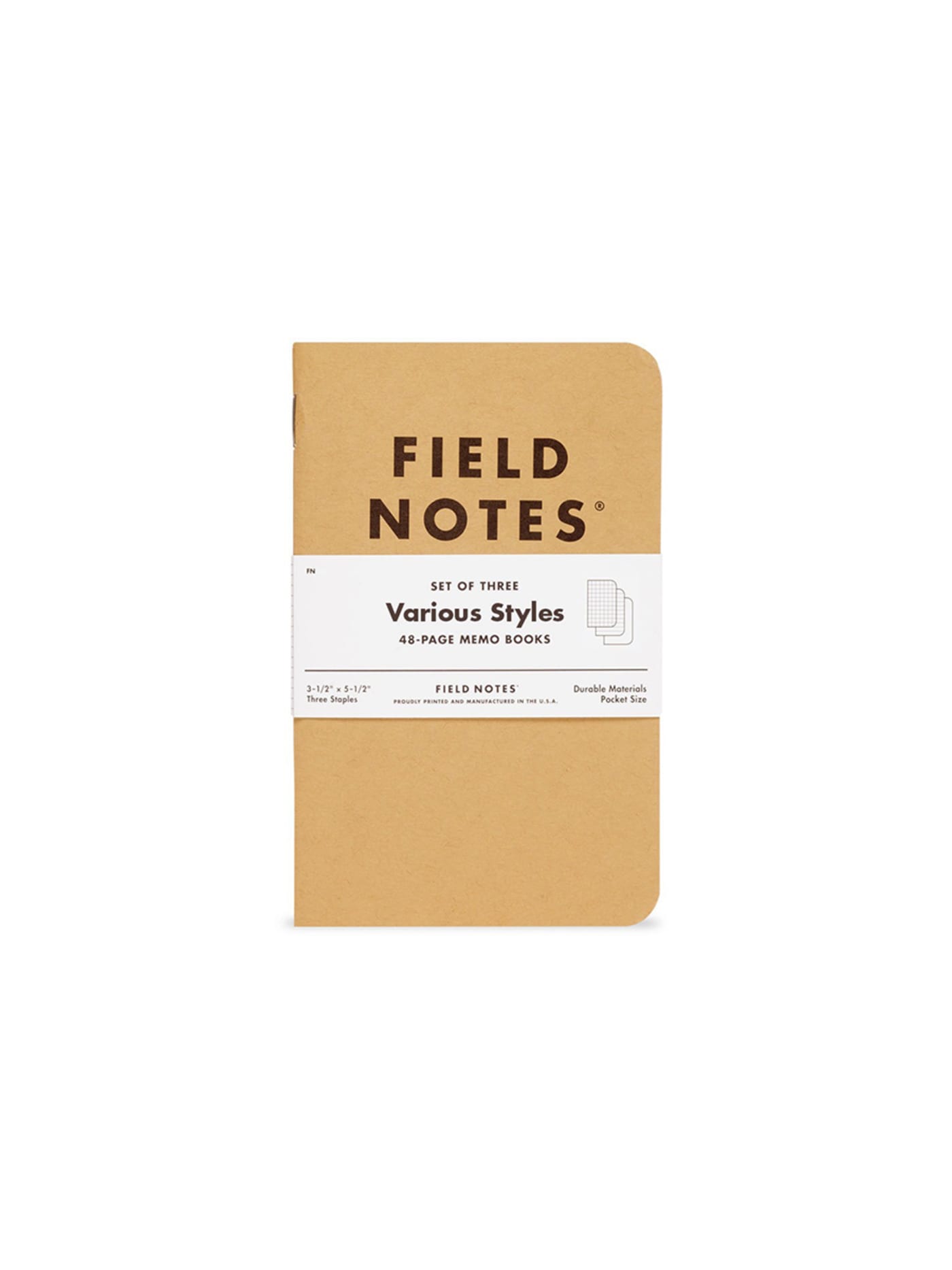


A notebook earns a place in carry when it survives being carried, not when it looks good on a desk. Field Notes Original Kraft works because it is simple, robust enough for friction-heavy environments, and replaceable without ceremony. The carry problem it solves is capture under motion: quick notes, lists, or sketches that do not need a precious object. The trade-off is durability under heavy abuse. Corners will soften, pages will show wear, and the cover is not weatherproof. What makes it worth carrying is that none of that stops it being usable. It encourages actual use rather than careful preservation, which is the more important quality in a pocket notebook.
Design intent
- Selling in three-packs normalises replacement and strips away the preciousness of a single notebook, so the format encourages use rather than preservation.
- The kraft cover is thick enough to survive a pocket without a sleeve and thin enough to add no real bulk, calibrated to carry rather than to a desk.
Trade-offs
- The 60lb paper handles pencil and most pens but will feather with wet fountain-pen inks and bleed under markers; it optimises for cost and portability over ink range.
- The staple binding has a finite flex life and will loosen with heavy use, consistent with the disposable premise but worth knowing.
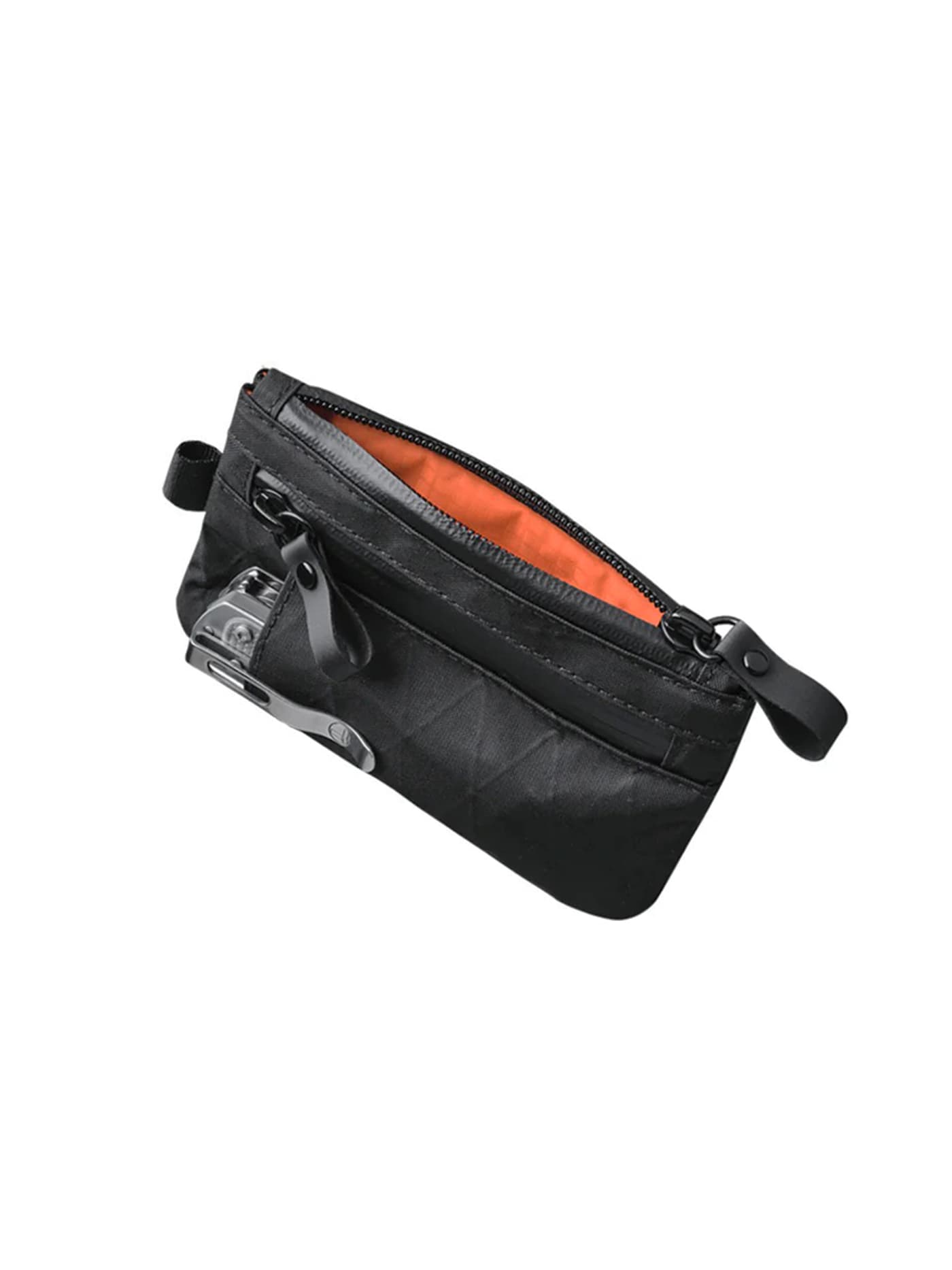


Small objects become unmanageable when they float in a bag. The Alpaka Zip Pouch Pro solves this by creating a controlled container with legible internal logic, reducing search time and limiting contact damage between items. The key design tension is internal structure against flexibility: too much structure wastes space for anyone who doesn't need it; too little produces a soft pocket inside a bigger pocket. The trade-off is added volume and the risk of over-organising, since a pouch can become a collection point if the compartments don't match your actual habits. Long-term confidence rests on zip quality, seam durability, and how the fabric ages under friction and repeated opening.
Design intent
- The three external slots are left open rather than zipped, a deliberate trade of security for speed: the gear they carry is meant to be grabbed without thought.
- X-Pac VX21 is dimensionally stable in a way woven nylon is not, so the pouch keeps its shape and protects flat contents instead of slumping around them.
Trade-offs
- Those open slots retain nothing on their own. Anything narrower than the slot will shift or fall out, so they suit objects with a clip or a snug fit.
- It is wider than a minimal card wallet. For someone carrying only cards and cash, the extra footprint and the tool slots are capacity they will not use.


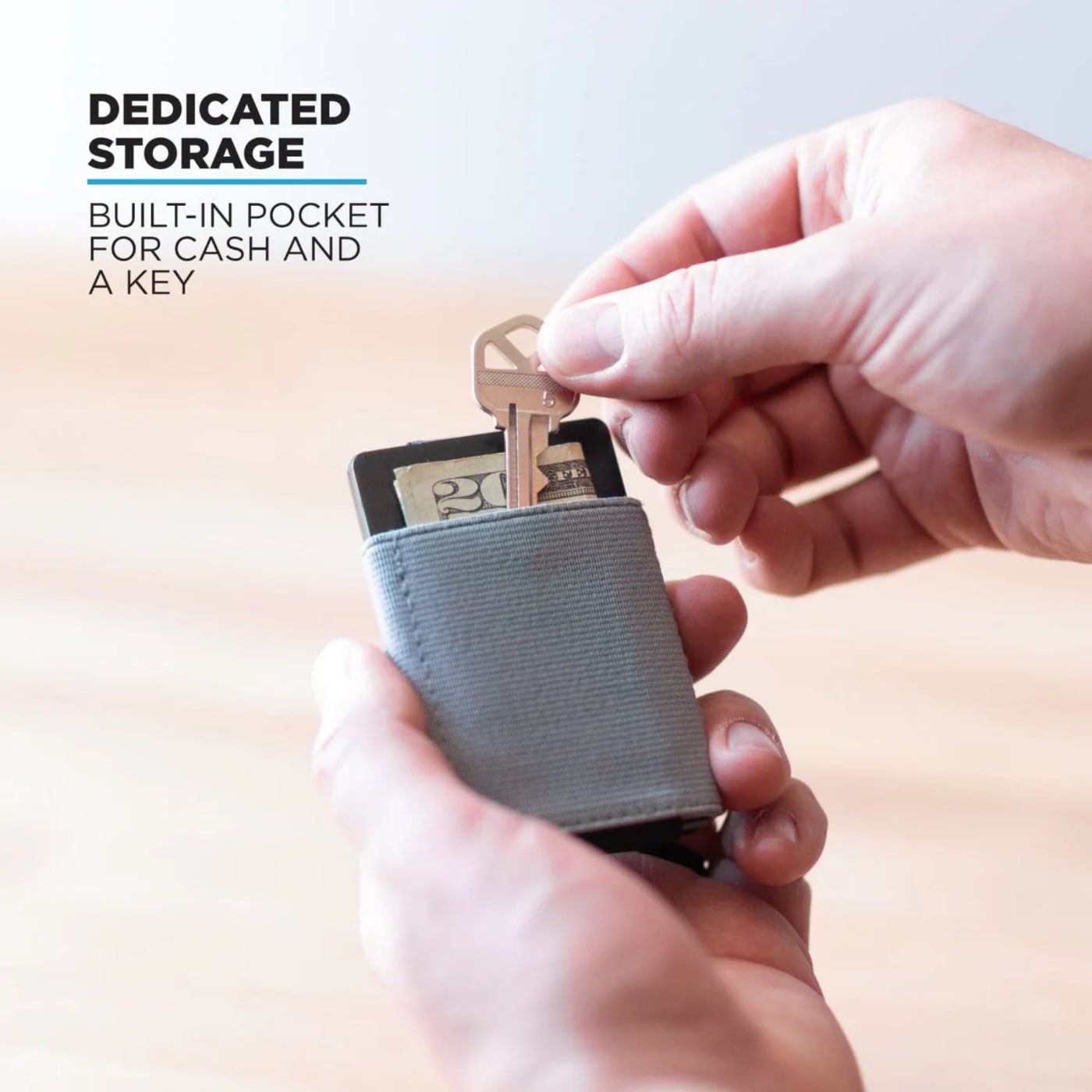

Wallet design is a study in controlled compromise. Capacity, thickness, access, and durability cannot all be maximised, and the products that try to satisfy all four usually do none of them well. The Gomatic Slim Wallet focuses on thin carry and structured access, aiming to reduce pocket bulk and daily handling friction. The trade-off is flexibility: slim wallets are less forgiving when you need to carry more than usual, and structured systems can dictate how you load them rather than adapting to what you have. Long-term confidence comes from how the materials resist edge wear, how the seams hold, and whether the wallet maintains its shape through months of back-pocket use. (Alt: Ridge wallet)
Design intent
- The pull-tab brings the most-used cards up in one motion, faster and needing less dexterity than thumbing cards out of a rigid plate.
- An elastic woven body stays thin and forgiving in the pocket even when loaded, gripping cards rather than rattling them like a metal case.
Trade-offs
- Woven elastic stretches over time; after a couple of years of daily use the grip slackens, and the worn parts are not designed to be replaced.
- It rewards a consistent load: stuffed past its comfortable range, access slows, and very thick or embossed cards sit less neatly than the marketing suggests.
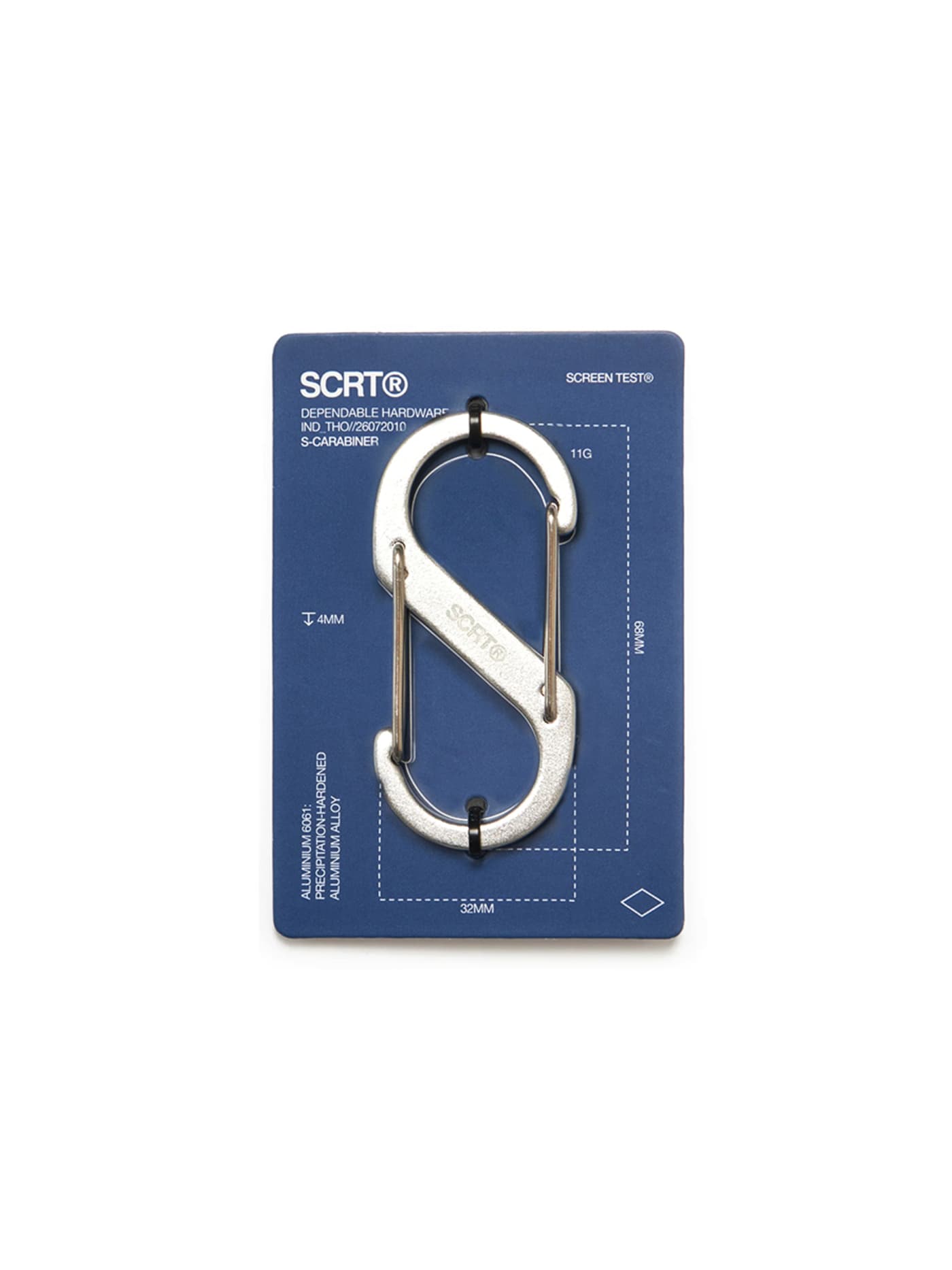
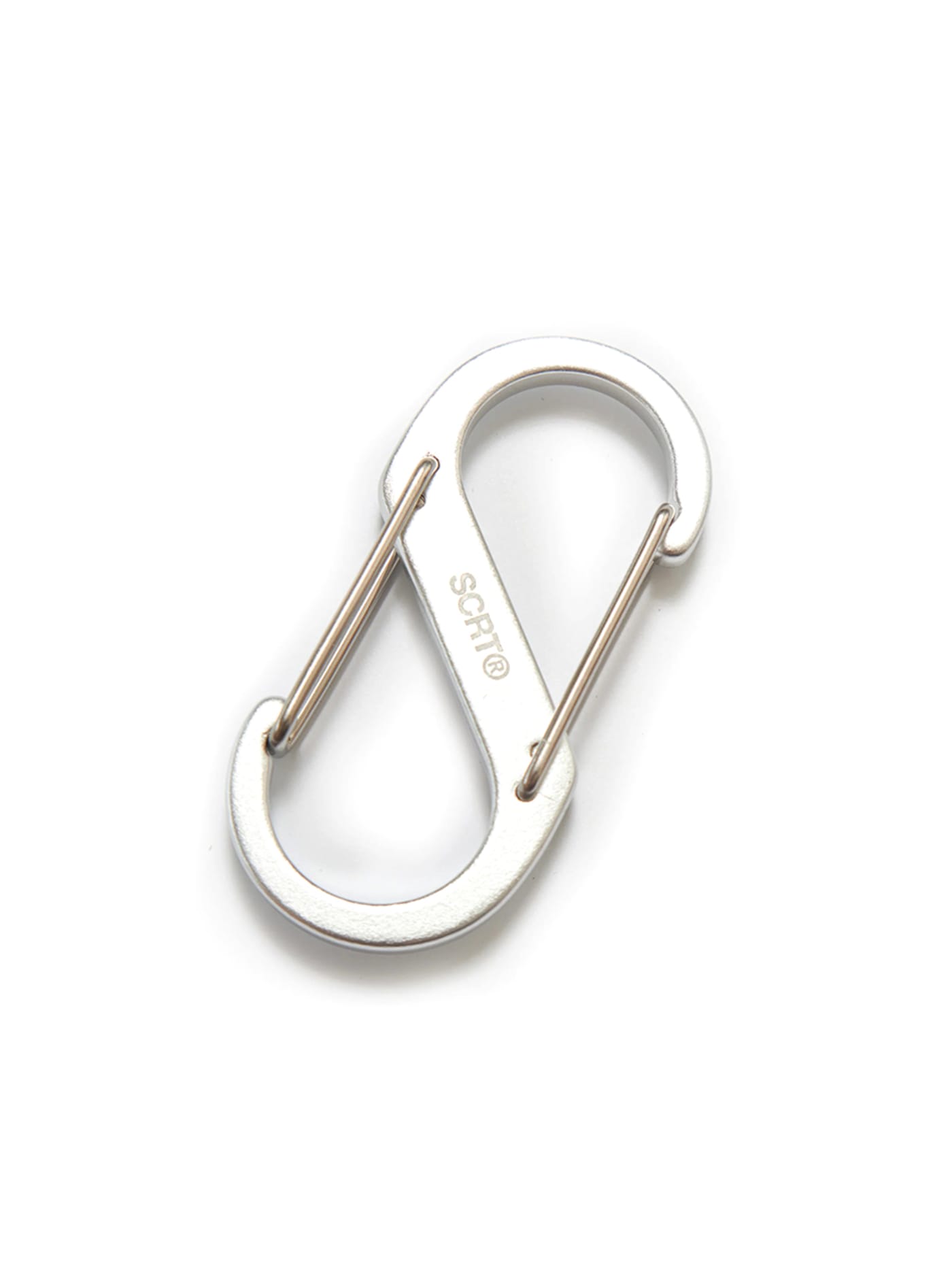
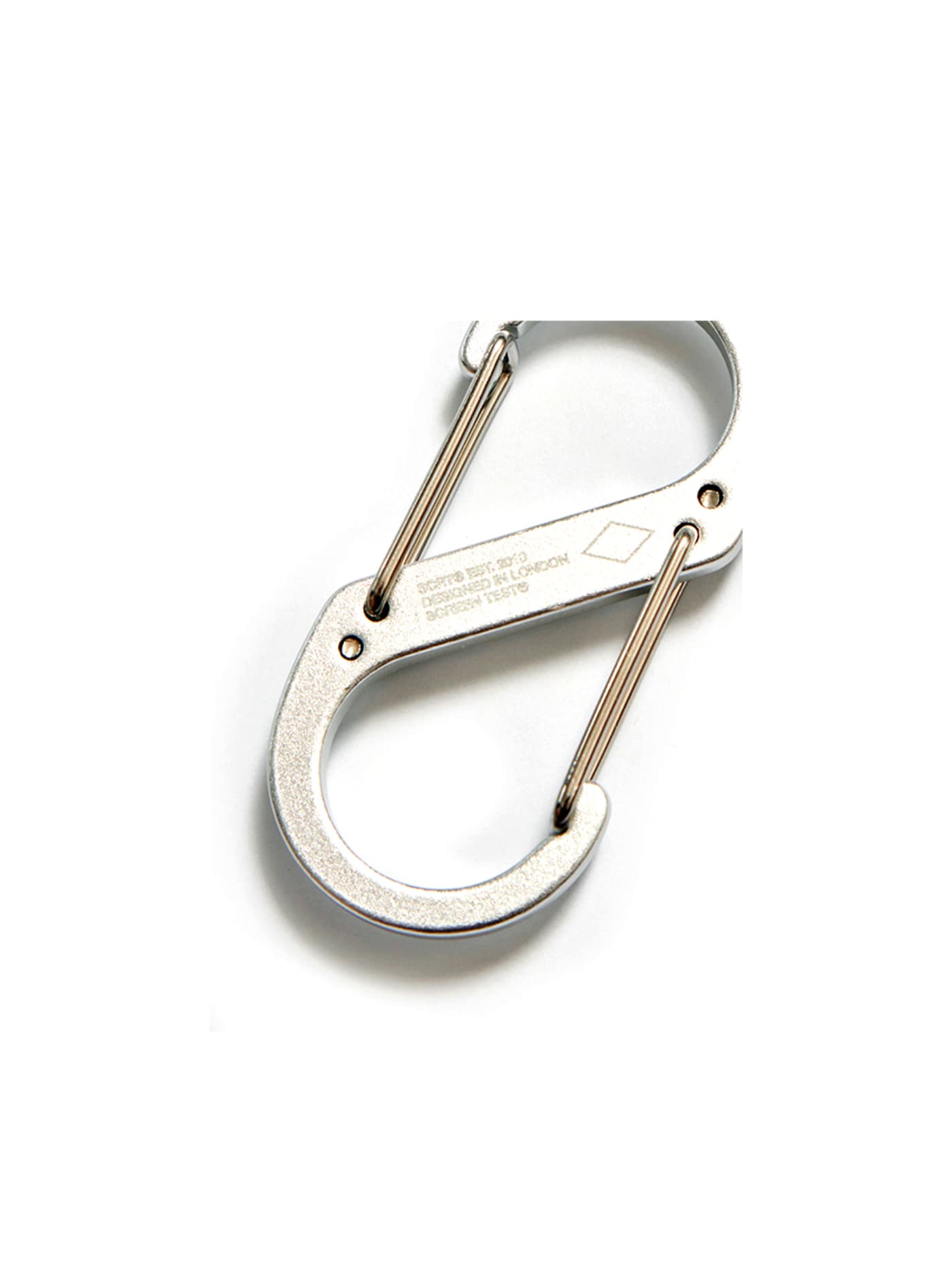
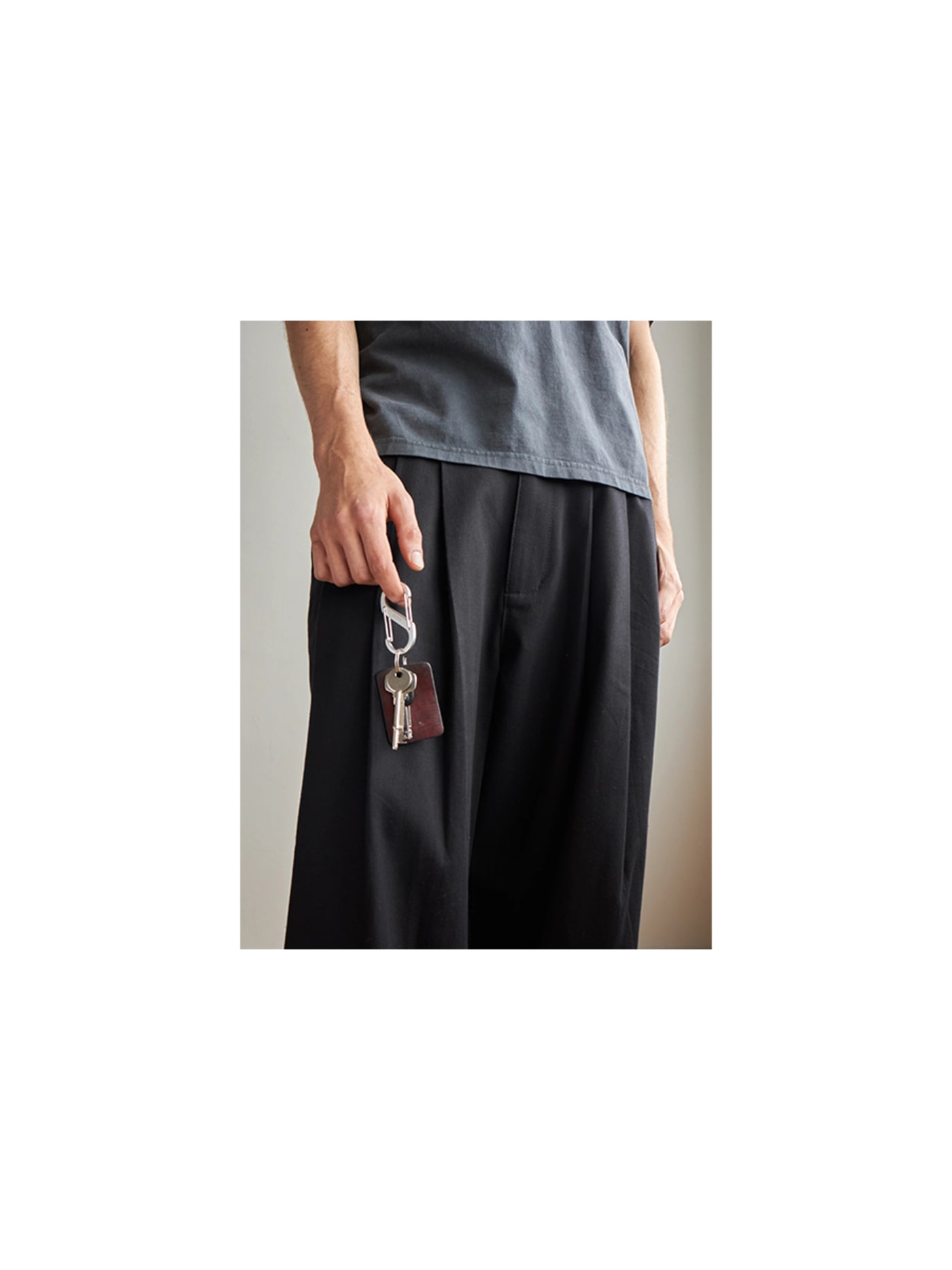
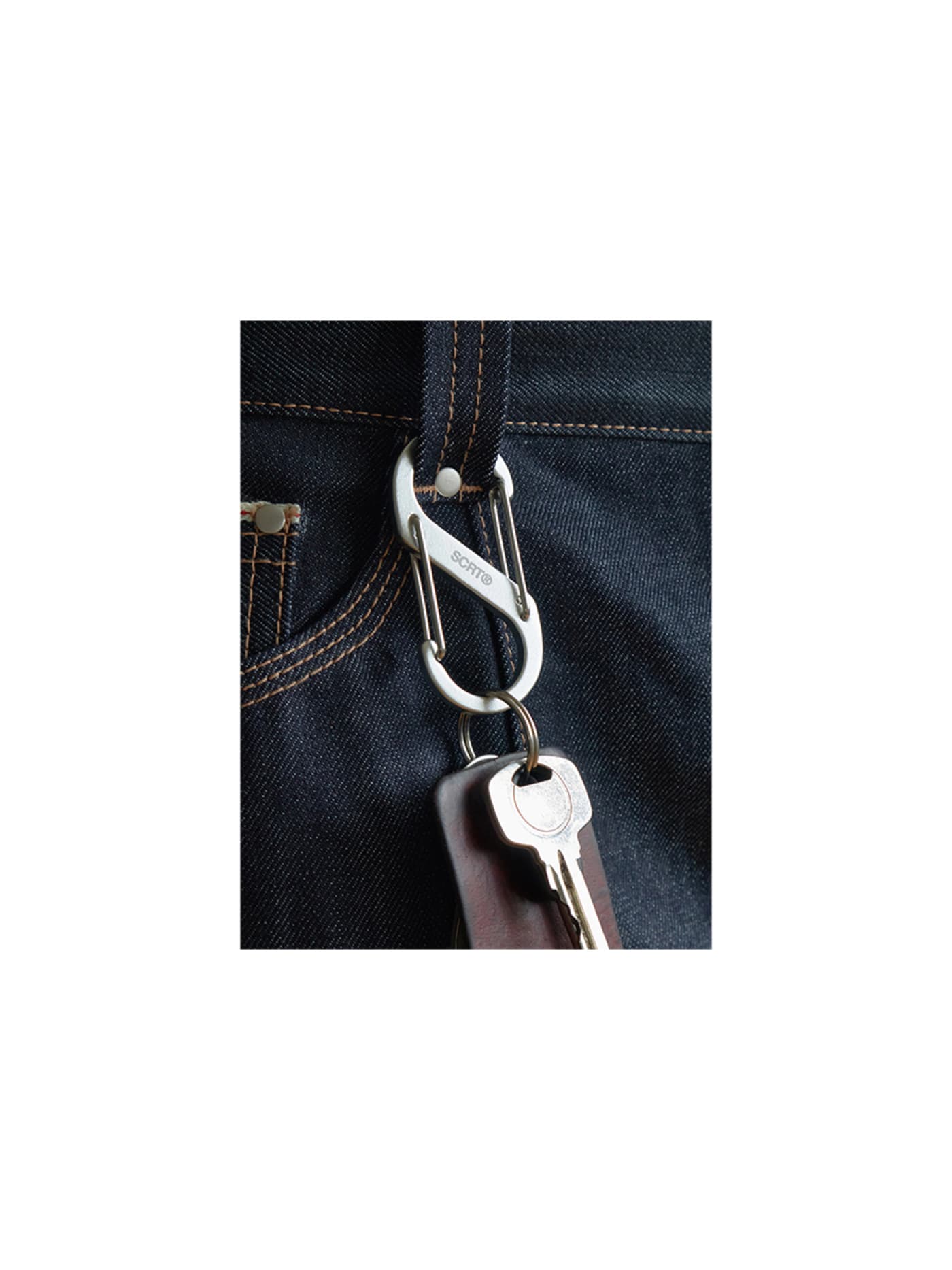

A dual-gate carabiner is one of the few carry items where the category matters more than the specific product. The function is modular attachment without a fixed configuration: connecting keys, small tools, and bag loops in combinations that can change without requiring new hardware. The SCRT S-Biner is a well-made example of this, but the design problem it solves is not unique to this manufacturer, and several alternatives perform it equally well. The category trade-off applies regardless of which product you choose: dual gates introduce the possibility of accidental release if misused, and small sizes can be fiddly under gloves or limited dexterity. What to look for in any product of this type is gate action quality, corrosion resistance, and how the spring tension holds after months of constant movement. (Alt: Heroclip mini, Nite Ize S-Biner)
Design intent
- Keeping the carabiner to a single clean function, with no bottle opener or hidden tool, is the whole design position: nothing competes with the form and the finish.
- The proportions and the toughened-alloy build are judged for how the object looks and feels clipped to a bag or keys, treating an everyday fitting as something worth designing properly.
Trade-offs
- It is not a climbing-rated, locking carabiner: like most accessory clips it can open under the wrong load, so it should carry keys and pouches, not anything that matters if it drops.
- It is premium-priced in a category where a hardware-store clip does the same mechanical job for a fraction of the cost; the value is in design and finish, not capability.
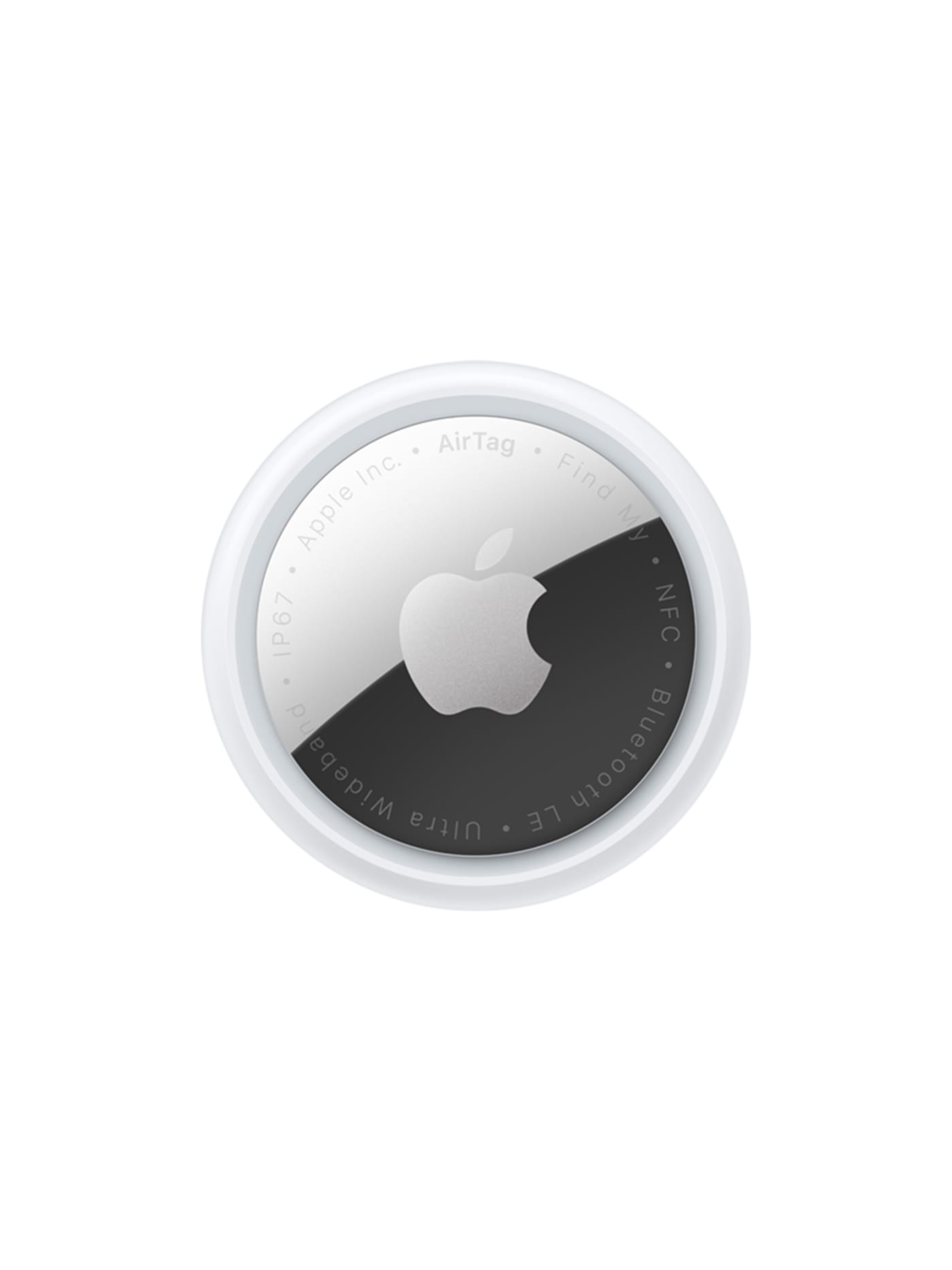
The AirTag earns its place not through daily interaction but through the removal of a specific kind of mental load: the low-level uncertainty of not knowing where an essential item is. It is small, durable, and designed for constant proximity to other objects. In a carry context, it functions as reassurance rather than a tool, and that distinction matters. The trade-off is full ecosystem dependency and the fact that it is only as useful as the attachment method chosen. Without a considered way to fix it to a bag, key ring, or case, it introduces bulk and noise without adding value. Long-term confidence comes from the simplicity of battery replacement and how the tag tolerates abrasion and impact in real carry conditions.
Design intent
- Locating intelligence lives in the surrounding Find My network rather than in the tag, which is what keeps the AirTag passive, cheap and able to run a year or more on a coin cell.
- The battery is user-replaceable without tools, an honest decision in a category where most rivals are sealed and discarded when they die.
Trade-offs
- Its usefulness is entirely contingent on Apple's ecosystem. Away from iPhones it is an inert disc, with no GPS or cellular of its own.
- It locates the object it is attached to, not itself: drop a bare AirTag and its small, featureless body is hard to find by hand.

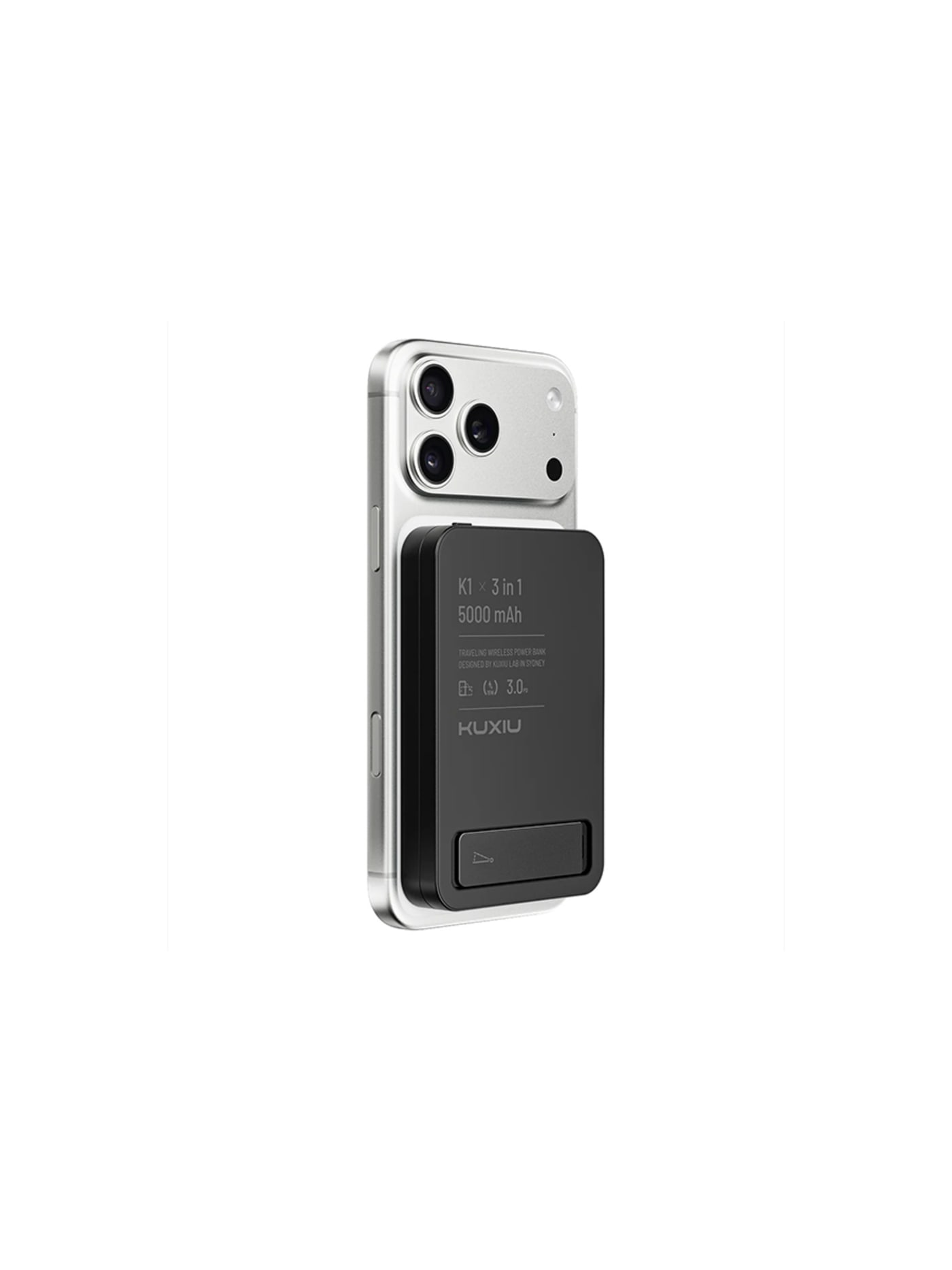
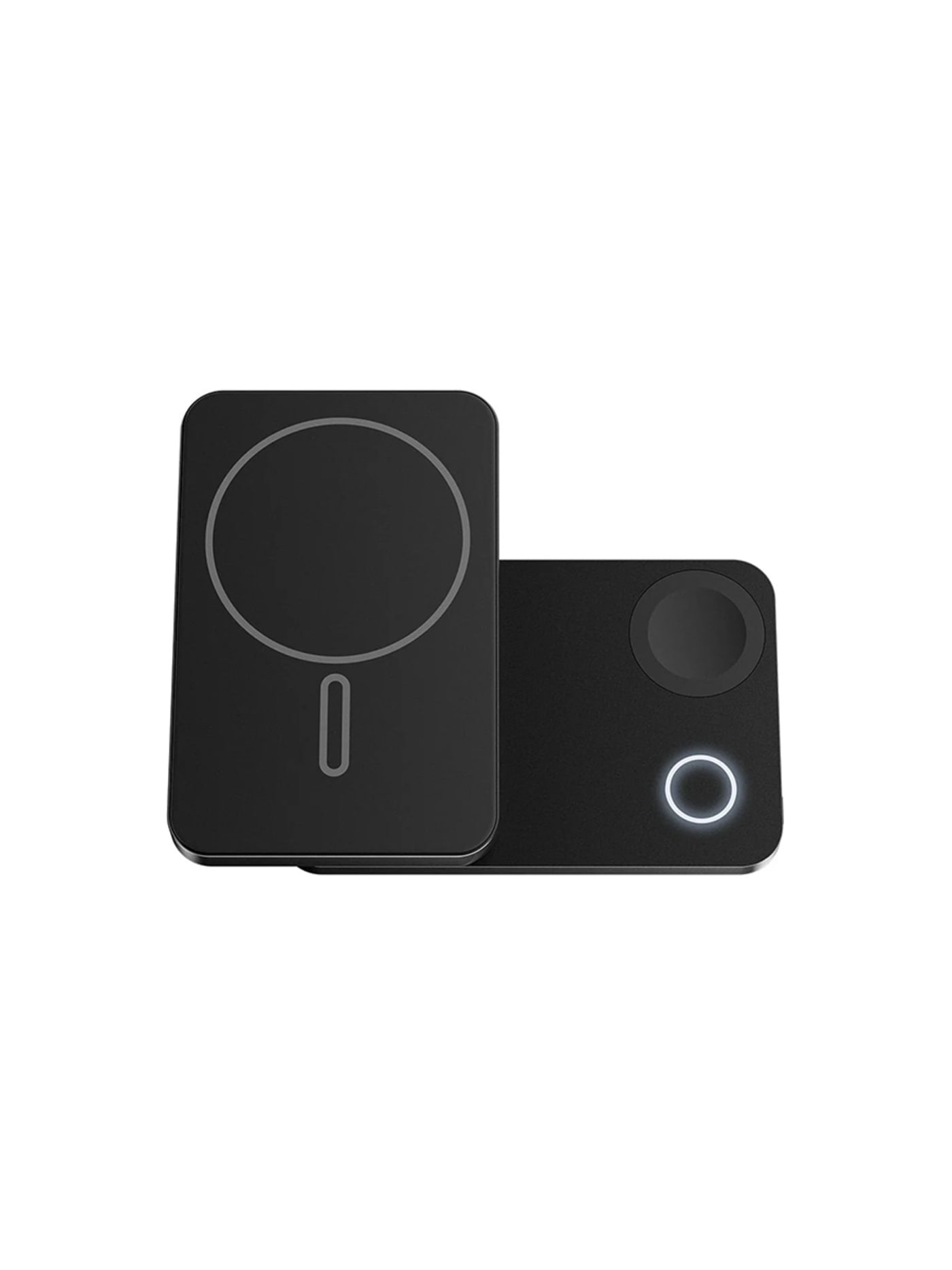
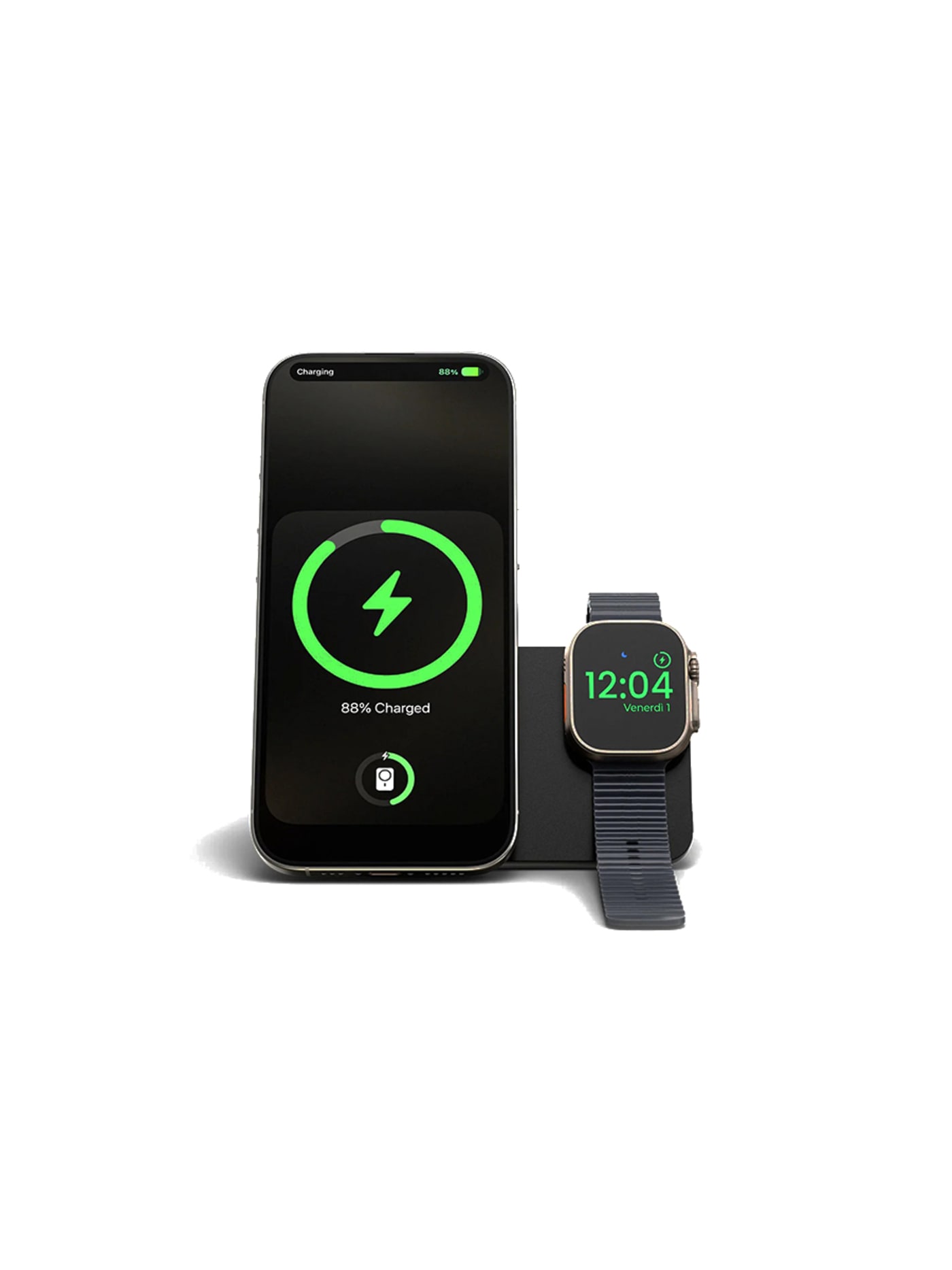
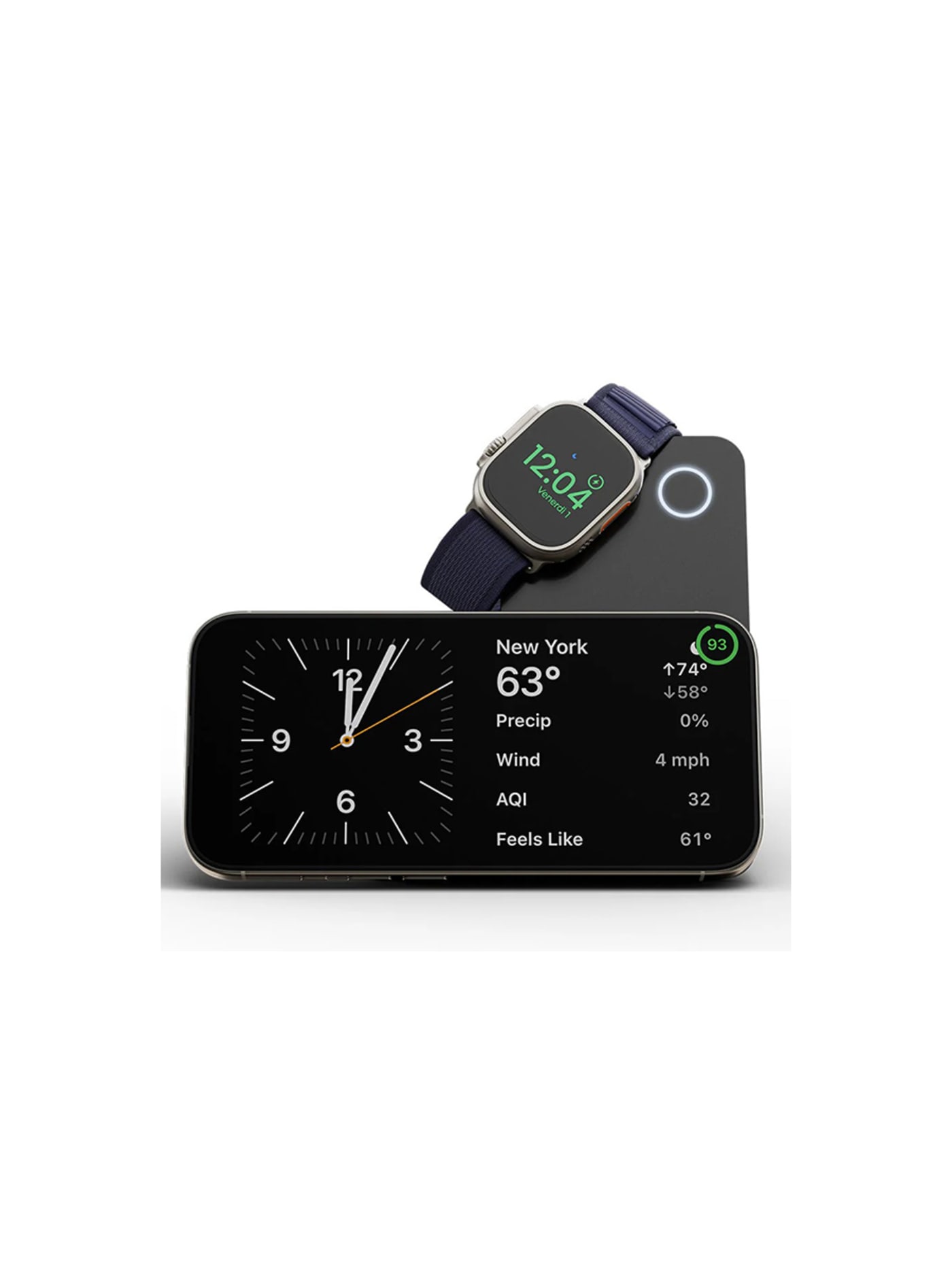

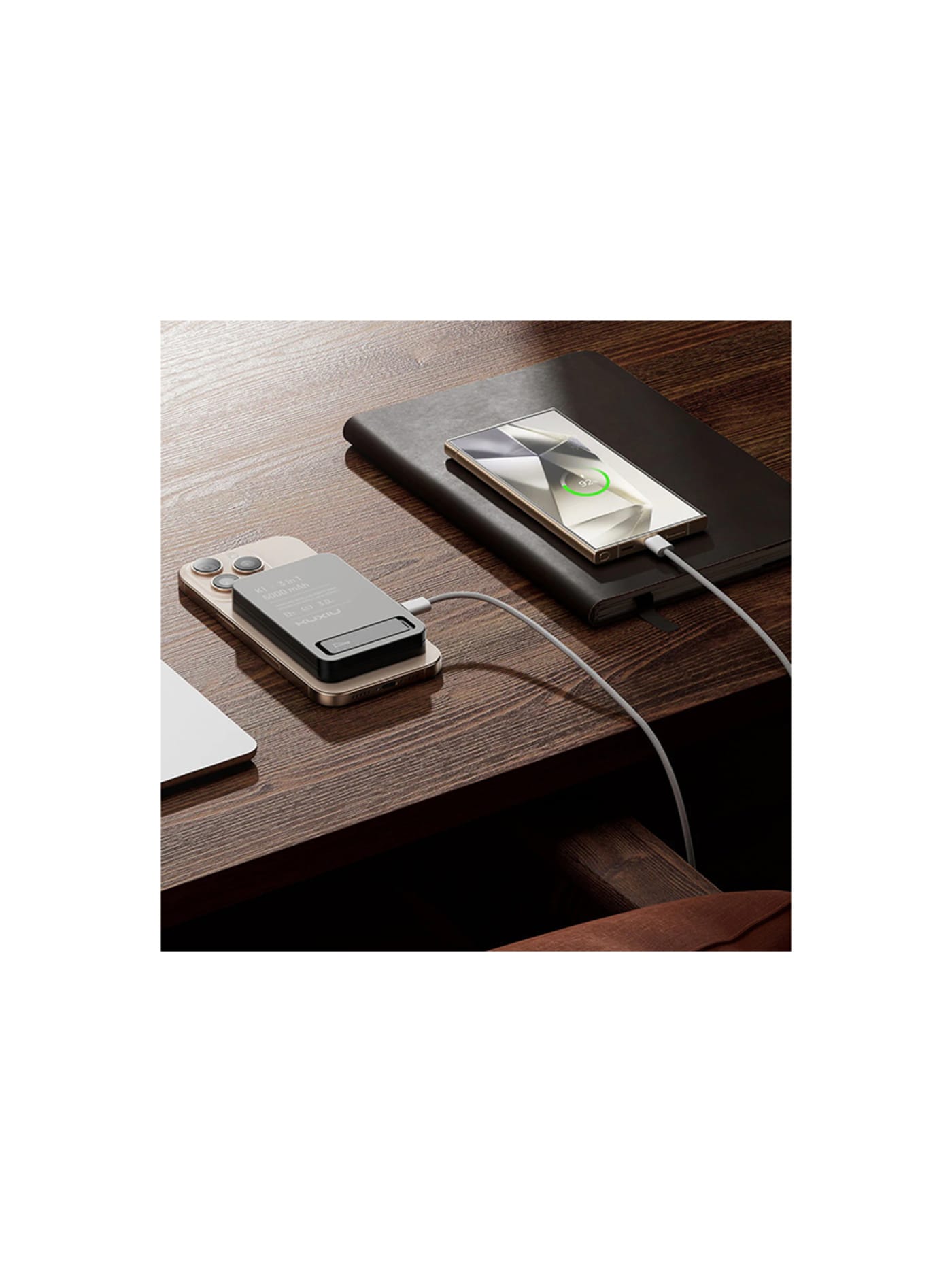

Most power banks ask you to carry a cable as well. The KUXIU K1 removes that step: it attaches directly to the back of an iPhone through a MagSafe-strength magnet array and charges wirelessly at a genuine 15W over Qi2, rather than the throttled 7.5W many magnetic banks settle for. The decision at the centre of the design is consolidation. A rear section rotates out to expose a second pad for an Apple Watch or AirPods case, and that same panel doubles as a stand, so a bank, a watch charger and a propping accessory collapse into one object about the size of a pack of cards. The trade-offs are worth naming plainly. It is built entirely around Apple hardware, so it earns its carry space only for people who run iPhone, Apple Watch and AirPods as a daily set. That is the same dependency consideration as the AirPods Pro 3 entry in this list. The compact form also caps real capacity at roughly 1.2 phone charges, and the rotating hinge that makes the whole concept work is the part to watch over time. For those inside the ecosystem, the consolidation is a genuine design achievement. For anyone outside it, it offers nothing.
Design intent
- The rotating rear panel is the central decision: one mechanism serves as both the second charging surface and a fold-out stand, which is what lets a single object replace a power bank, a watch charger and a propping accessory without growing beyond the footprint of a phone.
- It charges over Qi2 at a genuine 15W using sixteen N52 magnets in Apple's own layout, rather than the weaker generic arrays that throttle to 7.5W and drift off the coil, so the phone stays aligned and charges at full speed even while the bank is carried or held one-handed.
Trade-offs
- It is built entirely for Apple hardware. The magnet layout, the charging profiles and the secondary pad all assume an iPhone, Apple Watch and AirPods, so for anyone outside that set most of the design is inert weight and the bank offers no reason to choose it over a plain USB-C battery.
- The slim form caps capacity at around 1.2 phone charges, and wireless transfer loses further energy as heat, so the usable top-up falls short of the headline figure. The 10000mAh version recovers the capacity only by becoming thicker and heavier, giving up the pocketability that is the original's whole argument.
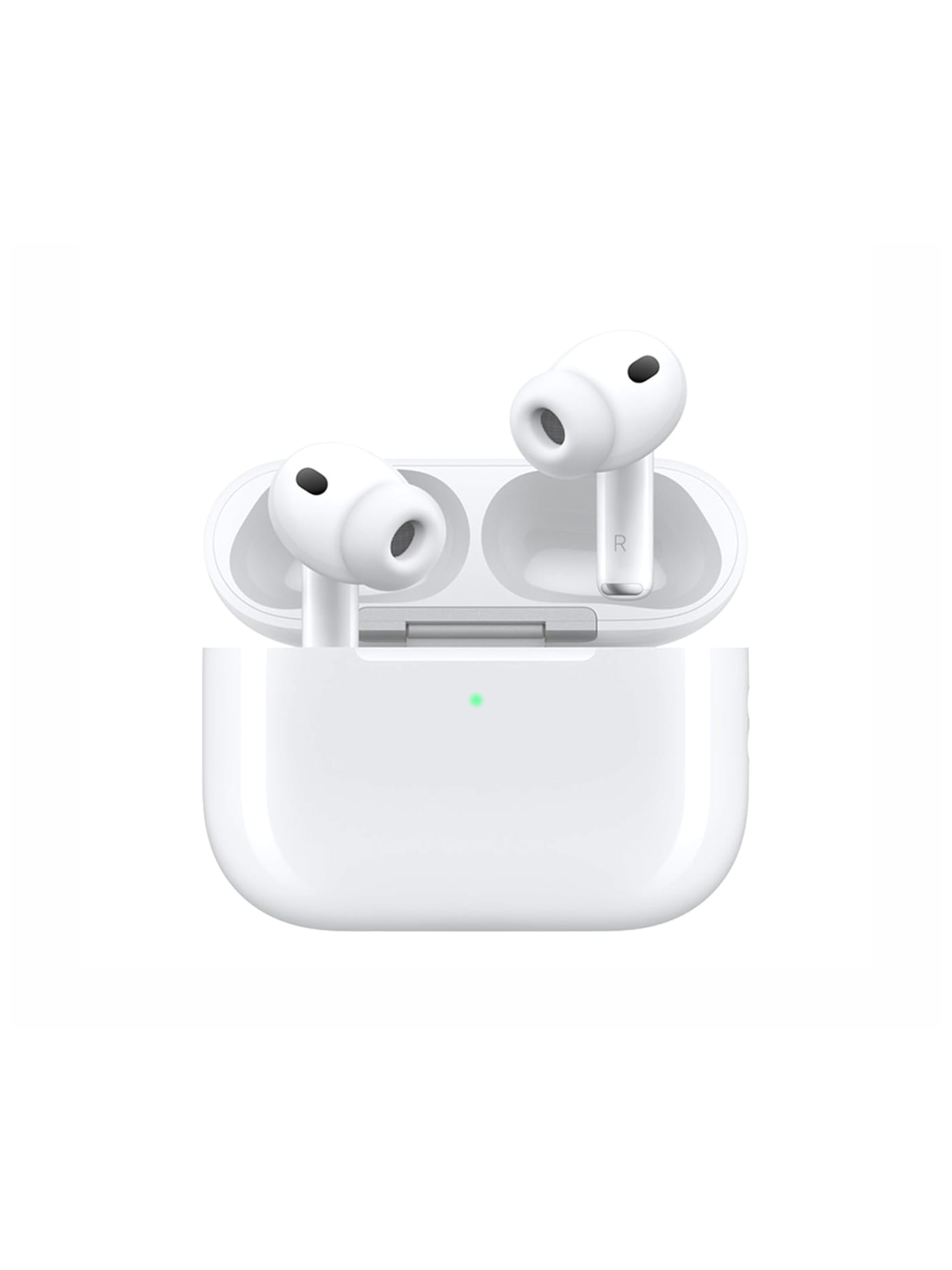
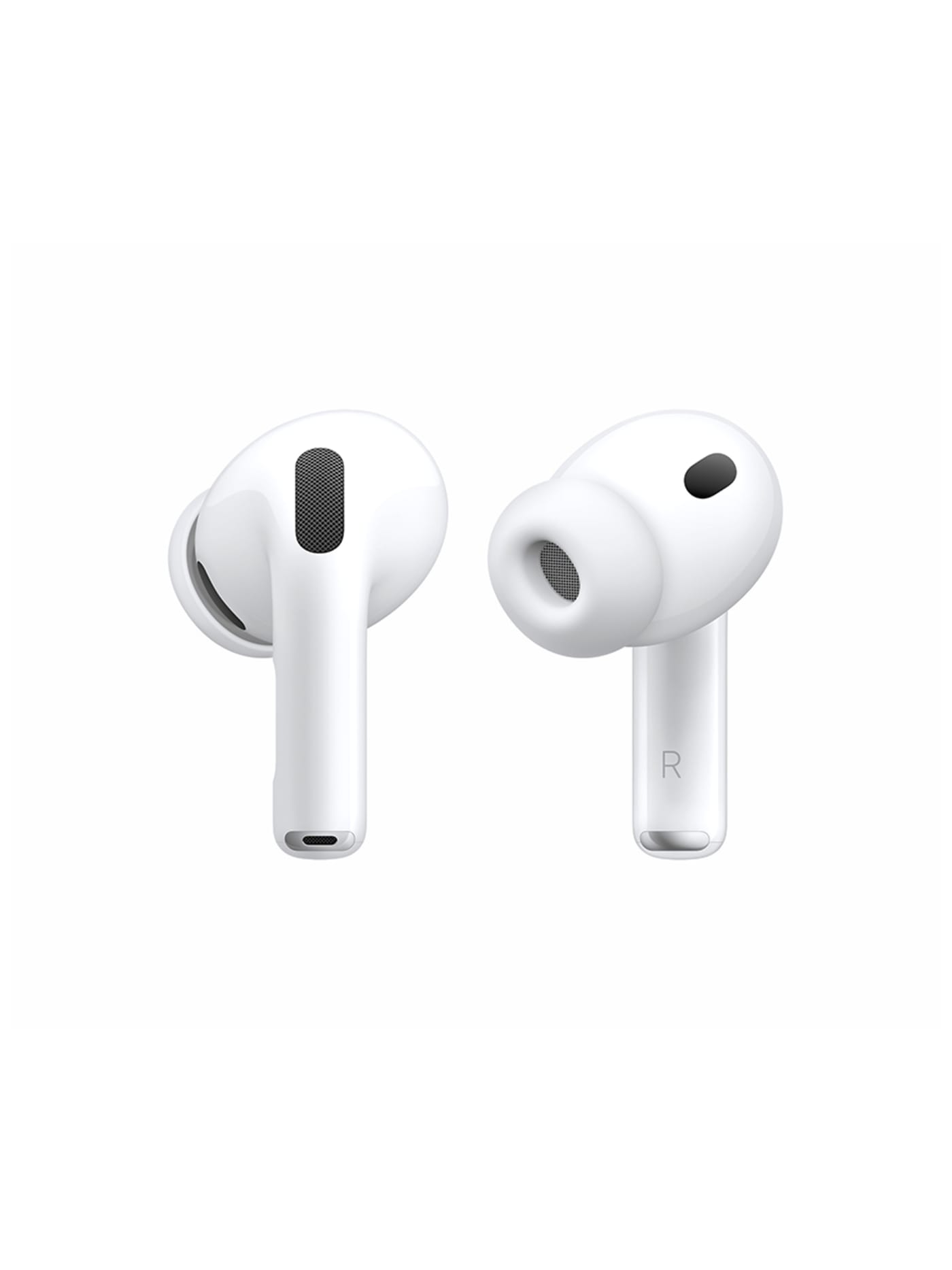
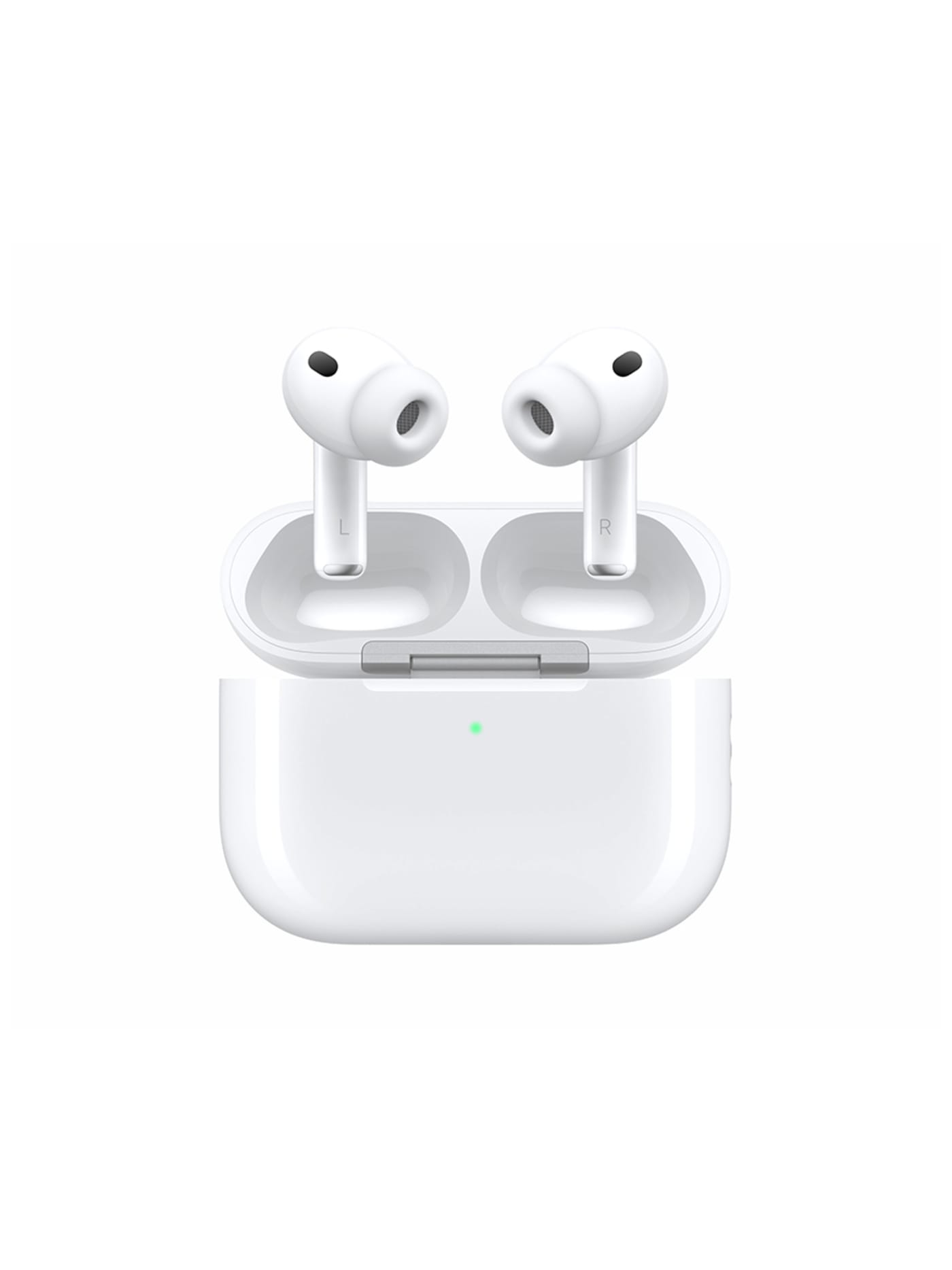
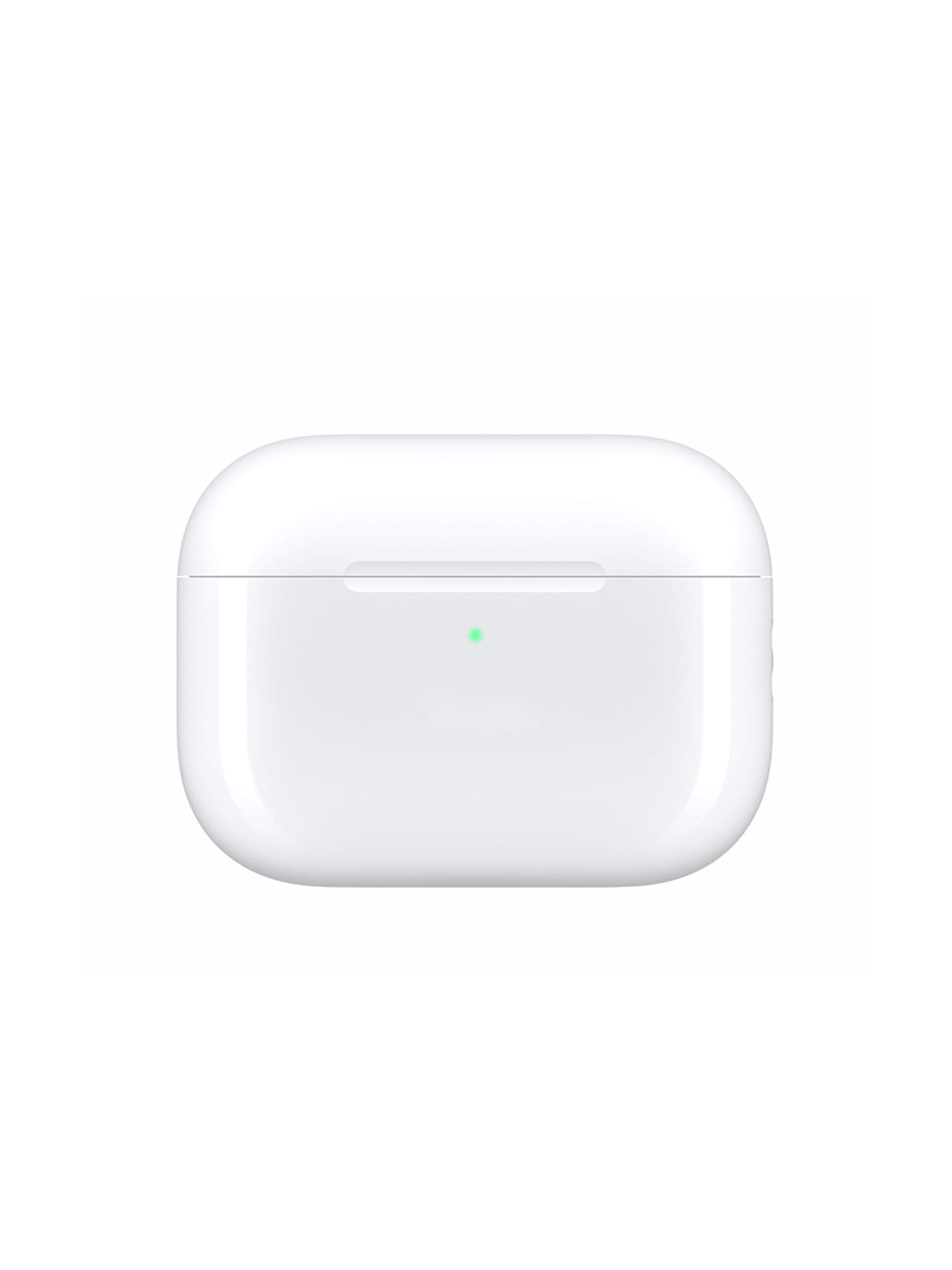
Earbuds belong in everyday carry when they consistently reduce friction rather than add it. The AirPods Pro 3 earns inclusion here because the system around the earbuds, quick access, predictable pairing, and a case small enough to pocket without deciding, is as considered as the earbuds themselves. Unlike most other items in this list, they require active management: they need charging, they depend on a device, and they involve more interaction per day than a pen or a key organiser. That dependency is the trade-off. The case for carrying them rests on whether they make calls, focus, and transitions noticeably smoother on a daily basis, not on the audio specification alone.
Design intent
- Transparency mode is tuned to pass outside sound through with enough fidelity to leave the earbuds in during a conversation, not as a token alternative to noise cancellation.
- The redesigned acoustic seal and five tip sizes exist to fix the one thing that undermines in-ear performance, a poor seal; fit is treated as an engineering problem, not a user error.
Trade-offs
- The earbuds are small and easily lost. Find My helps locate a dropped one, but smallness is intrinsic to the format and cannot be designed out.
- Noise cancellation, spatial audio and the health features are tuned for Apple devices; on Android the feature set shrinks, which makes the price harder to justify outside the ecosystem.
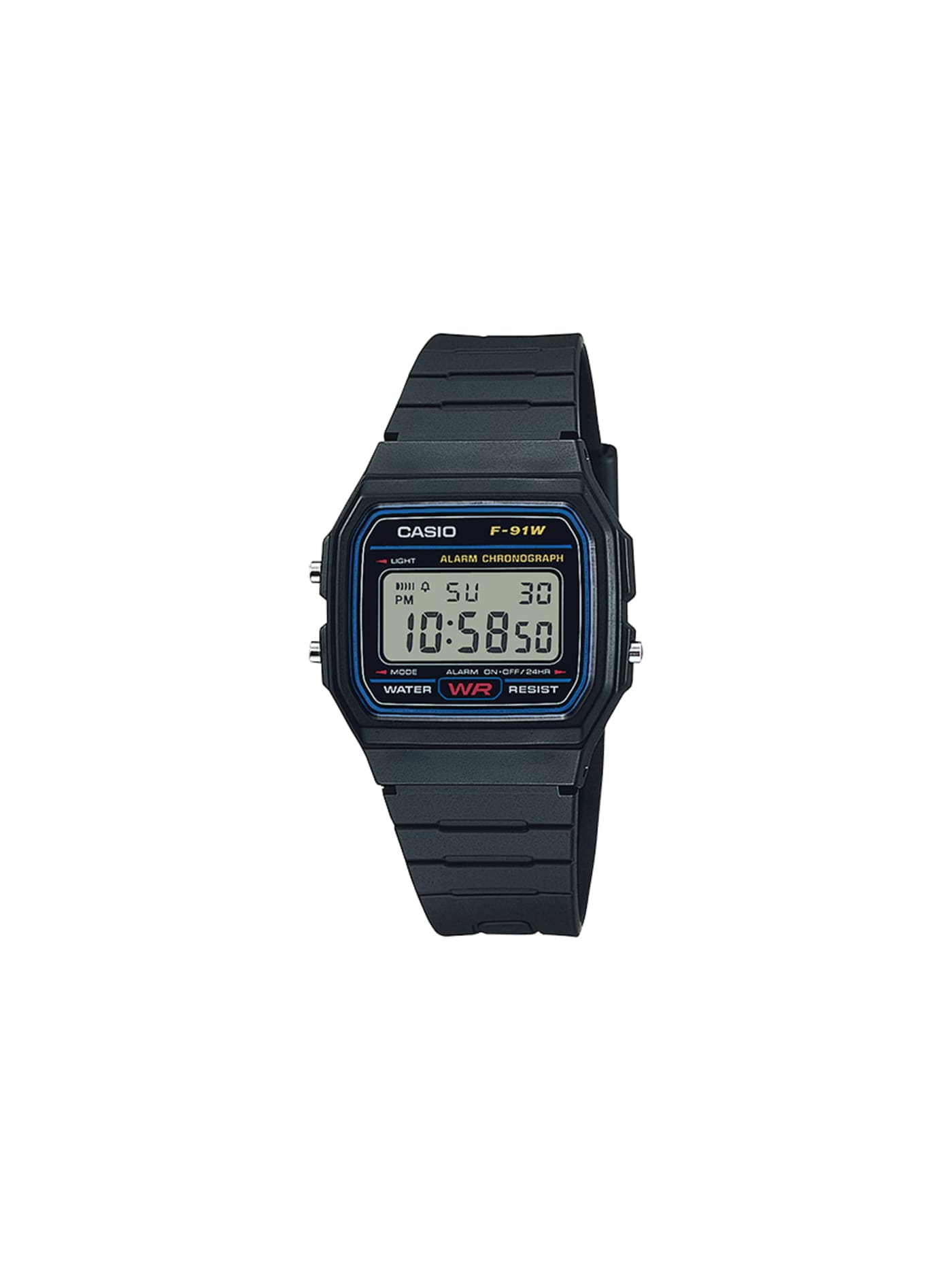
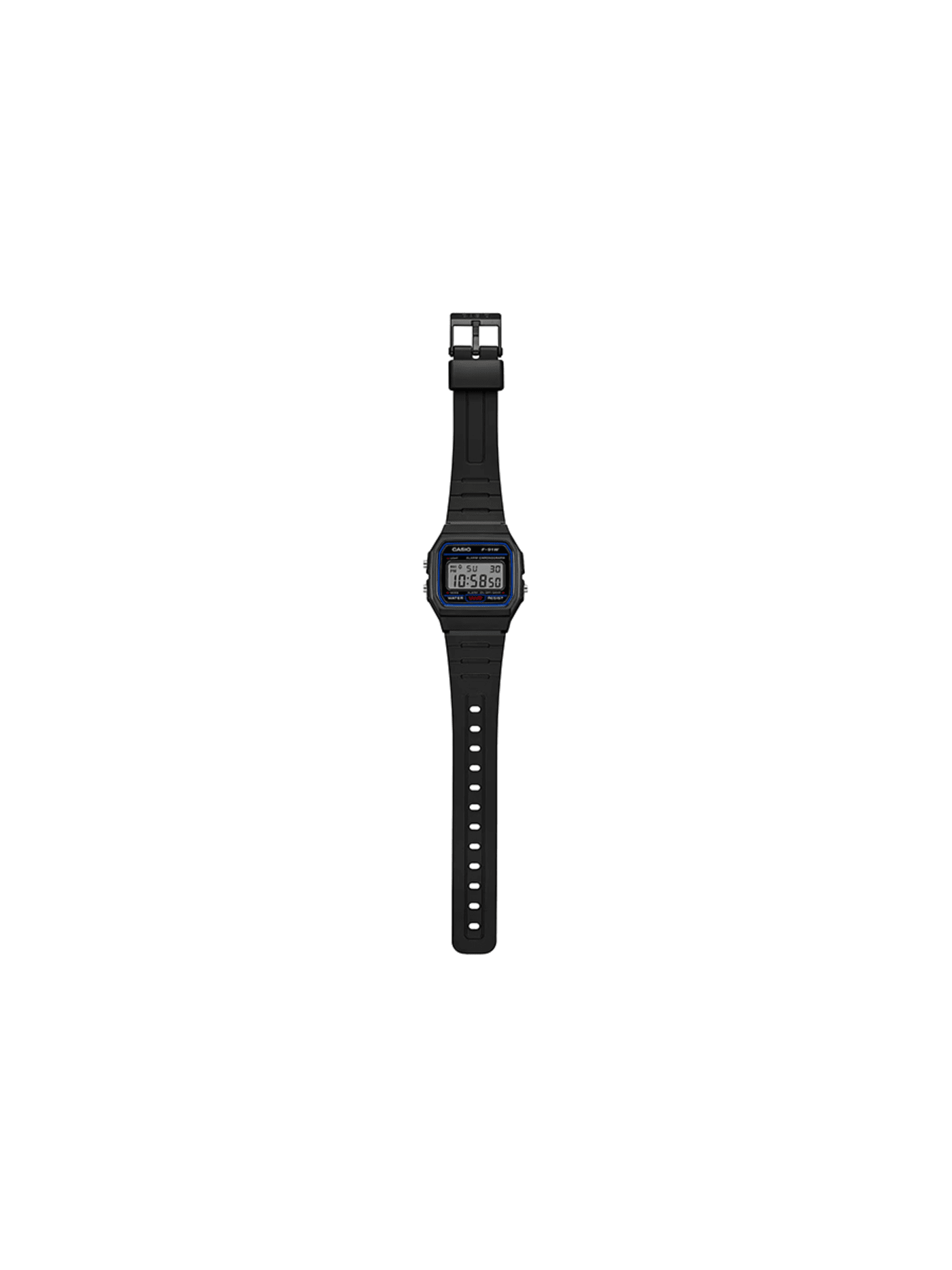
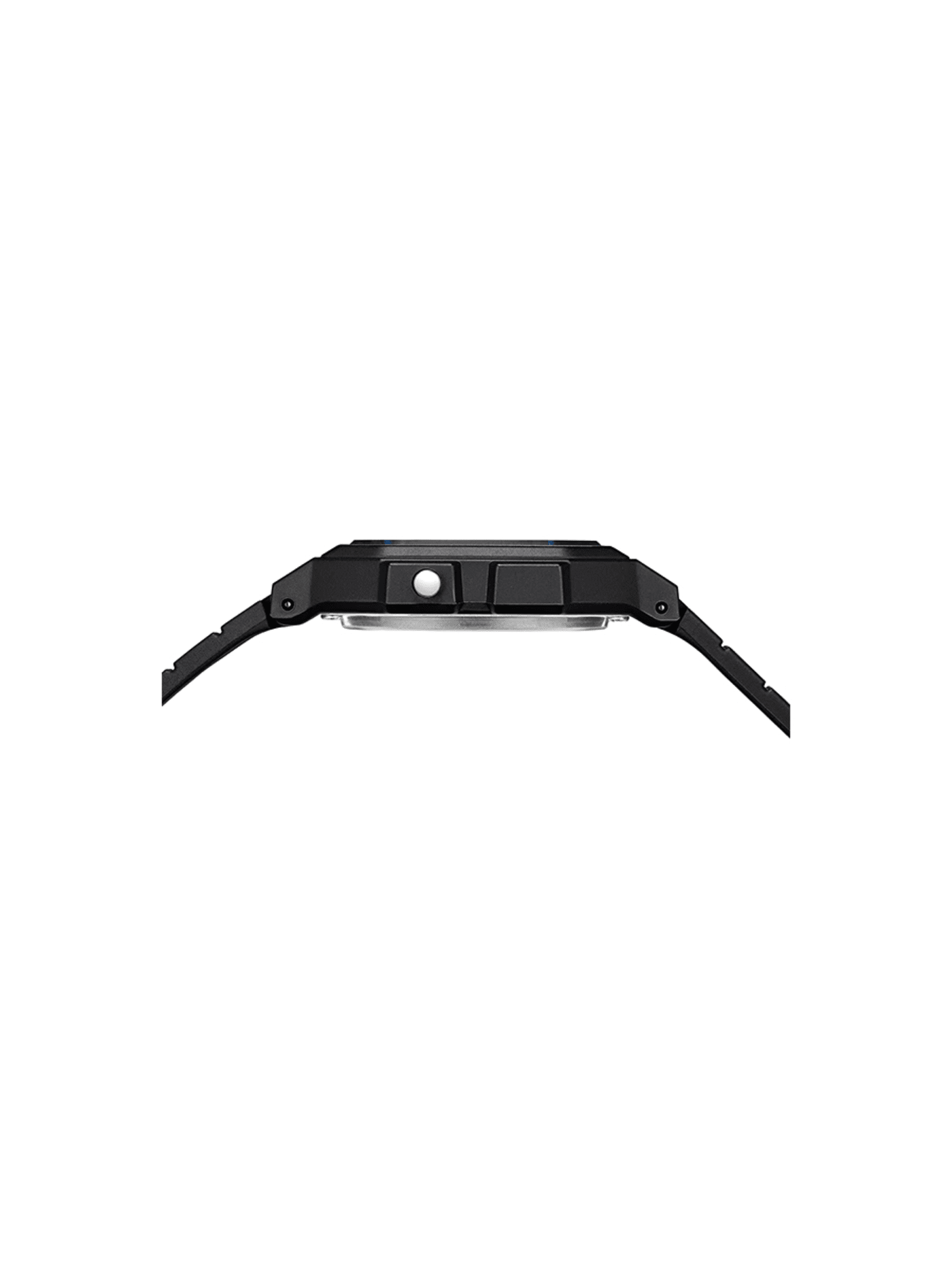
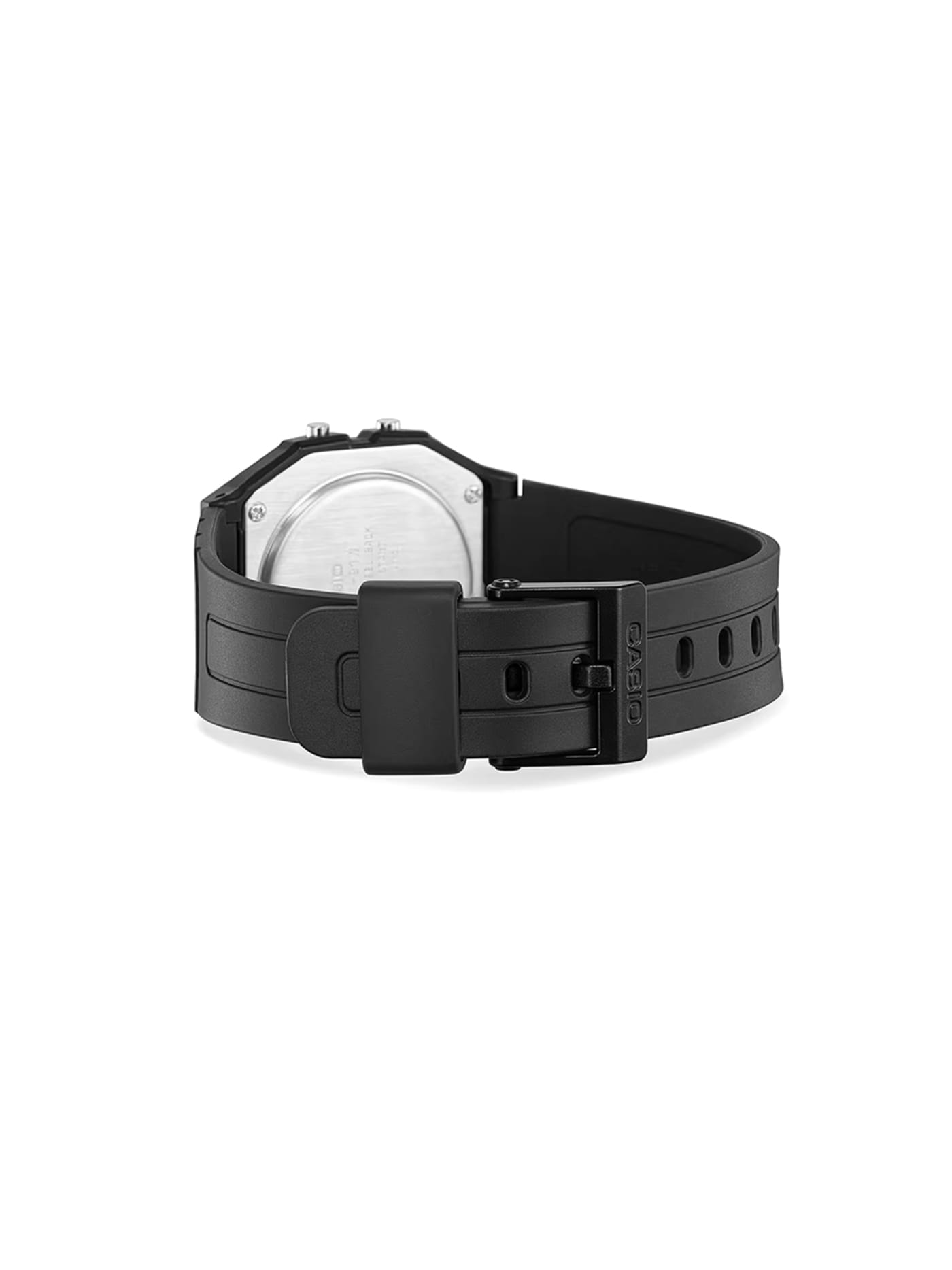
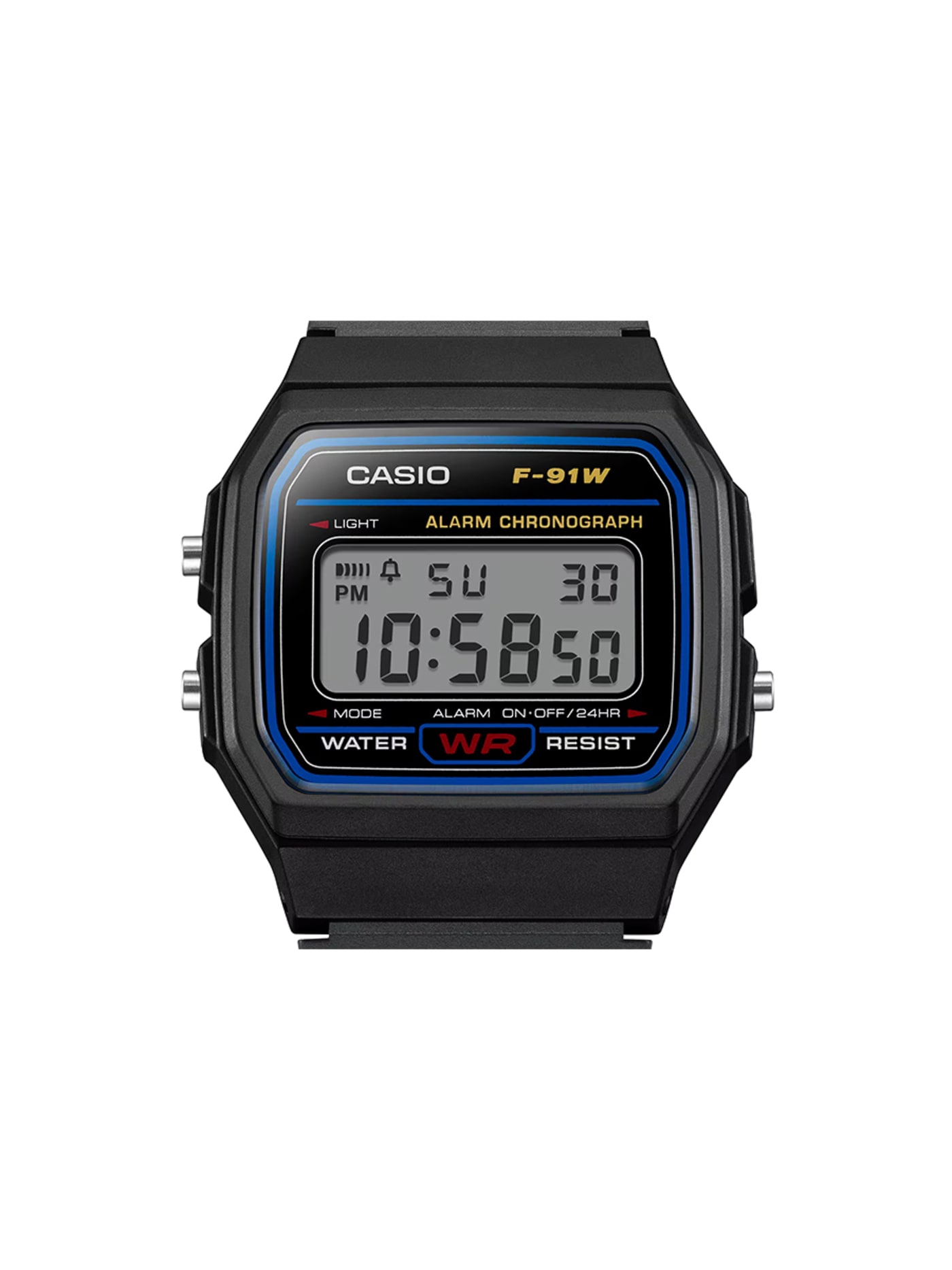
A watch in everyday carry is less about display and more about presence. The F-91W works because it is clear, lightweight, durable enough for real life, and visually resolved through extreme simplicity. Timekeeping becomes a background certainty: the interface is legible, the form is unobtrusive, and the product tolerates daily contact and occasional knocks without requiring attention. The trade-off is refinement and material feel. It is not a luxurious object, and it will not satisfy those who want more tactile weight in what they wear. What it offers instead is ease of ownership across years: consistent, dependable, and easy to replace if needed. (Alt: Braun BN0032)
Design intent
- Low cost and low weight are treated as features rather than compromises: a watch cheap enough that losing it carries no real penalty.
- The entire interface is three buttons with their functions printed on the face, operable without instructions and unchanged for over thirty years.
Trade-offs
- The resin case and acrylic crystal scratch easily, and the backlight is too dim to be useful in true darkness.
- No luminous hands, shallow water resistance, and a strap that grows brittle after years of UV exposure: predictable limits at the price.
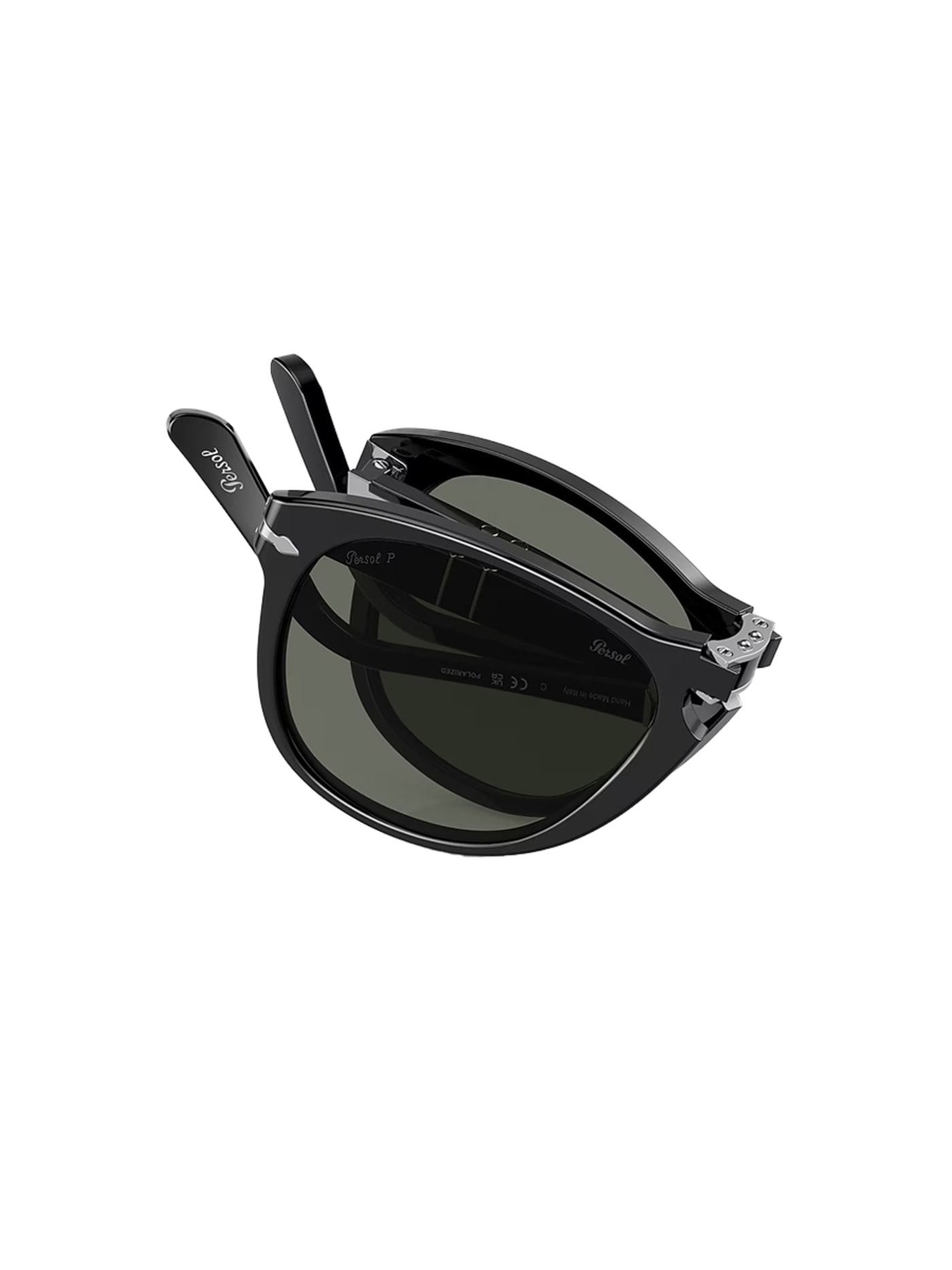
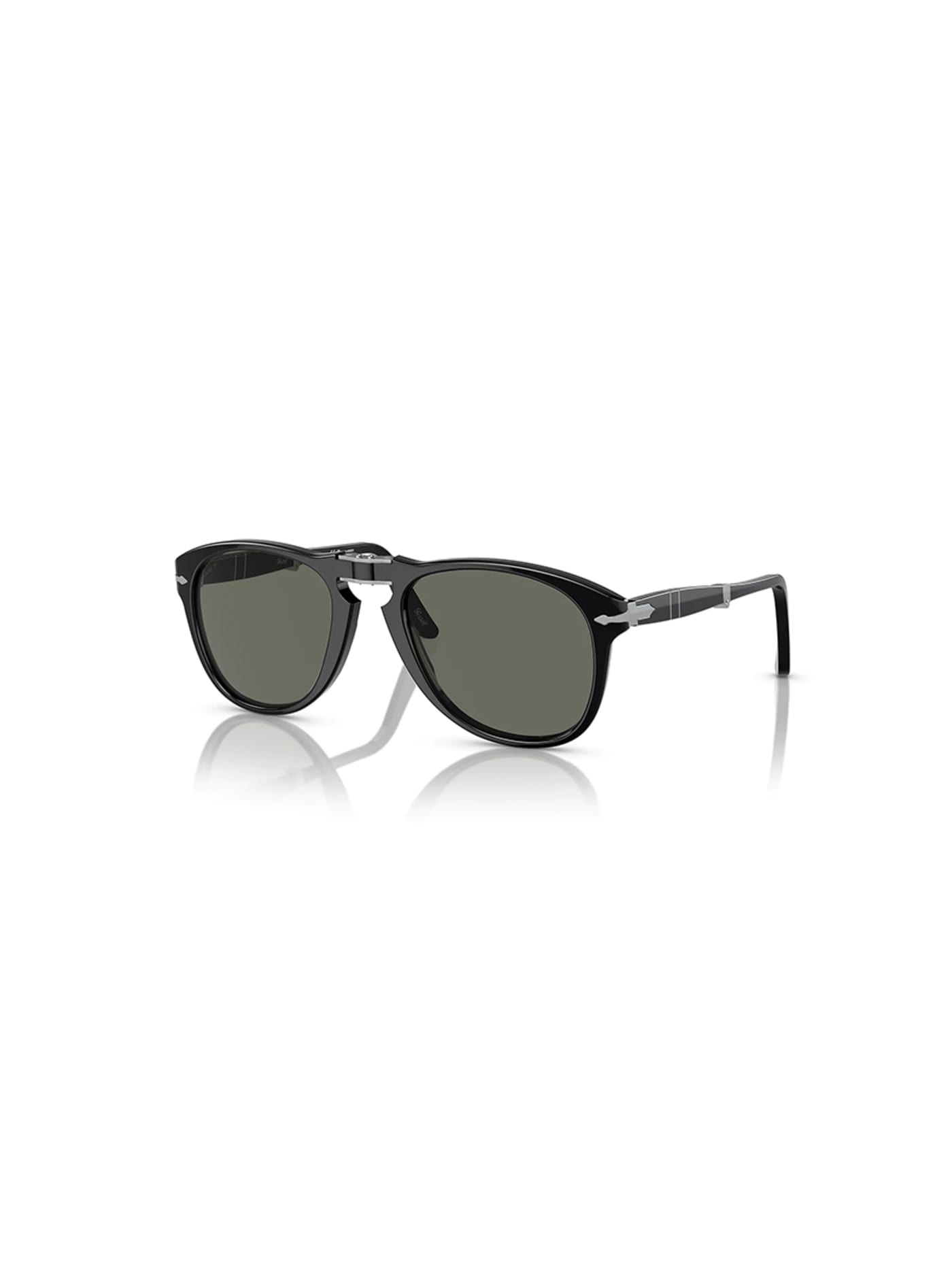
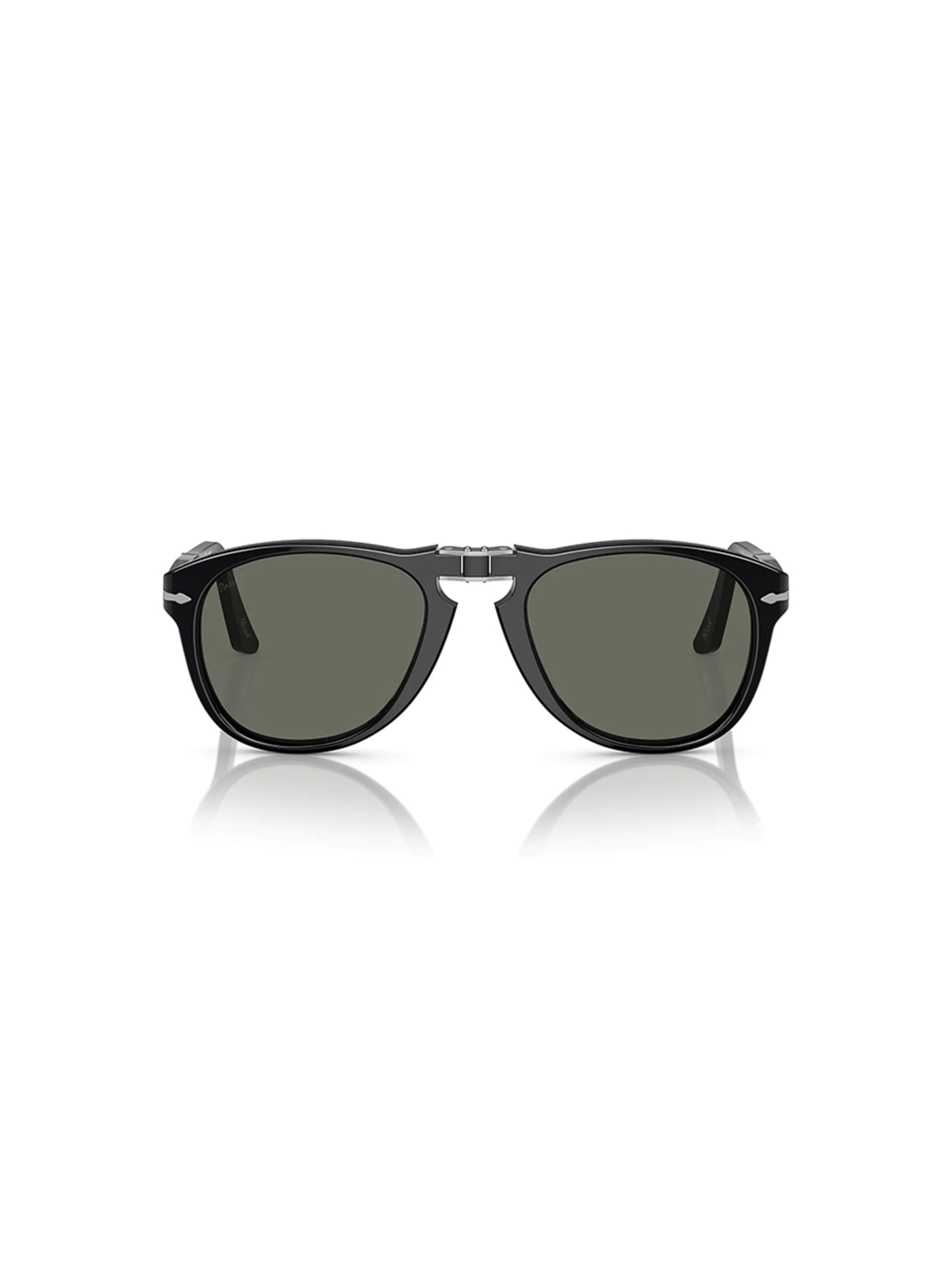
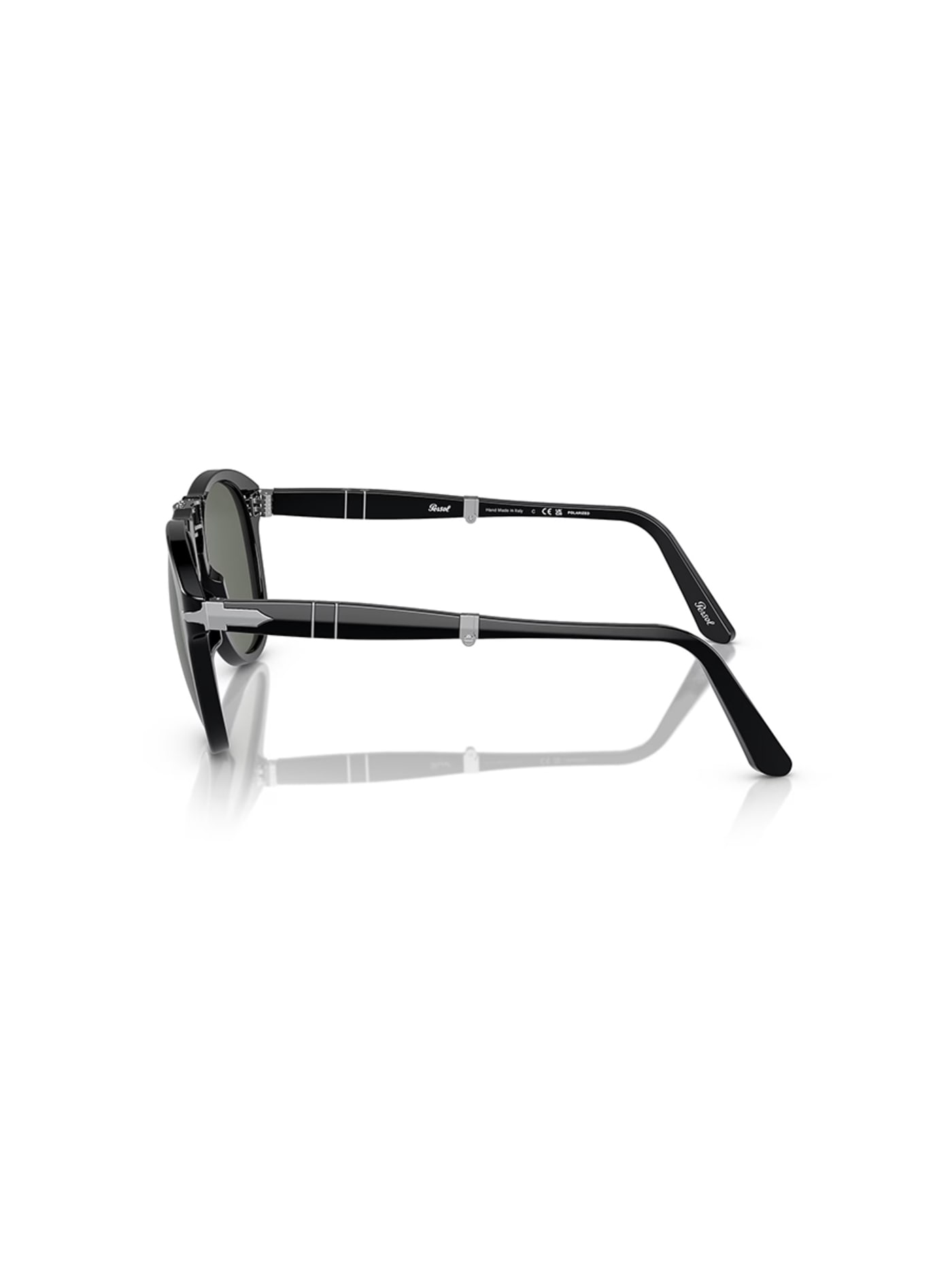
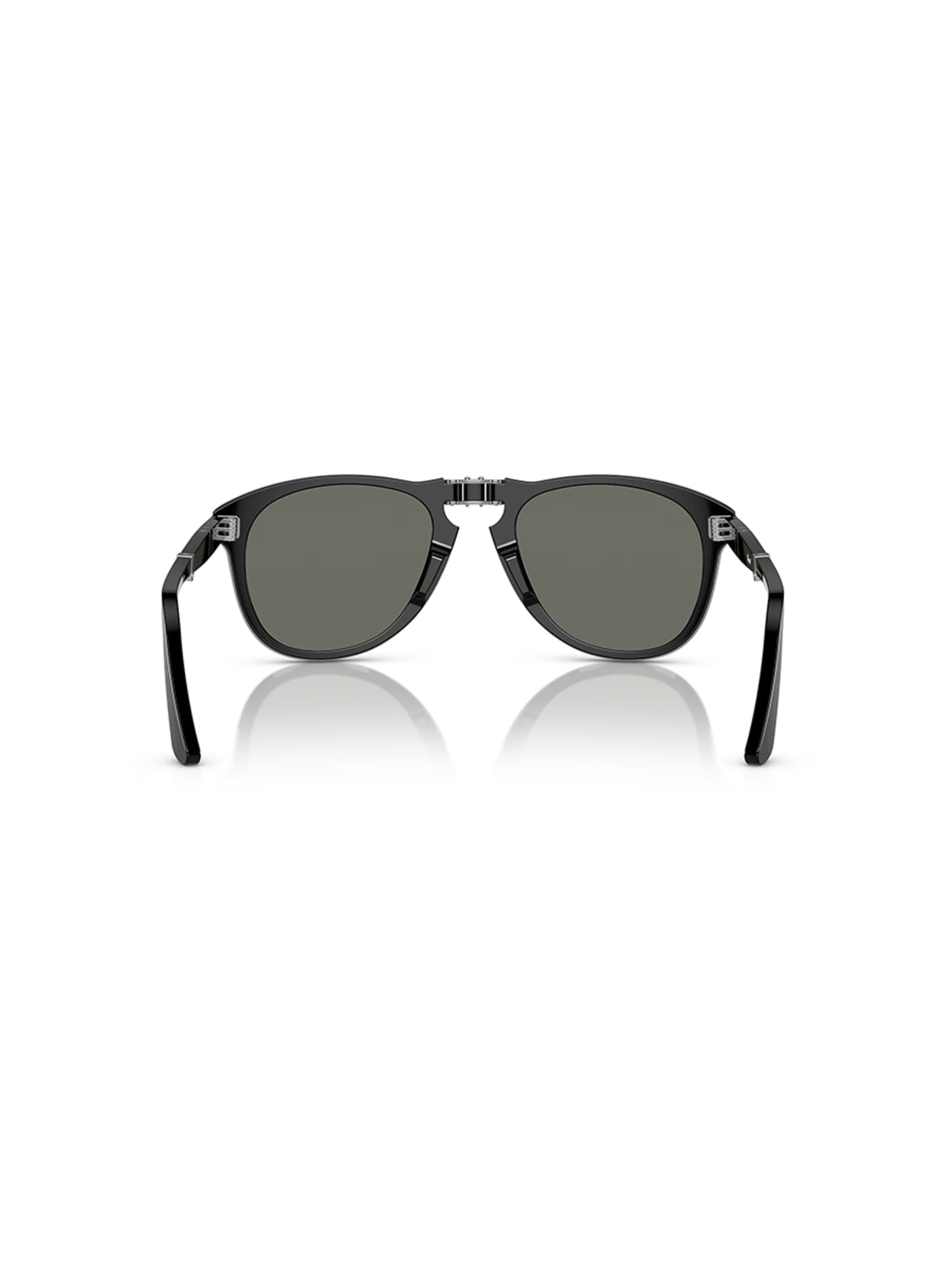
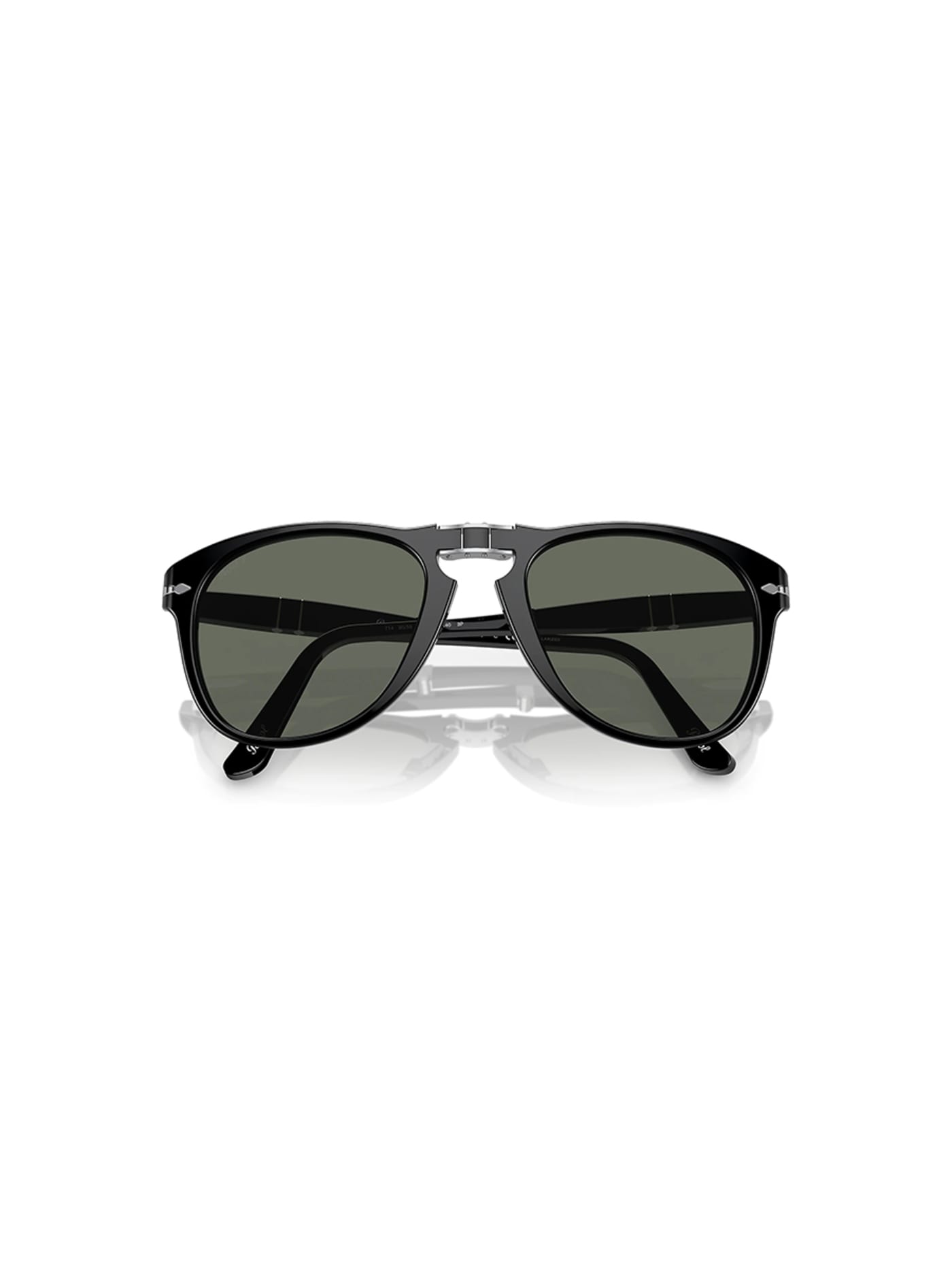
Sunglasses are a carry problem that most sunglasses ignore. A standard pair has rigid arms, a fixed shape, and no obvious place to live other than a case that is too bulky to pocket or a face that is too exposed to forget. The Persol 714 solves this by folding: arms and bridge collapse into a compact flat package that fits a jacket or shirt pocket without requiring a dedicated case. Introduced in the 1960s as a folding version of the 649, it was the first folding sunglasses produced, and the mechanism required ten additional manufacturing steps to achieve. The design is not a novelty. It is a carry-specific decision that reduces one of the few genuine friction points in eyewear ownership. The trade-off is that the folding mechanism adds complexity, and complexity introduces failure points over years of use. The Meflecto temple system, which allows the arms to flex laterally under pressure, adds comfort but further increases the number of moving parts to maintain. Long-term confidence rests on the quality of the acetate and the steel hinges, both of which have decades of evidence behind them.
Design intent
- The three-point fold answers a genuine carry problem: a full pilot frame that compresses small enough for a breast pocket without a case; the engineering to do that durably across thousands of cycles is why the frame exists.
- The Meflecto system spreads temple pressure across a flexible core rather than a rigid wire, removing the side-of-head pressure most acetate frames cause over a long wear, a 1930s comfort solution still in use.
Trade-offs
- The folding bridge sits slightly lower on the nose than a fixed-bridge frame, subtly altering the fit; wearers precise about optical centring may notice it.
- More moving parts mean the fold is more sensitive to hinge wear than a fixed frame; the joints need occasional tightening, and repair cost reflects the precision of the mechanism.
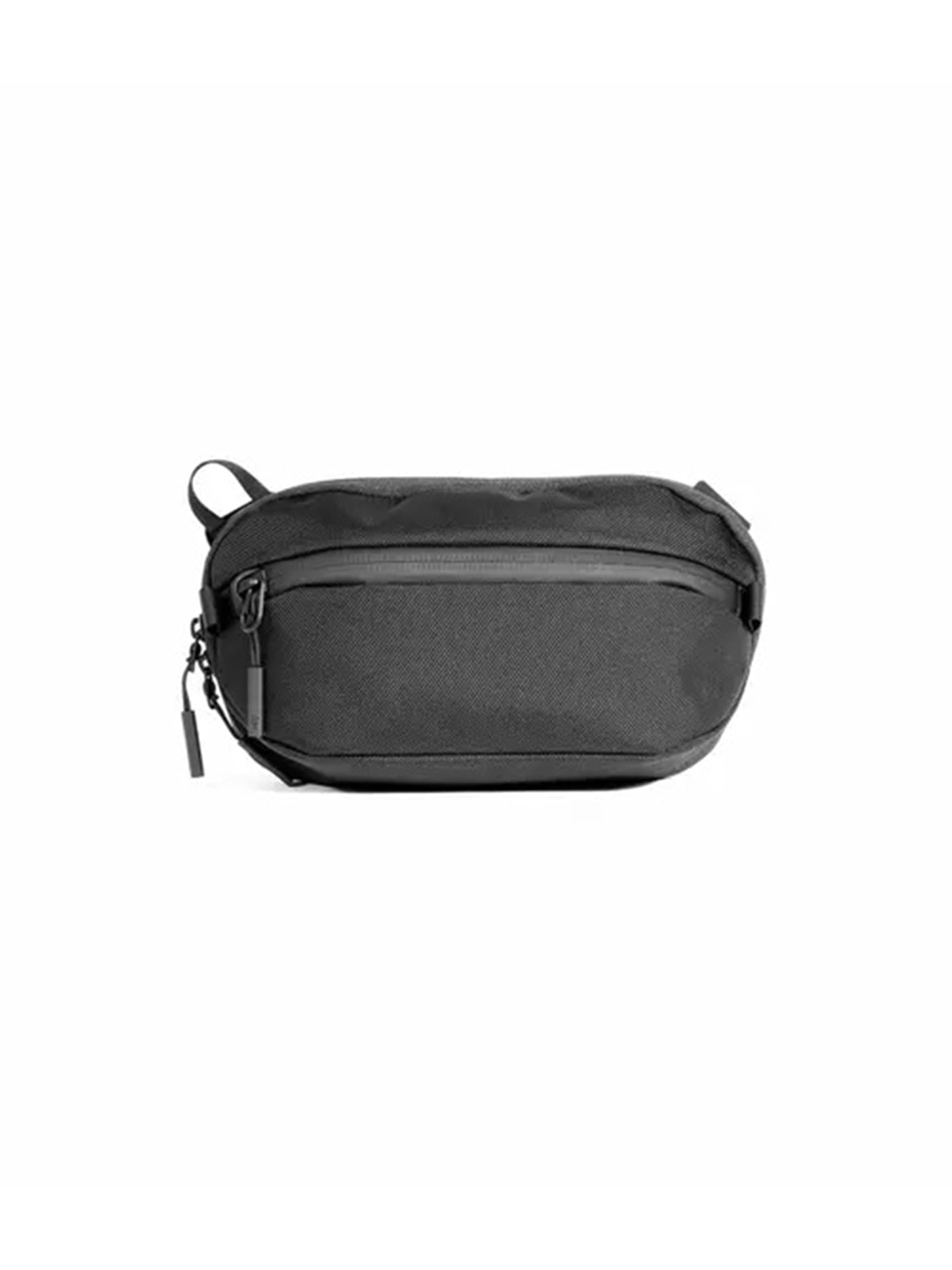
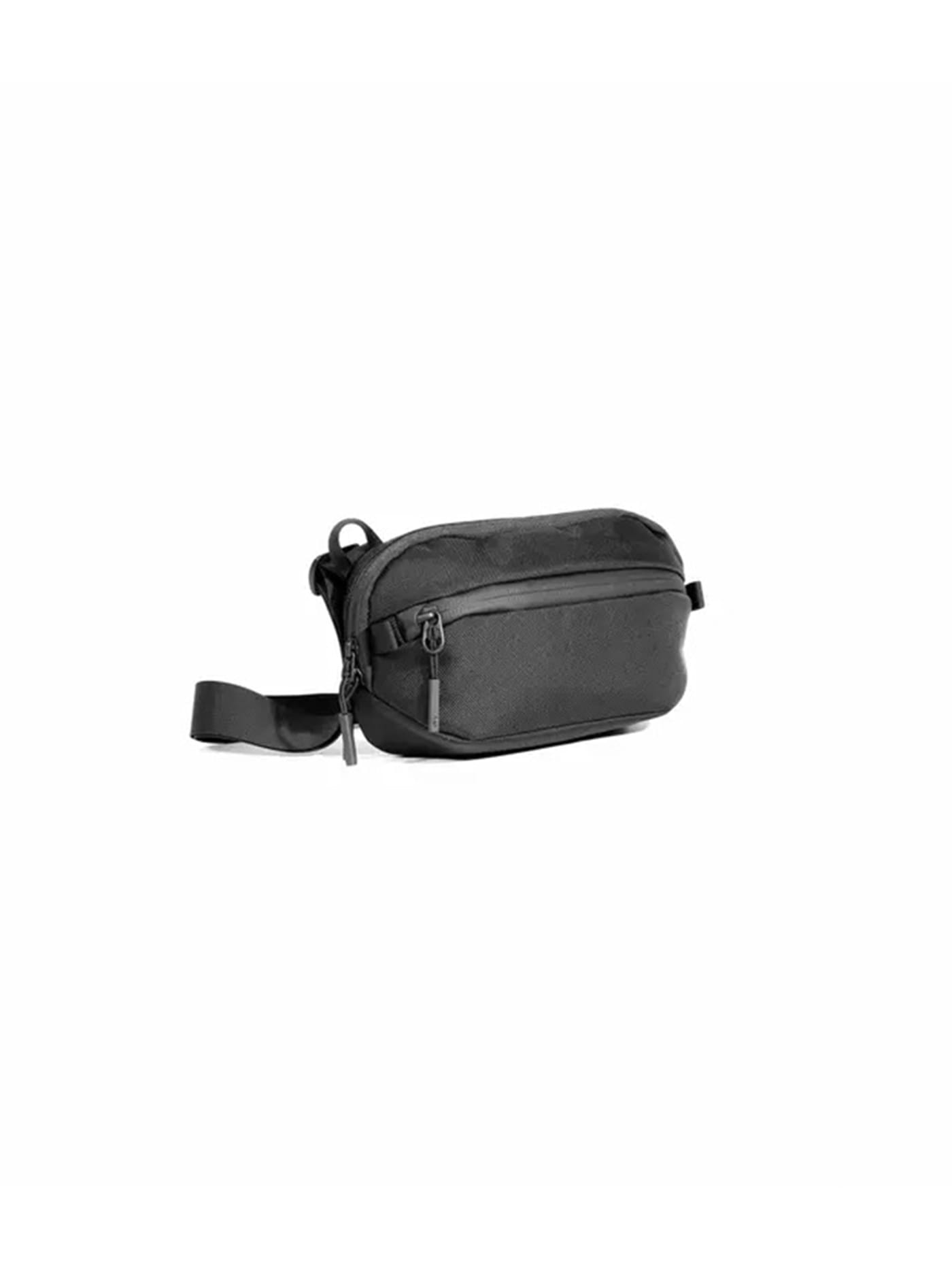
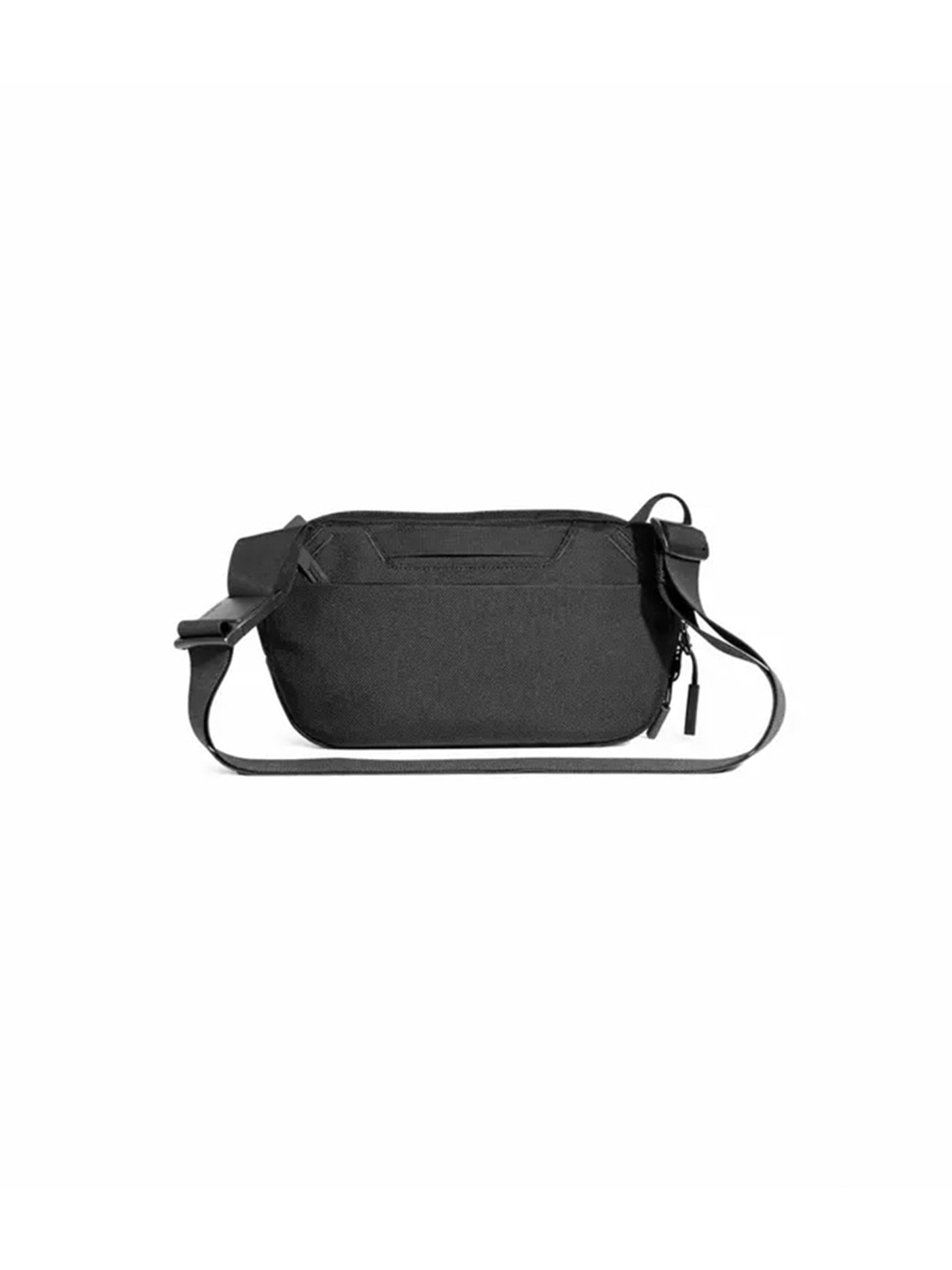
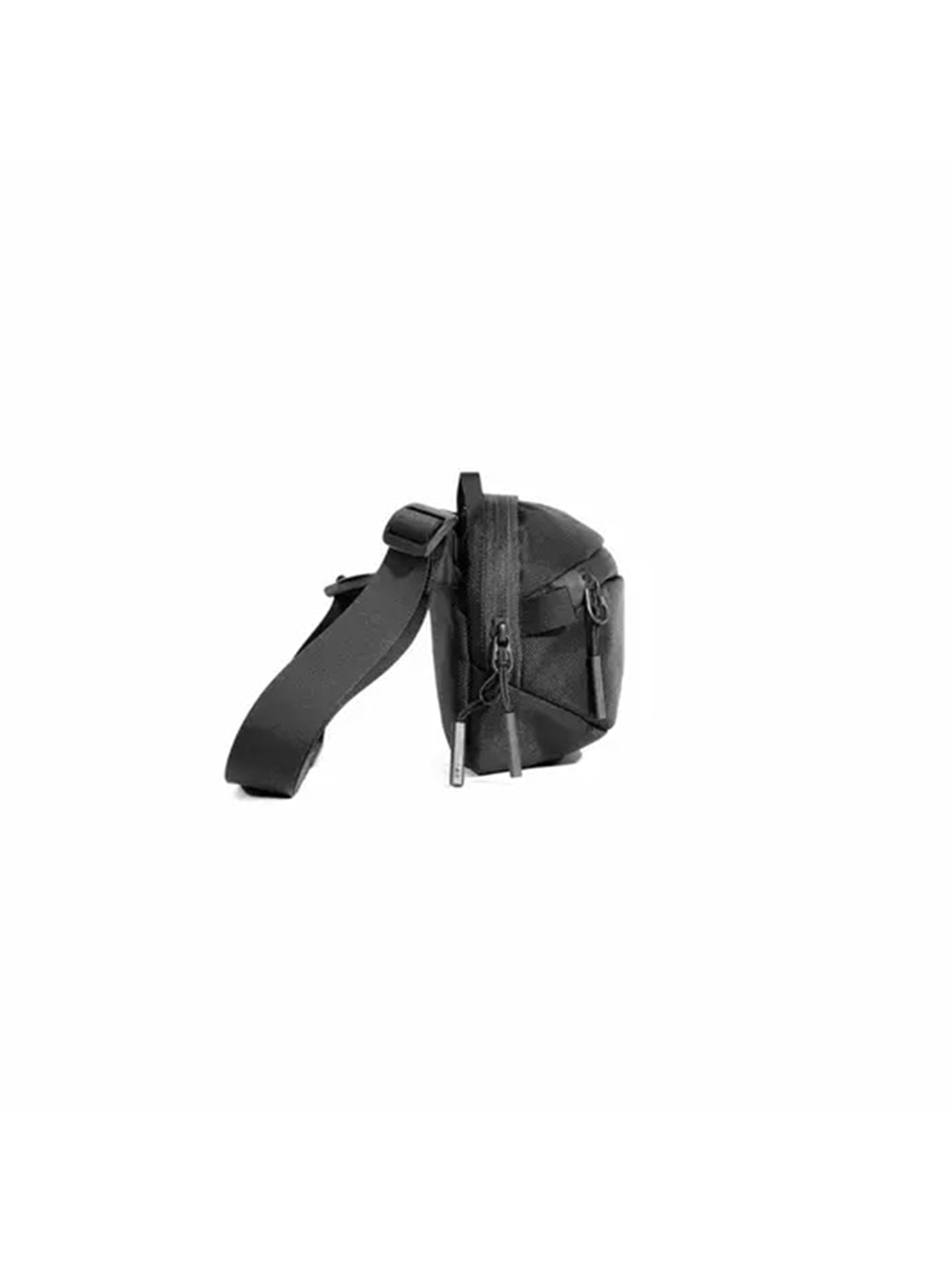
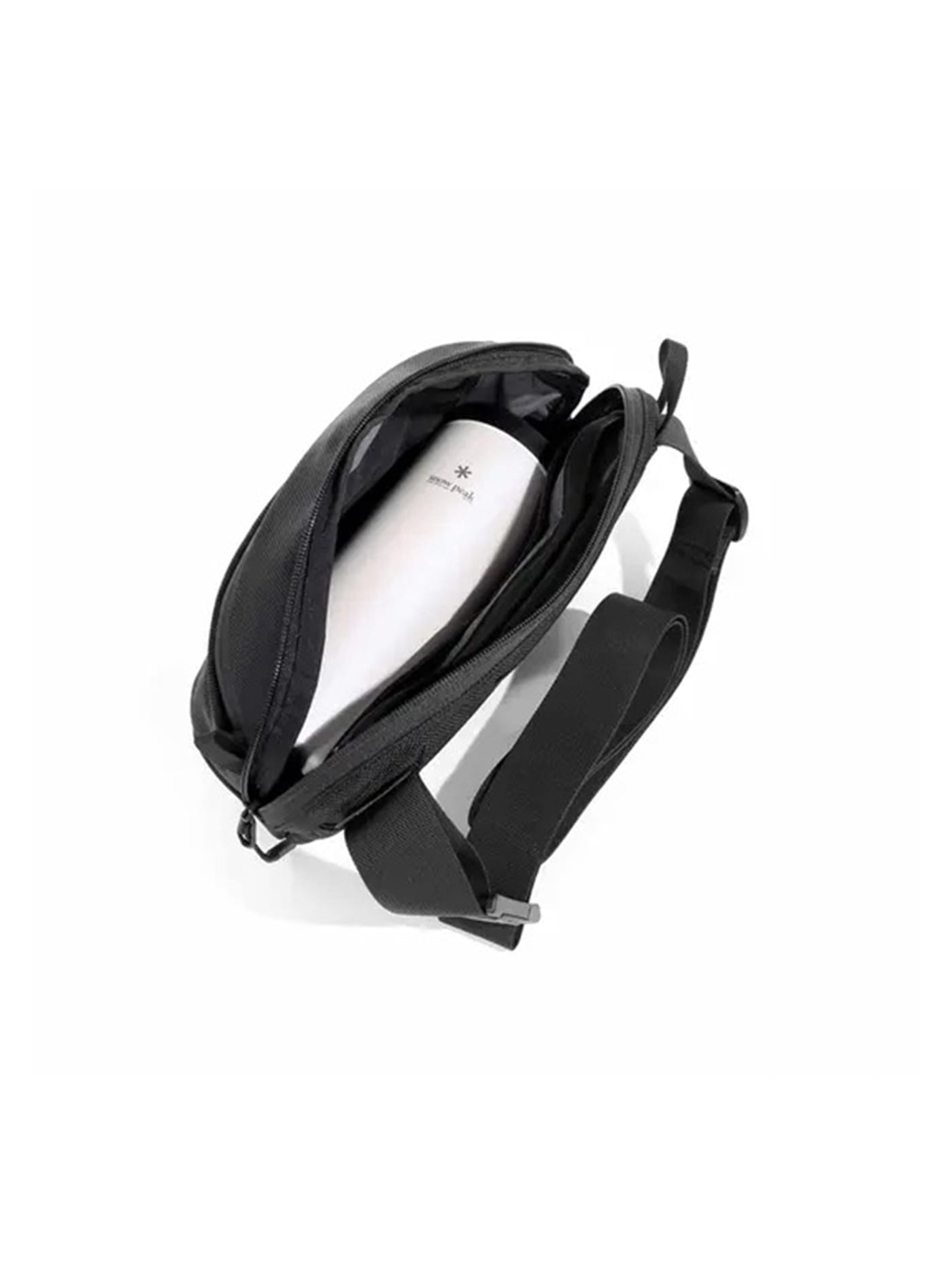
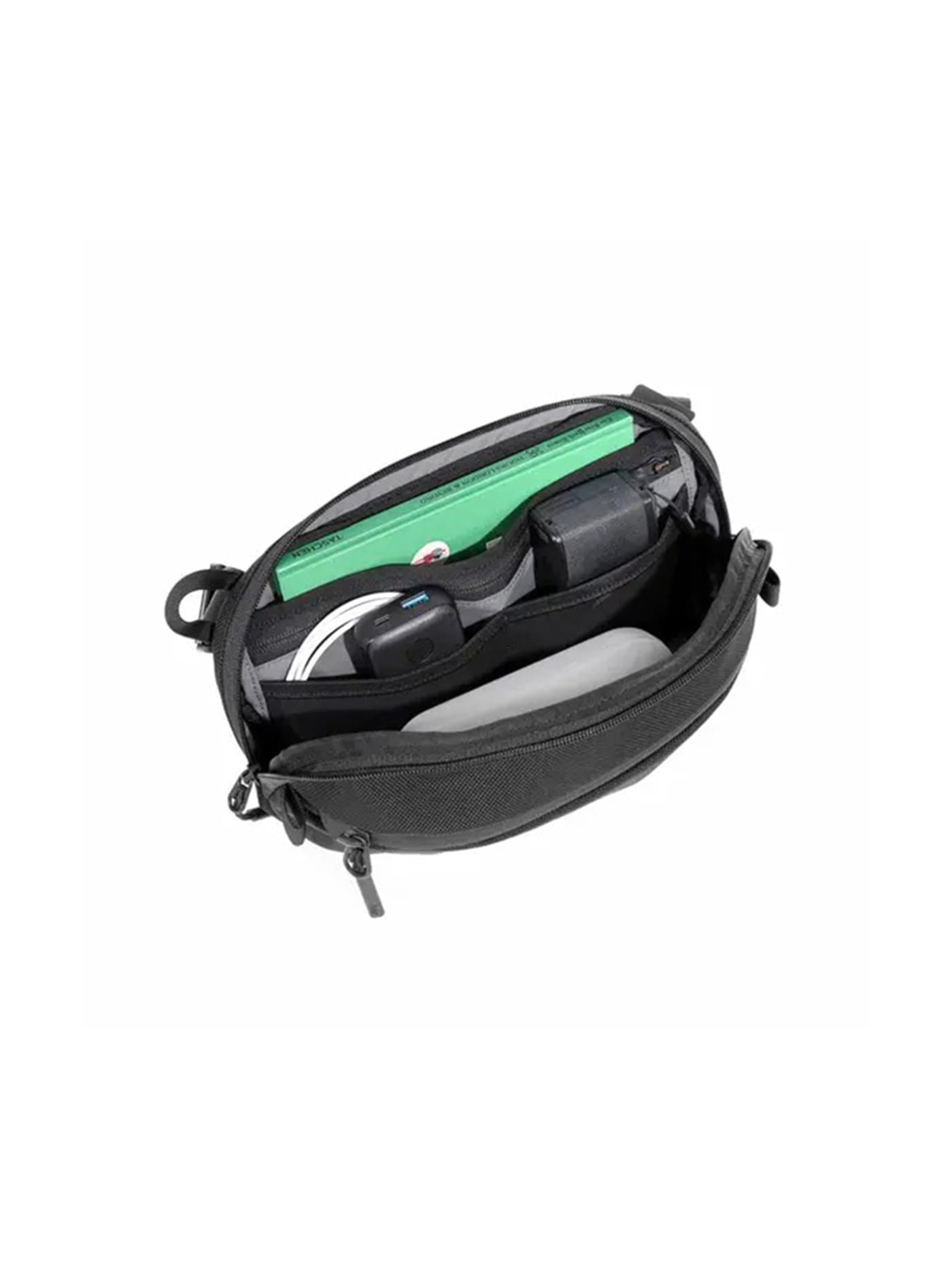
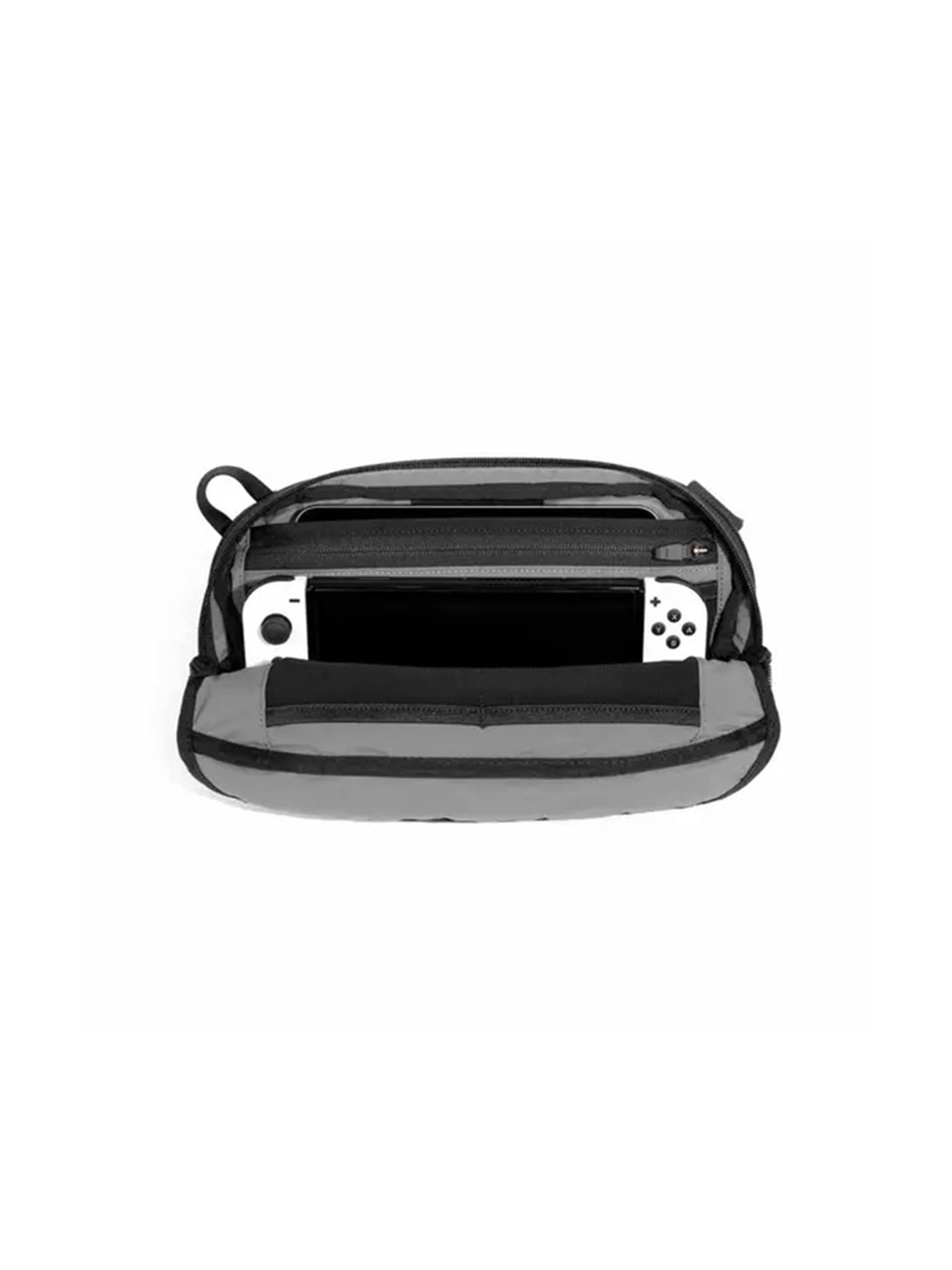
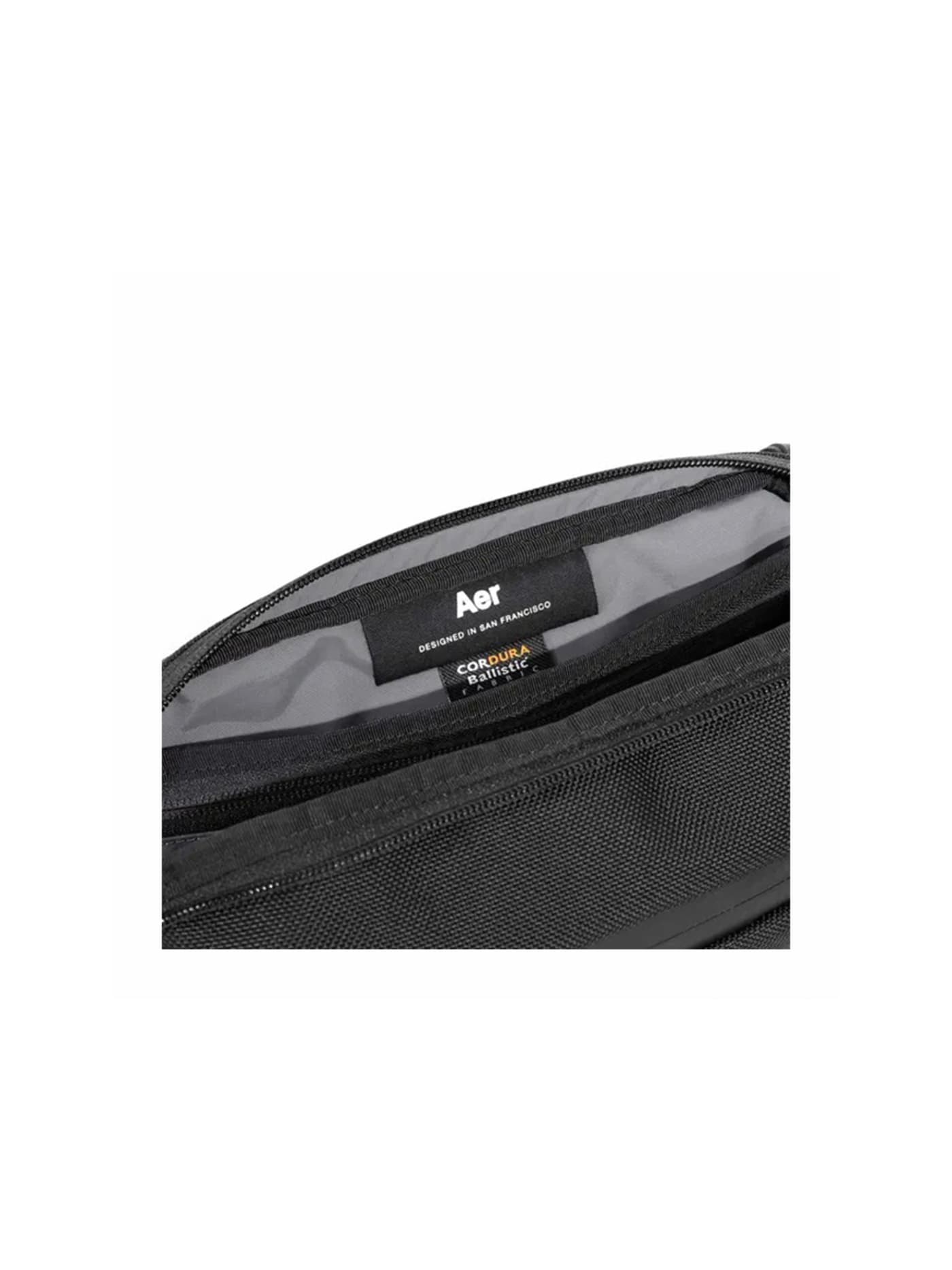
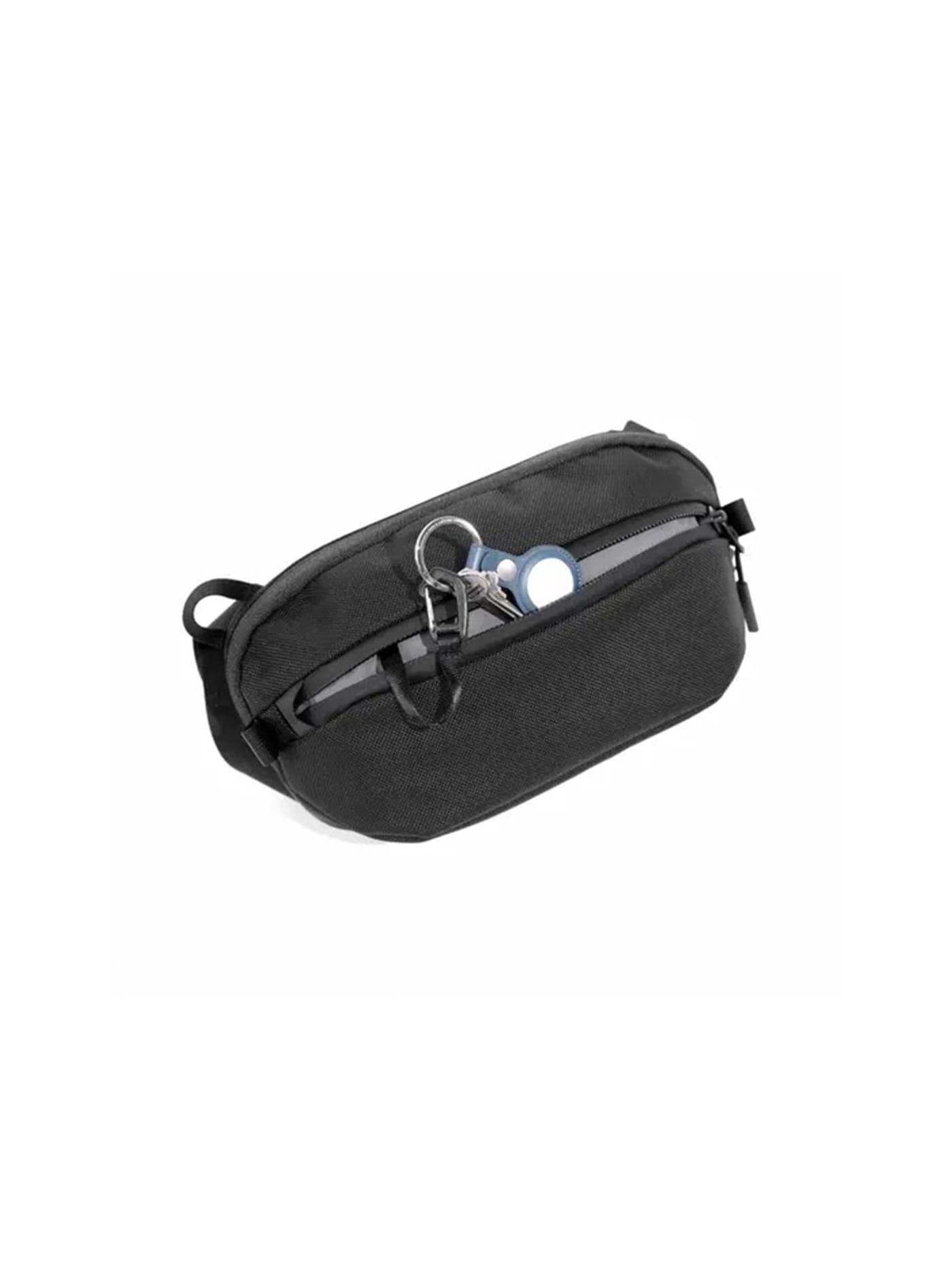
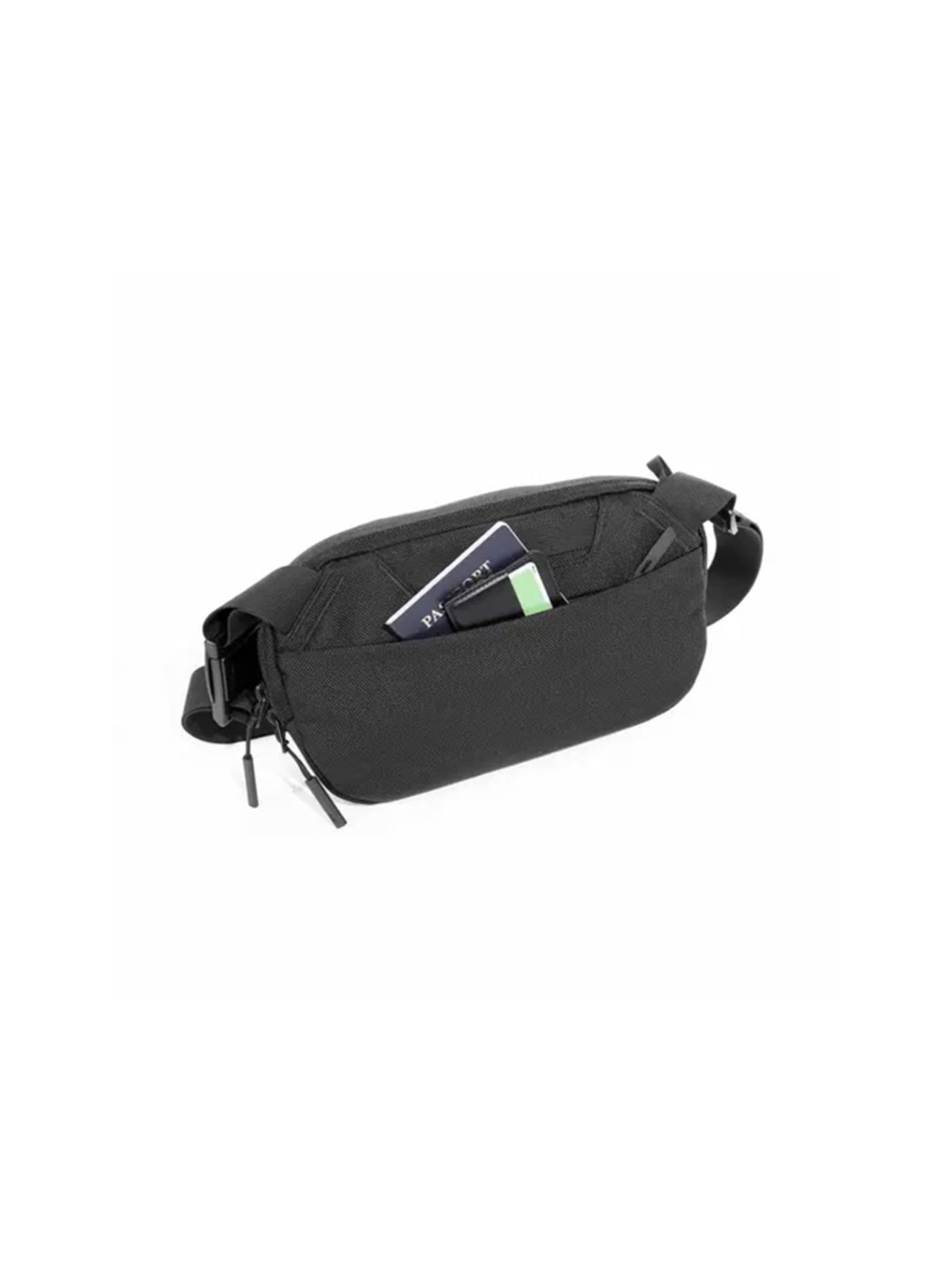
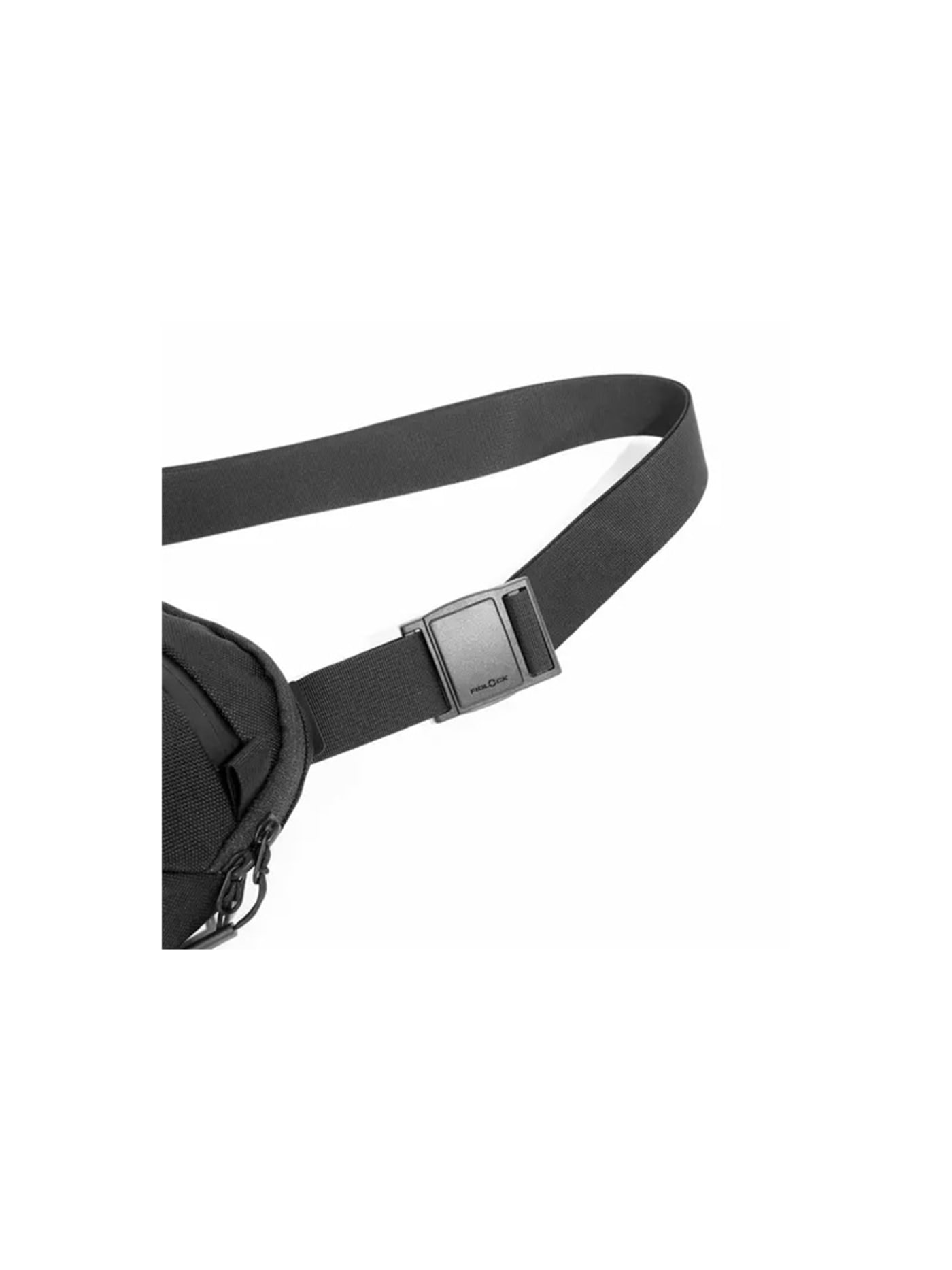
A sling earns its place when it makes carry calmer, not more complicated. The Aer Day Sling 3 creates a stable, close-to-body carry system that reduces pocket overload while keeping access fast. The design prioritises structure, access, and comfort for a carry load that has outgrown what pockets can hold without becoming a full bag commitment. The trade-off is presence: a sling changes how you move, how you dress, and how you interact with spaces. It is a commitment rather than a neutral addition, and it does not suit everyone or every context. Long-term confidence rests on strap durability, zipper reliability, and how well the bag holds its shape and organisation logic under regular load. (Alt: Labomono modular sling)
Design intent
- The main compartment opens in a horseshoe running almost the full height of the bag, so the interior is visible at a glance and packing stays repeatable.
- Weatherproofing is concentrated where it matters: a sealed YKK AquaGuard zip on the exposed front pocket, with a lighter standard zip inside where exposure is lower.
Trade-offs
- At three litres the capacity is fixed and honest: enough for daily essentials and light travel, not for the days you need to carry more.
- The X-Pac version's laminate face is slippery against smooth clothing, so the sling tends to slide round to the front when you lean forward.

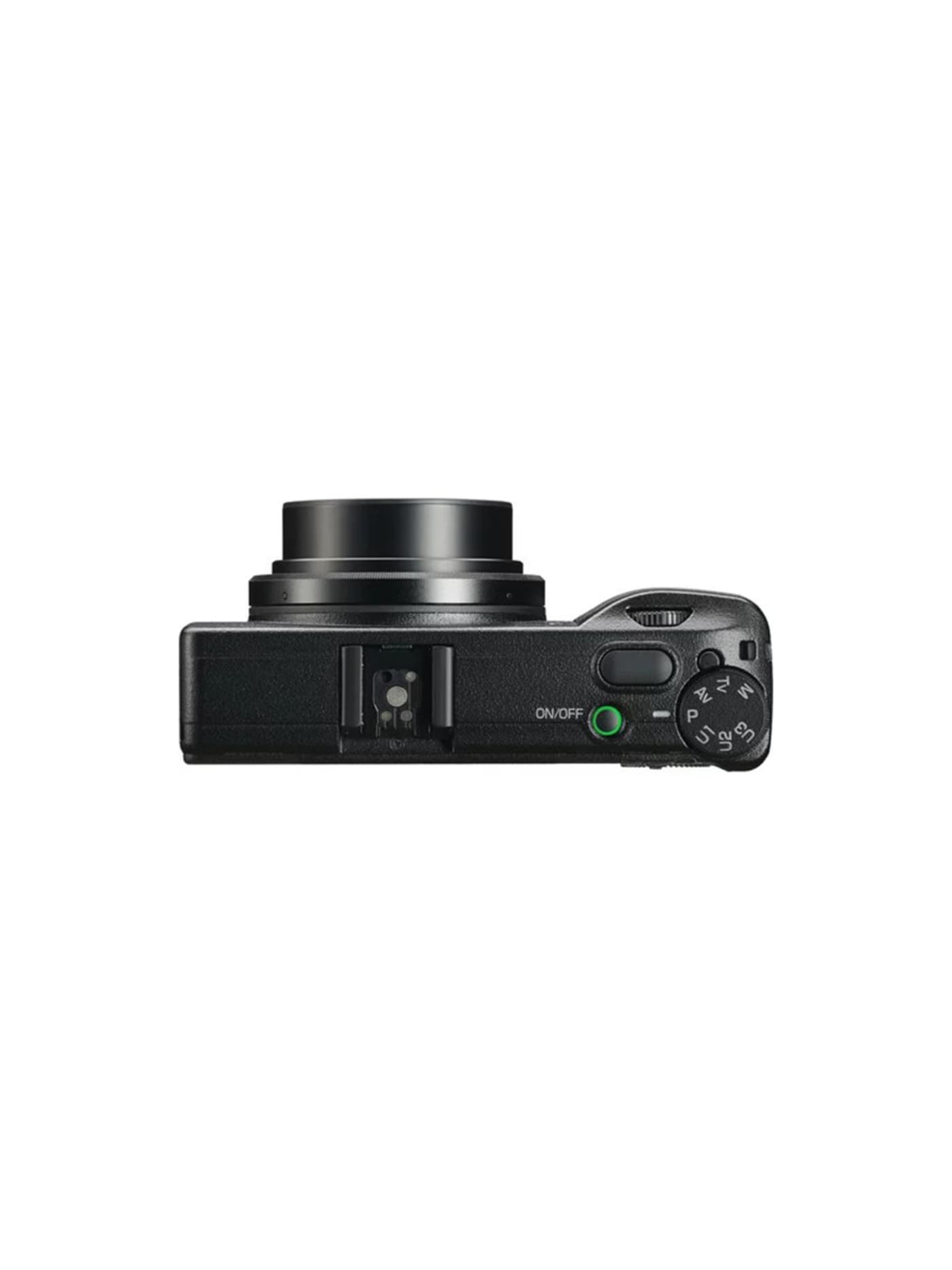

A camera only qualifies as everyday carry when it is actually carried. Most don't make that cut because the gap between capability and convenience is too wide. The GR IIIx closes it: compact enough to stay close, capable enough to justify the space, and fast enough to use without preparation. The design prioritises portability and immediacy, so the camera feels available rather than aspirational. The trade-off is that compactness reduces ergonomics and demands more careful handling than the carry context naturally encourages. Long-term confidence depends on whether it remains genuinely easy to bring along and continues to reward use once the novelty of owning a dedicated camera has settled.
Design intent
- Fitting an APS-C sensor into a pocketable body is the whole achievement: it delivers image quality that normally demands a larger interchangeable-lens system, which changes where the camera can realistically go.
- Snap focus is a workflow decision built into the hardware: a preset hyperfocal distance lets the camera capture the instant the shutter drops, the behaviour street photographers actually need.
Trade-offs
- The fixed 40mm lens does one focal length only; reach or wide-angle work means a second camera, which softens the pocketability argument for anyone who needs range.
- Battery life runs to roughly 200 shots a charge, a direct consequence of the small body; a full day's shooting needs a spare or a charger.
Final thoughts
The products in this list cover a range of carry categories and design philosophies, from highly minimal to deliberately considered, from passive tools to active systems. What they share is that the decisions made in each one are legible. You can understand what was prioritised, what was given up, and who the product is actually for.
That legibility is what the Supply Index evaluative lens is designed to surface. It does not tell you what to carry. It gives you a way to recognise whether a product is likely to earn its place through use rather than just surviving it. The distinction matters more than it sounds, and it tends to become clearest after three months in a pocket rather than at the point of purchase.
Use this selection as calibration. Then explore the wider archive for products that suit your specific carry context.