714 Original Sunglasses / Persol
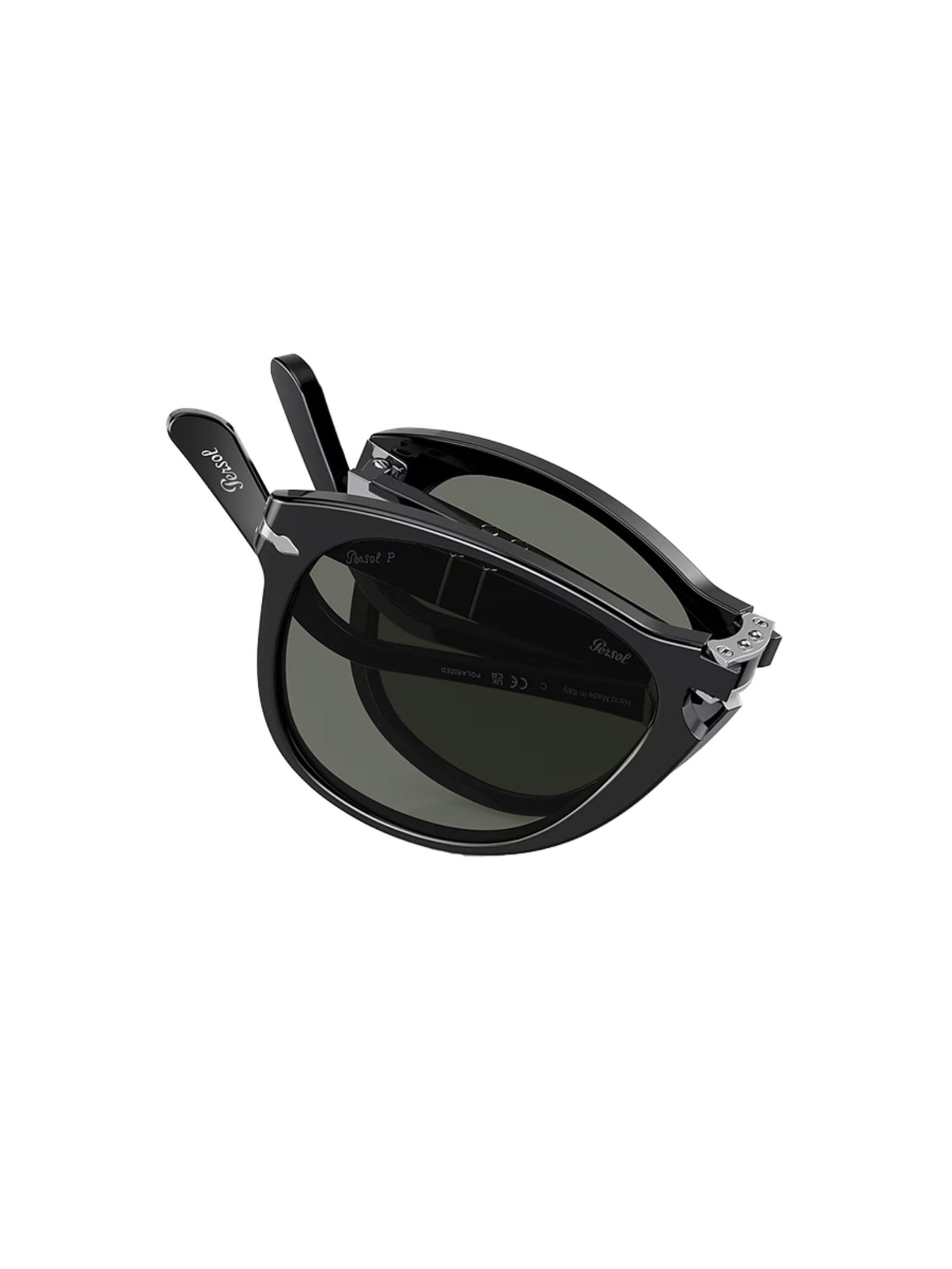
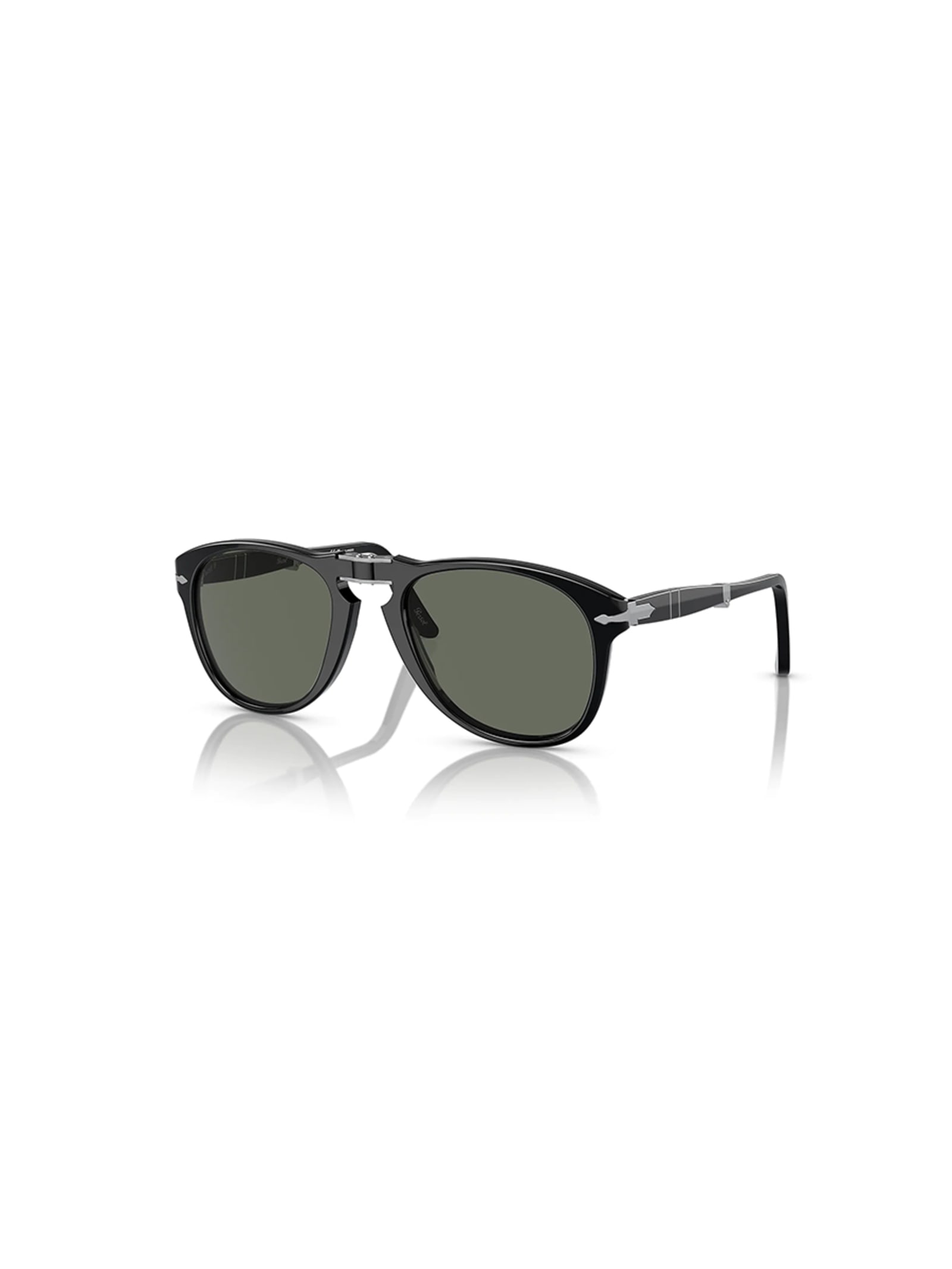
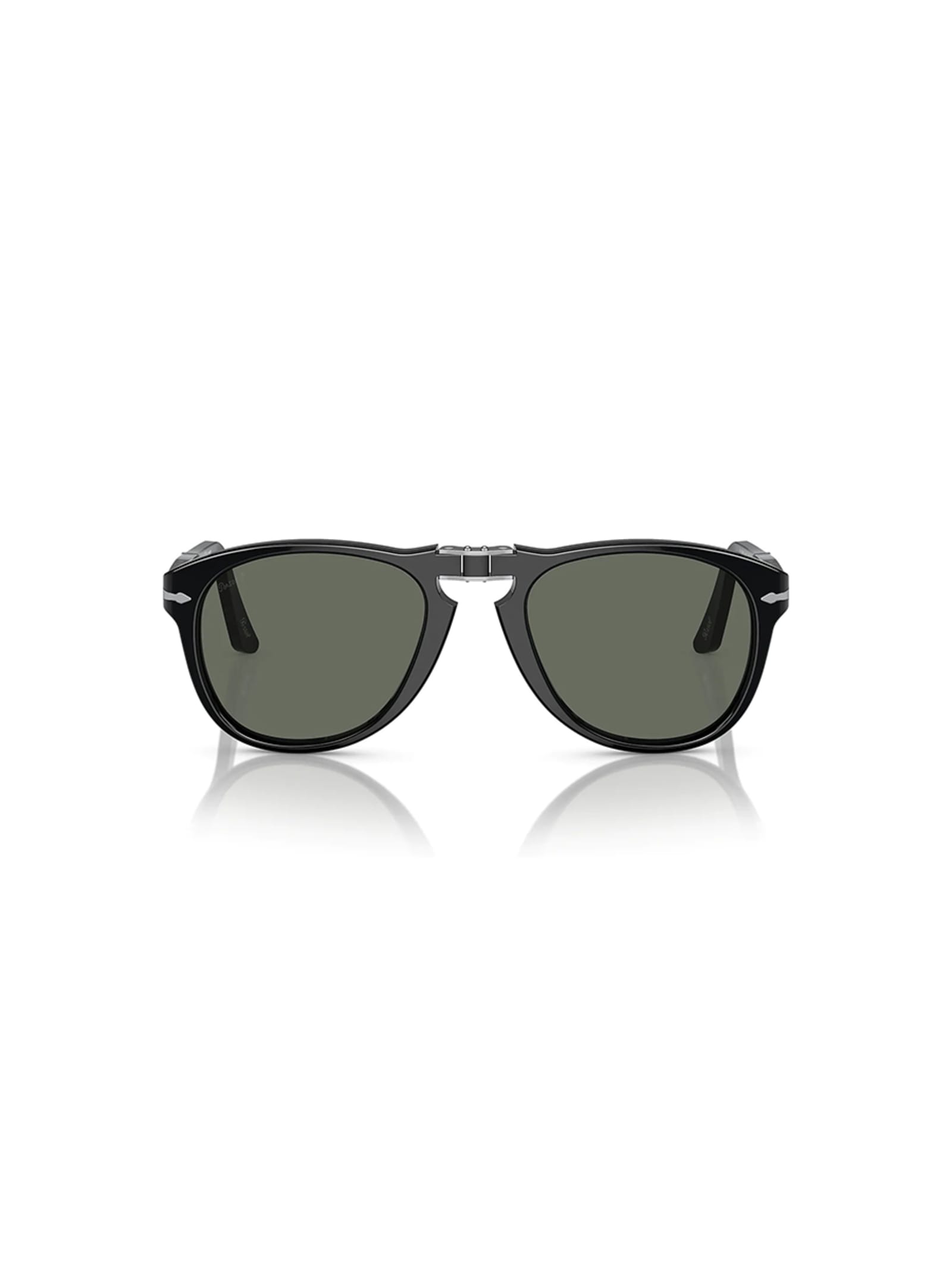
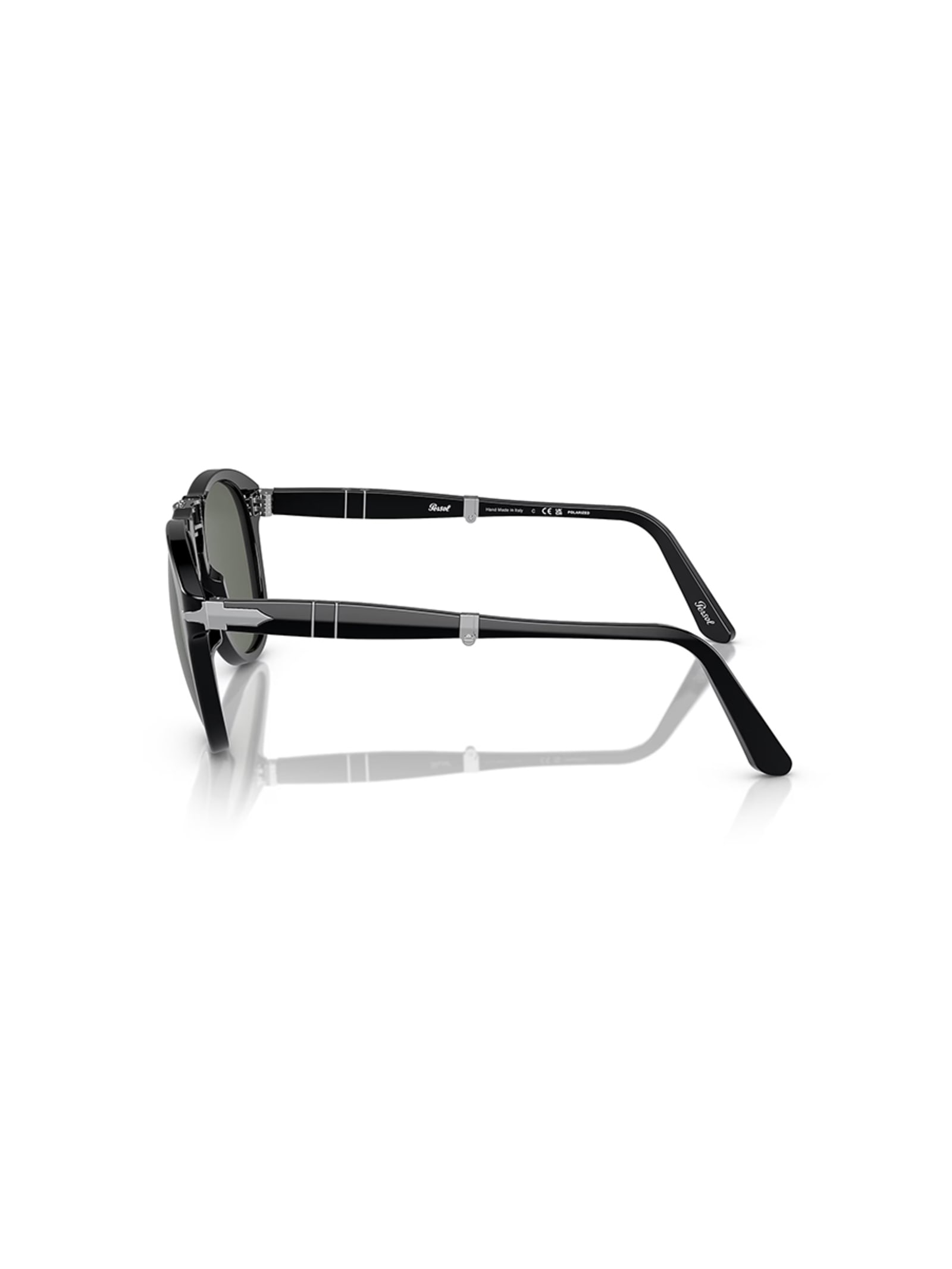
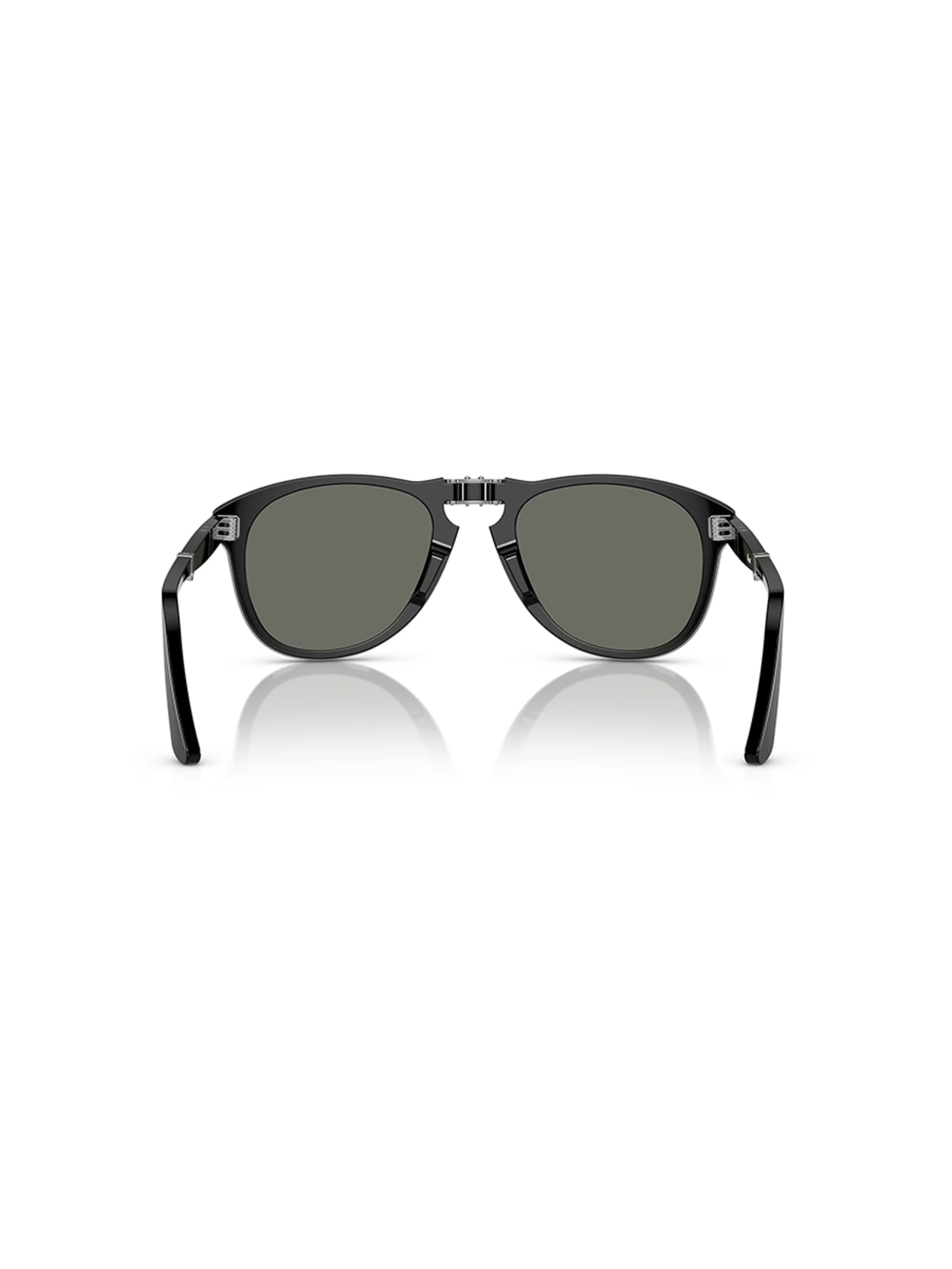
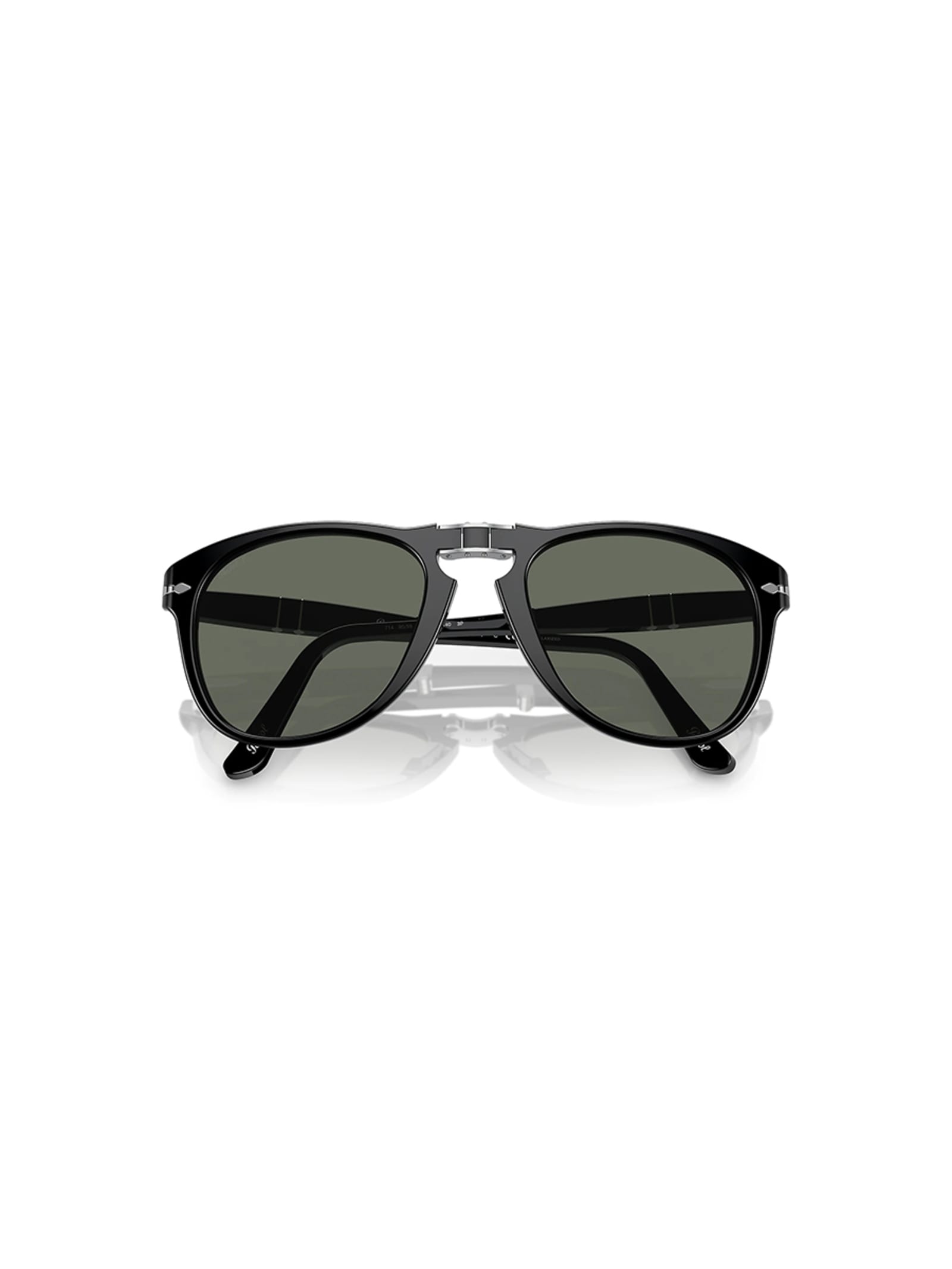
The 714 was introduced in the 1960s as the world's first folding sunglasses: a pilot-shaped acetate frame whose patented mechanism collapses at three points, the nose bridge and both temples, folding the frame down to roughly the footprint of a single lens. That fold is the design's defining decision and the one feature that sets it apart from every other frame Persol makes; achieving it without compromising hinge durability adds ten manufacturing steps over a standard frame. The temples carry Persol's Meflecto system, patented in the 1930s, with metal pins through the acetate arms that let them flex sideways and conform to different head widths without permanent deformation. The 714 became culturally fixed when Steve McQueen wore it in The Thomas Crown Affair in 1968 and kept wearing it off-screen, an association now inseparable from the frame.
Design intent
- +The three-point fold answers a genuine carry problem: a full pilot frame that compresses small enough for a breast pocket without a case; the engineering to do that durably across thousands of cycles is why the frame exists.
- +The Meflecto system spreads temple pressure across a flexible core rather than a rigid wire, removing the side-of-head pressure most acetate frames cause over a long wear, a 1930s comfort solution still in use.
Trade-offs
- -The folding bridge sits slightly lower on the nose than a fixed-bridge frame, subtly altering the fit; wearers precise about optical centring may notice it.
- -More moving parts mean the fold is more sensitive to hinge wear than a fixed frame; the joints need occasional tightening, and repair cost reflects the precision of the mechanism.
The 714 was introduced in the 1960s as the world's first folding sunglasses: a pilot-shaped acetate frame whose patented mechanism collapses at three points, the nose bridge and both temples, folding the frame down to roughly the footprint of a single lens. That fold is the design's defining decision and the one feature that sets it apart from every other frame Persol makes; achieving it without compromising hinge durability adds ten manufacturing steps over a standard frame. The temples carry Persol's Meflecto system, patented in the 1930s, with metal pins through the acetate arms that let them flex sideways and conform to different head widths without permanent deformation. The 714 became culturally fixed when Steve McQueen wore it in The Thomas Crown Affair in 1968 and kept wearing it off-screen, an association now inseparable from the frame.
Design intent
- +The three-point fold answers a genuine carry problem: a full pilot frame that compresses small enough for a breast pocket without a case; the engineering to do that durably across thousands of cycles is why the frame exists.
- +The Meflecto system spreads temple pressure across a flexible core rather than a rigid wire, removing the side-of-head pressure most acetate frames cause over a long wear, a 1930s comfort solution still in use.
Trade-offs
- -The folding bridge sits slightly lower on the nose than a fixed-bridge frame, subtly altering the fit; wearers precise about optical centring may notice it.
- -More moving parts mean the fold is more sensitive to hinge wear than a fixed frame; the joints need occasional tightening, and repair cost reflects the precision of the mechanism.