F-91W / Casio
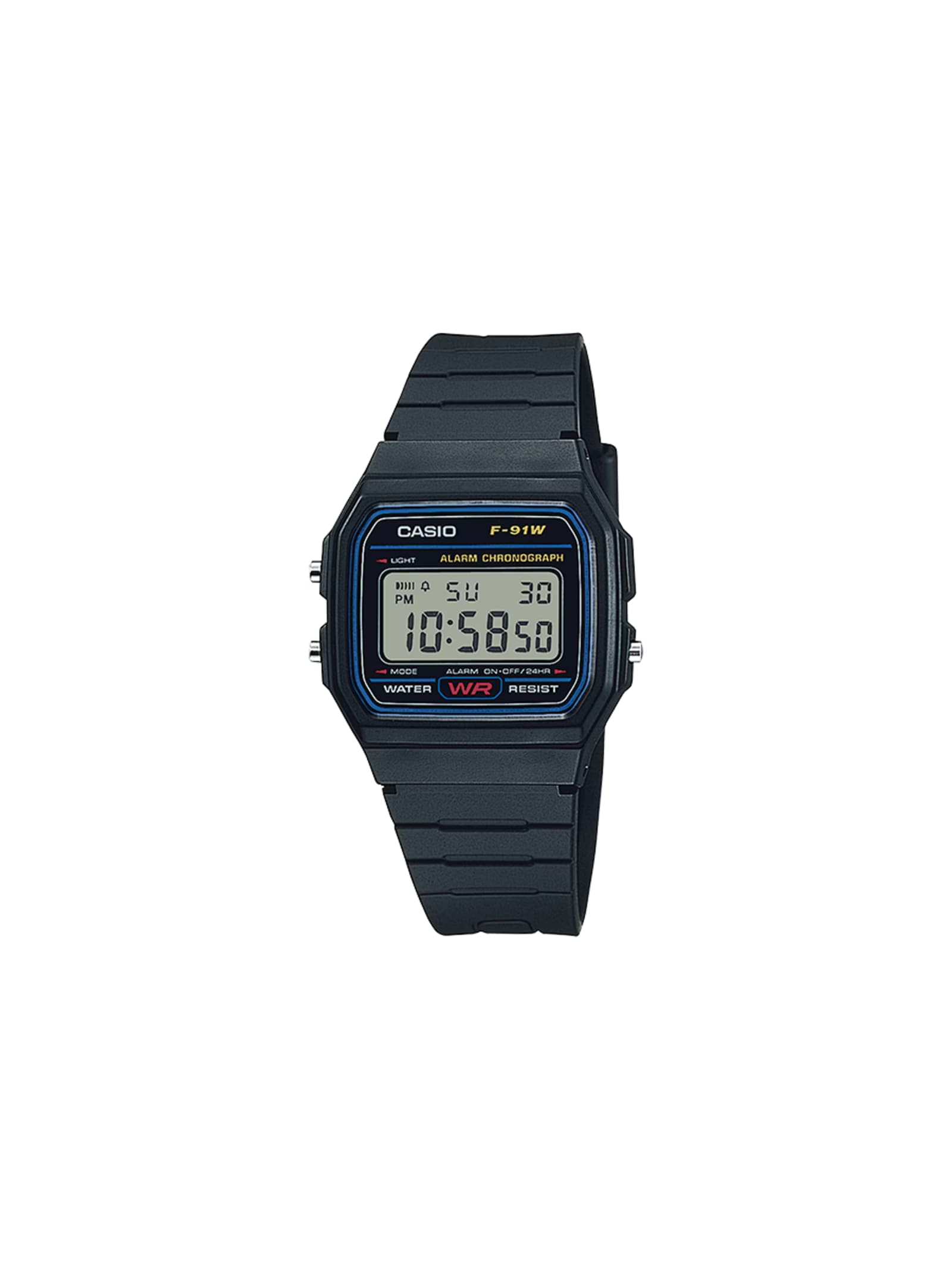
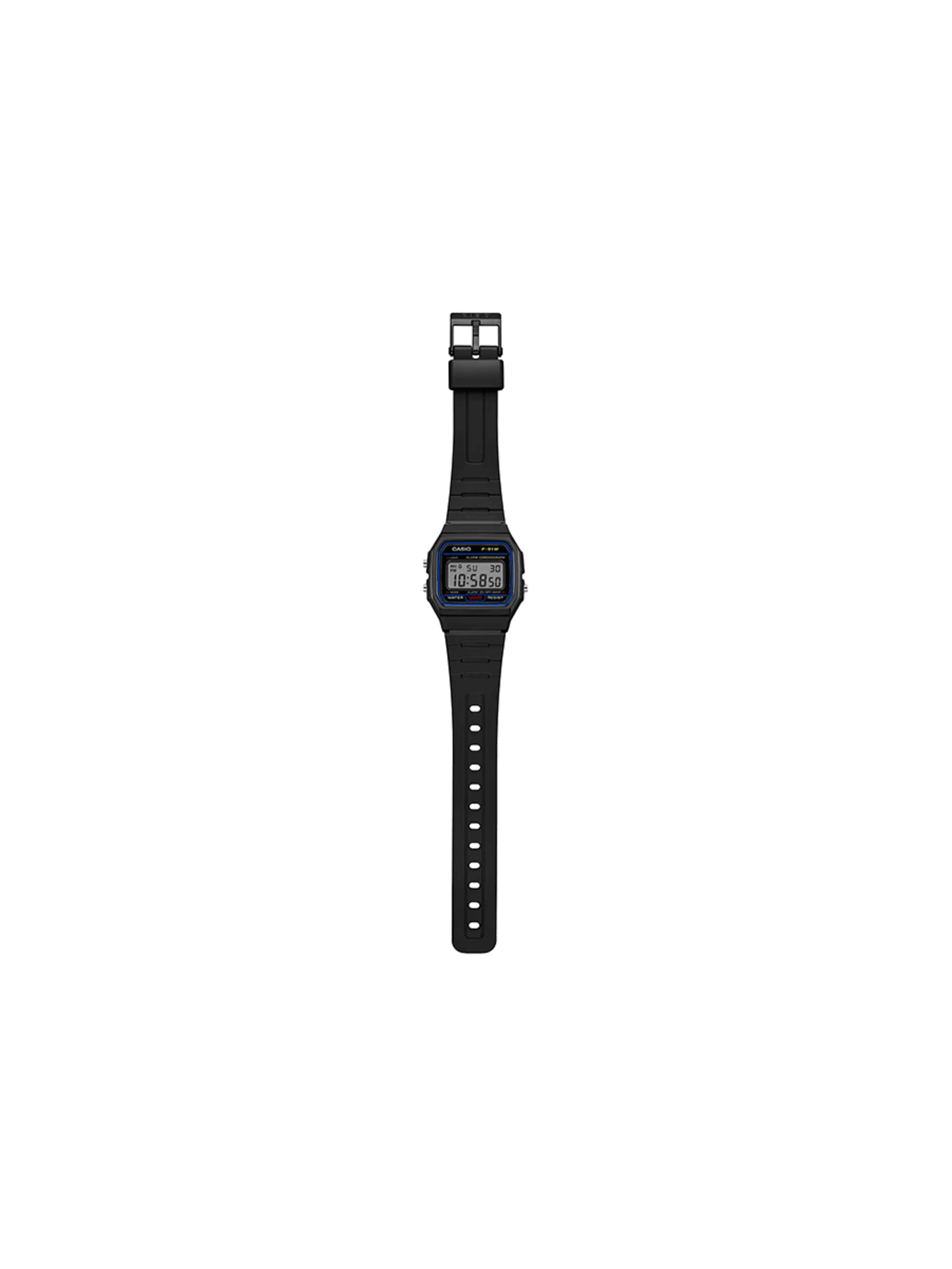
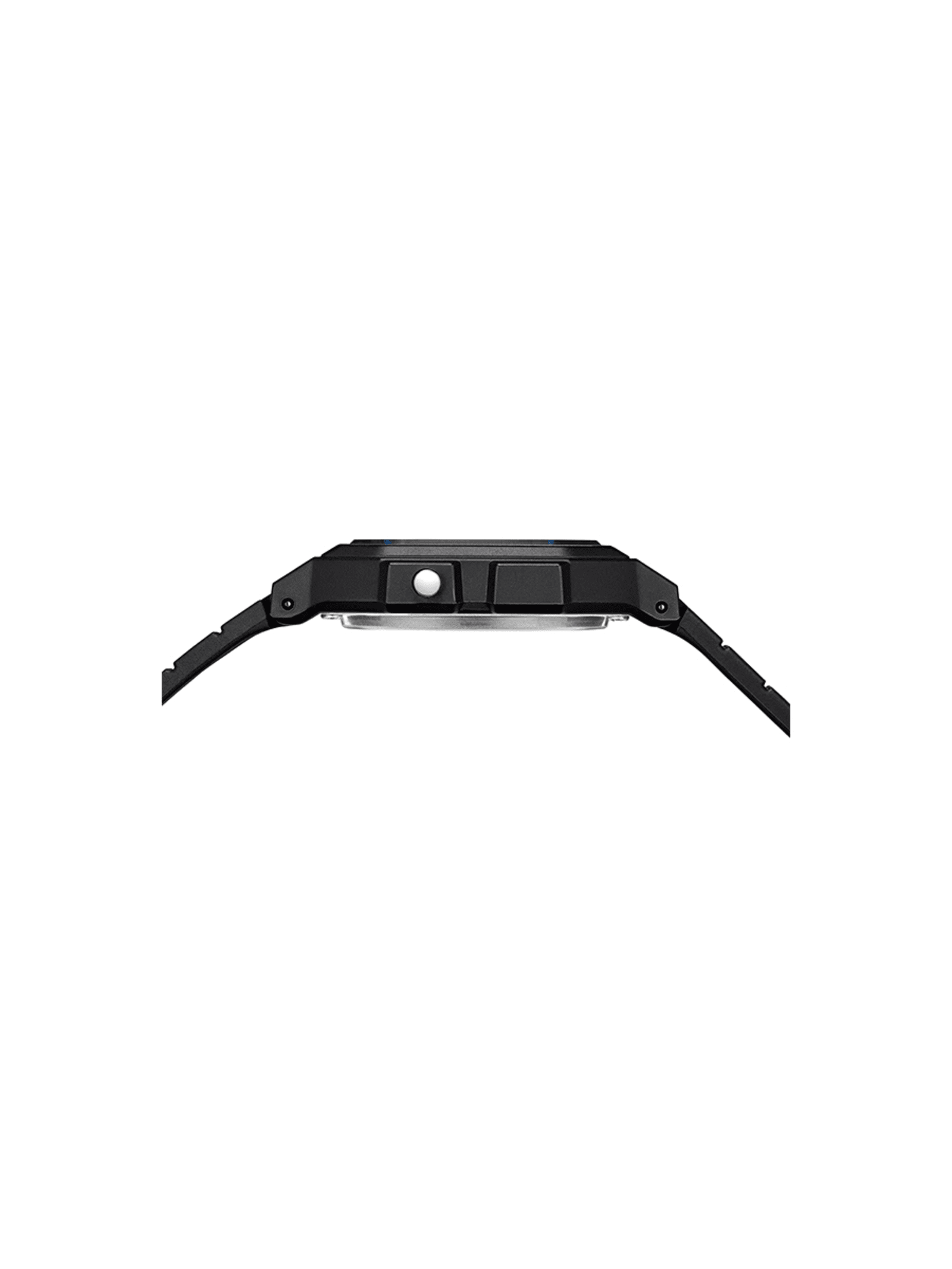
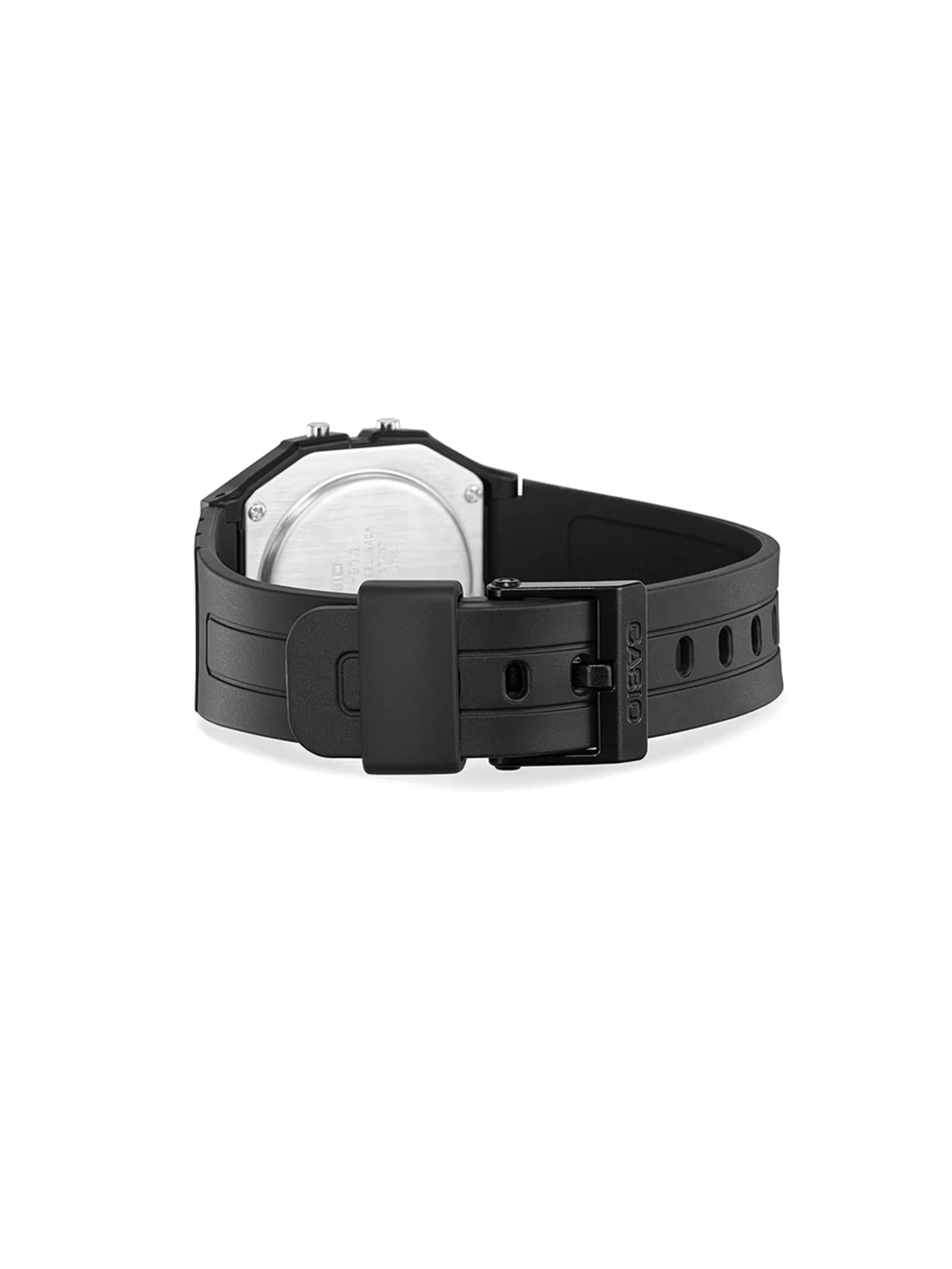
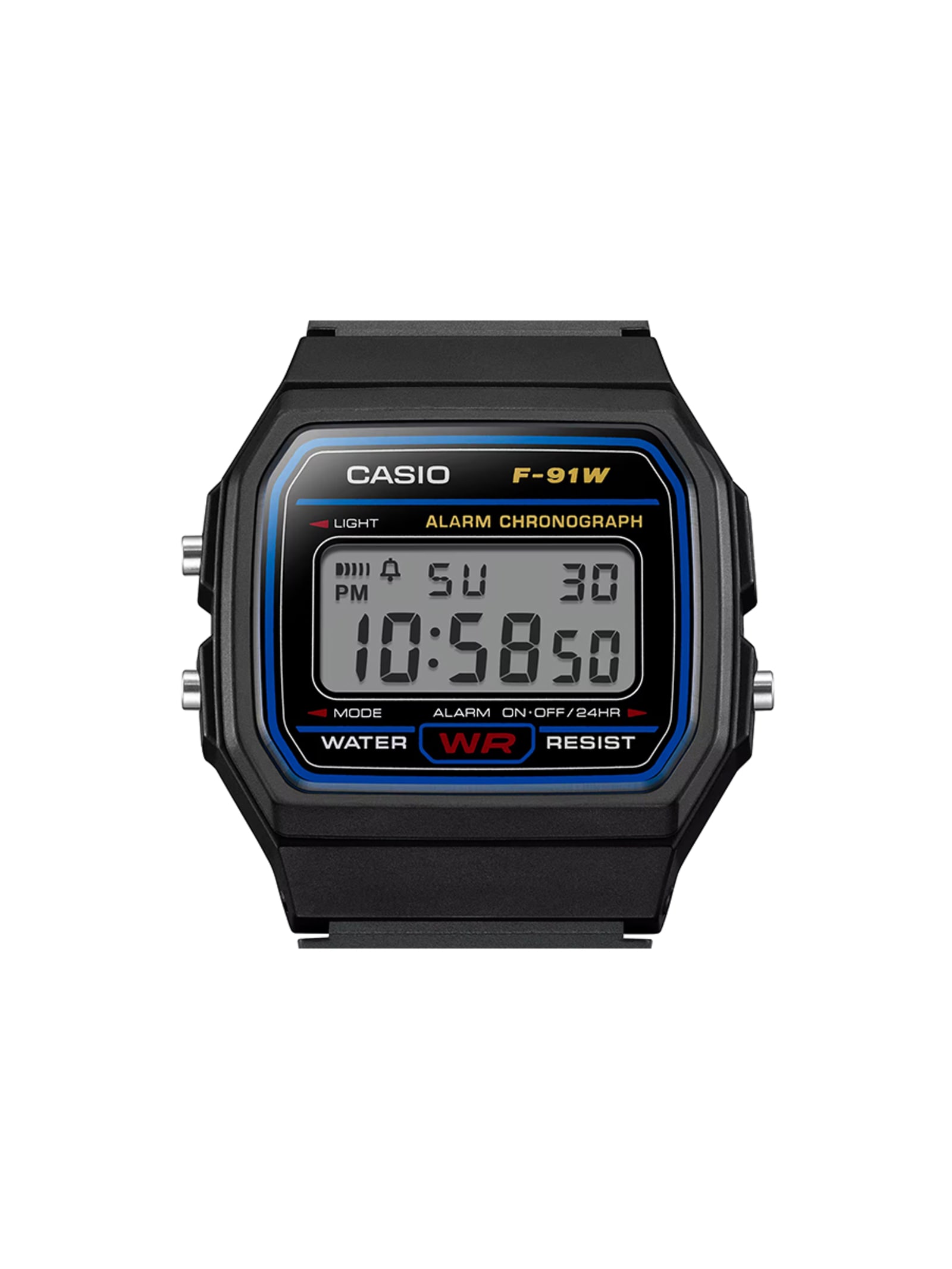
Casio released the F-91W in 1989 and has barely altered it since, which is the most interesting thing about it. Ryūsuke Moriai's first design for the company reduced a watch to its smallest useful form and then stopped: a 21-gram resin case, an acrylic crystal, a high-contrast LCD legible in direct sun, and Module 593 running for years on a single coin cell. There is nothing to learn and nothing to maintain. Over 100 million have sold, and the form has survived four decades of colour variants, from the original black to monochrome, metallic and translucent runs, without the underlying object changing at all. Its appeal is not refinement. It is the confidence to leave something alone.
Design intent
- +Low cost and low weight are treated as features rather than compromises: a watch cheap enough that losing it carries no real penalty.
- +The entire interface is three buttons with their functions printed on the face, operable without instructions and unchanged for over thirty years.
Trade-offs
- -The resin case and acrylic crystal scratch easily, and the backlight is too dim to be useful in true darkness.
- -No luminous hands, shallow water resistance, and a strap that grows brittle after years of UV exposure: predictable limits at the price.
Casio released the F-91W in 1989 and has barely altered it since, which is the most interesting thing about it. Ryūsuke Moriai's first design for the company reduced a watch to its smallest useful form and then stopped: a 21-gram resin case, an acrylic crystal, a high-contrast LCD legible in direct sun, and Module 593 running for years on a single coin cell. There is nothing to learn and nothing to maintain. Over 100 million have sold, and the form has survived four decades of colour variants, from the original black to monochrome, metallic and translucent runs, without the underlying object changing at all. Its appeal is not refinement. It is the confidence to leave something alone.
Design intent
- +Low cost and low weight are treated as features rather than compromises: a watch cheap enough that losing it carries no real penalty.
- +The entire interface is three buttons with their functions printed on the face, operable without instructions and unchanged for over thirty years.
Trade-offs
- -The resin case and acrylic crystal scratch easily, and the backlight is too dim to be useful in true darkness.
- -No luminous hands, shallow water resistance, and a strap that grows brittle after years of UV exposure: predictable limits at the price.