
Transport 2 / Hoka
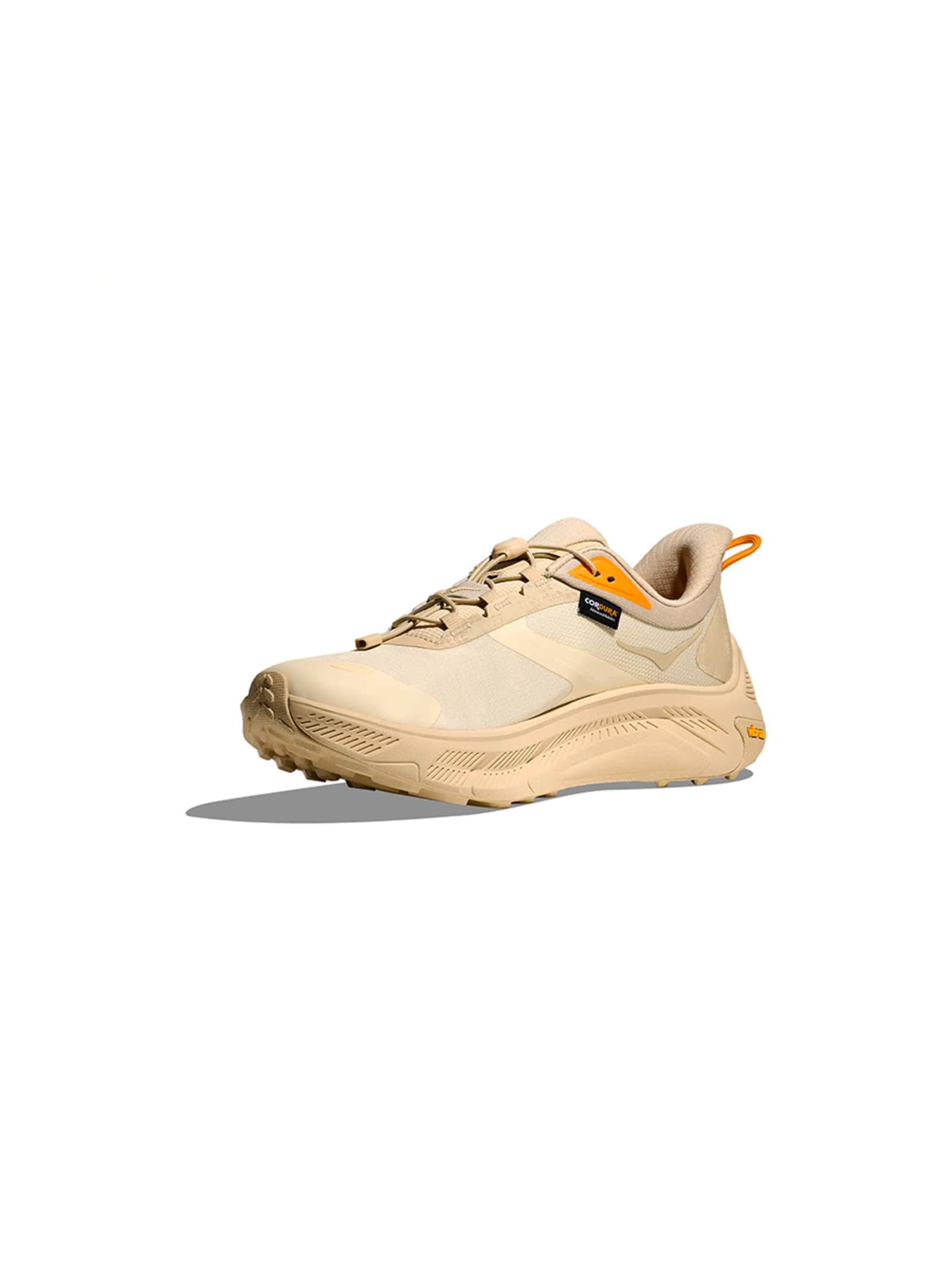
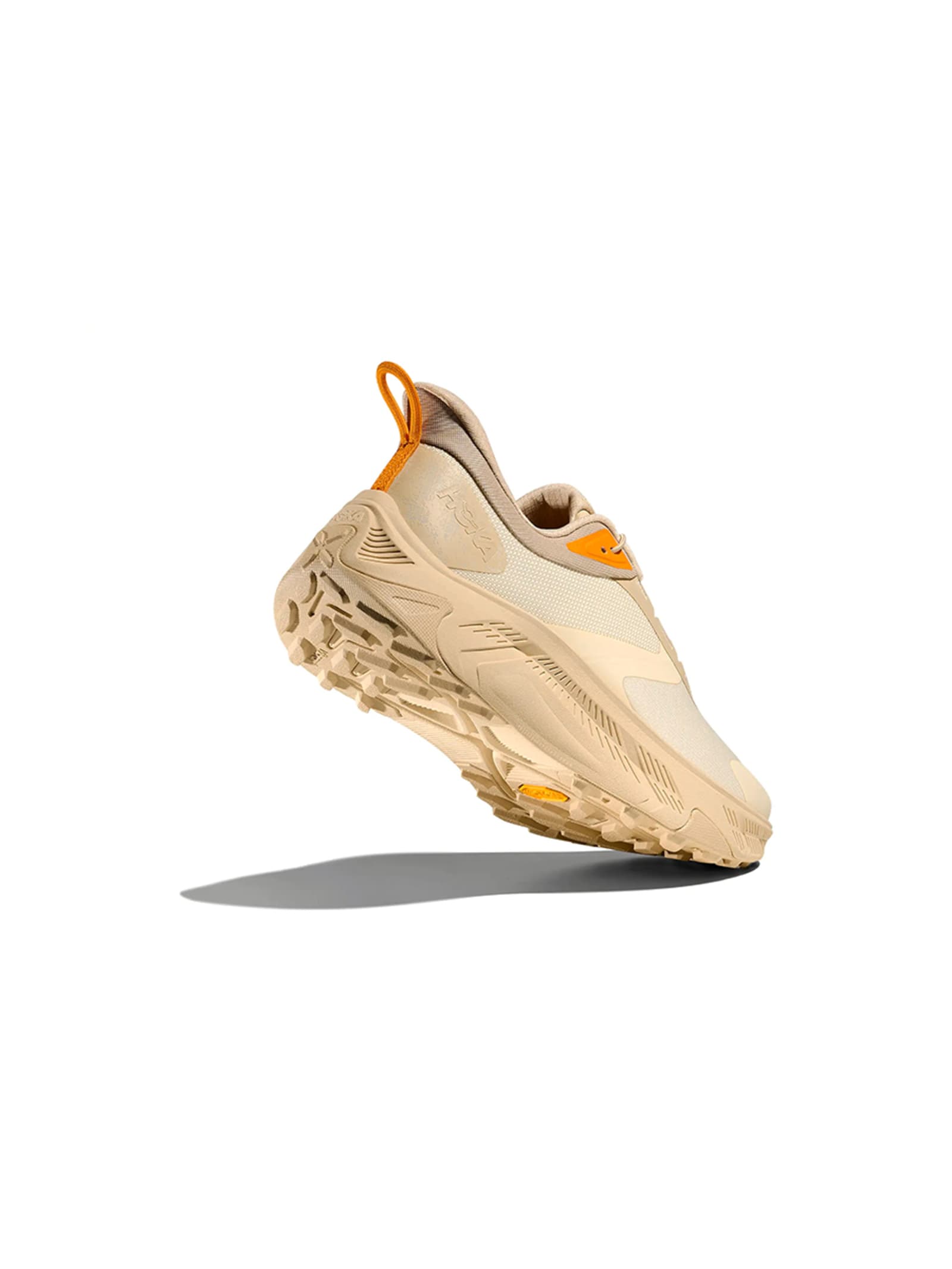
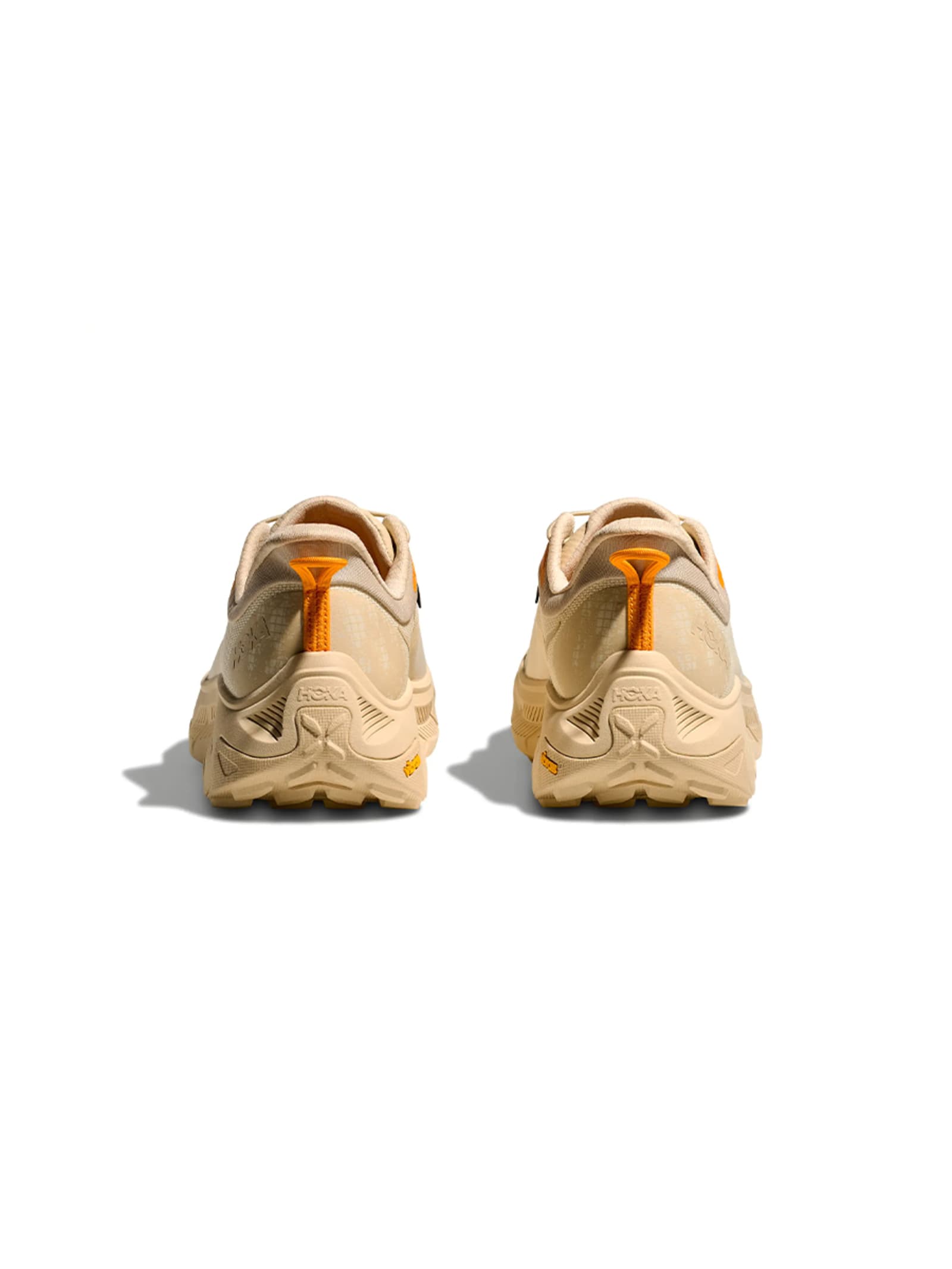
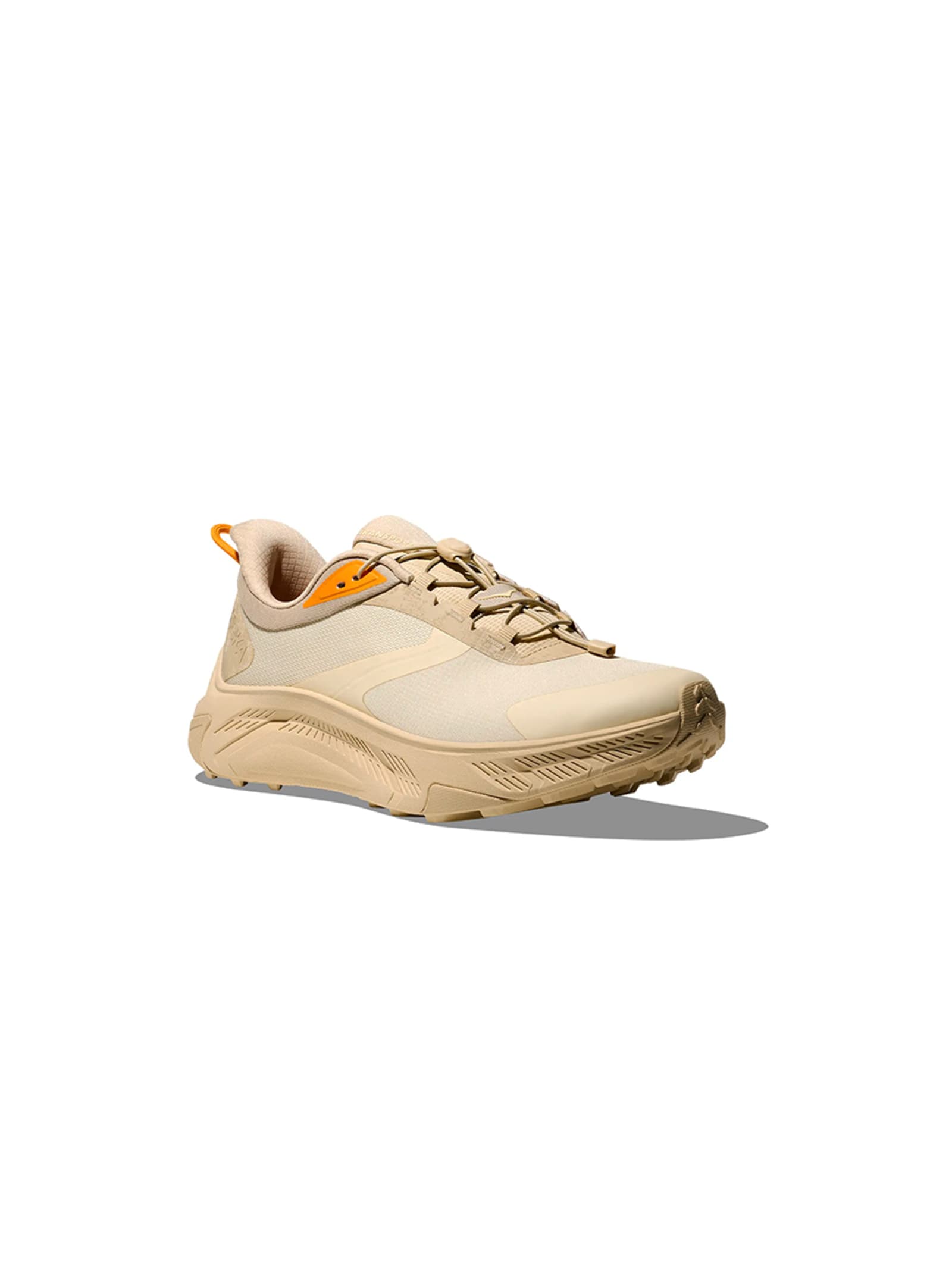
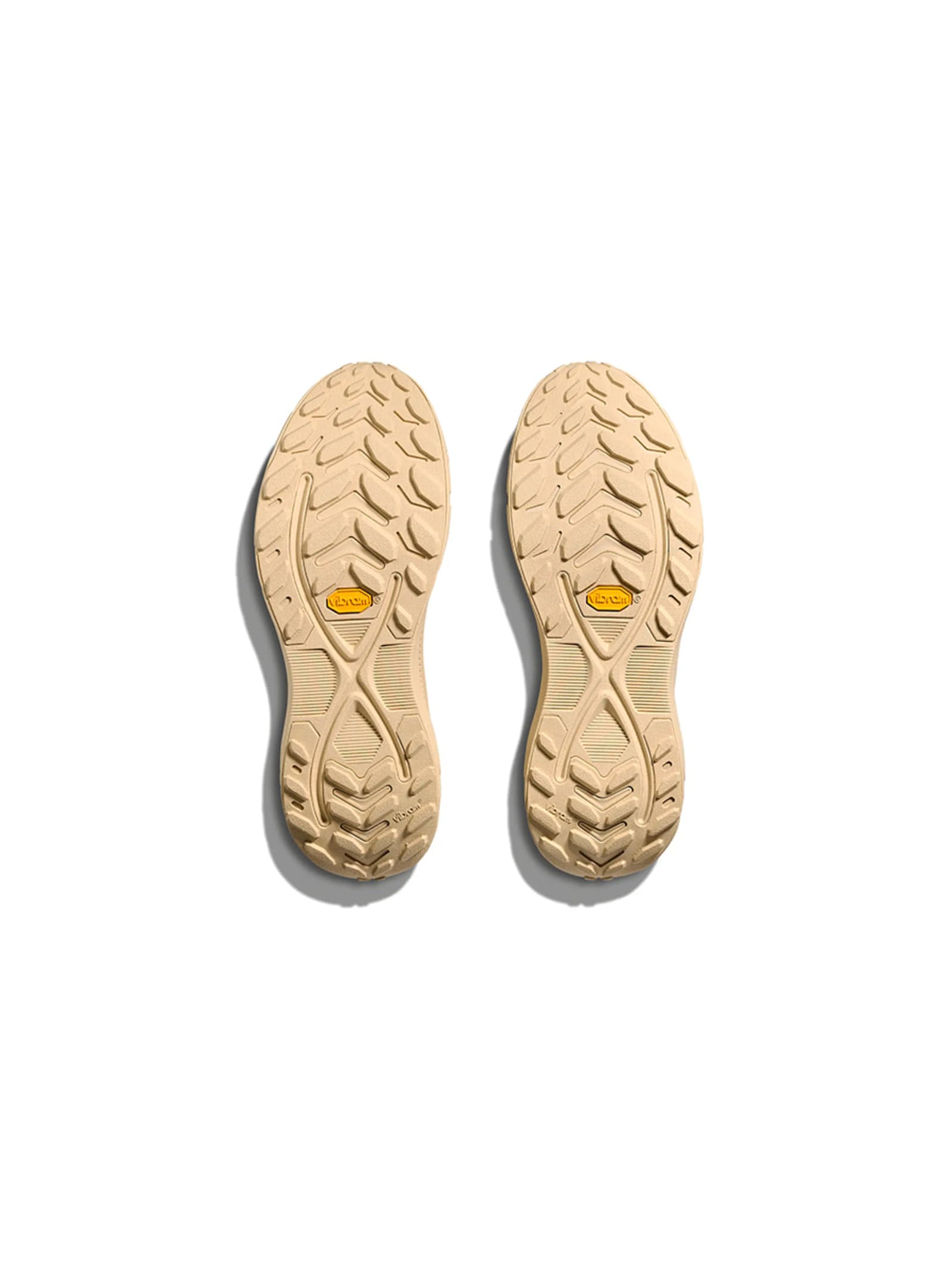
The Transport 2 is Hoka's commuter shoe, and it is the odd one in a brand known for maximal running cushioning: an everyday urban shoe built to walk, ride and stand rather than run. The upper is a water-resistant recycled ripstop with reflective trim and a gusseted tongue that keeps grit out, and the outsole wraps up at the toe and heel for durability against kerbs and pedals. Underfoot sits a moderated version of Hoka's foam, cushioned enough for a day on hard pavement but firmer and more stable than a running midsole, on a wider, flatter base. It suits the city commuter who wants one comfortable, weatherproof shoe for walking and cycling to work, and accepts that its all-round remit means it excels at none of those uses in isolation.
Design intent
- +The defining decision is to redirect Hoka's cushioning from running to commuting: a firmer, more stable version of the brand's foam on a wide, flat base prioritises all-day standing and walking comfort over propulsion, which is a different job from the running shoes it is known for.
- +The details are built around the commute specifically: a water-resistant recycled upper, reflective accents for low light, a gusseted tongue against road grit and wrapped rubber for kerb and pedal wear, so the shoe is designed for the journey rather than the run or the gym.
Trade-offs
- -Being a genuine all-rounder means it is a specialist at nothing: it is not as cushioned as Hoka's running shoes, not as supportive as a dedicated walking boot, and not as grippy as a cycling shoe, so committed users of any one may want the specialist.
- -The moderated foam and sturdier build make it heavier and less lively than a running Hoka, so anyone expecting the brand's signature soft, springy ride will find this a deliberately more grounded, utilitarian shoe.


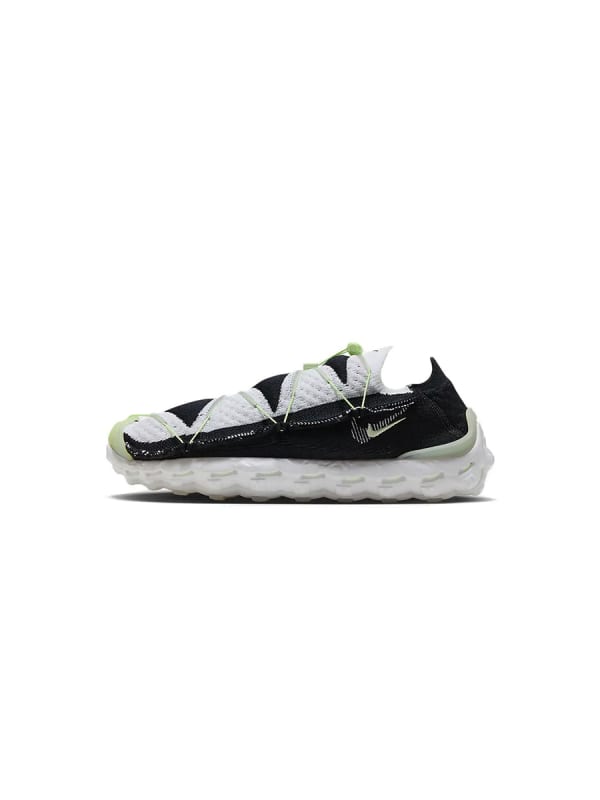

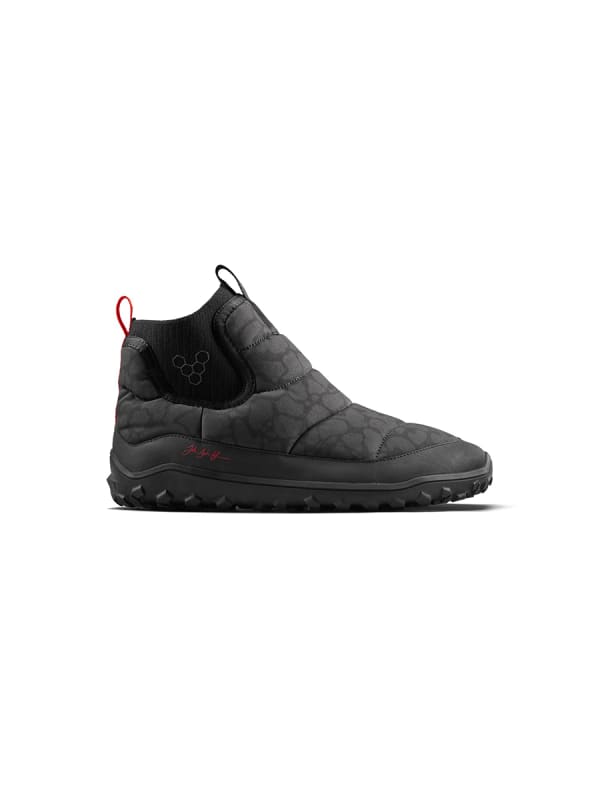


The Transport 2 is Hoka's commuter shoe, and it is the odd one in a brand known for maximal running cushioning: an everyday urban shoe built to walk, ride and stand rather than run. The upper is a water-resistant recycled ripstop with reflective trim and a gusseted tongue that keeps grit out, and the outsole wraps up at the toe and heel for durability against kerbs and pedals. Underfoot sits a moderated version of Hoka's foam, cushioned enough for a day on hard pavement but firmer and more stable than a running midsole, on a wider, flatter base. It suits the city commuter who wants one comfortable, weatherproof shoe for walking and cycling to work, and accepts that its all-round remit means it excels at none of those uses in isolation.
Design intent
- +The defining decision is to redirect Hoka's cushioning from running to commuting: a firmer, more stable version of the brand's foam on a wide, flat base prioritises all-day standing and walking comfort over propulsion, which is a different job from the running shoes it is known for.
- +The details are built around the commute specifically: a water-resistant recycled upper, reflective accents for low light, a gusseted tongue against road grit and wrapped rubber for kerb and pedal wear, so the shoe is designed for the journey rather than the run or the gym.
Trade-offs
- -Being a genuine all-rounder means it is a specialist at nothing: it is not as cushioned as Hoka's running shoes, not as supportive as a dedicated walking boot, and not as grippy as a cycling shoe, so committed users of any one may want the specialist.
- -The moderated foam and sturdier build make it heavier and less lively than a running Hoka, so anyone expecting the brand's signature soft, springy ride will find this a deliberately more grounded, utilitarian shoe.