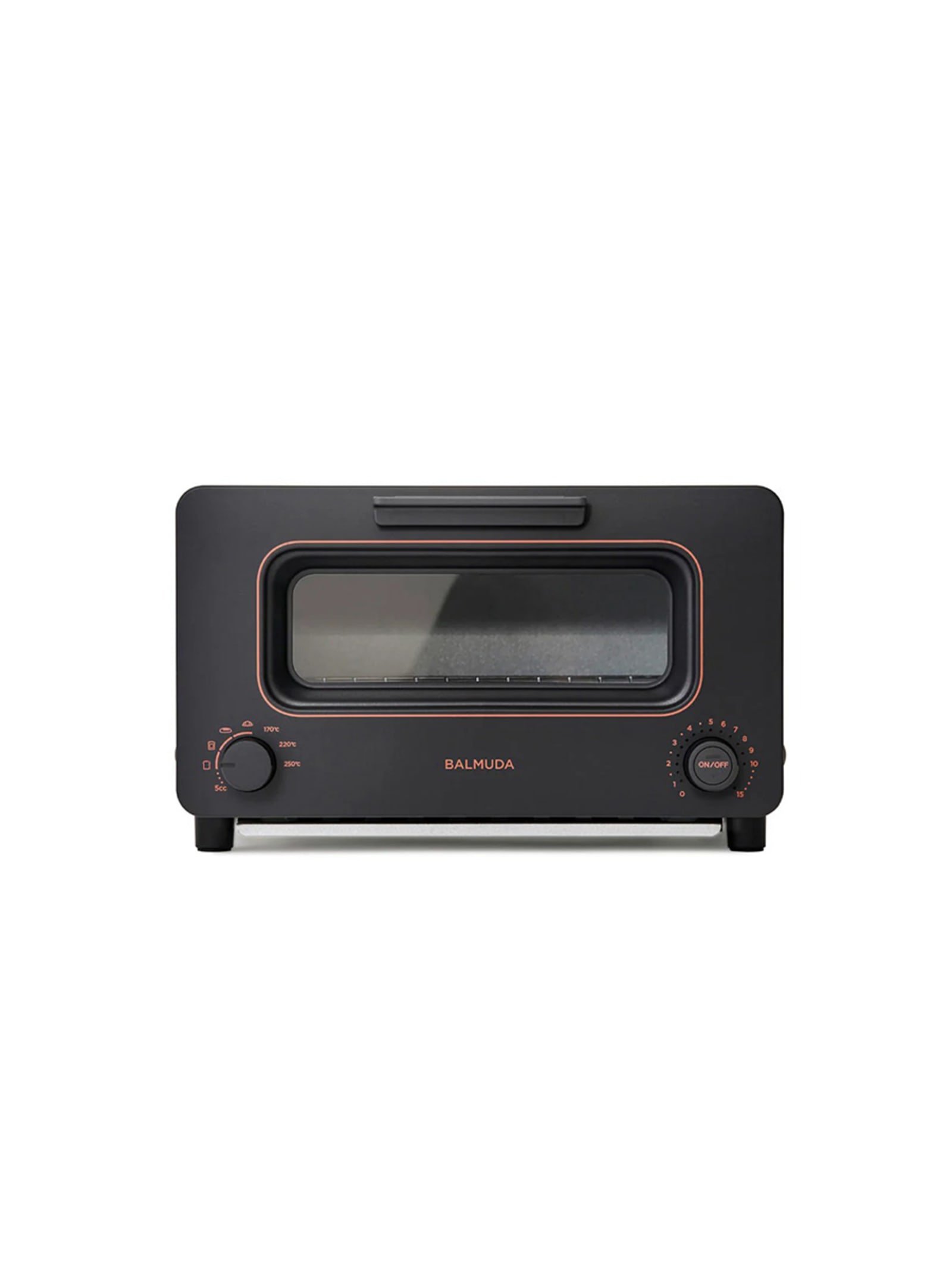


The Toaster / Balmuda
/ / /
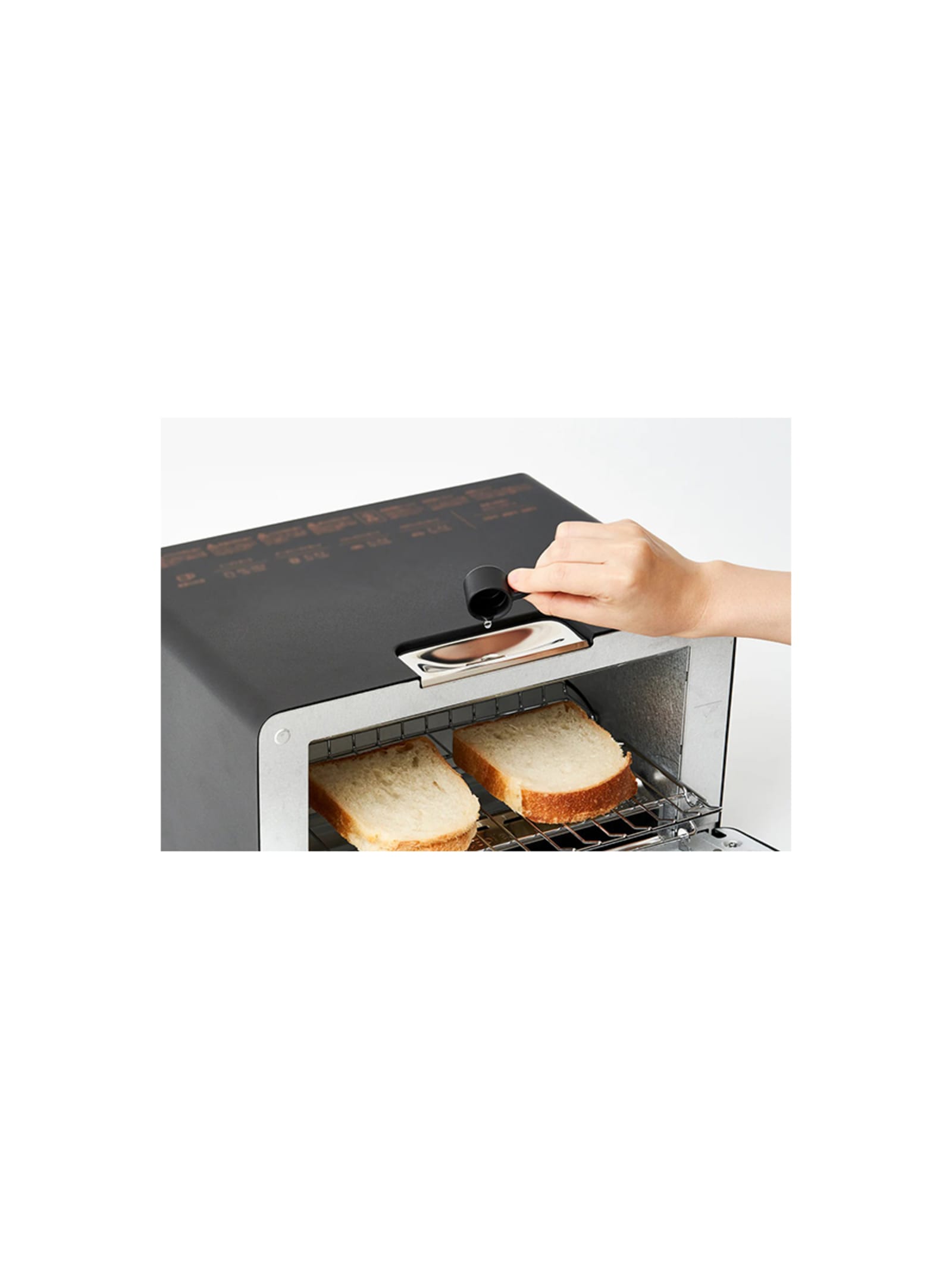
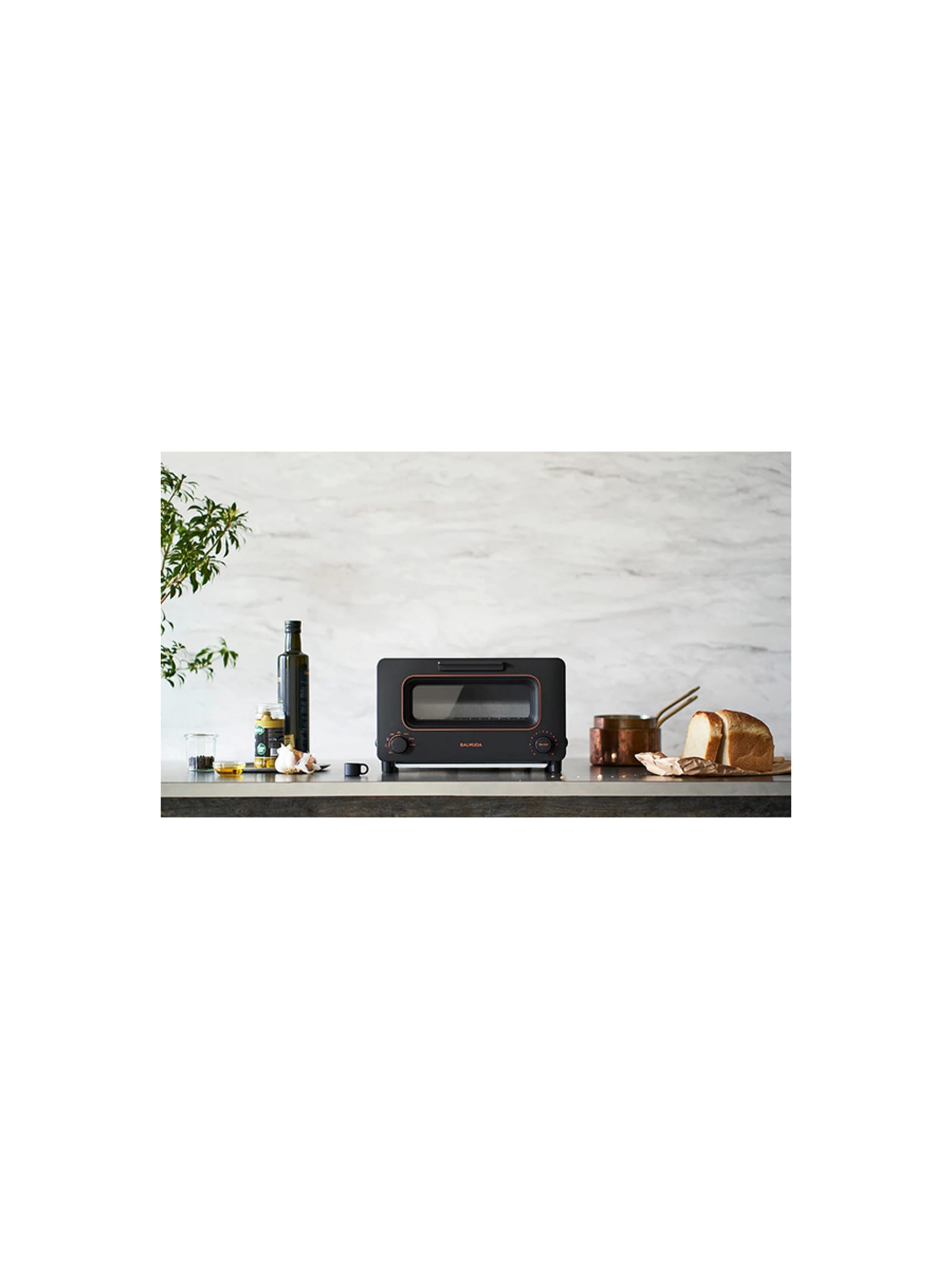
Balmuda built a cult around the idea that a toaster could be designed, not merely manufactured. The Toaster is engineered around steam: you pour a small measure of water into the top before toasting, and a thin layer of steam forms over the bread, crisping the surface while sealing moisture inside, so the result tastes closer to bread fresh from a bakery than from a coil. Beneath that, three separately controlled temperature zones and bread-specific modes, for sandwich loaf, artisan bread, pizza and pastry, tune the heat to each. It is housed in a compact, restrained steel body that earned international design awards. It suits the person who takes a daily ritual seriously and wants a counter object that rewards it, and accepts paying real money for what is, finally, a very good toaster. A newer Pro model adds a salamander grill mode.
Design intent
- The whole product is built around one insight, steam: a small pour of water before toasting creates a thin layer of steam that crisps the surface while keeping the inside moist, an idea that reframes a commodity appliance around the way bread actually tastes.
- Three independently controlled heating zones and modes tuned to specific breads turn that idea into precision, treating sandwich loaf, artisan bread, pizza and pastry as different problems rather than running them all under the same undifferentiated heat.
Trade-offs
- It is extremely expensive for a toaster, several times the price of a capable conventional one, so the steam result and the design have to matter to you for the cost to make sense.
- The capacity is small and the focus narrow: it fits limited bread, does not air-fry or roast large items, and asks you to measure and pour water before each use, a deliberate ritual that is also an extra step a basic toaster never demands.
- Source
- Year
- Category
- /
- Colour
- Material
- ,
- Indexed
- 29 Mar 2026