
Ultra Duel Drive Luxe USB Type C / SanDisk
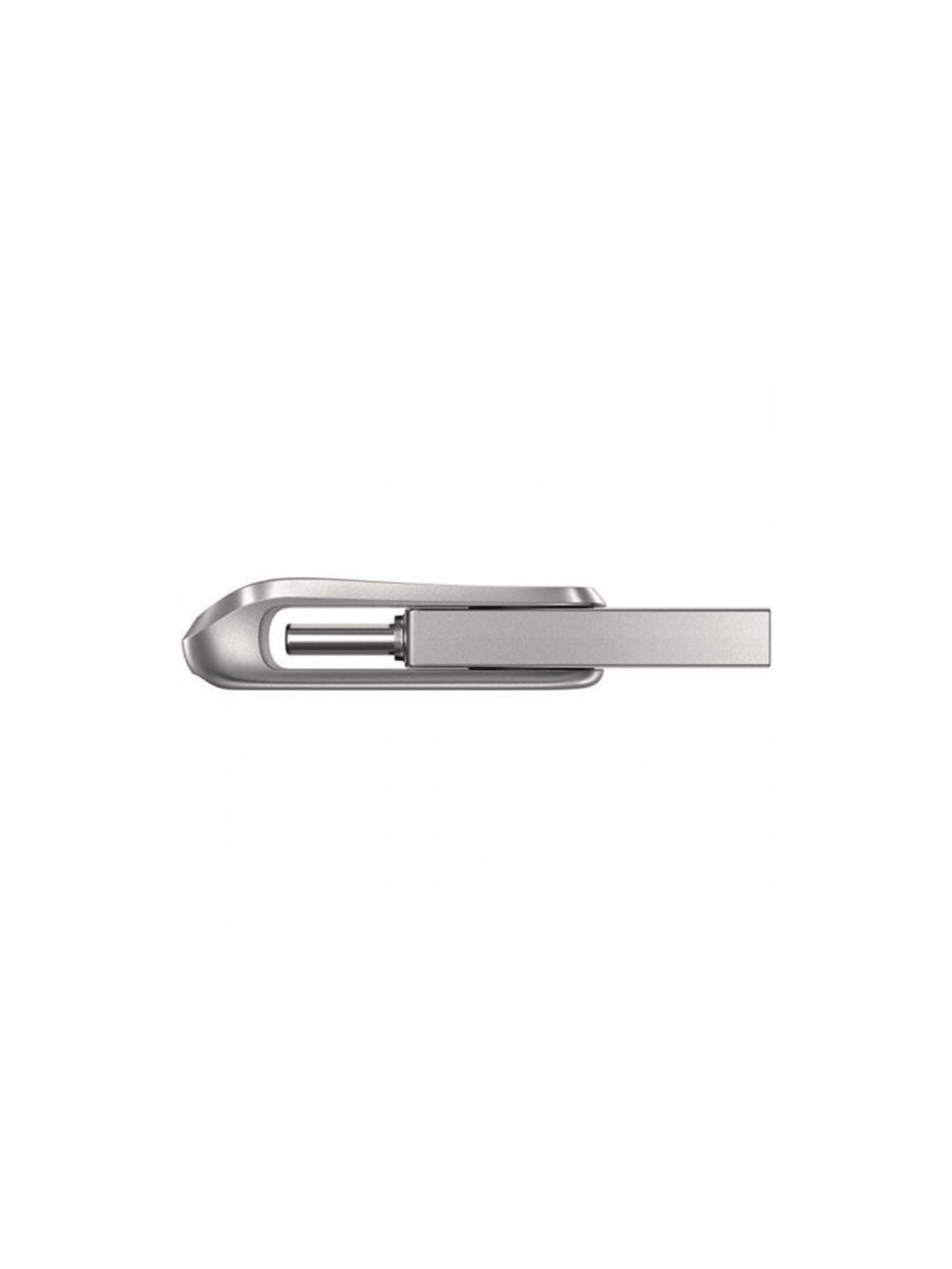
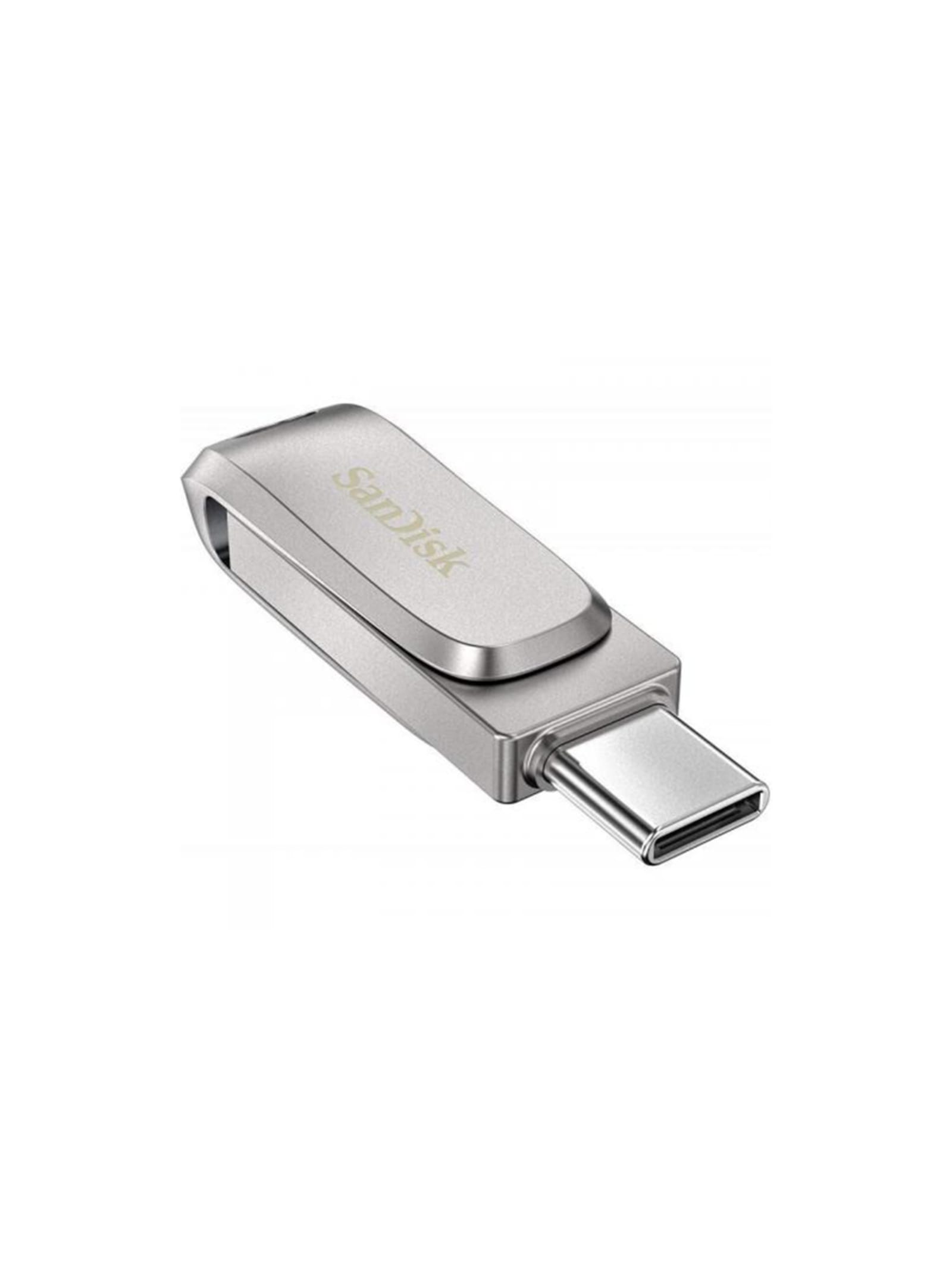
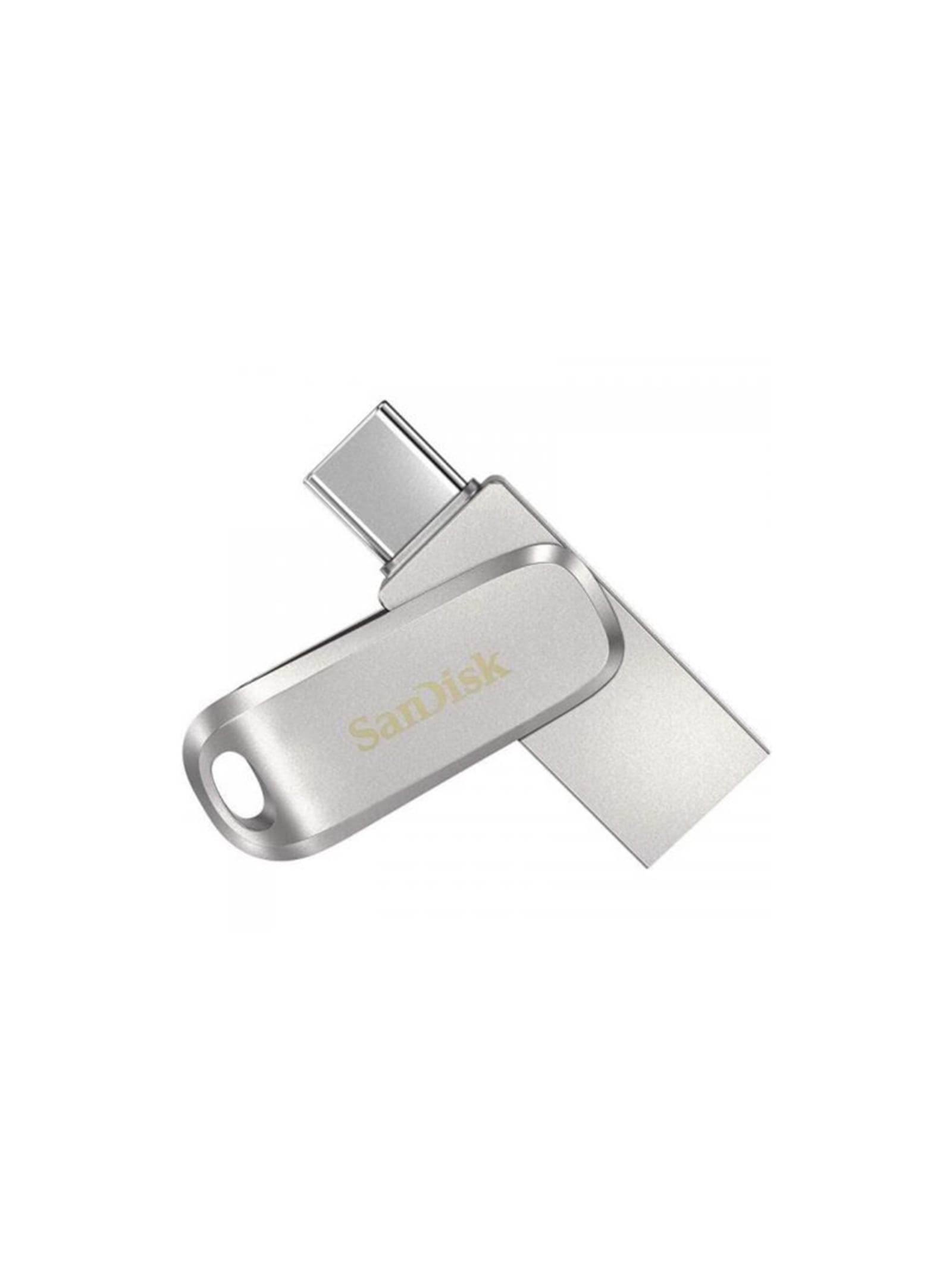
The Ultra Dual Drive Luxe answers a transitional problem: most people now carry both USB-A and USB-C ports across their devices, and this drive has a connector for each, so no adapter is ever needed. A USB-C plug swivels out of one end of the all-metal housing while a USB-A plug sits at the other, the swivel both presenting the connector and protecting it when closed. The body is brushed metal, more substantial than the usual plastic stick, and capacities run up to 1TB over a USB 3.1 interface. It reads at up to 150MB/s and clips to a keyring through a hole in the housing. The point is infrastructural rather than aspirational: it fits the mixed-port world people actually use today.
Design intent
- +Putting both connector types on one housing takes the adapter out of the workflow entirely, a decision aimed at the mixed-port reality people carry rather than a future where one standard has won.
- +The swivel both deploys the USB-C connector and shields it when closed, so there is no separate cap to lose, the usual weak point of a dual-ended drive.
Trade-offs
- -The swivel is the most mechanically complex part and the likeliest to loosen over years of frequent use, the cost of having no cap and two connectors in one body.
- -The metal housing adds weight and bulk over a plain plastic drive; the premium feel comes with a small but real carry penalty.



The Ultra Dual Drive Luxe answers a transitional problem: most people now carry both USB-A and USB-C ports across their devices, and this drive has a connector for each, so no adapter is ever needed. A USB-C plug swivels out of one end of the all-metal housing while a USB-A plug sits at the other, the swivel both presenting the connector and protecting it when closed. The body is brushed metal, more substantial than the usual plastic stick, and capacities run up to 1TB over a USB 3.1 interface. It reads at up to 150MB/s and clips to a keyring through a hole in the housing. The point is infrastructural rather than aspirational: it fits the mixed-port world people actually use today.
Design intent
- +Putting both connector types on one housing takes the adapter out of the workflow entirely, a decision aimed at the mixed-port reality people carry rather than a future where one standard has won.
- +The swivel both deploys the USB-C connector and shields it when closed, so there is no separate cap to lose, the usual weak point of a dual-ended drive.
Trade-offs
- -The swivel is the most mechanically complex part and the likeliest to loosen over years of frequent use, the cost of having no cap and two connectors in one body.
- -The metal housing adds weight and bulk over a plain plastic drive; the premium feel comes with a small but real carry penalty.