)
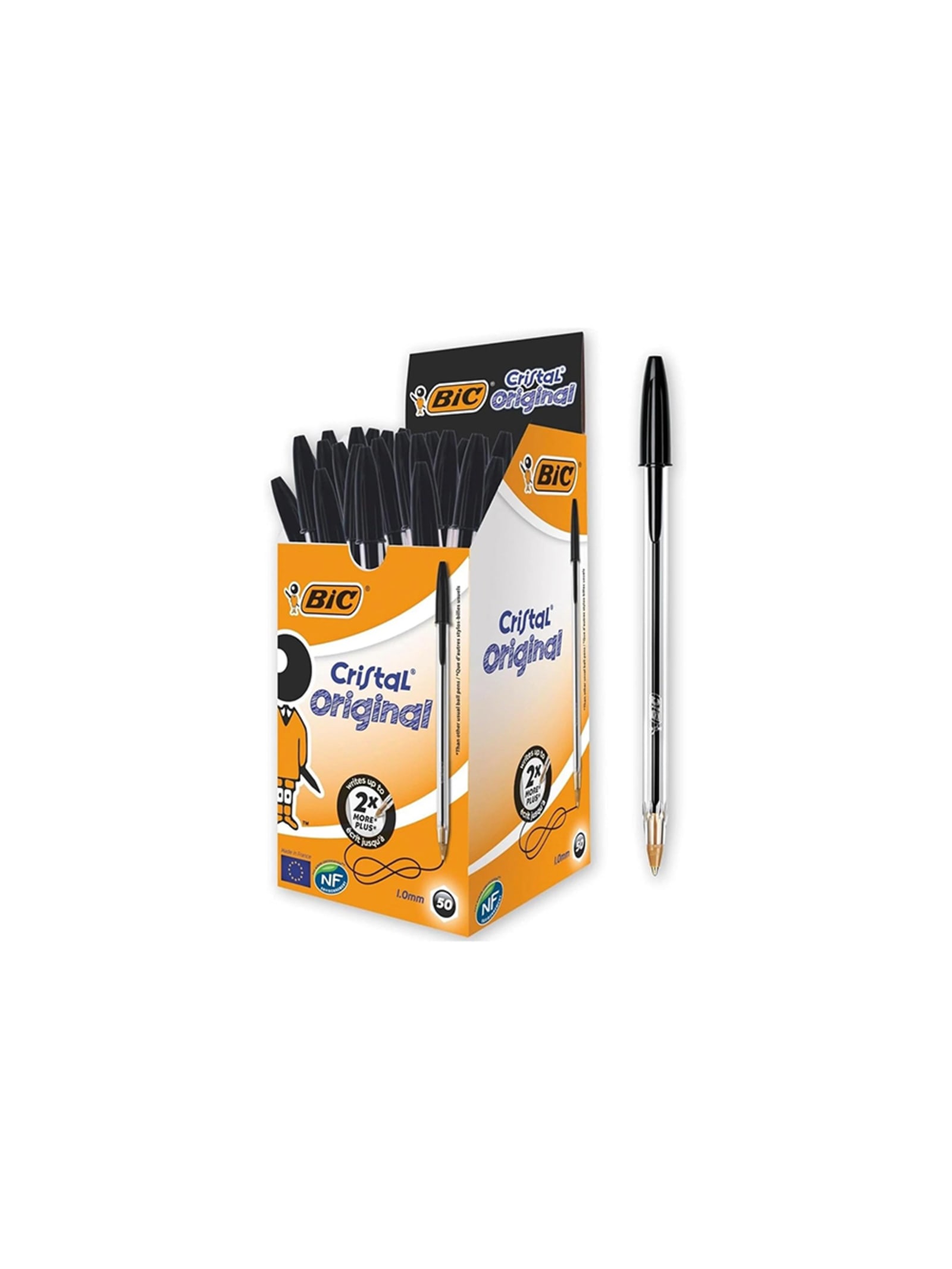
Bic Cristal Ballpoint Pen / BIC
/ / /
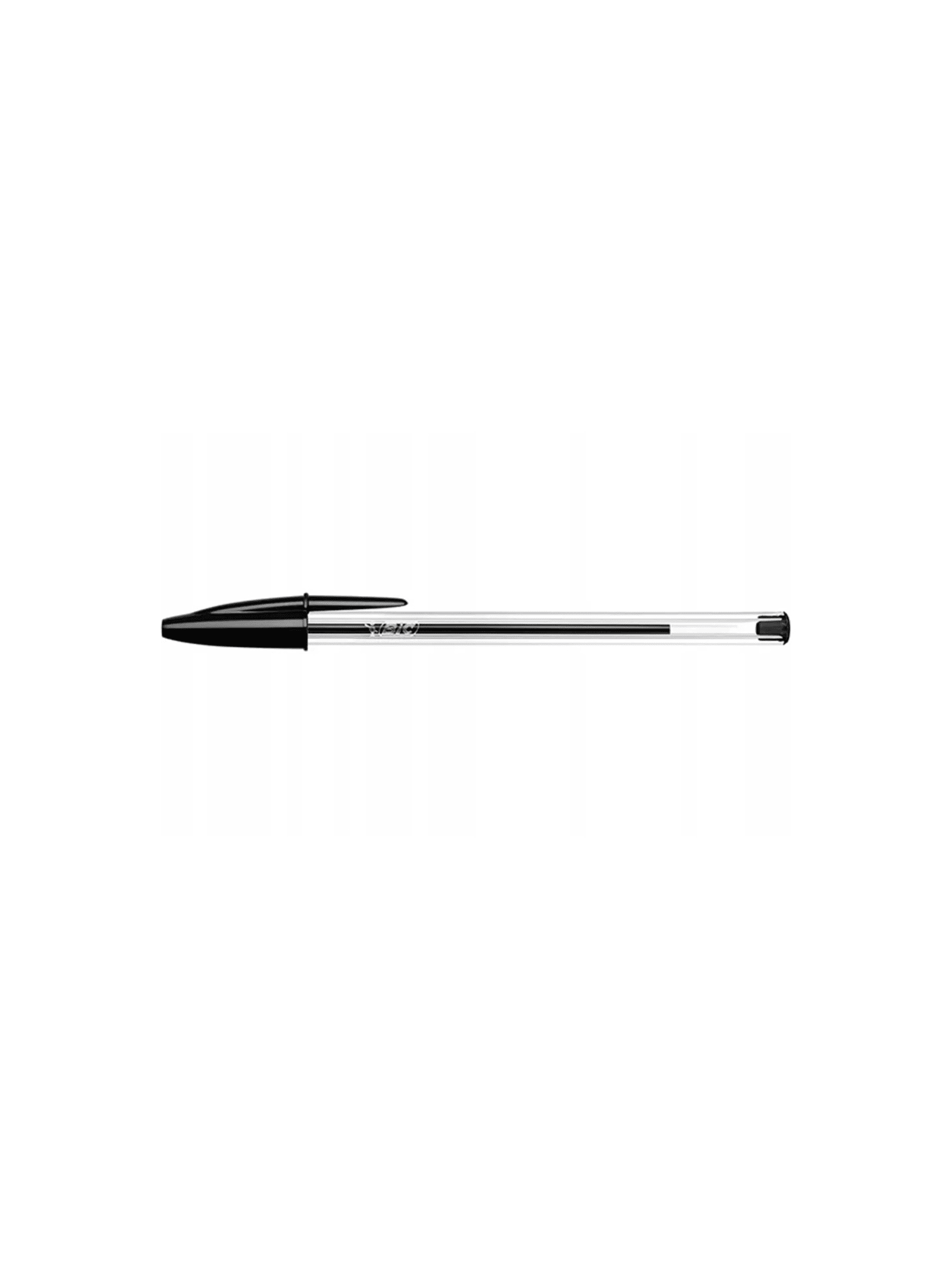
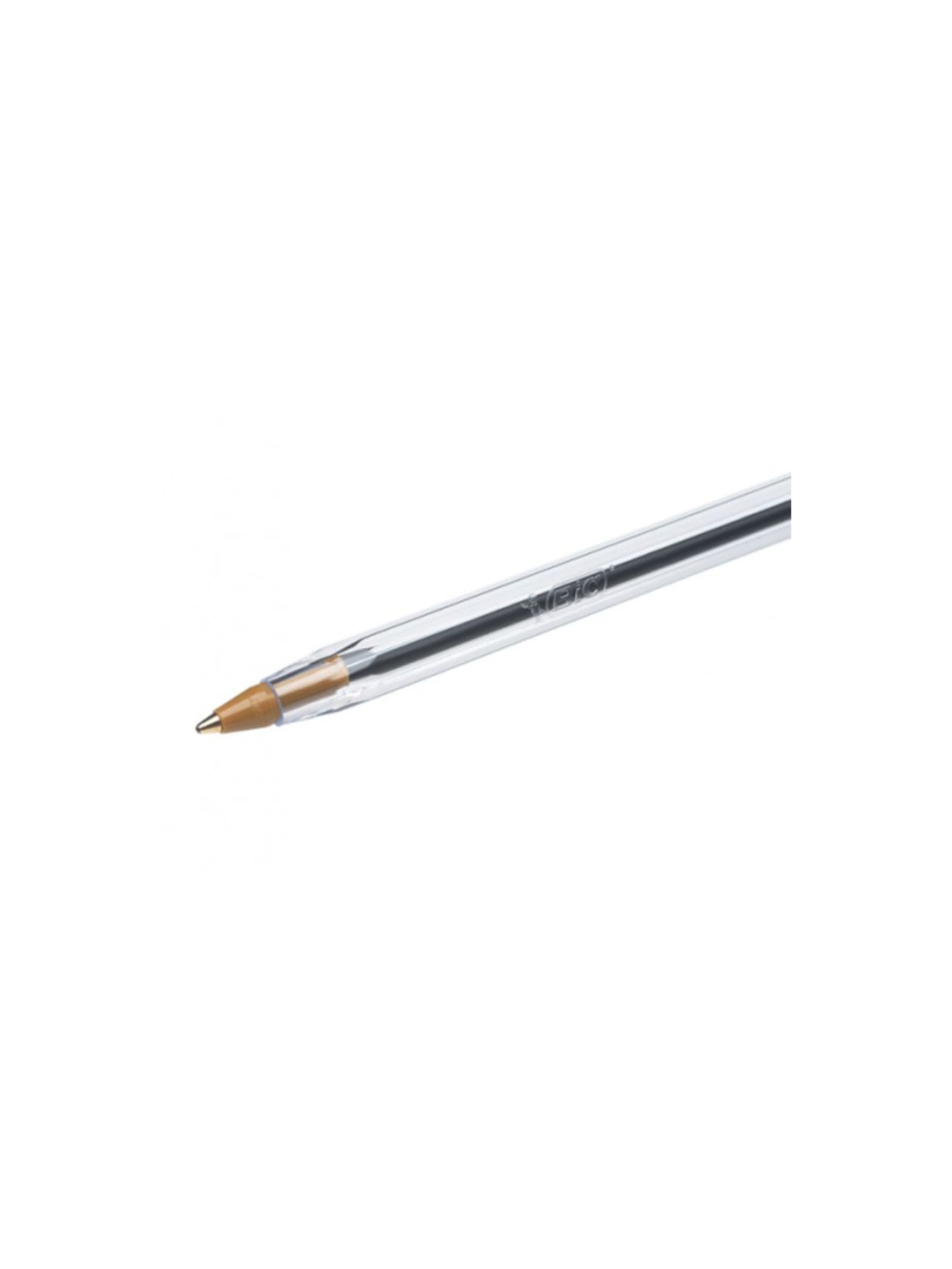
The Bic Cristal is the pen most people picture when they picture a pen, and that ubiquity is the product of design rather than accident. Launched in 1950 and barely altered since, it is a transparent hexagonal tube of polystyrene, capped in polypropylene, ending in a brass tip that holds a one-millimetre tungsten carbide ball. Every part is doing a job. The clear barrel shows the ink level, the hexagon resists rolling and economises plastic, and a small hole in the side equalises air pressure so the ink feeds evenly at any angle. It is disposable, lays down around two kilometres of line, and costs almost nothing. It suits anyone who wants writing reduced to its most reliable form, and rewards a second look from those who assume cheap means thoughtless.
Design intent
- The hexagonal barrel, taken from the wooden pencil, does four jobs at once: it stiffens a thin moulding, provides three natural grip points, stops the pen rolling off a desk, and uses less plastic than a round tube of the same strength.
- A tiny hole in the side of the barrel keeps the air pressure inside equal to the air outside, which is what lets the ink feed steadily and the pen write in any orientation without flooding or drying back.
Trade-offs
- It is disposable by design: nothing about it invites refilling or repair, so a spent pen is simply thrown away. Multiplied across the billions made, that throwaway logic is the design's real cost.
- The firm tip and light plastic body prioritise consistency and price over writing feel. It will not satisfy anyone who wants the weight, line variation or ceremony of a better pen, and it does not pretend to.
- Source
- Year
- Category
- /
- Colour
- Material
- ,
- Indexed
- 13 Nov 2024
Featured in
Collections / 5
View all collections- Everyday carry57 products
- Workspace essentials38 products
- Analogue by design24 products
- The Consumables
- Unchanged by design37 products