
Picardie Glass Tumbler / Duralex
/ / /
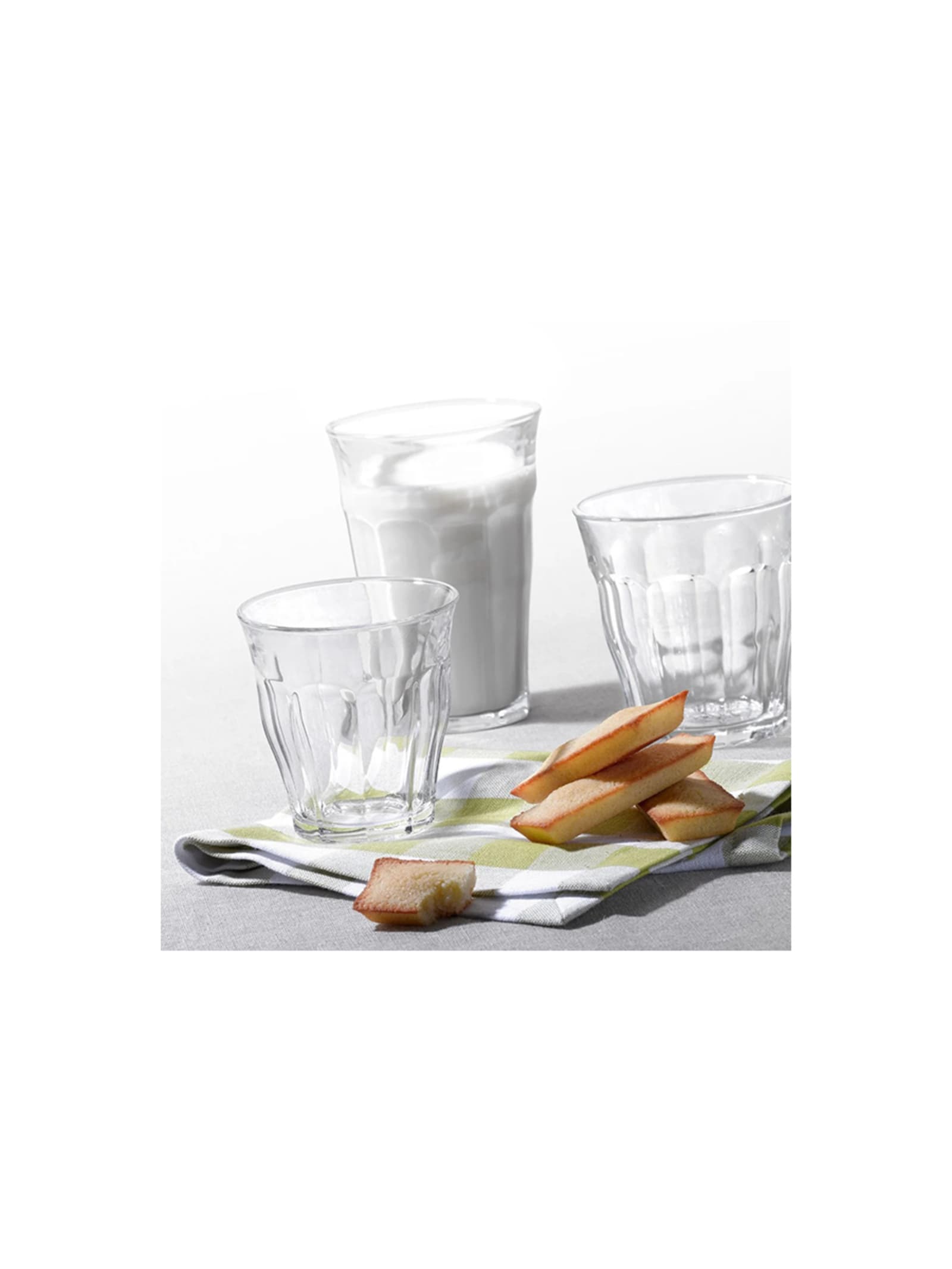
The Picardie is the glass you have drunk from without noticing: the faceted tumbler of French cafés, school canteens and kitchen cupboards since 1954. Its significance is in the material. Duralex invented tempered glassware, and the Picardie is made from it, heat-treated to be around two and a half times stronger than ordinary glass and able to move from freezer to hot drink without cracking. When it finally fails, it does not produce dangerous shards but crumbles into blunt granules, which is why it fills institutions. The tapered, stacking shape nests for storage and sits easily in the hand. It is cheap, sold in sets, and held in the collection of the Museum of Modern Art. It suits anyone who wants an everyday glass that survives real use and treats replaceability as part of the design rather than a failure.
Design intent
- The defining decision is the material: made from the tempered glass Duralex pioneered, the tumbler is heat-treated to roughly two and a half times the strength of ordinary glass and to withstand thermal shock, so a cheap everyday glass survives dishwashers, drops and hot-to-cold use that would destroy conventional glassware.
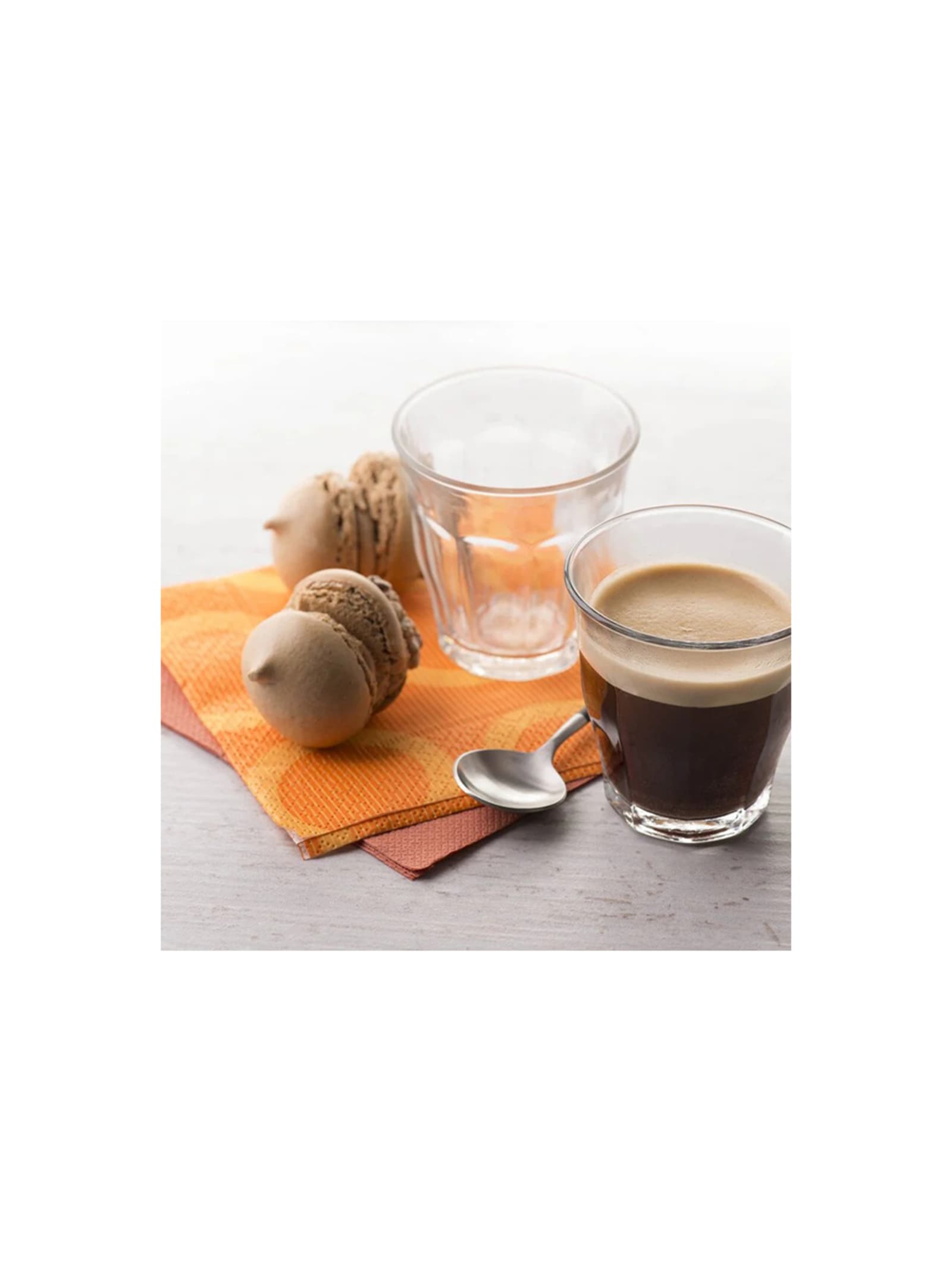
- The tapered, faceted form is quietly practical: it stacks and nests to save space, sits securely in the hand, and suits hot or cold drinks equally, a single shape that works across a café, a canteen and a home without pretending to be more than a glass.
Trade-offs
- Tempered glass cannot be repaired or re-cut, and although it resists breakage far better than ordinary glass, when it does go it fails all at once into granules rather than chipping, so it is designed to be replaced cheaply rather than kept forever.
- It is a plain, functional object with no pretension to luxury: the appeal is durability and honesty, not fine crystal, so anyone wanting weight, ring or refinement at the table is looking at the wrong glass.
- Source
- Year
- Category
- /
- Colour
- Material
- Indexed
- 4 Mar 2026