12 One-Bag Travel Essentials for Business Trips
- 13 Jul 2026
- 13 Jul 2026
- 15 min
Business travel is where packing light gets difficult. A holiday forgives a crumpled shirt and a bag you never quite organised. A working trip does not: you have to arrive looking like you did not sleep on a plane, turn a hotel desk into somewhere you can actually work, and get a presentation onto a screen you have never seen before.
The good news is that it can still be done out of one bag, and doing so is worth it. Nothing is more useful on a tight schedule than walking straight off a flight and into a taxi while everyone else is at the carousel.
This list assumes you already have the basics covered. We have set those out in our core one-bag kit, the plug adapter, the power bank, the packing cubes and the rest, which every trip needs regardless of why you are taking it. This is a list of what you add on top when the reason is work: the things that make a hotel room into an office, and make you look like you meant to arrive that way.
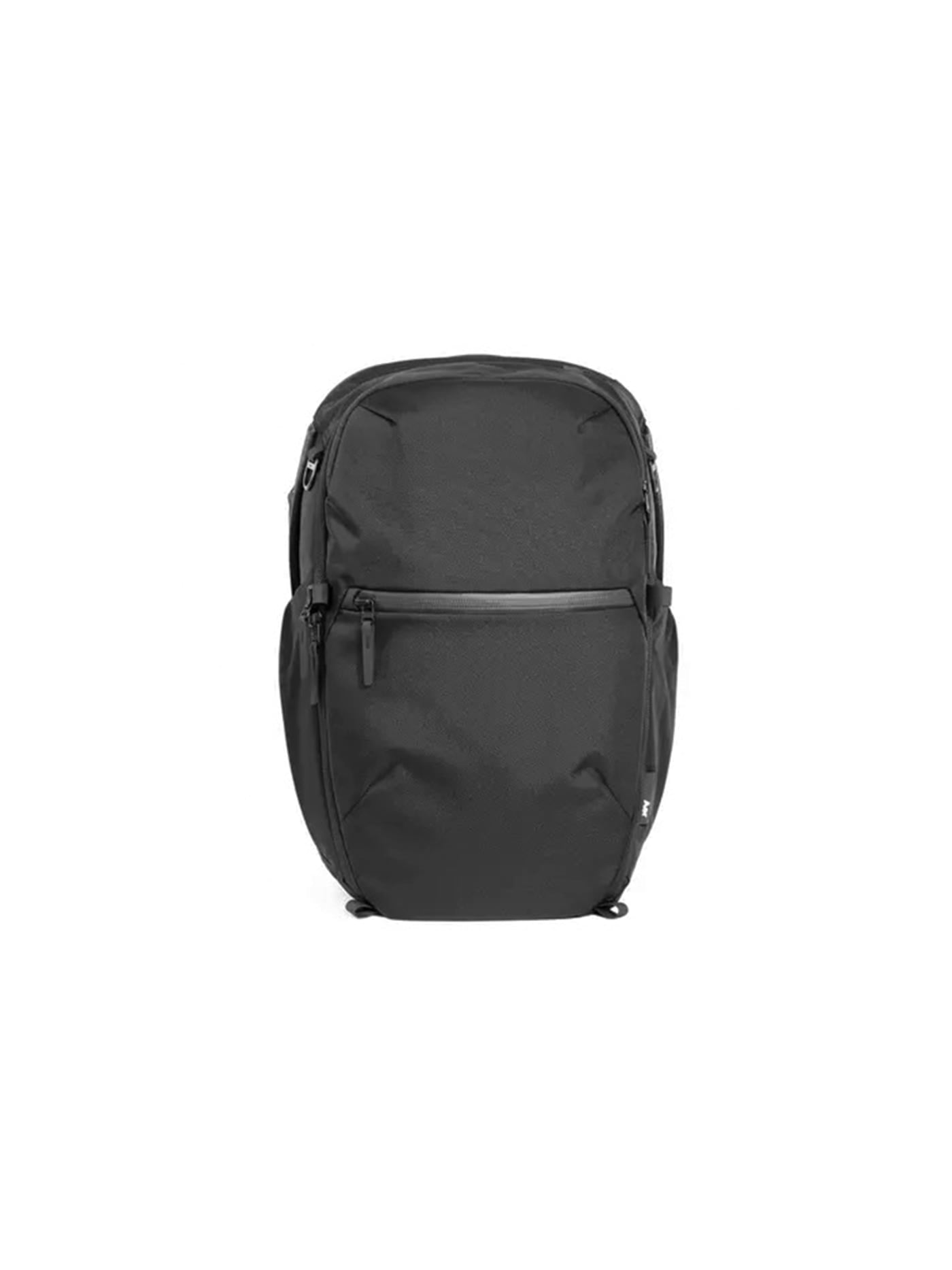
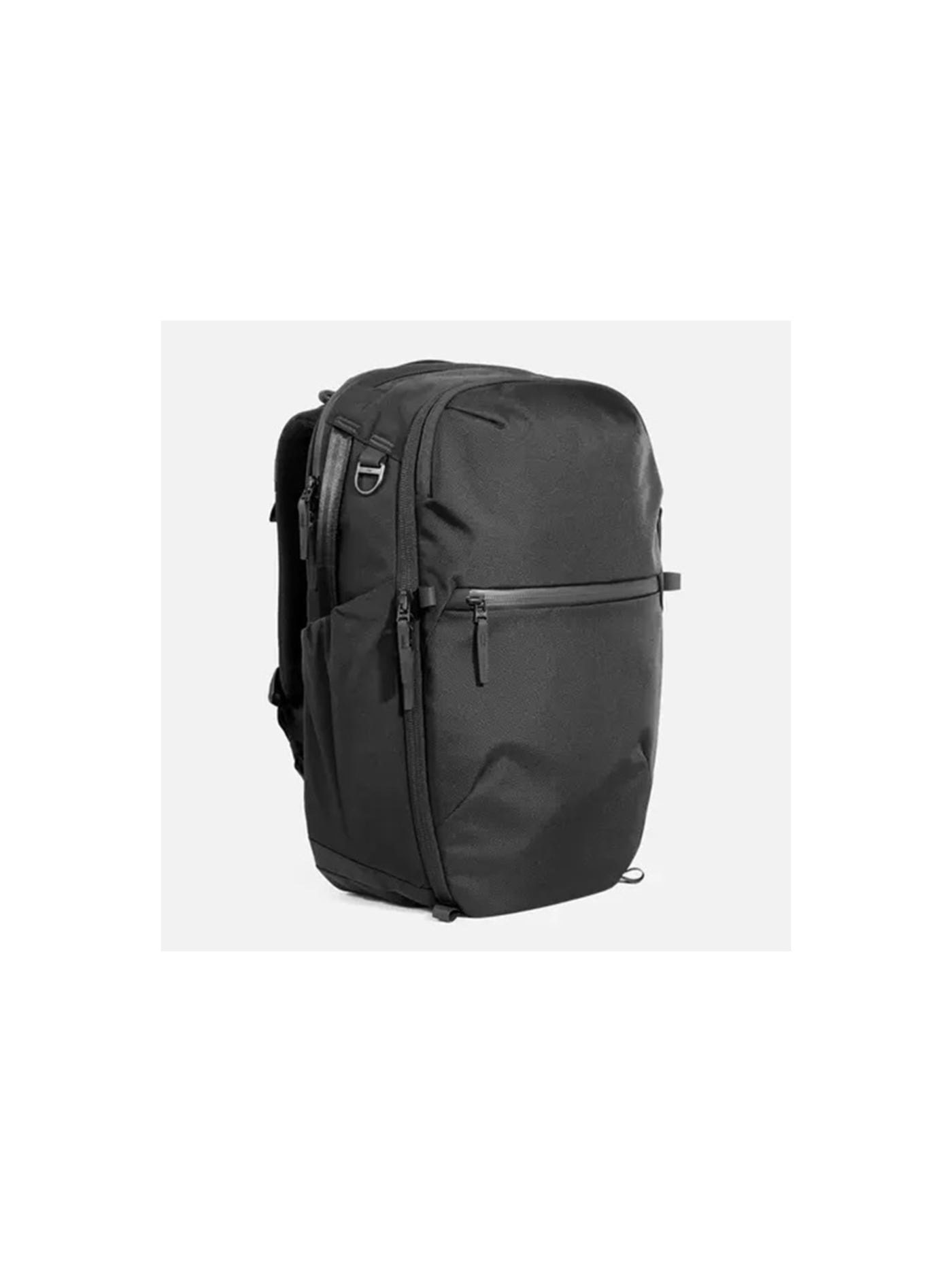
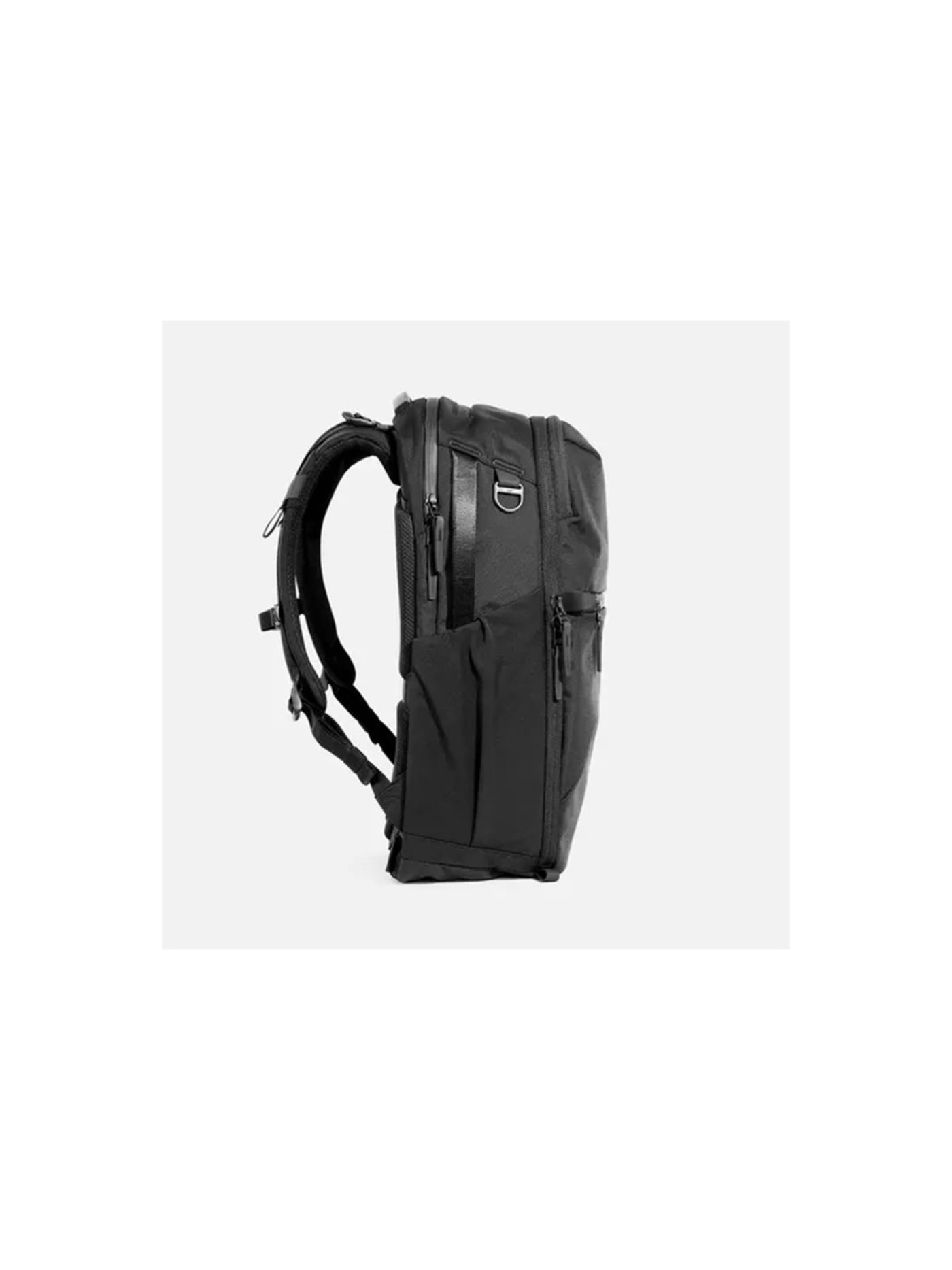
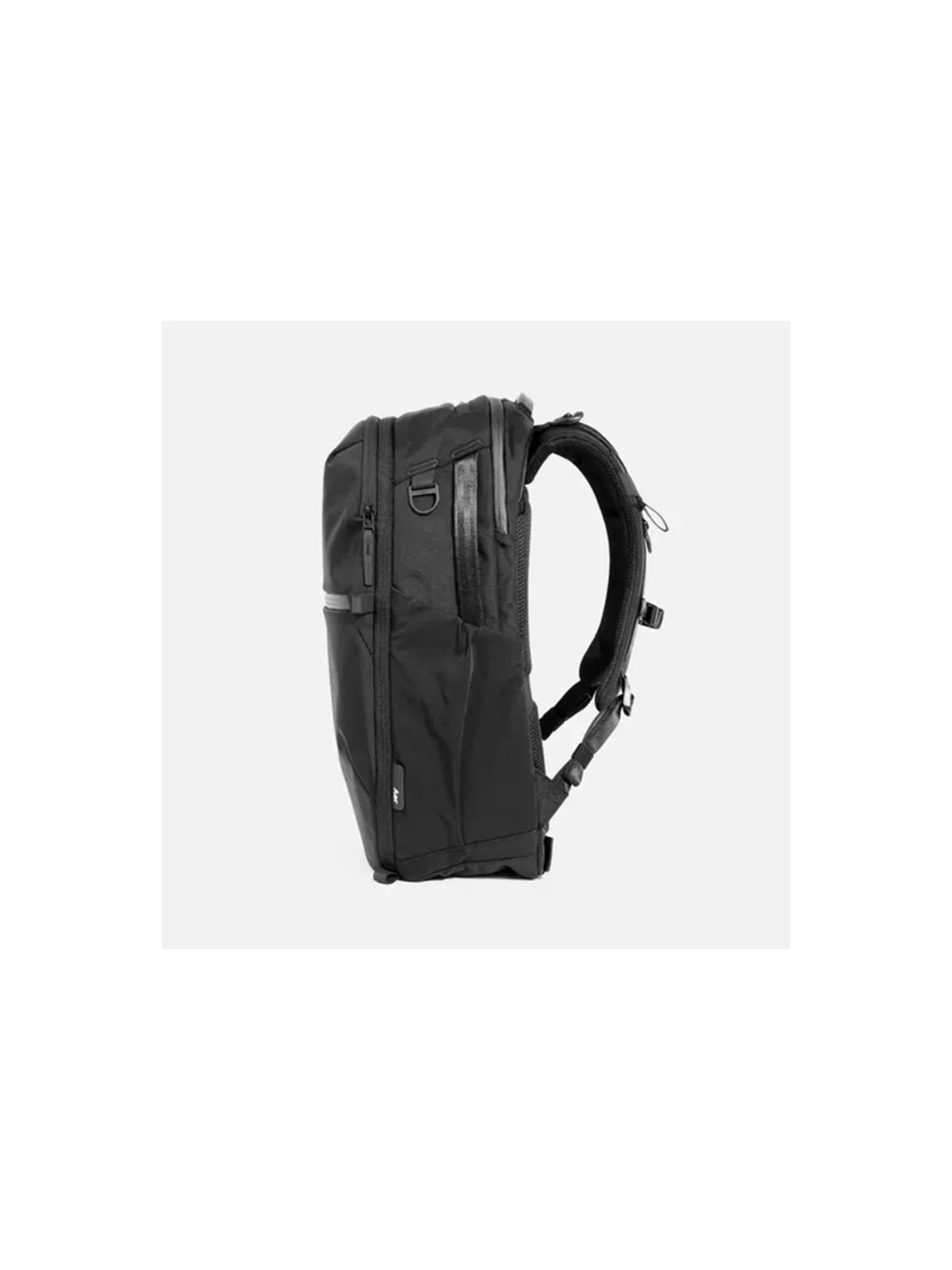

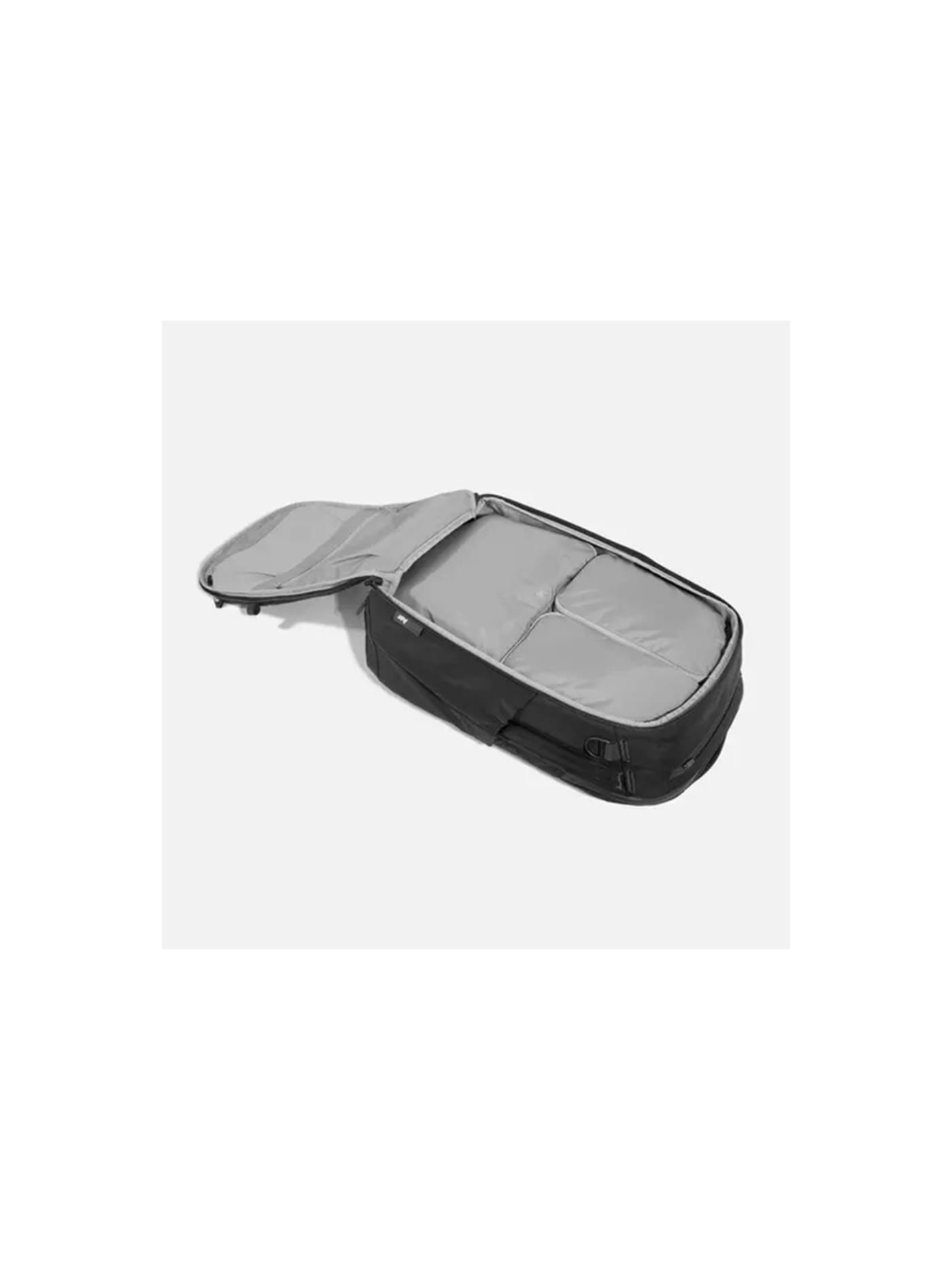
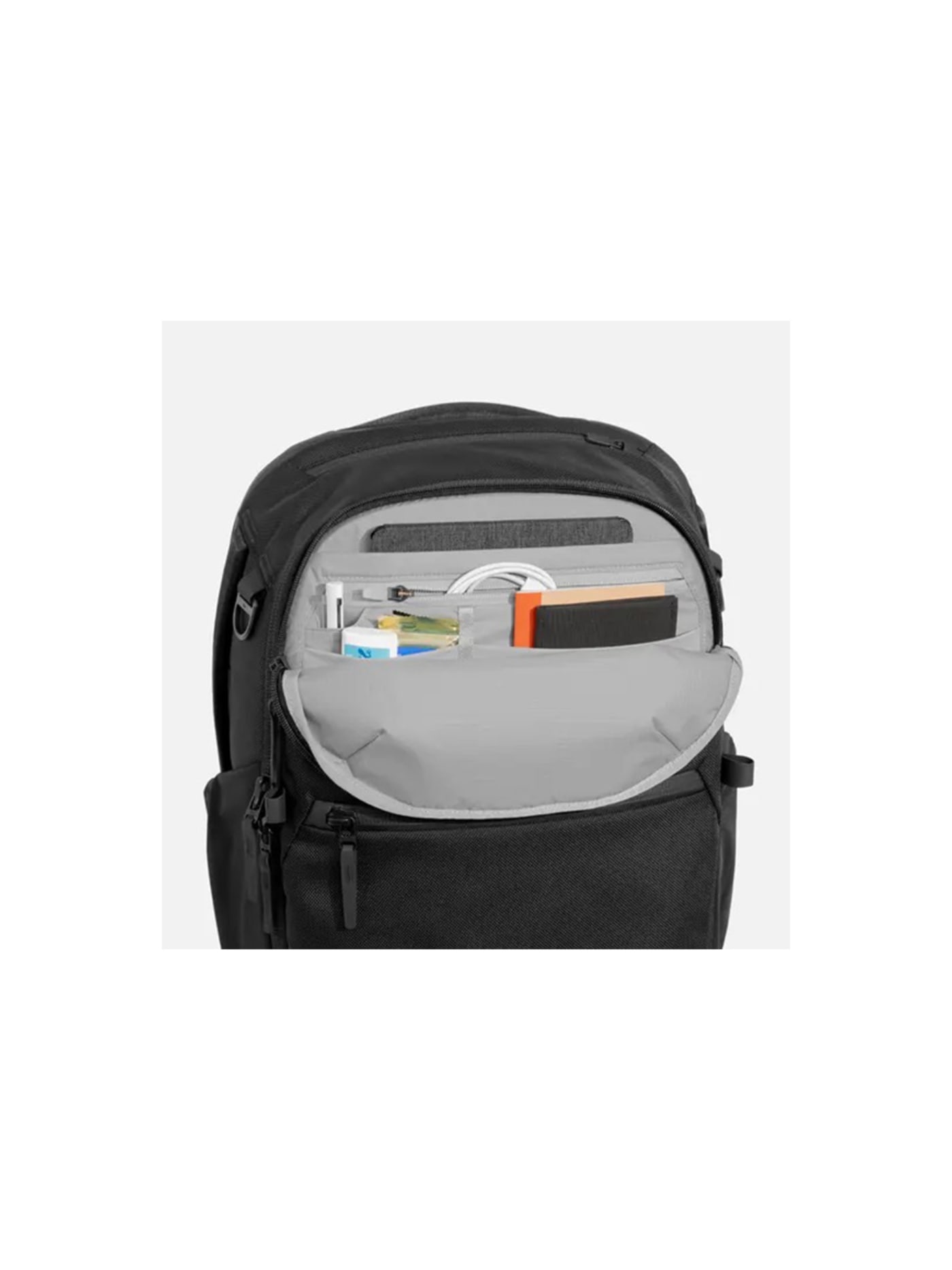
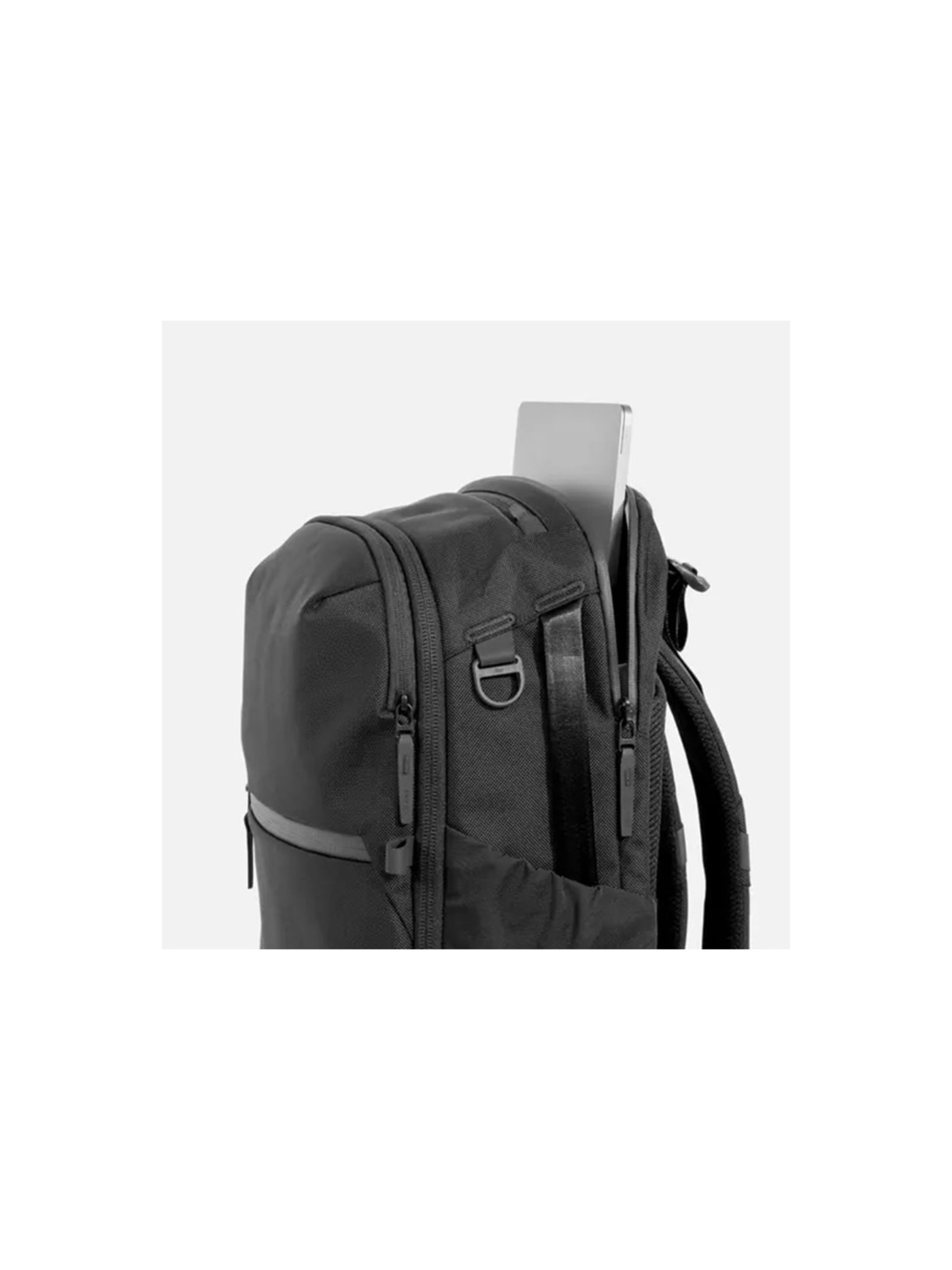
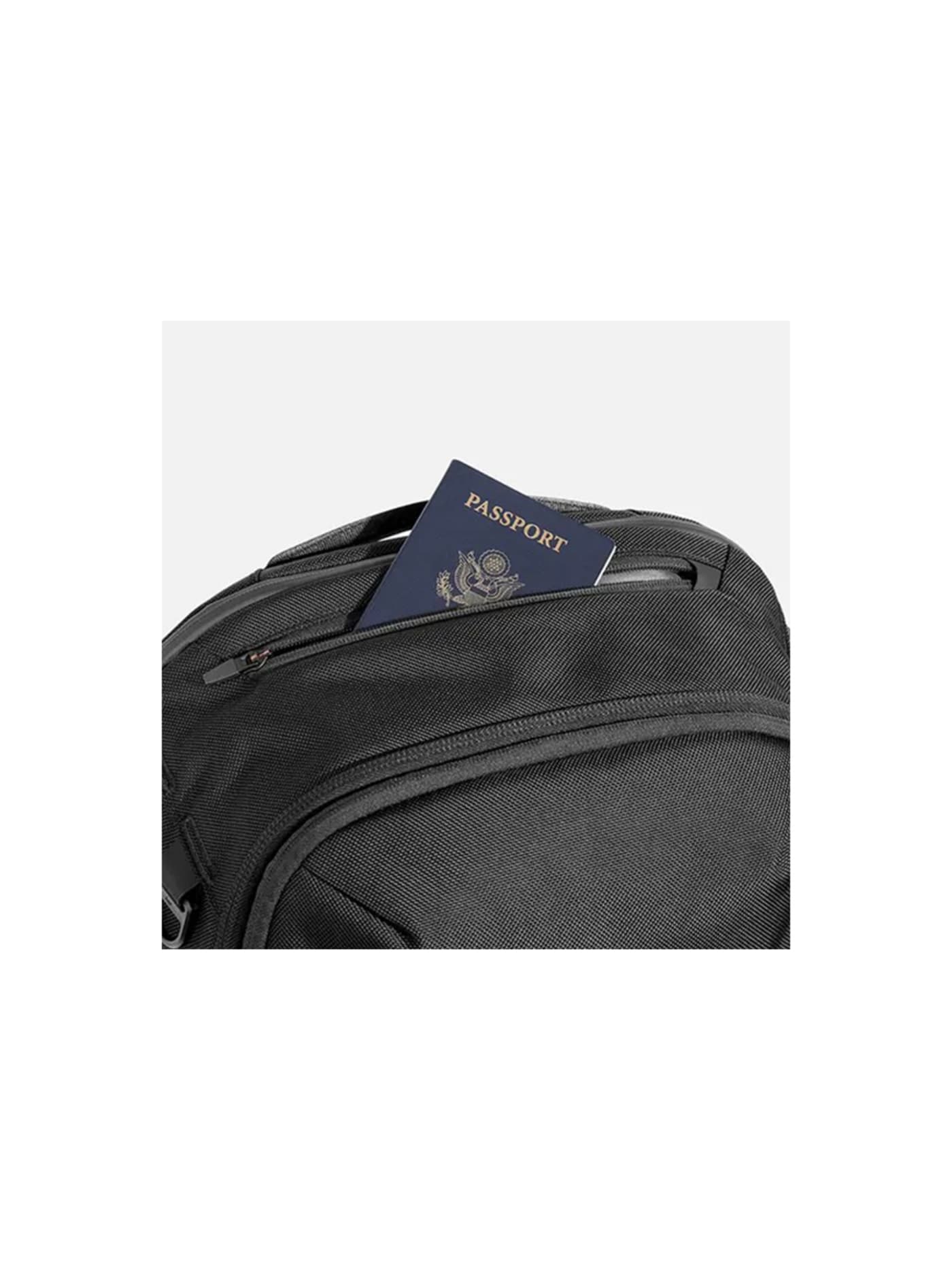
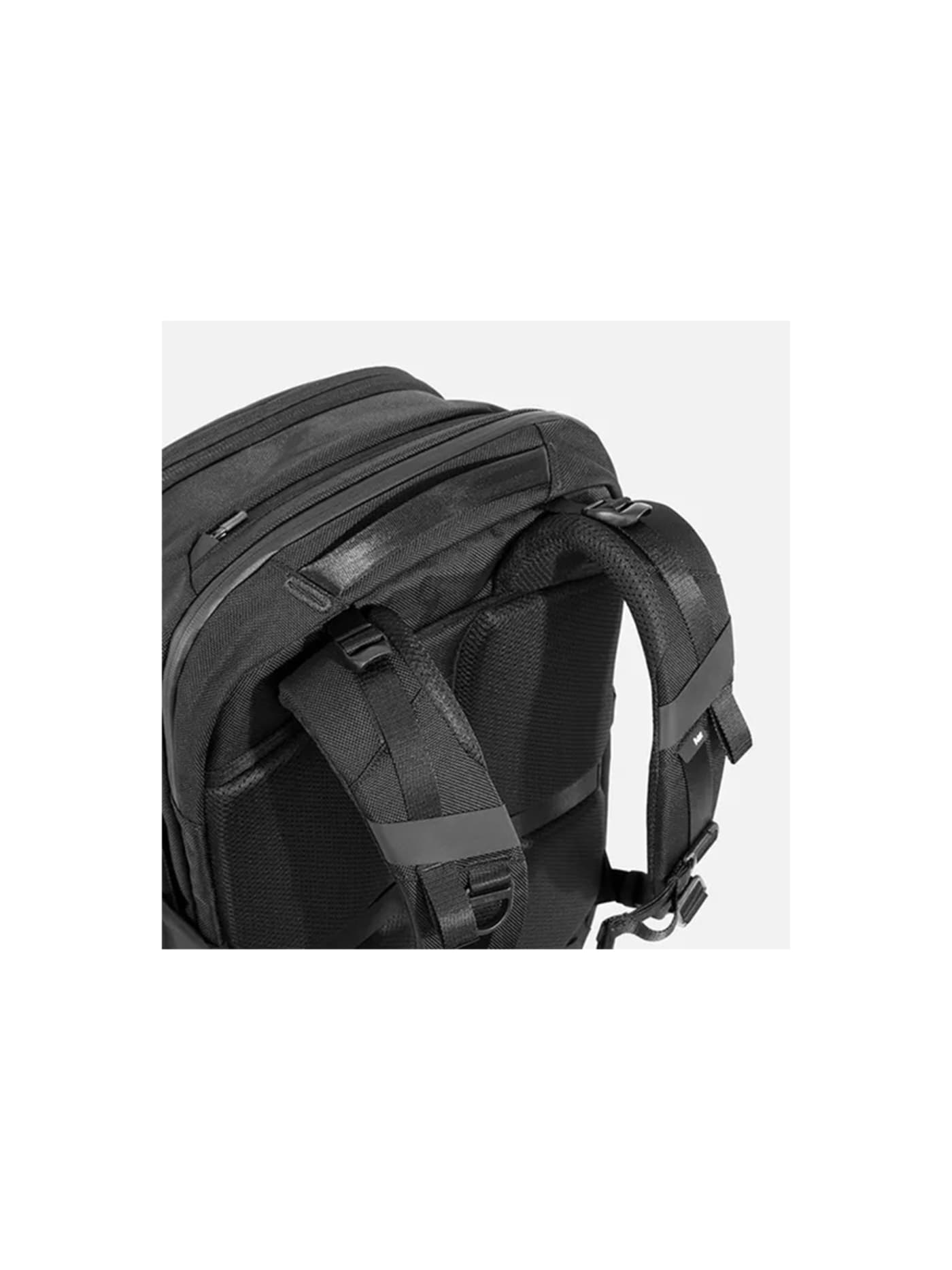
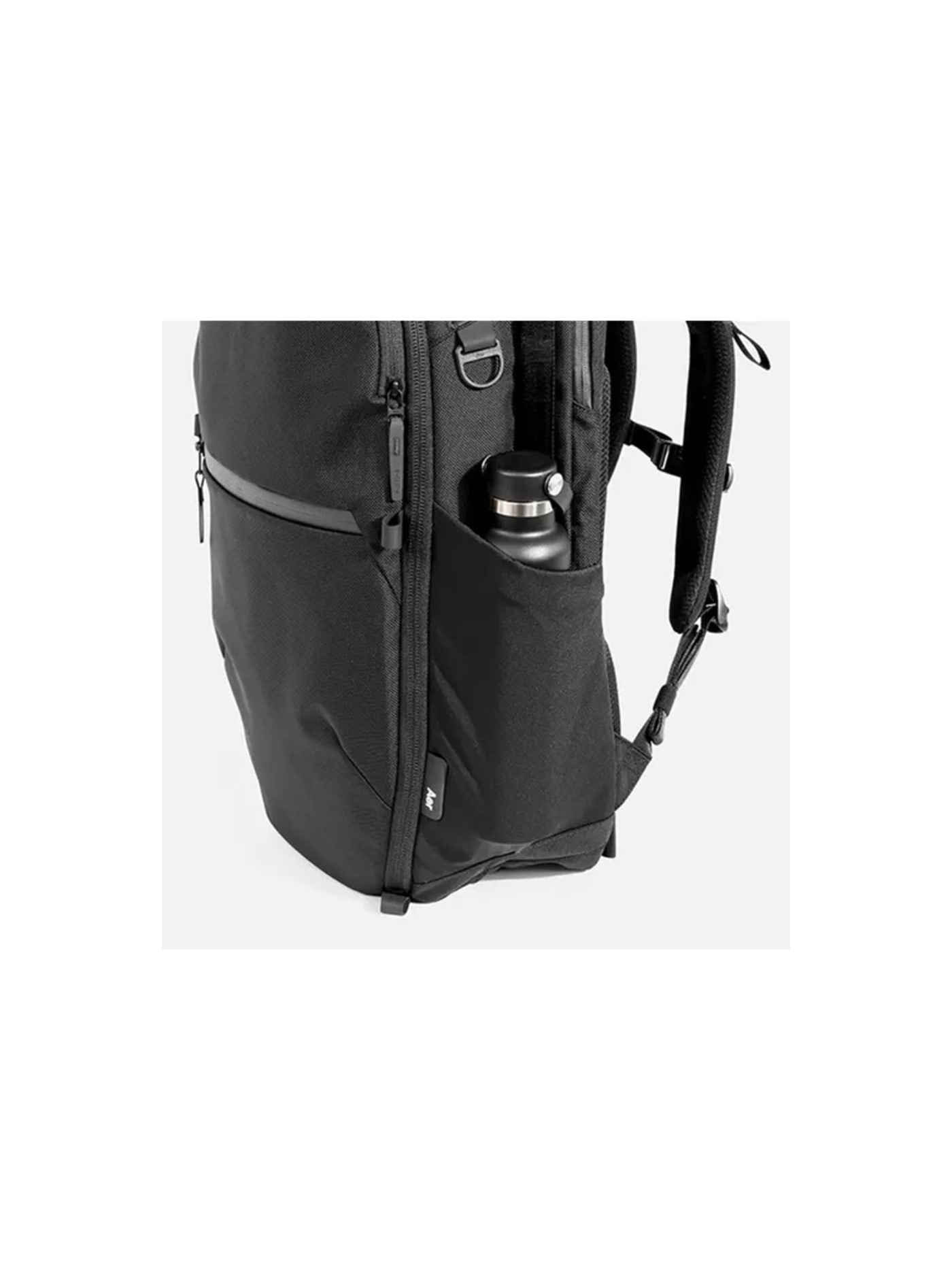
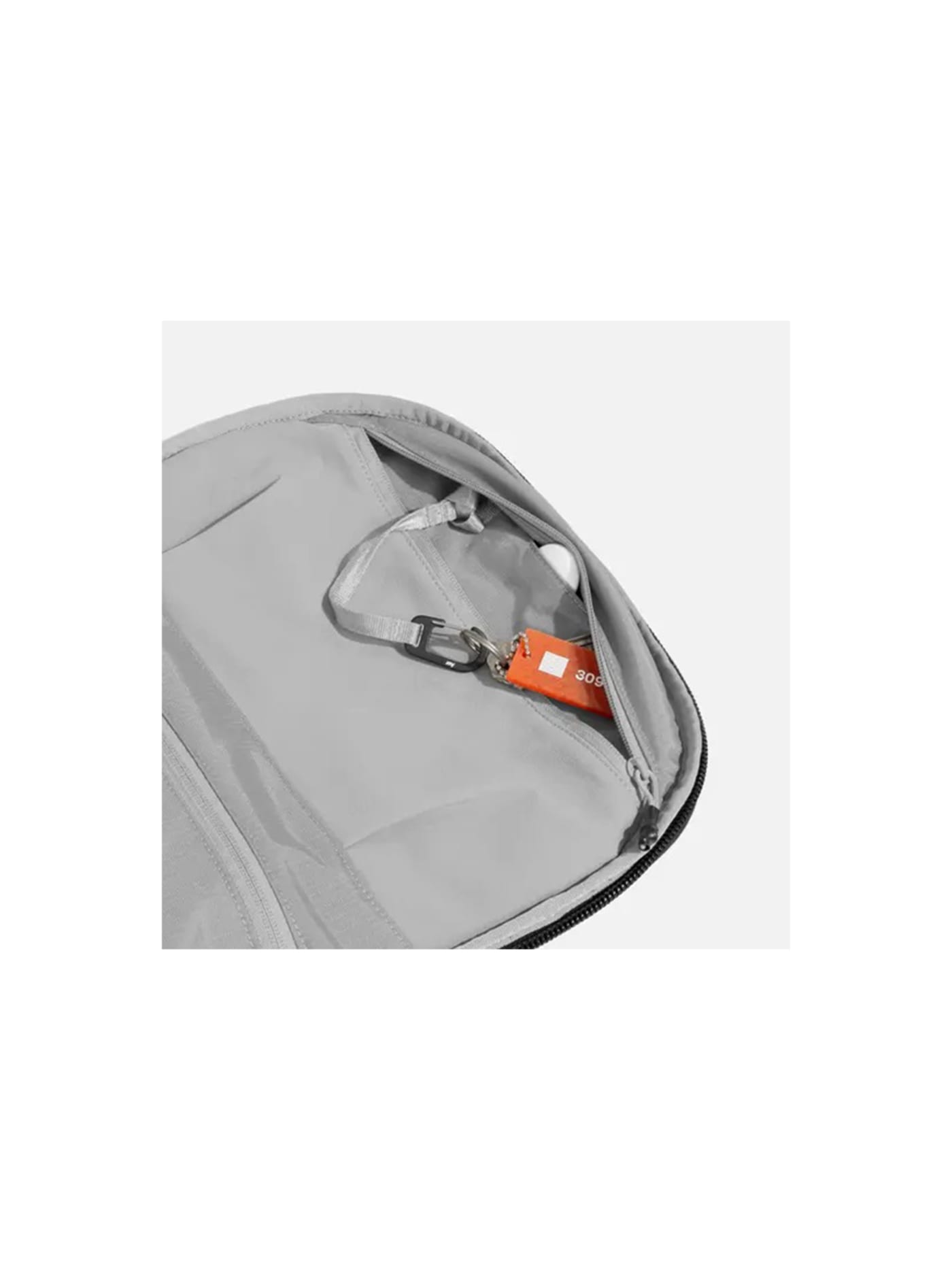
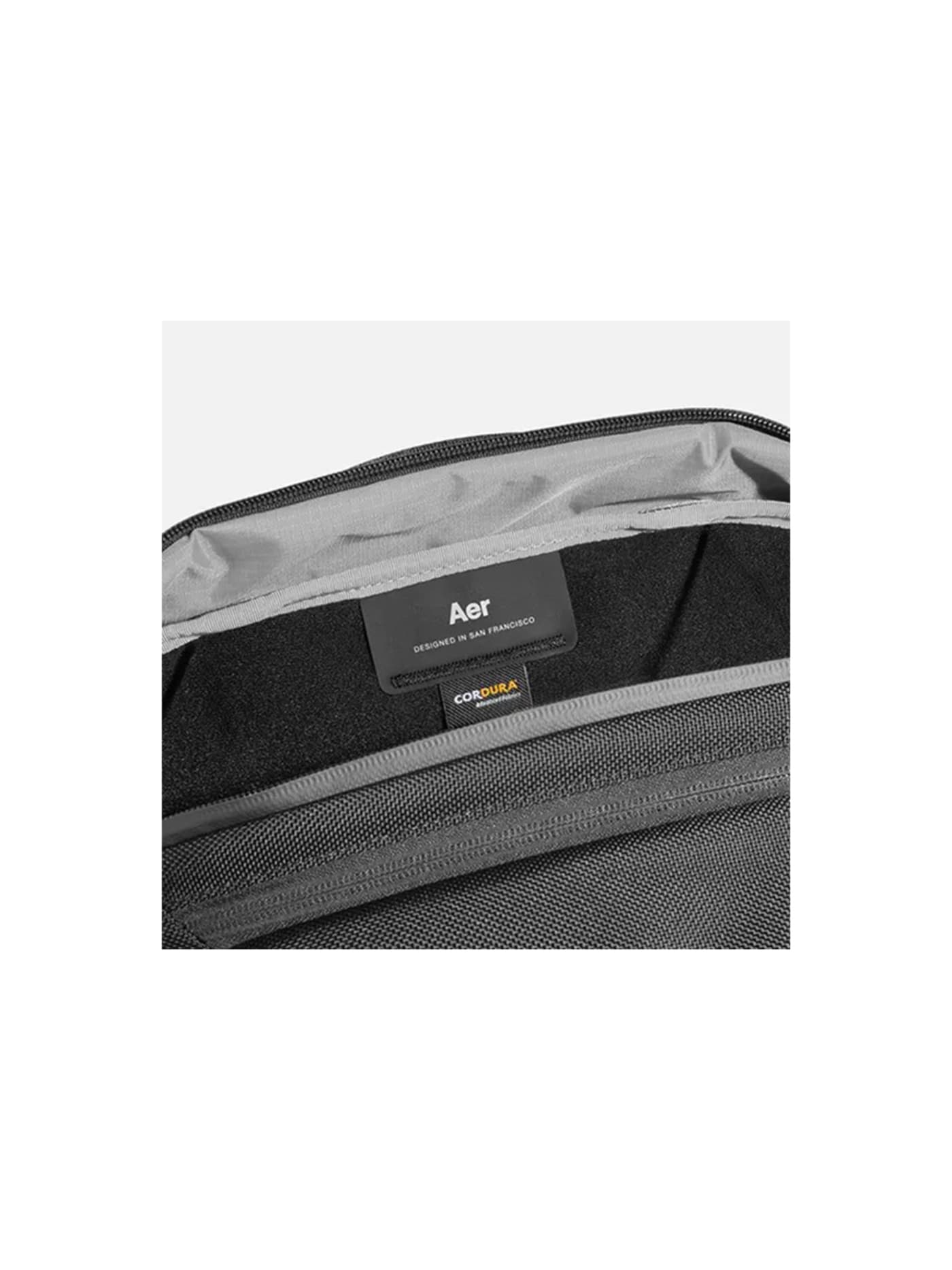
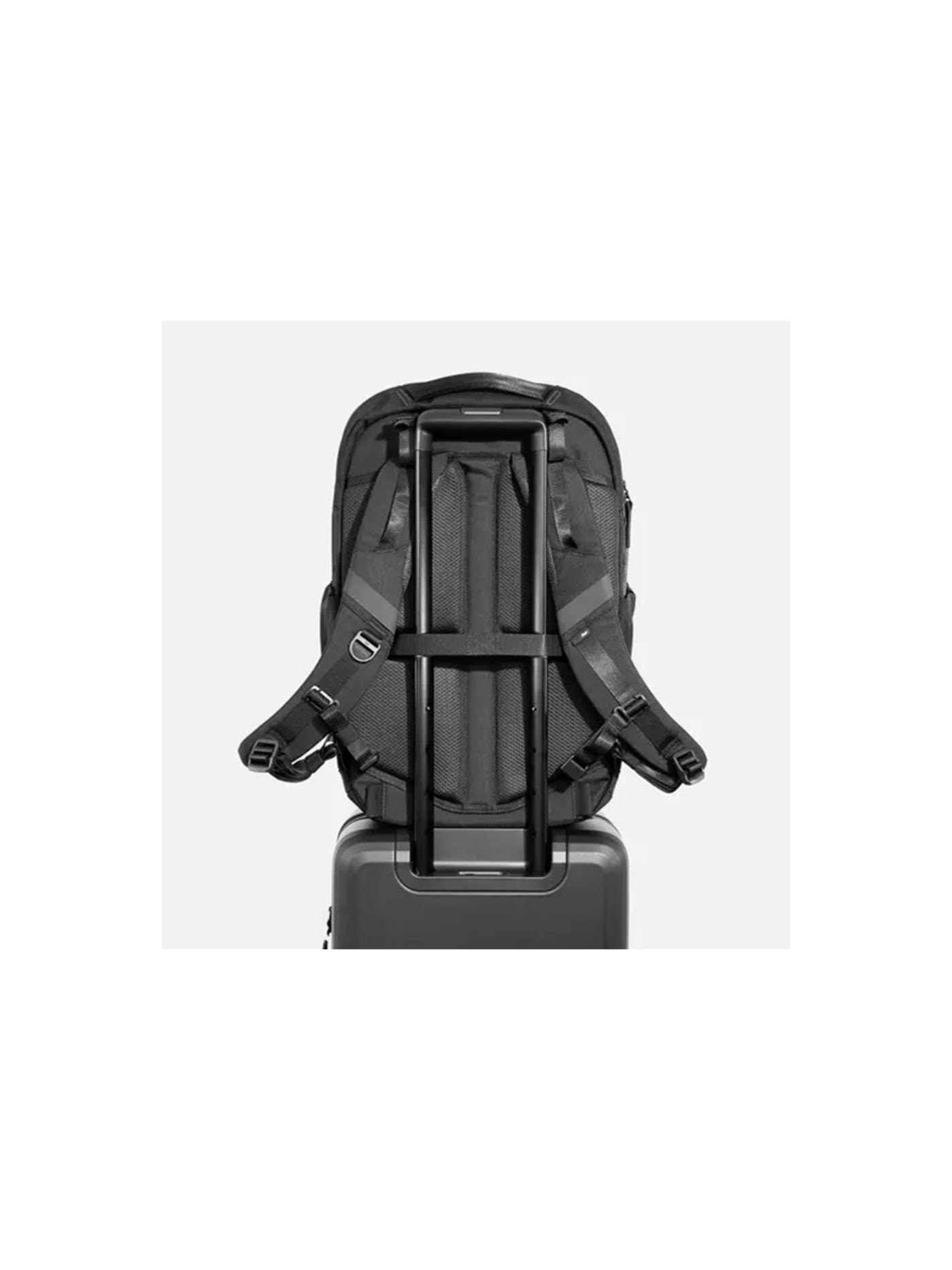
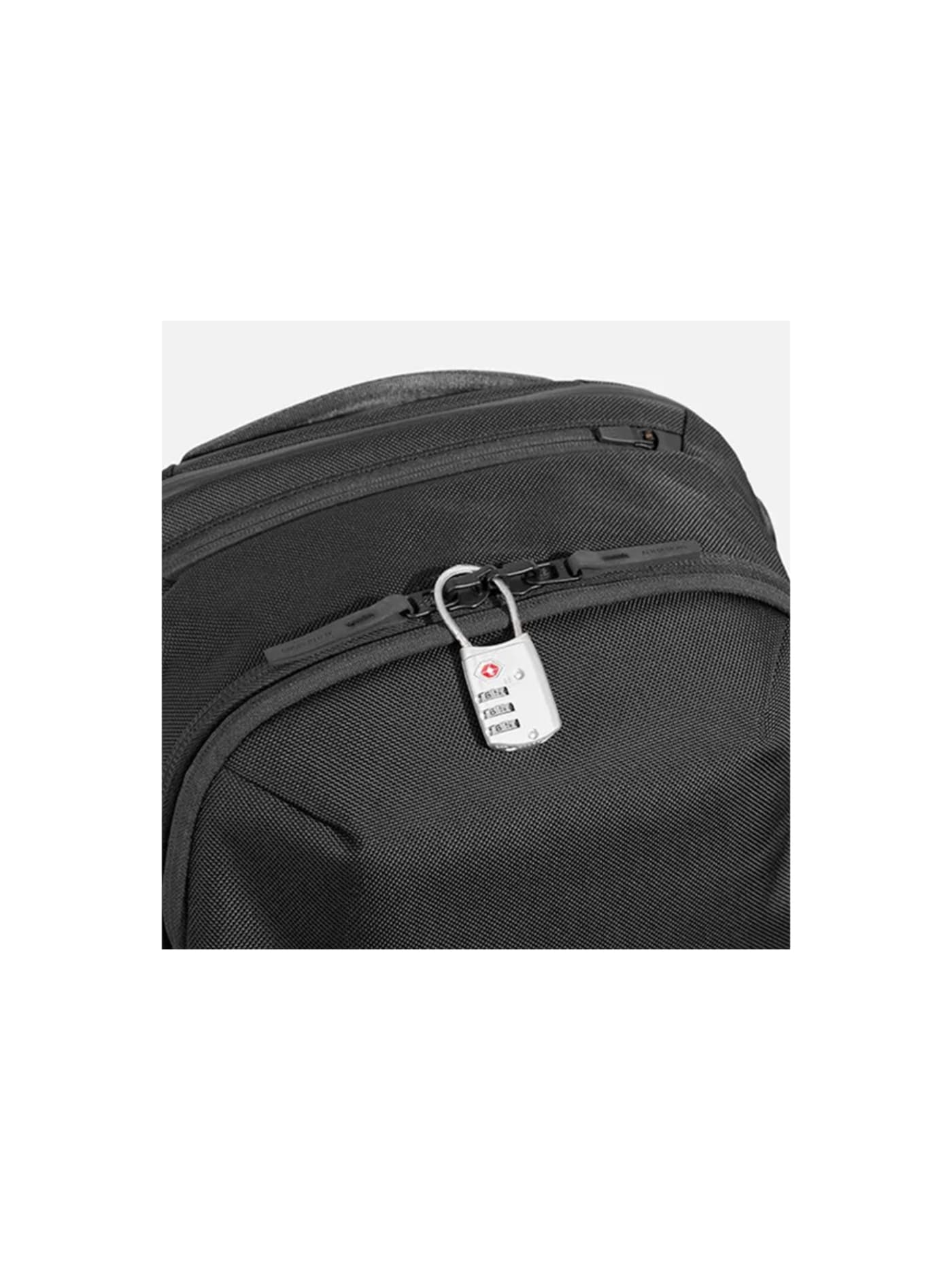
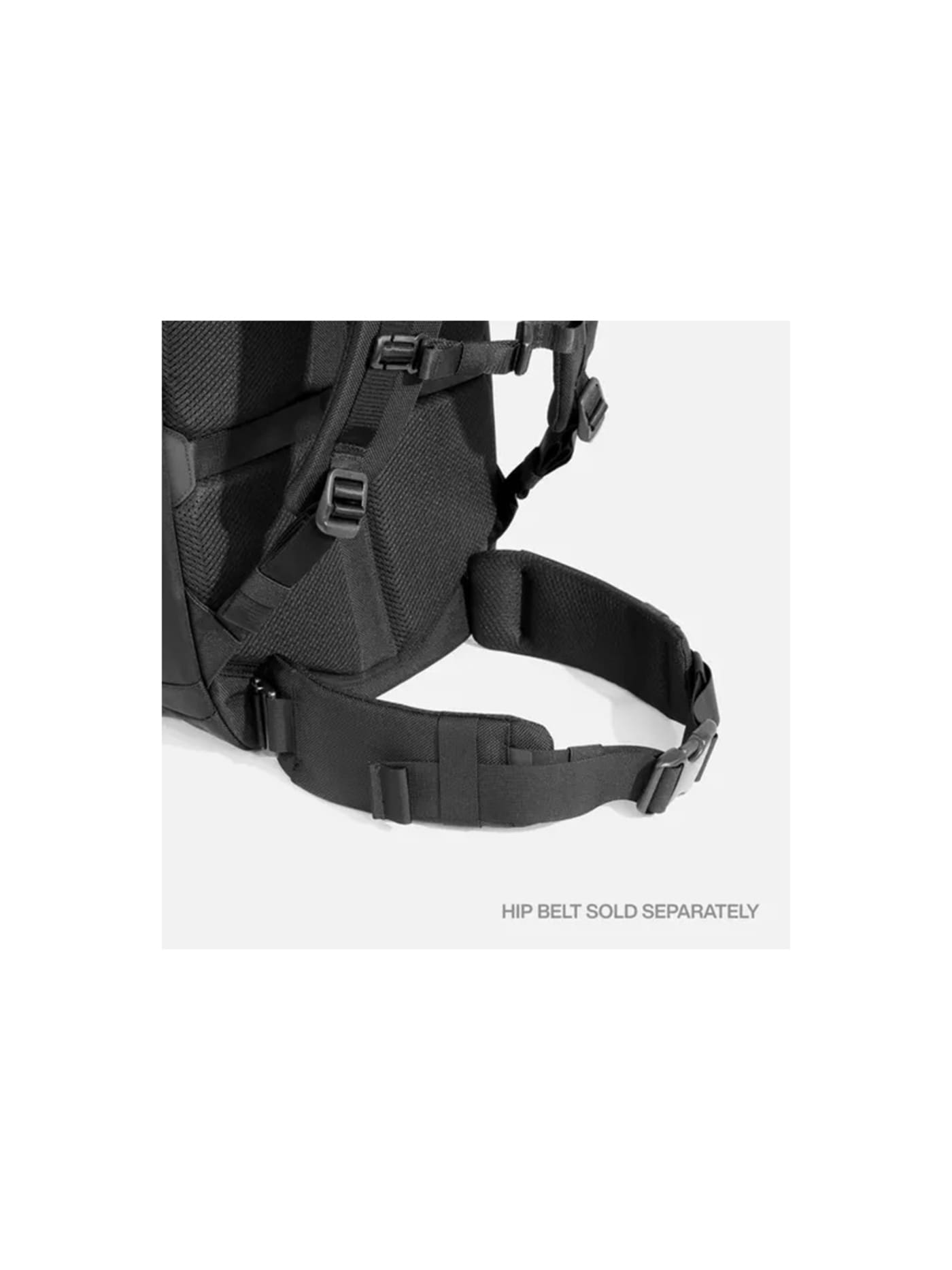
A business bag has to do something a travel bag does not: look right walking into a room where you are being judged. The Travel Pack 4 is built for exactly that. It is structured rather than slouchy, in dense ballistic nylon that holds its shape, and it opens flat like a suitcase so a week of shirts packs in cubes instead of being stuffed down a top-loader. The laptop lives in a suspended sleeve you reach from the outside, which is the detail you notice at security when everyone behind you is waiting. The trade is weight. All that structure means it is heavier empty than a soft pack, and it rewards someone who packs neatly rather than throwing things in. If you carry cameras or a heavier kit of devices, the Peak Design Travel Backpack 45L expands from a daypack to a full carry-on and is built around a modular system of cubes, at the cost of some of the Aer's sharpness.
Design intent
- The full clamshell opening is the core decision: the bag unzips and lies flat like a suitcase rather than a top-loading rucksack, so packing cubes go in and come out in order and the whole load is visible at once, which is what makes genuine one-bag travel workable.
- Building the standard pack in 1680D Cordura ballistic nylon with a suspended, externally-accessed laptop sleeve prioritises structure and protection: the dense fabric holds the bag's shape so it stands and packs cleanly, and the laptop is reachable at security without opening the main compartment.
Trade-offs
- That durability has a weight cost: at roughly 1.7kg empty the Cordura version eats meaningfully into strict airline cabin allowances, and at 35 litres it clears fewer carriers' size limits than the smaller 28-litre version.
- The streamlined front organisation favours travellers who pack in pouches over those who want a dedicated pocket for every cable, and the front pocket becomes harder to access once the main compartment is full.
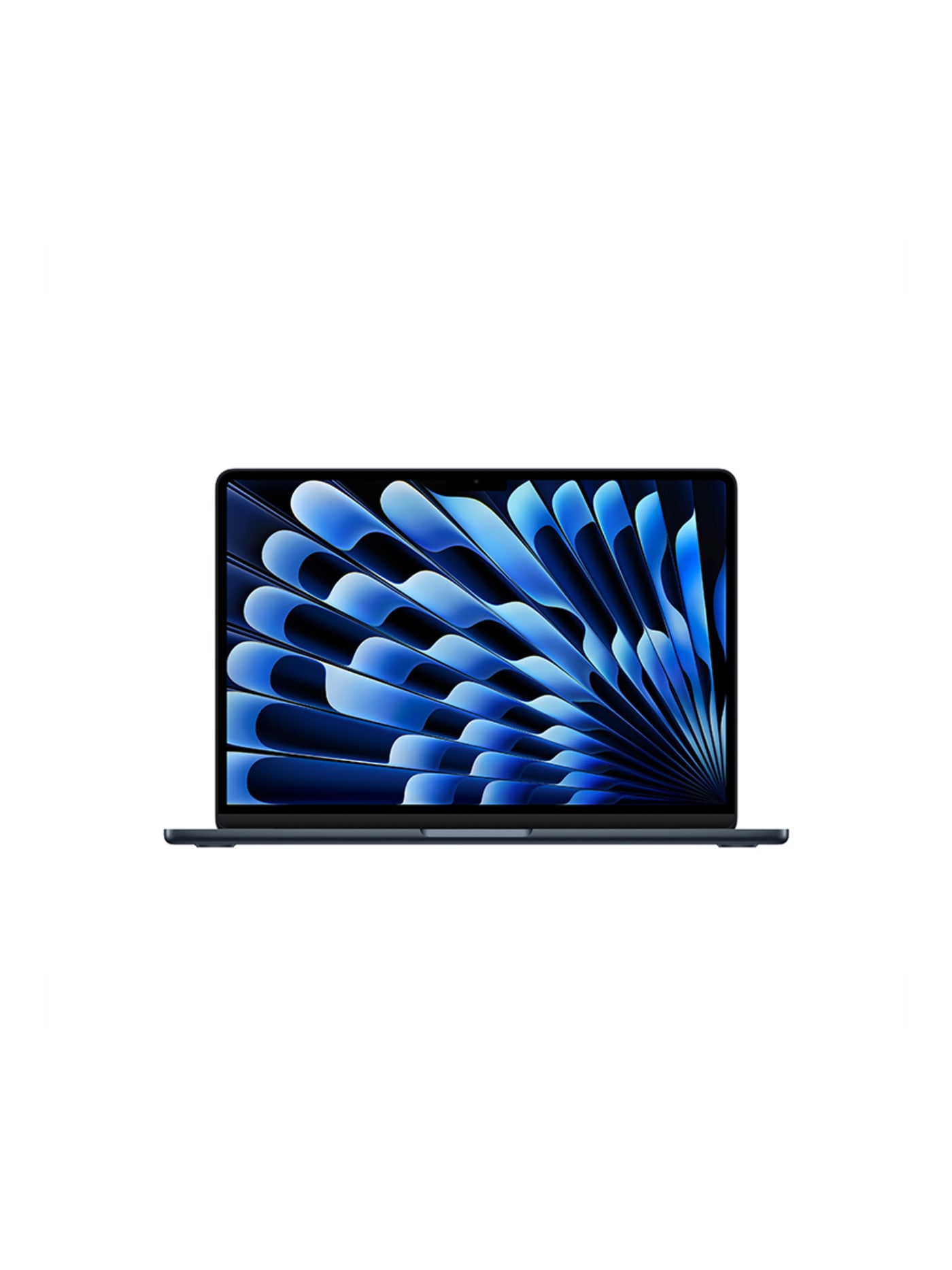

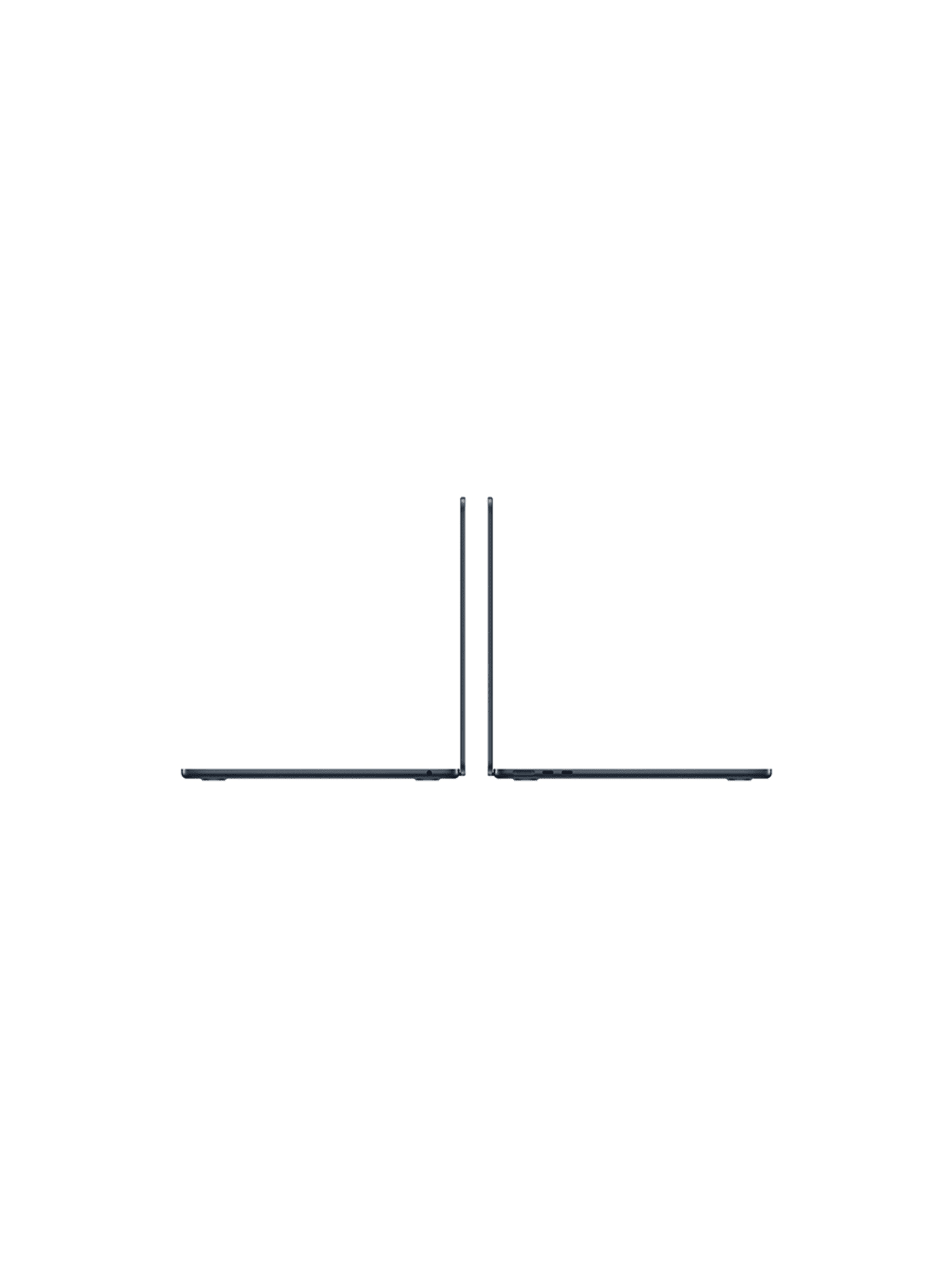
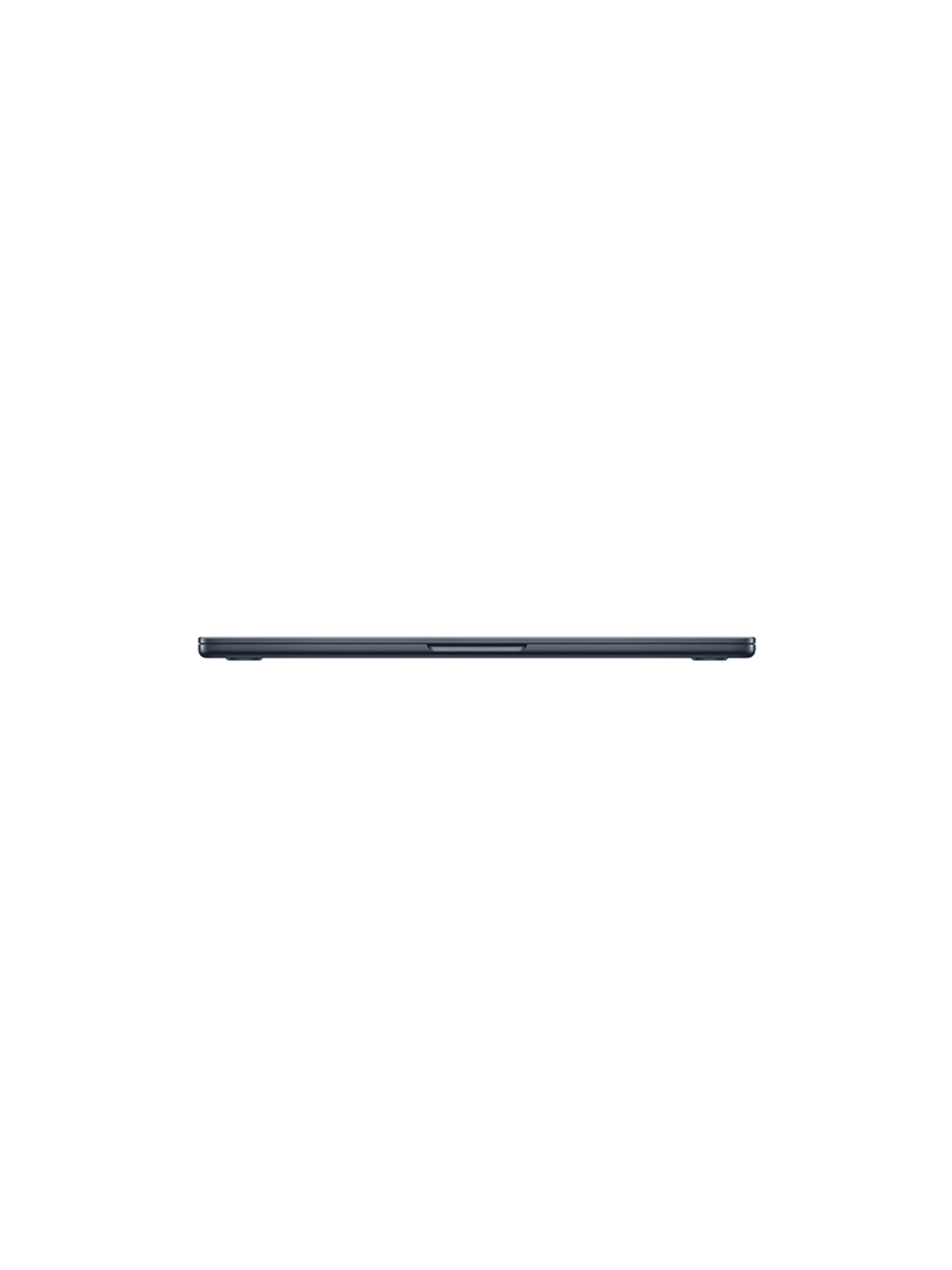
The laptop is the reason the trip is a working one, so it sets the weight of everything else. The Air is the clearest answer to what a travelling machine should be: thin, fanless and silent, with battery that clears a working day, so you are not hunting for a socket in an airport or listening to a fan spin up in a quiet meeting room. Silence matters more on the road than people expect. There is nothing to whirr in a client's office and nothing to clog or fail. What it is not, is a workstation. Heavy video work or serious compilation will find the ceiling of a fanless machine, and that is the honest price of the form. If your work lives in documents, calls, spreadsheets and a browser, which most business travel does, it is more machine than the trip needs. The role matters more than the badge here: a Windows equivalent that is thin, quiet and lasts a day does the same job.
Design intent
- Fanless operation removes a noisy, failure-prone mechanical part entirely; achieving it without throttling everyday performance is the central design accomplishment of the current Air.
- MagSafe's return is a longevity decision as much as a convenience one: the magnetic connector releases under a yanked cable instead of dragging the laptop off the desk.
Trade-offs
- Without active cooling, sustained heavy work such as long video exports or 3D rendering will throttle where a fan-cooled MacBook Pro would hold its pace.
- Two Thunderbolt ports are the whole provision; anyone running several peripherals at once will be adding a hub.


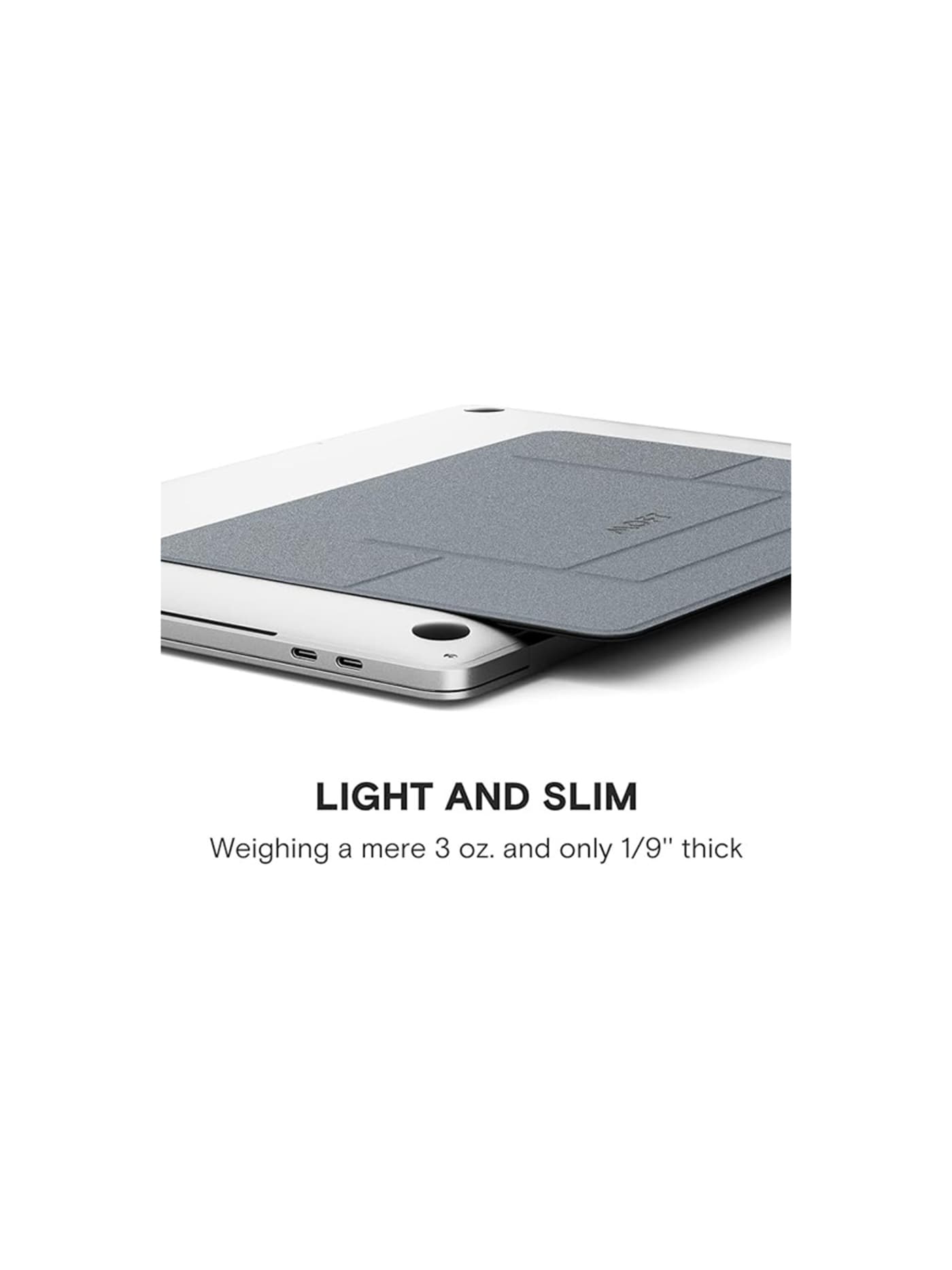

This is the item on the list that does the most for its size, and the one most people leave at home. A week of working hunched over a laptop on a low hotel desk is the quiet cost of business travel, and it is entirely avoidable for ninety grams. The MOFT is three millimetres thick and sticks to the base of the laptop, so it travels with the machine rather than as another thing to pack and forget. Pull it open and it folds into a rigid wedge that lifts the screen a couple of inches and angles the keyboard. Be clear about what that buys: it improves your posture, it does not fix it. The screen does not reach eye level. If you work long days from the road and want a real solution, the Roost V3 raises the screen up to fourteen inches, properly to eye level, and folds to the size of a rolled umbrella. The catch is that it lifts the laptop clear of your hands, so it obliges you to carry a keyboard and mouse as well. Choose the MOFT for the trip where you want to travel light, the Roost for the trip where you will actually be working.
Design intent
- The design solves compliance rather than ergonomics: by being thin and light enough to live adhered to the laptop itself, the stand removes the possibility of forgetting it, on the reasoning that a modest lift you always have beats a better stand left at home.
- The one-piece origami structure, in fibreglass and vegan leather, is what makes that possible: it folds to 3mm flat and deploys into a rigid wedge in a second, with ventilation cut-outs, so a sheet the thickness of a beer mat holds a laptop steady.
Trade-offs
- The lift is only two or three inches, so it improves posture rather than fixing it: unlike a full stand it will not bring a screen to eye level, which is the deliberate price of being invisible.
- The adhesive version commits the stand to one laptop and is not recommended for machines with underside vents or rubber feet, so the very feature that makes it always-present also limits which machines, and how many, it can serve.
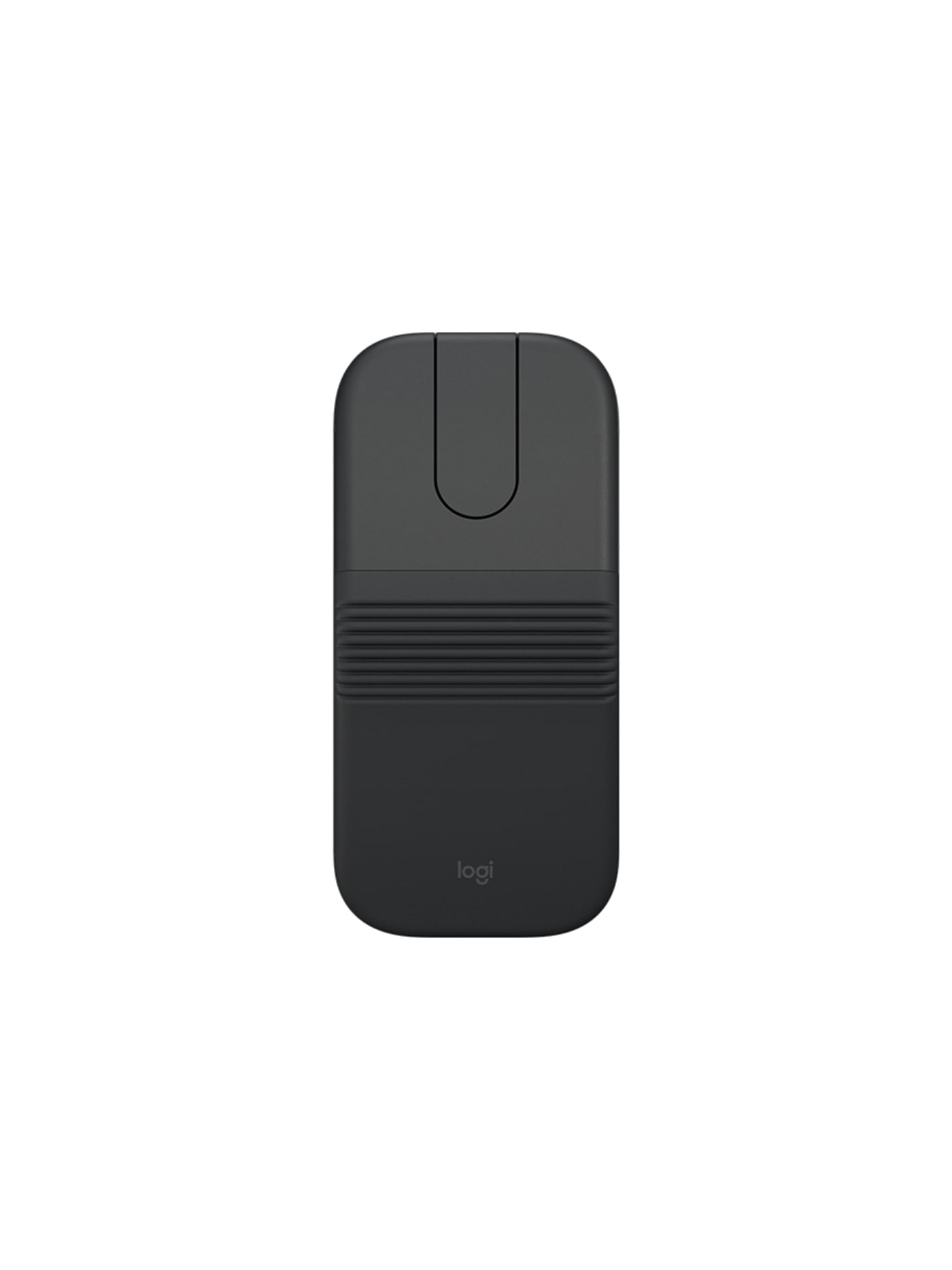
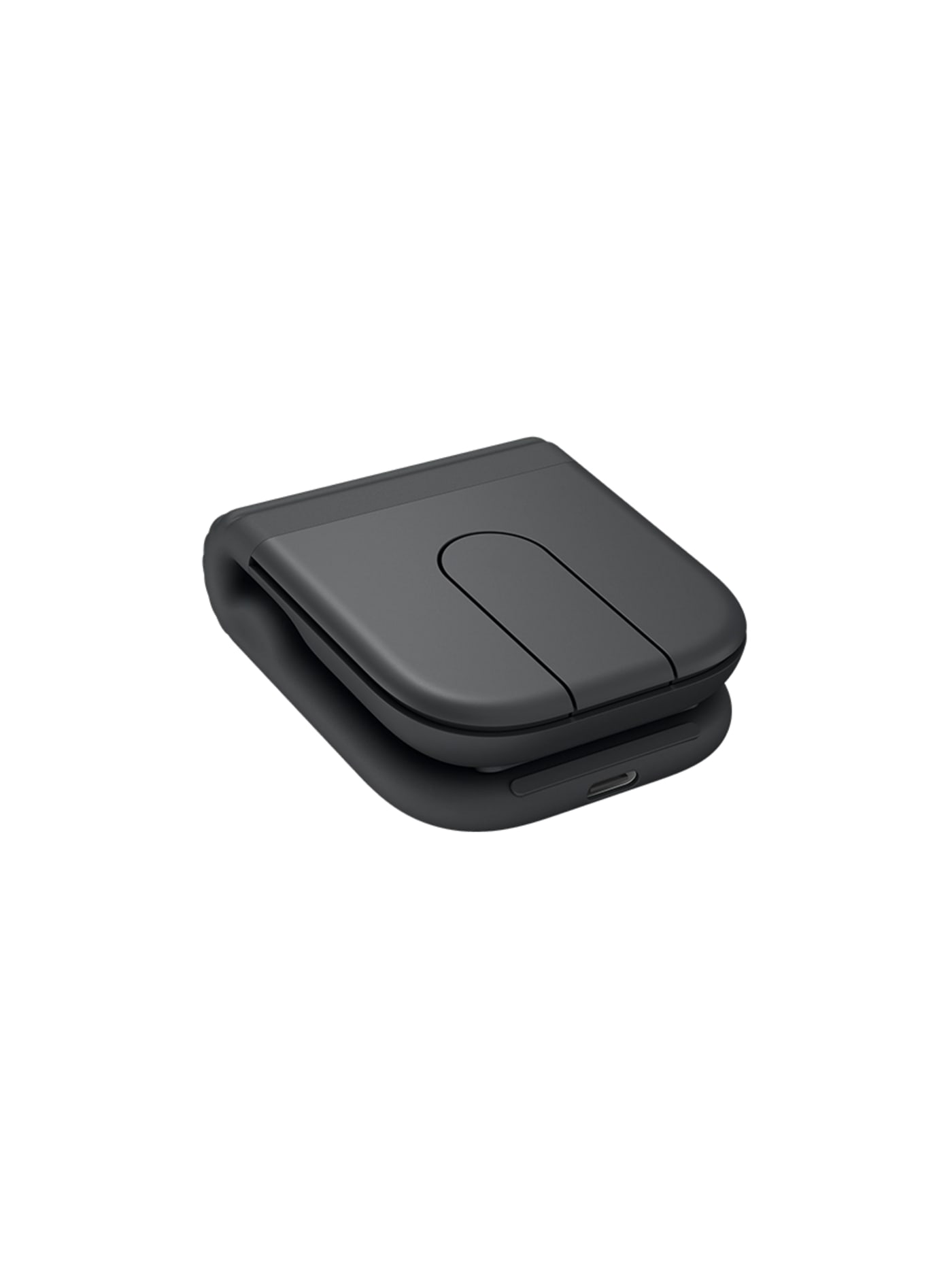
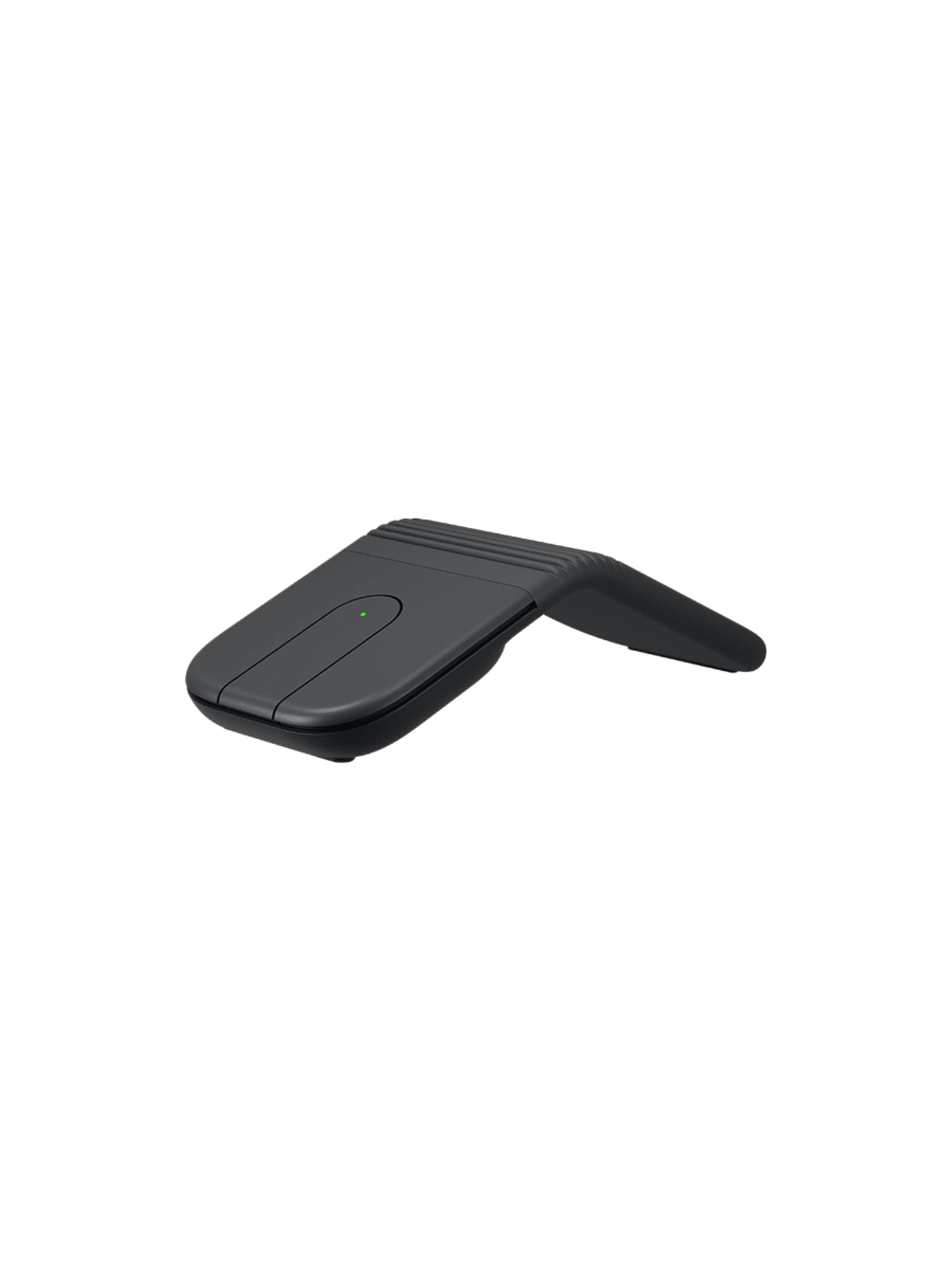


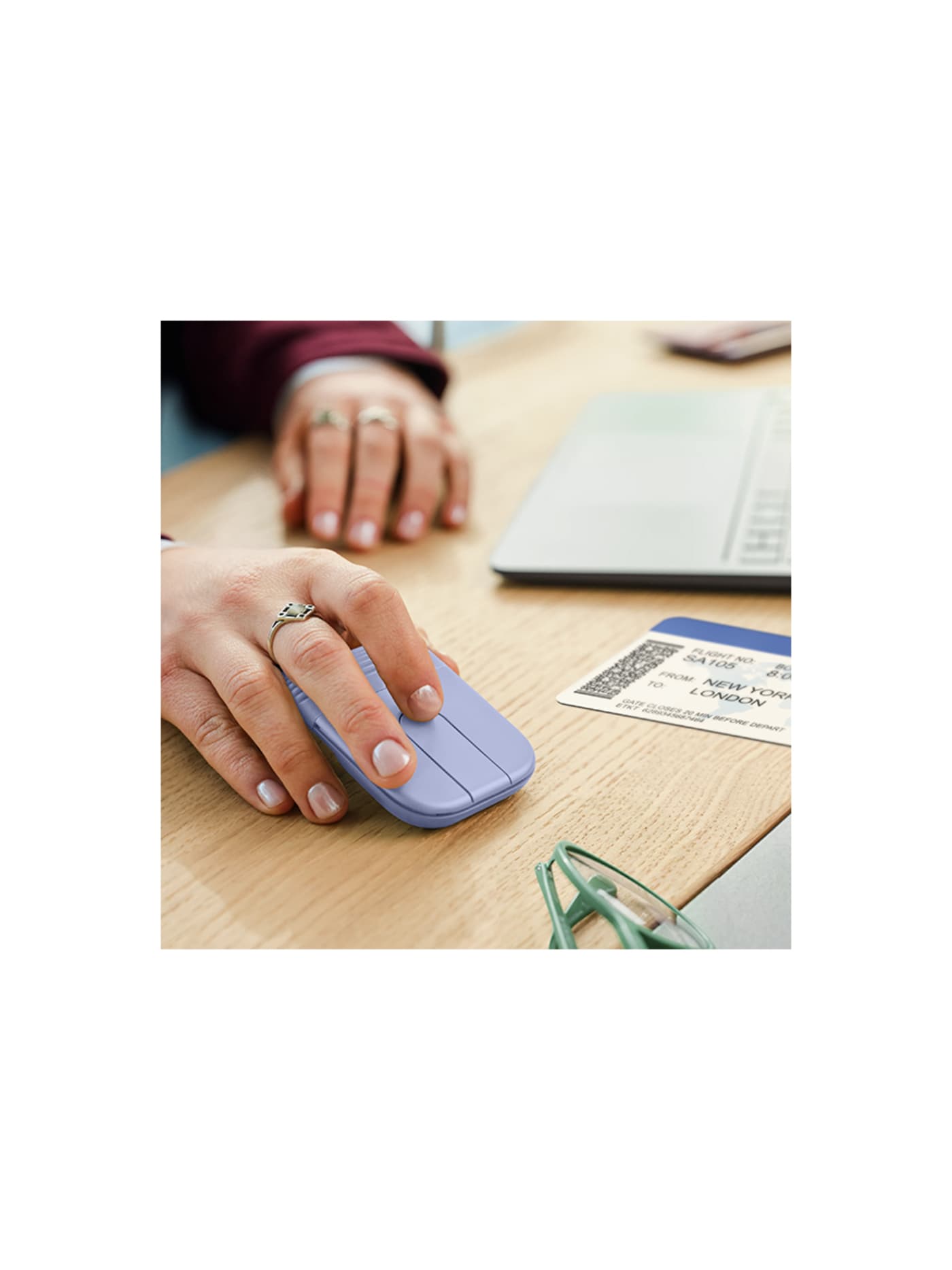
A trackpad is fine for an hour and tiring for a day. The Mobi Fold is the smallest way to fix that: a mouse with a hinge through the middle that folds flat to roughly a credit card, thin enough to live in a jacket pocket rather than take up room in the bag. The hinge does more than save space. Unfolding it switches it on and folding it off, so the battery lasts a month or more and there is no switch to leave on in transit. The clicks are dampened, which is a small courtesy in a shared office or a quiet carriage. A folding mouse is a compromise on ergonomics, and a full-size mouse is more comfortable over a long day. That is the trade you accept for one that vanishes into a pocket.
Design intent
- The folding hinge is the whole proposition: it lets a usable-width mouse collapse to a flat, pocketable rectangle, and doubles as the power switch, so unfolding wakes it and folding sleeps it with no separate control or standby drain.
- A touch-sensitive scroll strip replaces the mechanical wheel, removing the tallest moving part to keep the folded profile thin, while adapting between precise and fast scrolling depending on how the surface is swiped.
Trade-offs
- Folding flat means the body cannot rise into the palm like a contoured mouse; it sits low and even, so extended desk sessions are less comfortable than a full-size shape designed purely for the hand.
- The standard model connects only over Bluetooth, since the Logi Bolt USB-C receiver is reserved for the separate Business version, so anyone needing a dongle in a congested wireless setting has to step up to that model.
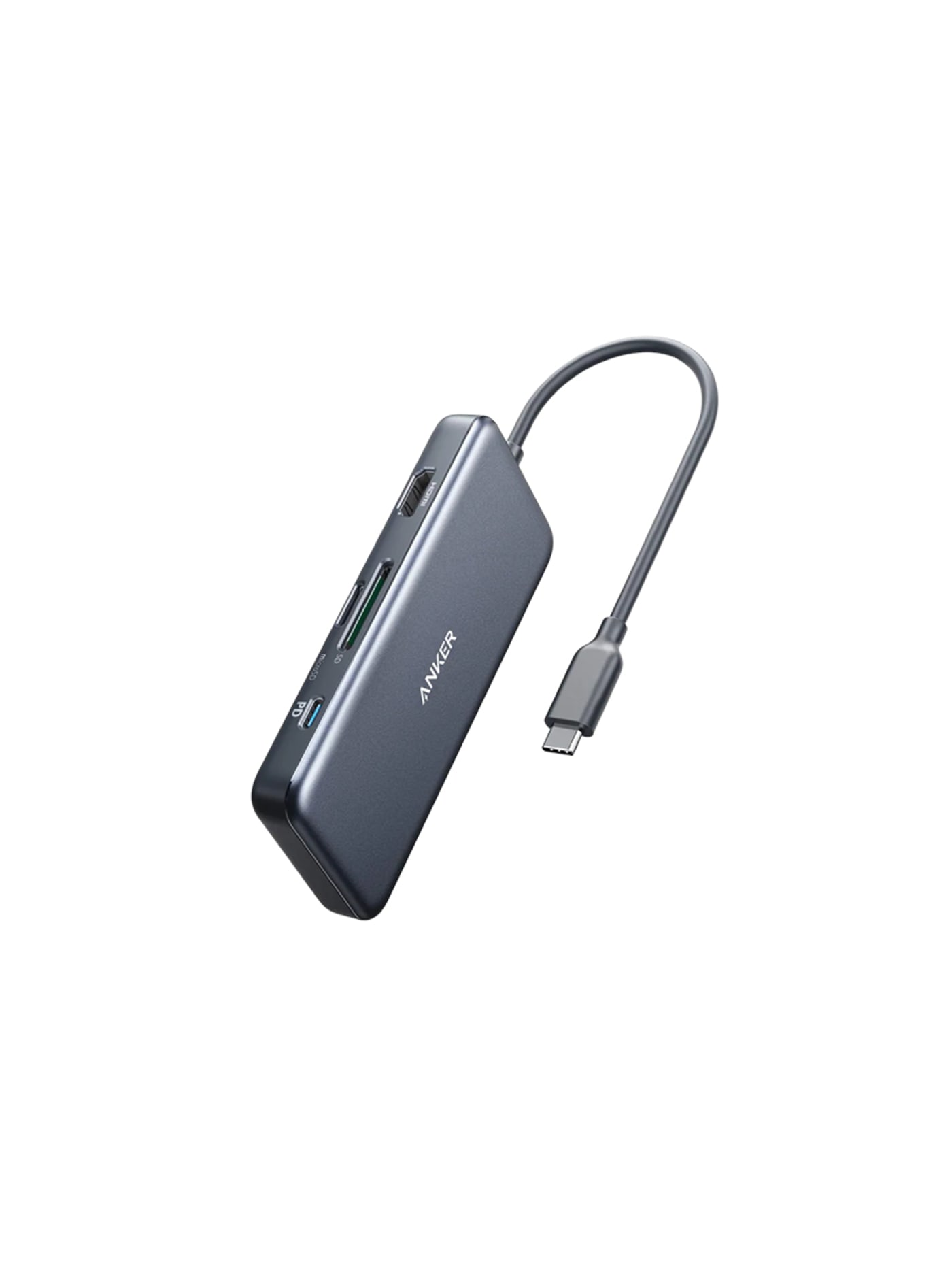
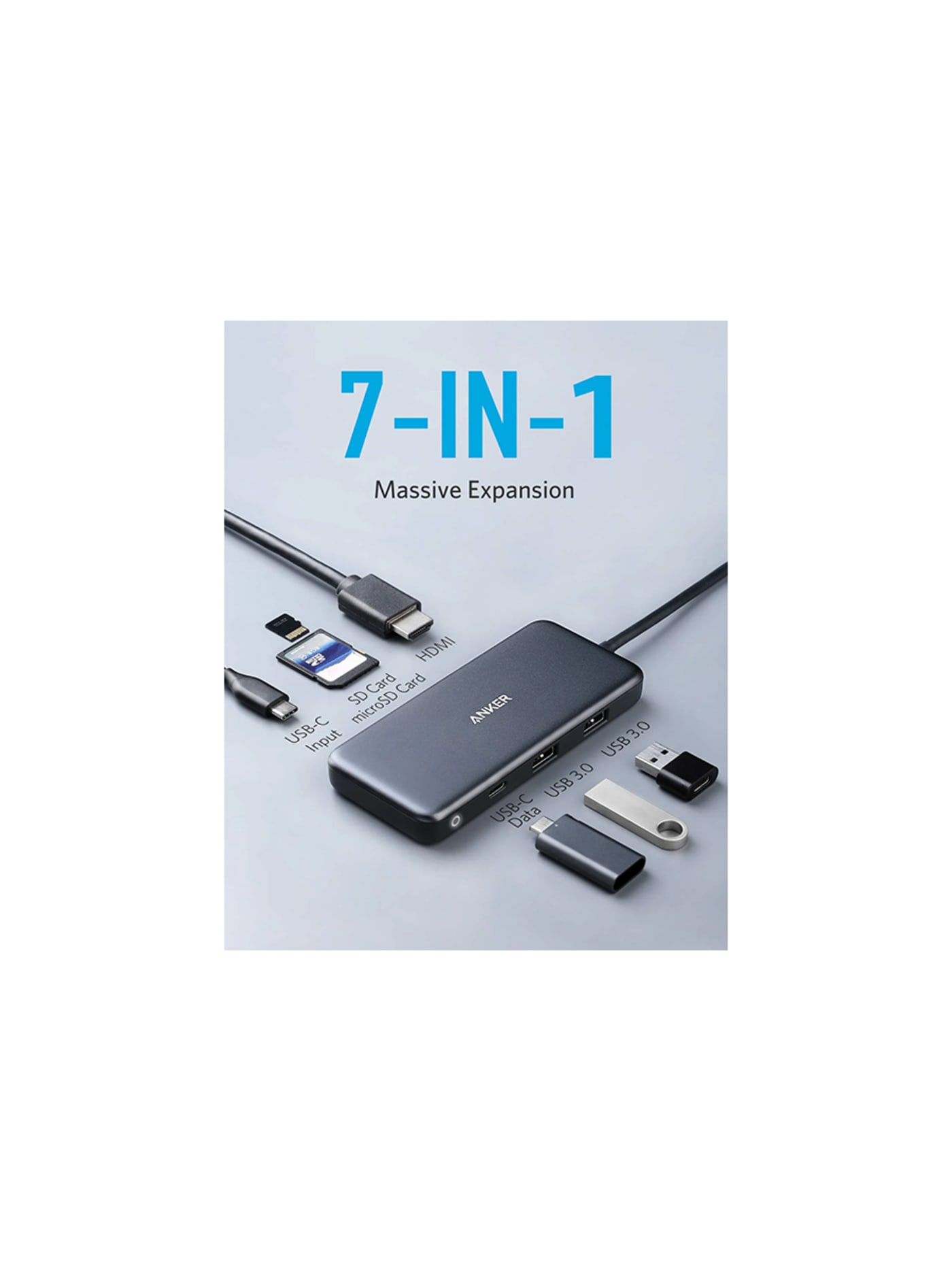
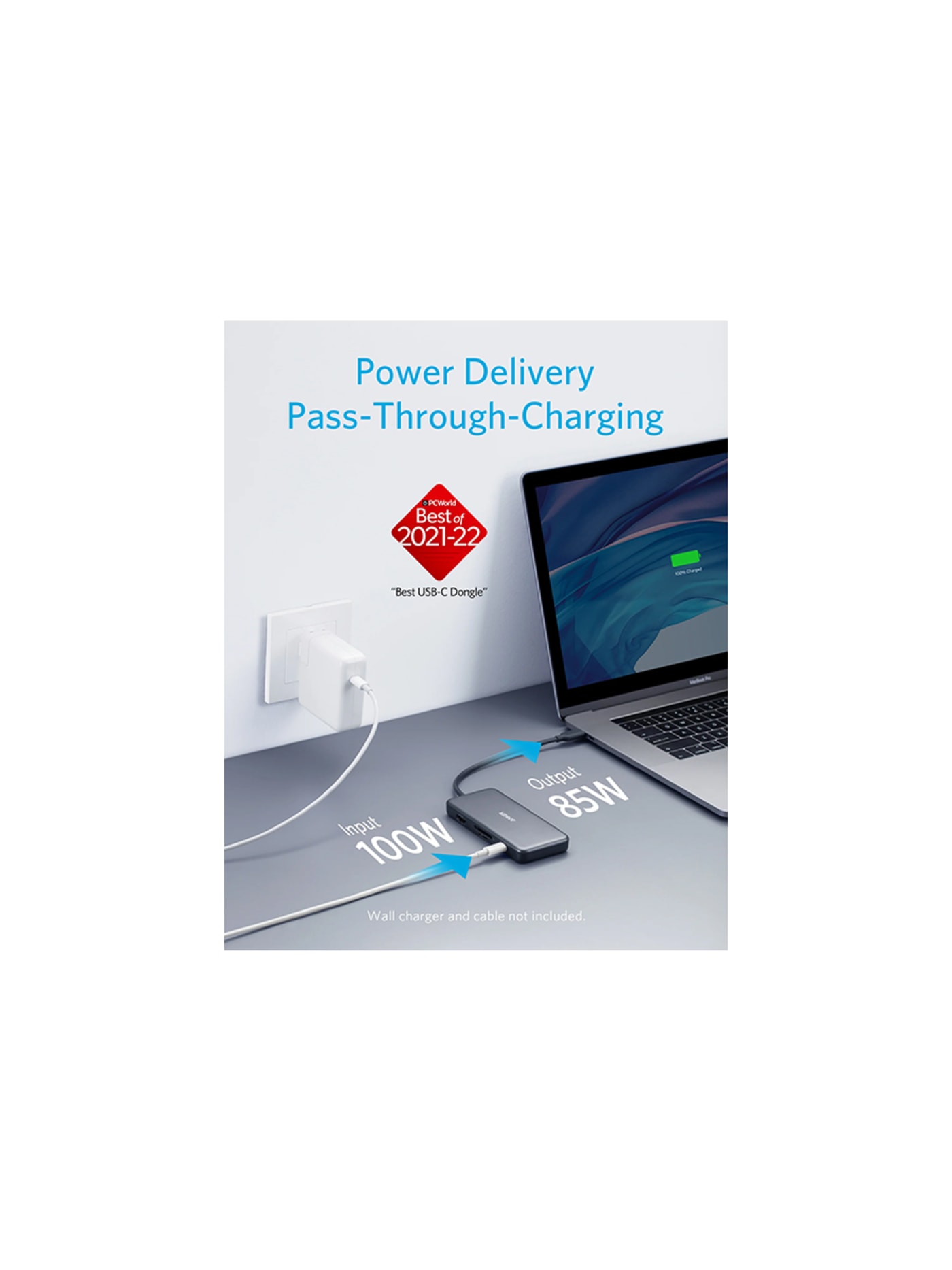
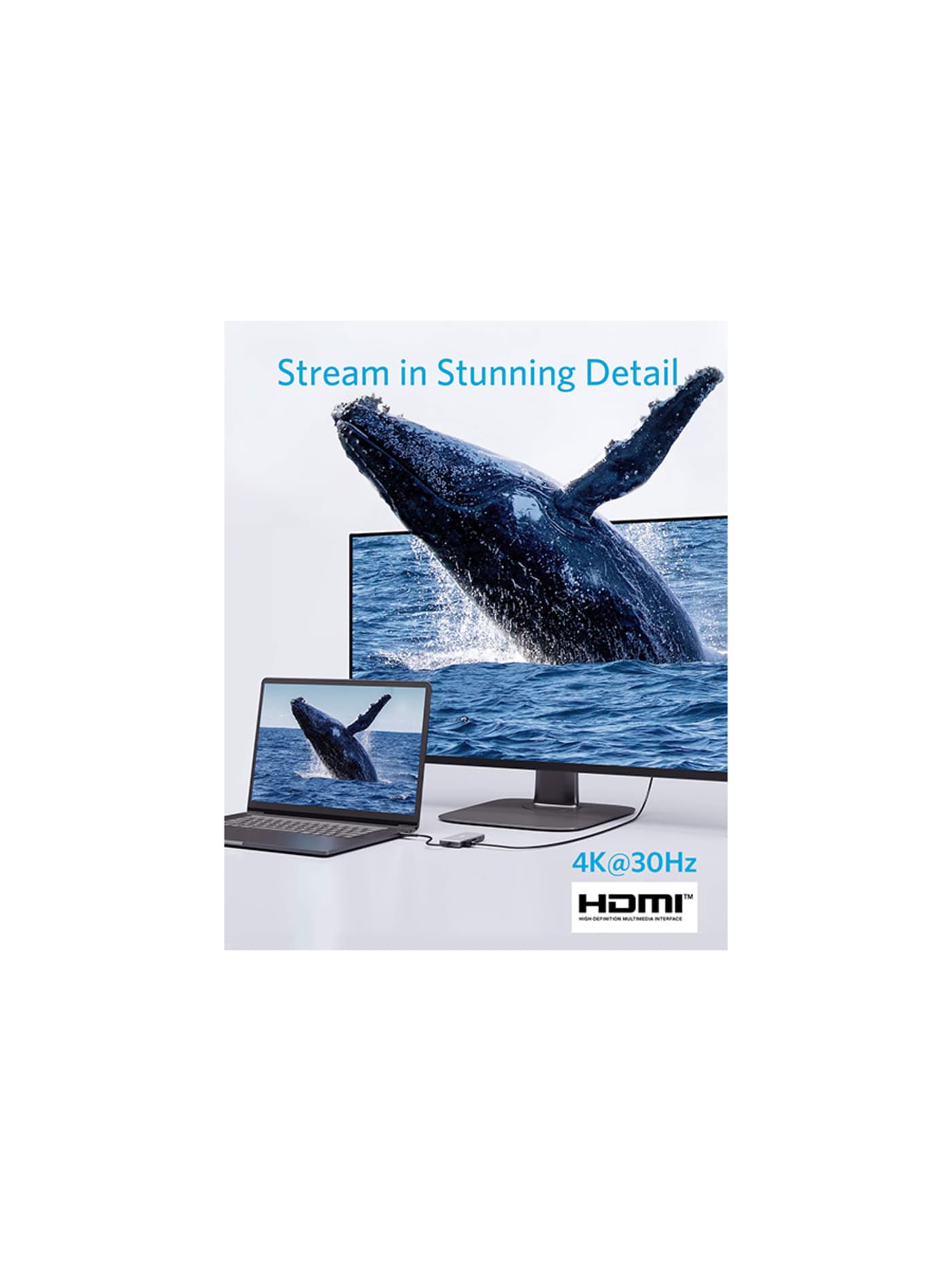
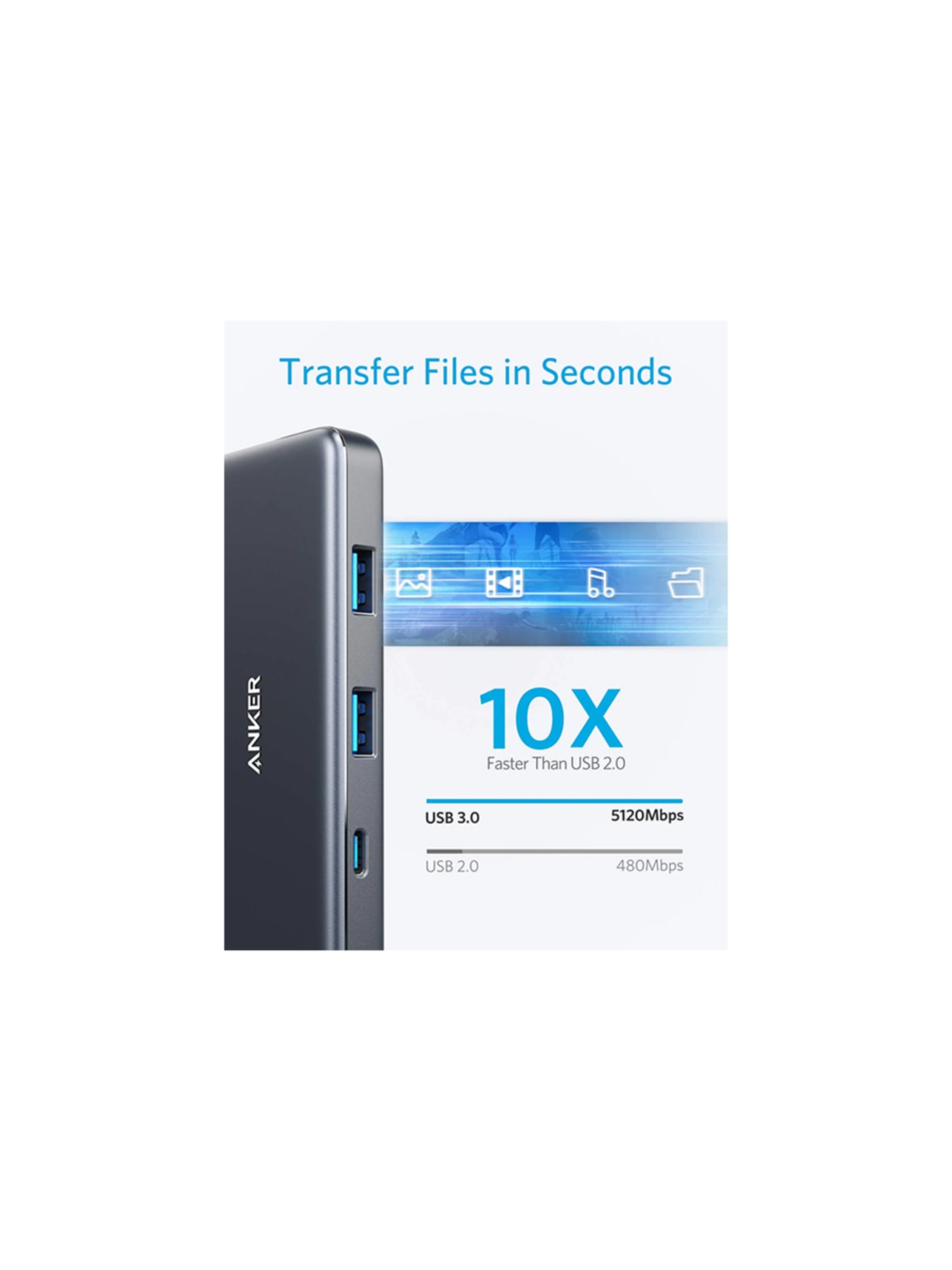
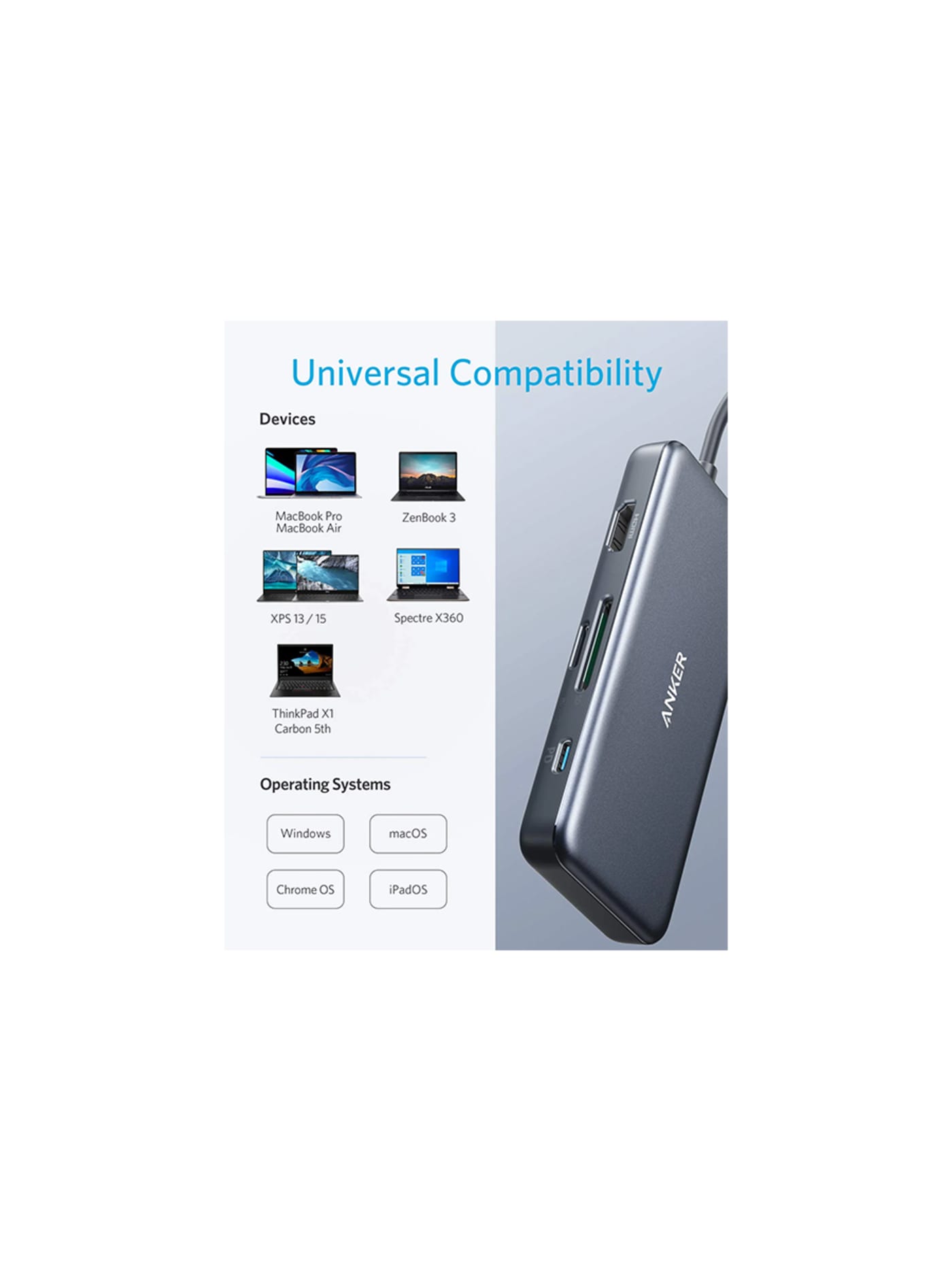
Modern laptops have deleted their ports, and business travel is where you notice. The meeting room screen is HDMI. The client hands you a memory stick. Nothing fits. This palm-sized block hands seven ports back through a single connection: HDMI for the screen, USB-A for the stick, card slots if you shoot anything, and power passing through so the port it uses is not a port it costs you. It is the least interesting object on this list and one of the most useful. The moment it earns its place is the one where a presentation would otherwise not go up on a screen. Its limits are worth knowing before you rely on it. The HDMI runs at 4K but only 30Hz, which is fine for slides and documents and visibly less smooth for video, and video runs through HDMI alone. For a working trip, that is the right corner to have cut.
Design intent
- Power pass-through is the decision that makes the object coherent: by accepting a charger and feeding the laptop while occupying its only USB-C port, the hub gives back seven connections without taking away the one it needs, which is what separates a usable hub from a compromise.
- The port selection is chosen rather than maximised: full-size SD alongside microSD, HDMI and both USB standards cover what people actually plug in, on the reasoning that a hub is judged by whether the port you reach for is there, not by the count on the box.
Trade-offs
- The hub consumes 15 watts of the 100 it accepts, so a 100W charger delivers 85W to the laptop, and the HDMI output is limited to 4K at 30Hz, which is fine for productivity but visibly less smooth than 60Hz for video or motion.
- Video is available only through HDMI, not through the USB-C ports, so a USB-C monitor cable will not drive a display, and the compact aluminium body runs noticeably warm under sustained charging and data transfer.


A working traveller carries more cables than anyone else, and they end up loose in the bag, then loose on the hotel desk. The Desk Caddy solves both ends of that. It contains everything in transit, then drops its front panel and stands upright beside the laptop, tiering its contents so the charger, the dongles and a pen are visible and to hand while you work rather than buried in a bag on the floor. That is a small idea with a real effect: it turns a hotel desk, or a hot desk, into a workspace you can set up in ten seconds and clear in ten more. The structure that lets it stand is also its cost. It is bulkier than a flat zip pouch and unpadded, so it holds its shape but protects nothing fragile. Its capacity suits a small, well-chosen kit, which for one-bag travel is the point rather than a limitation.
Design intent
- The defining decision is that it works open, not closed: a drop-front panel and tiered internal layout let the pouch stand upright and present its contents beside your laptop, turning a bag-bound tech pouch into a temporary desk you carry between workspaces.
- The central compartment is deliberately unstructured rather than divided into fitted pockets, so it accepts a large laptop charger or whatever you actually carry, on the reasoning that a hot-desk kit changes and rigid organisation would date quickly.
Trade-offs
- The structure that lets it stand and display its contents adds bulk over a flat zip pouch, and it is unpadded, so it holds shape but offers little protection to anything fragile inside.
- Its capacity is modest and the layout suits a small, well-chosen kit: rolled cables can work their way out of the larger elastic loops, and tall items block the view of the loops behind them, so it rewards packing light rather than packing everything.


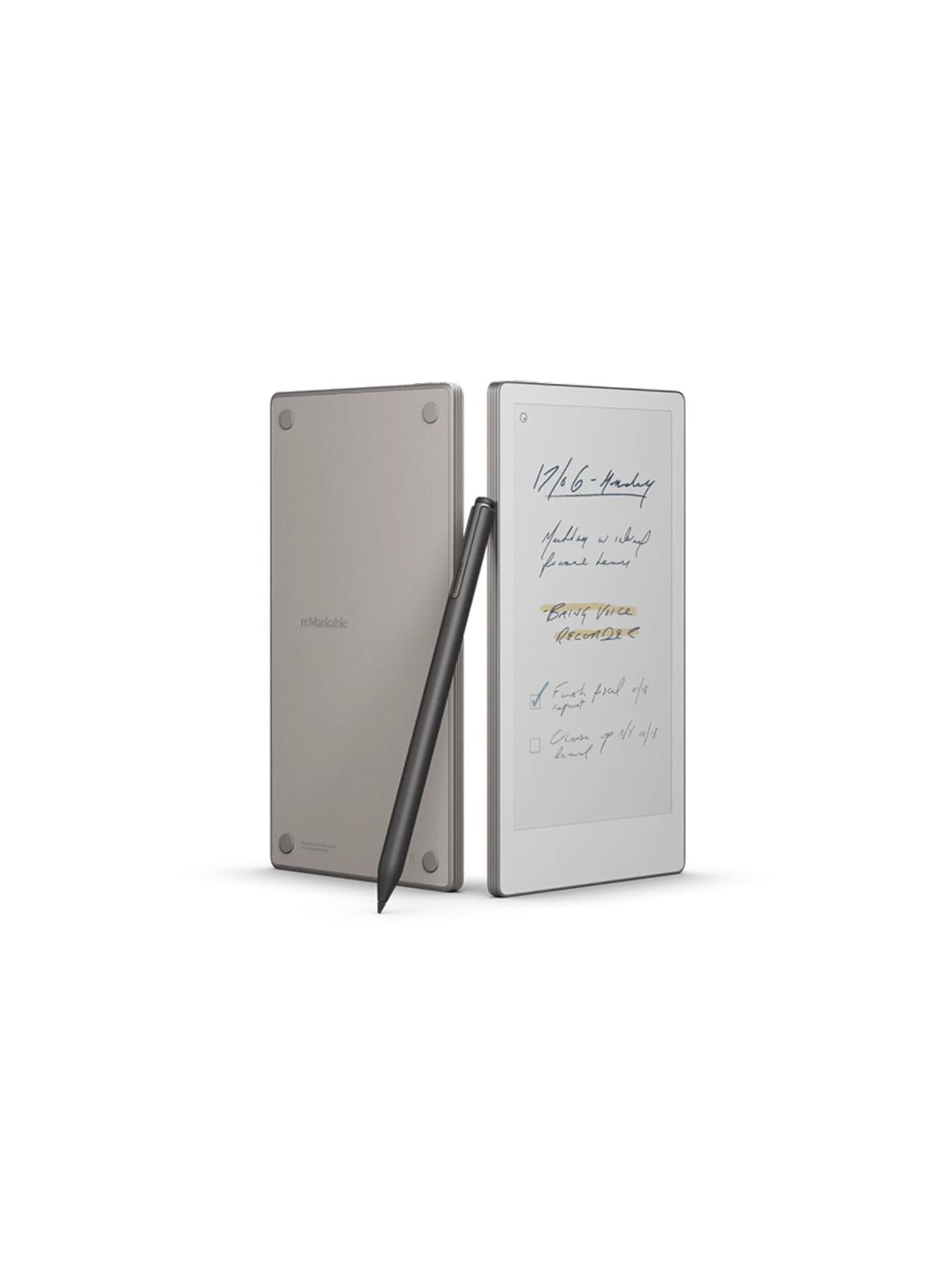


Taking notes on the laptop in a meeting means sitting behind a screen with your email in it. The Paper Pro Move is the deliberate alternative: a pocket-sized writing tablet with a textured e-ink surface, no browser, no inbox and no notifications, that syncs what you write and lets you mark up a document on the plane. Battery in weeks, not hours. The honest case against it is straightforward, and worth saying plainly: a notebook and a pen do most of this for a few pounds, and they never need charging. What you are paying for is the syncing, the mark-up and the searchability, not the writing. If those things matter to how you work, it earns the space. If they do not, carry the notebook and spend the money on the laptop stand.
Design intent
- The whole device is built to feel like paper rather than a screen: a textured display surface, sub-millimetre pen-to-ink distance and the deliberate absence of apps keep the experience close to a notebook, which is what justifies it over a cheaper general tablet.
- Shrinking the Paper Pro to a 7.3-inch, pocketable aluminium body is the central move of this model, trading screen area for genuine portability so handwritten notes travel the way a small notebook does.
Trade-offs
- The compact size that makes it portable also cramps use: there is little room to rest a palm, so long writing sessions become uncomfortable in a way the larger models avoid.
- Colour e-ink still lags the pen on coloured strokes and the screen is dimmer than an LCD, and the most useful syncing and conversion features sit behind a paid subscription rather than the hardware alone.
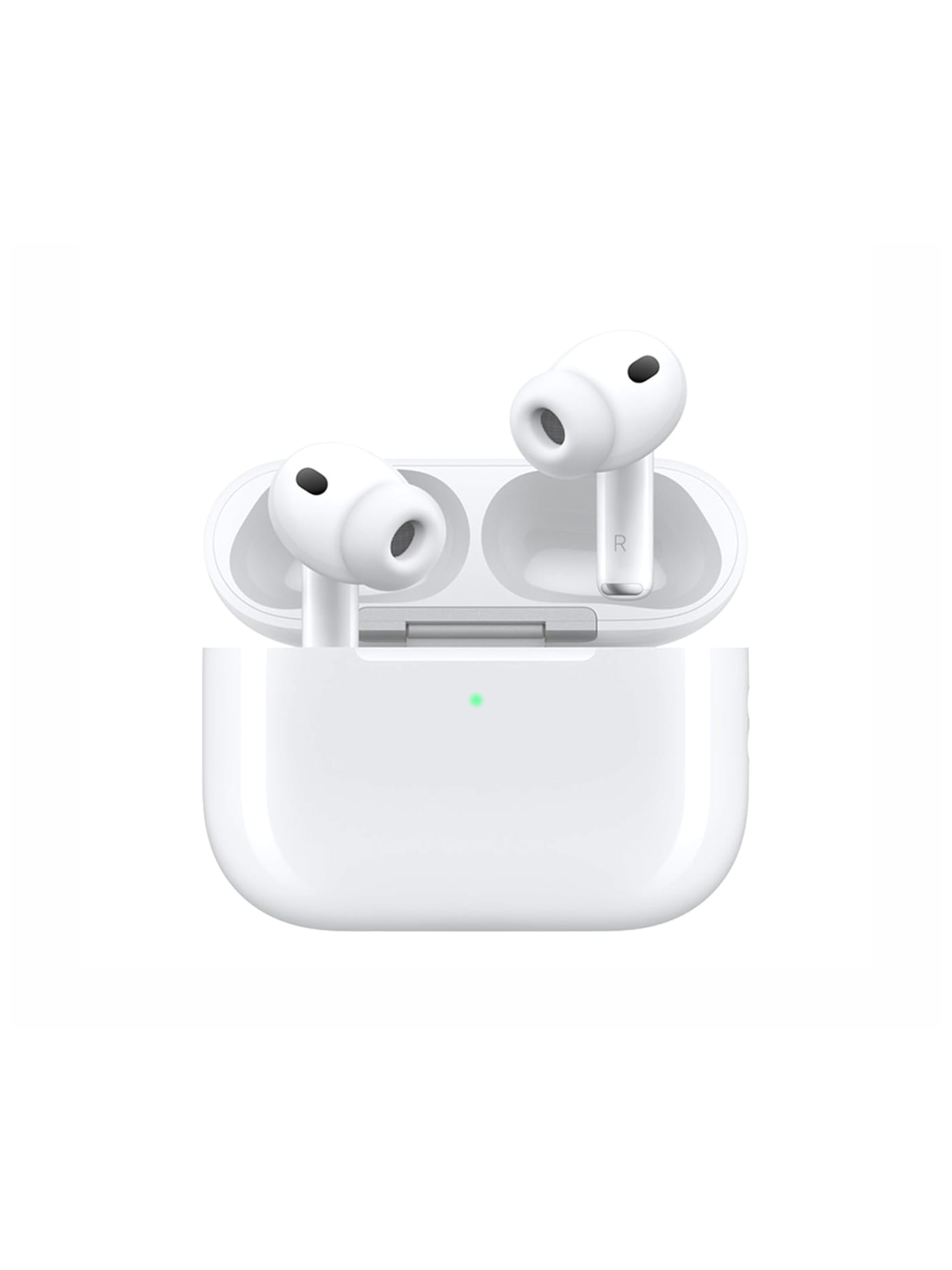
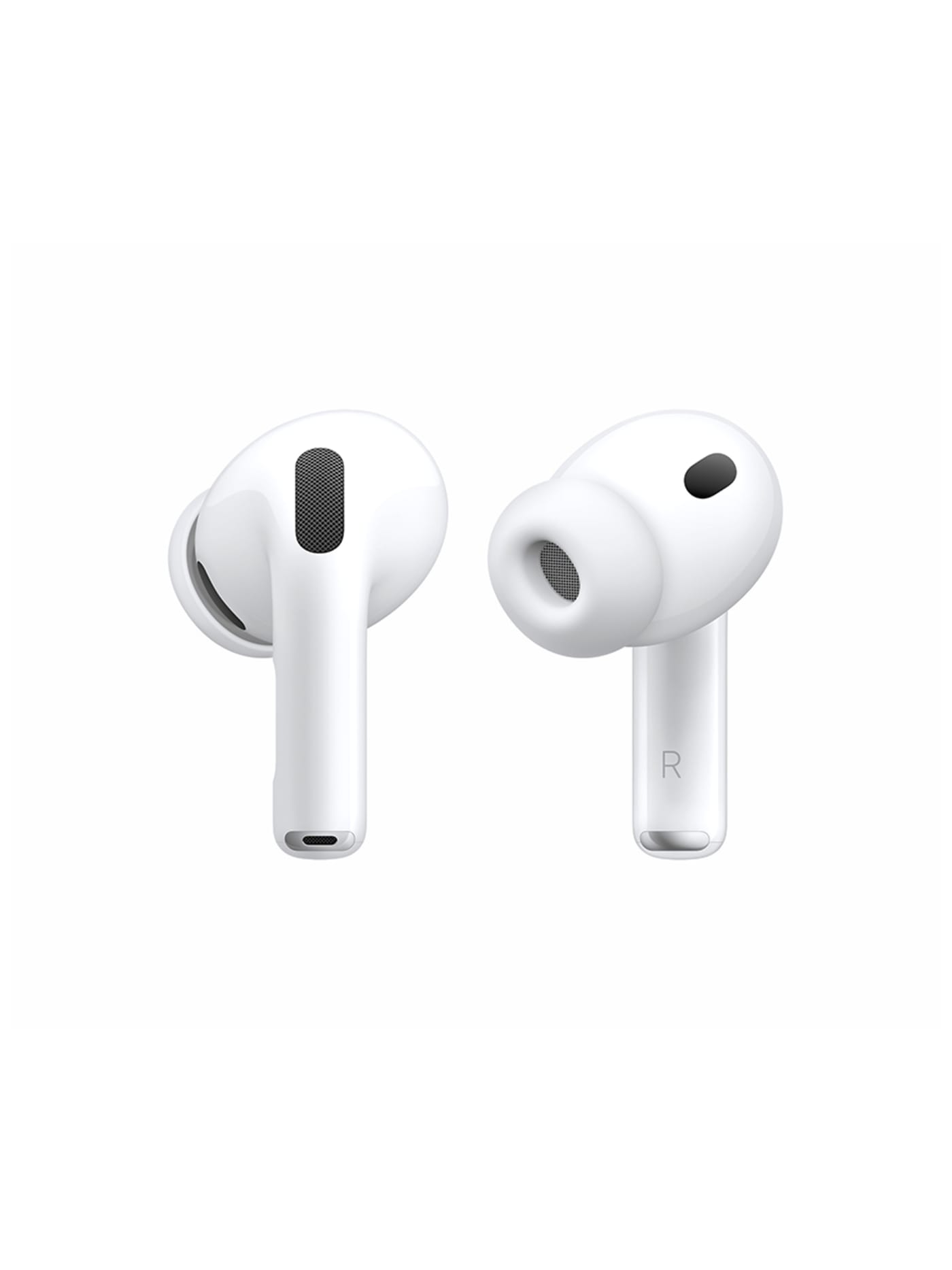
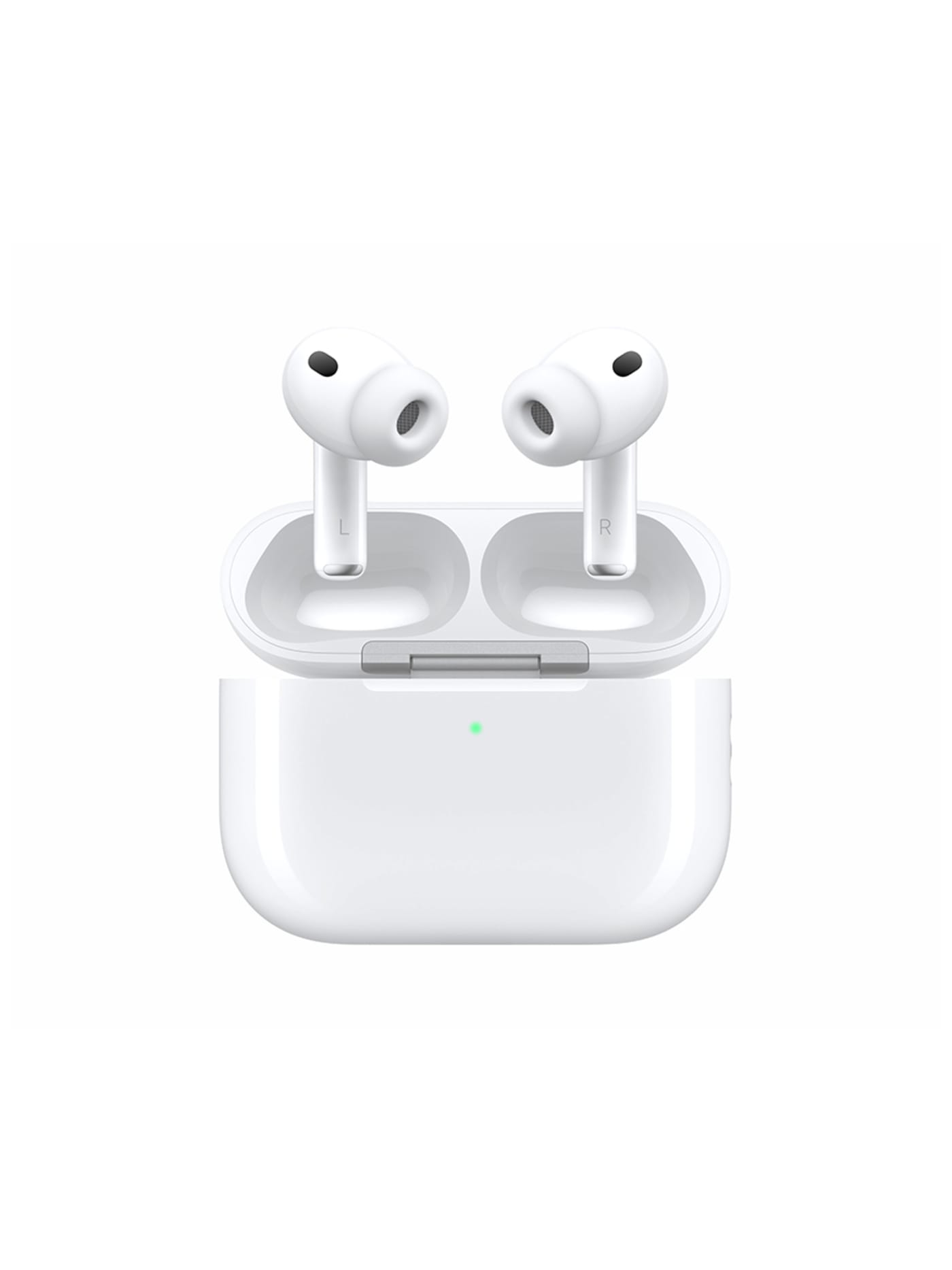
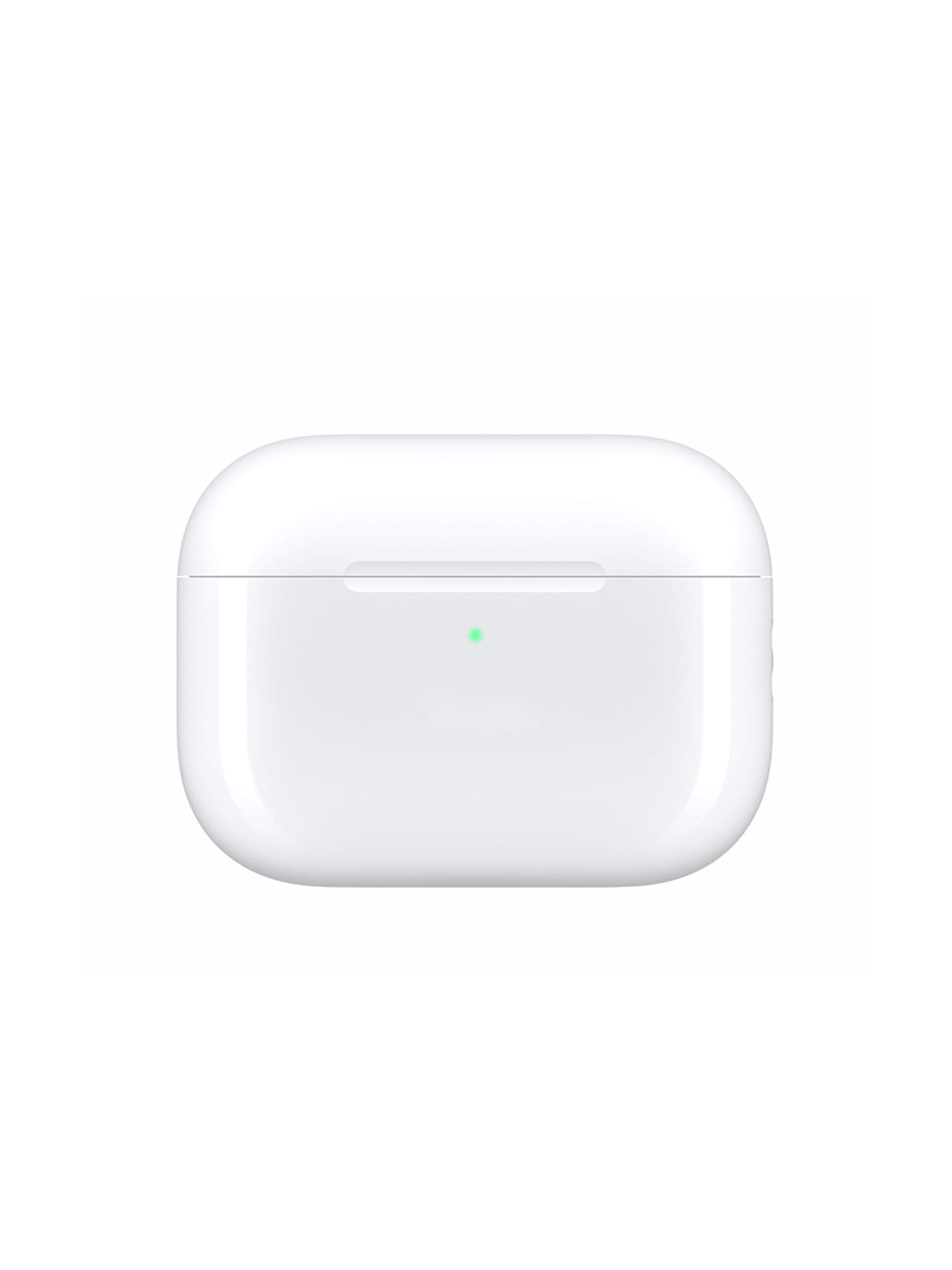
On a working trip, noise cancellation is not a luxury, it is how you get anything done. A flight becomes somewhere you can read a brief. A hotel lobby becomes somewhere you can take a call. The AirPods Pro 3 do that in a case small enough to forget you packed it, which is why they beat over-ear headphones for one-bag travel despite giving up some comfort on a long-haul. The seal and the processing are the whole product. They handle a call in a noisy street better than the specification suggests, which is the situation you are actually in. The trade is the ecosystem. Inside Apple's set they are close to seamless; outside it they are ordinary earbuds. And a case that small is a case that is easy to leave in a seat pocket.
Design intent
- Transparency mode is tuned to pass outside sound through with enough fidelity to leave the earbuds in during a conversation, not as a token alternative to noise cancellation.
- The redesigned acoustic seal and five tip sizes exist to fix the one thing that undermines in-ear performance, a poor seal; fit is treated as an engineering problem, not a user error.
Trade-offs
- The earbuds are small and easily lost. Find My helps locate a dropped one, but smallness is intrinsic to the format and cannot be designed out.
- Noise cancellation, spatial audio and the health features are tuned for Apple devices; on Android the feature set shrinks, which makes the price harder to justify outside the ecosystem.
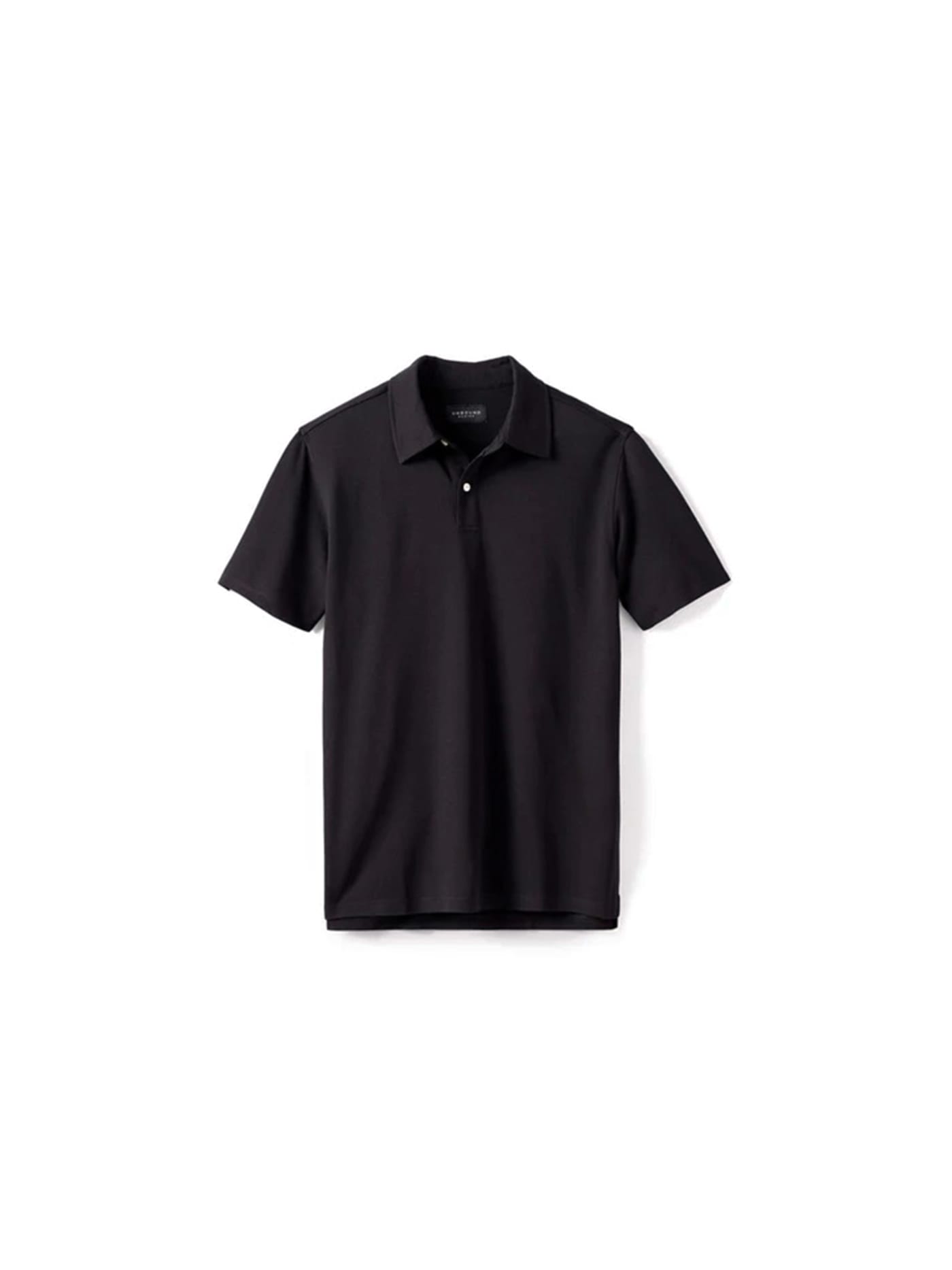
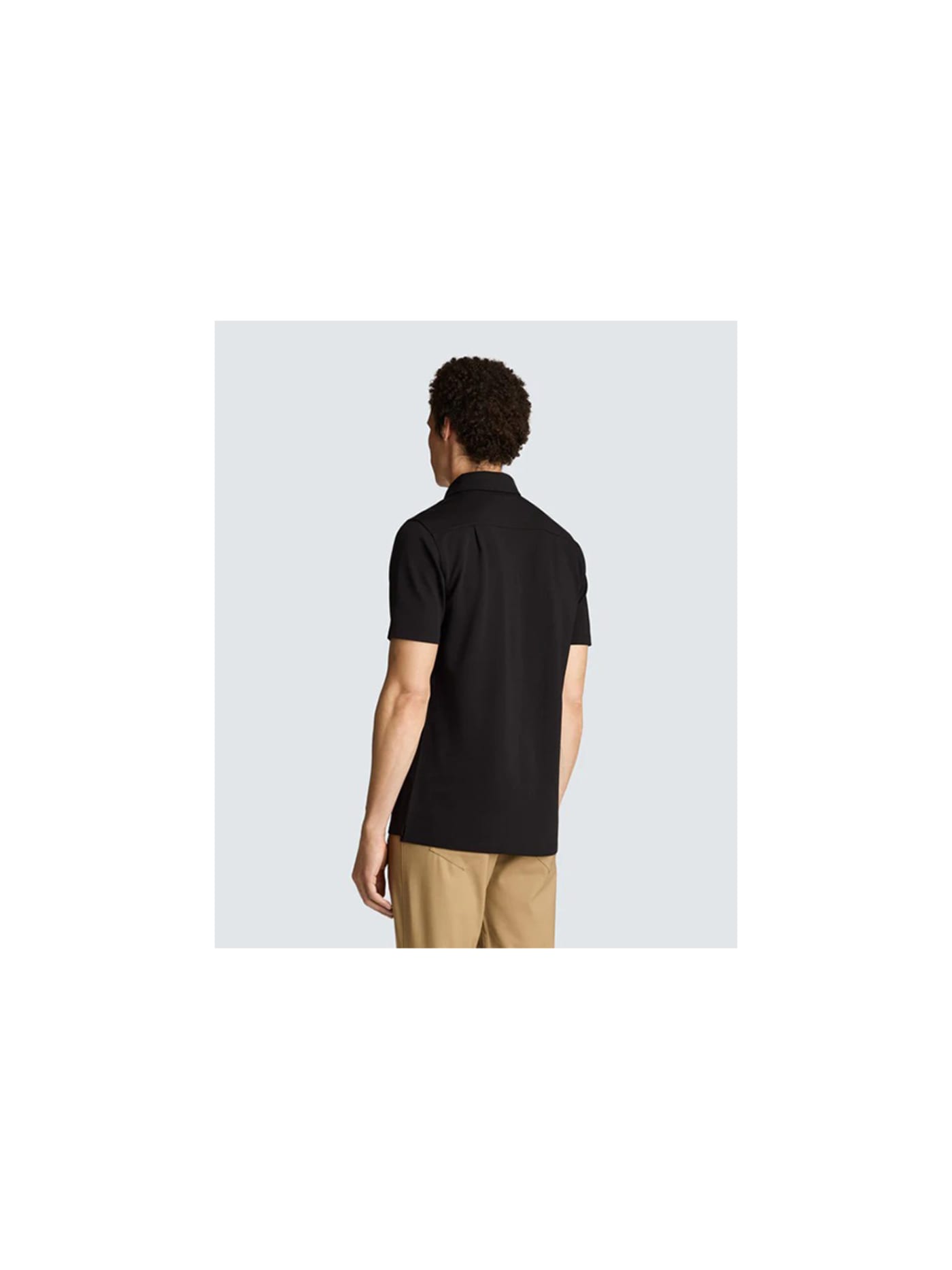
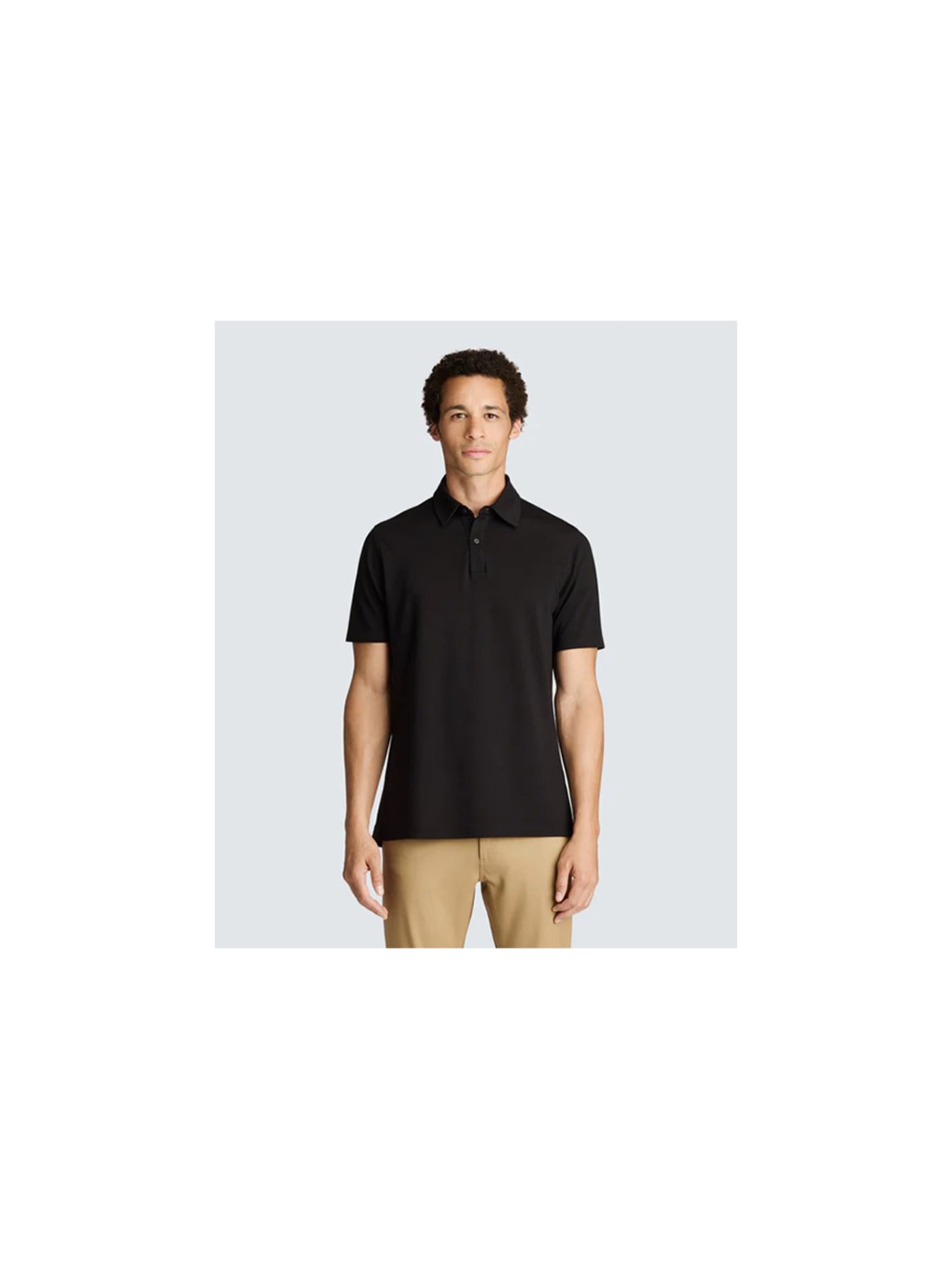

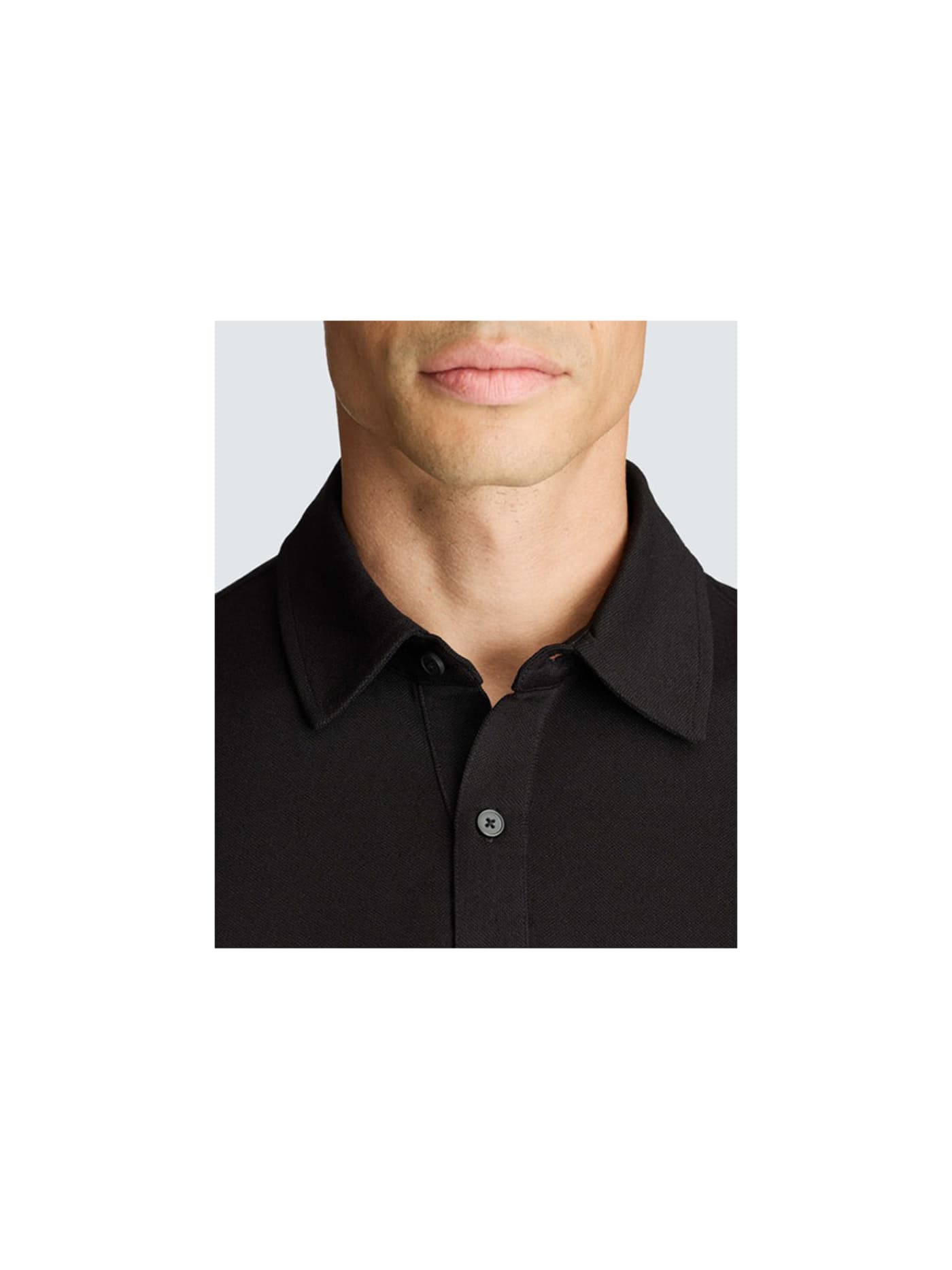
This is the object that decides how big your bag needs to be. Merino traps odour until it is washed, so this polo can be worn several days between launders, and its structure resists wrinkles well enough that it comes out of a packed bag ready to wear. Two or three of these replace a week of shirts, and the bag shrinks accordingly. It is also cut to sit either side of the line most business trips straddle: smart enough with a jacket, unremarkable with jeans on the evening you are not working. Merino is a more delicate fibre than cotton. It wants a cold wash and a flat dry, it snags more easily, and it costs several times what a cotton polo does. The blend of recycled polyester that keeps its shape and speeds its drying dilutes the natural fibre a little, which purists will note. For a traveller packing fewer clothes and washing them in a sink, none of that outweighs wearing one shirt for three days without anyone knowing.
Design intent
- The garment is designed around wearing it repeatedly rather than washing it repeatedly: merino's odour resistance, wrinkle recovery and thermoregulation mean one shirt covers days of a trip, which is the real mechanism behind packing light.
- Blending superfine merino with recycled polyester is a deliberate compromise for the use case: pure wool would be softer, but the synthetic adds shape retention and quicker drying, which matters more in a shirt washed in a hotel sink and worn again.
Trade-offs
- It costs several times a cotton polo, and merino is a more delicate fibre: it wants a cold, gentle wash and flat drying, and it is more vulnerable to snagging and moth damage than cotton over the long term.
- The 40% polyester that adds durability and drying speed dilutes the natural fibre content, so it is less breathable and less premium-feeling than the pure merino knits in the same range, which are priced higher again.

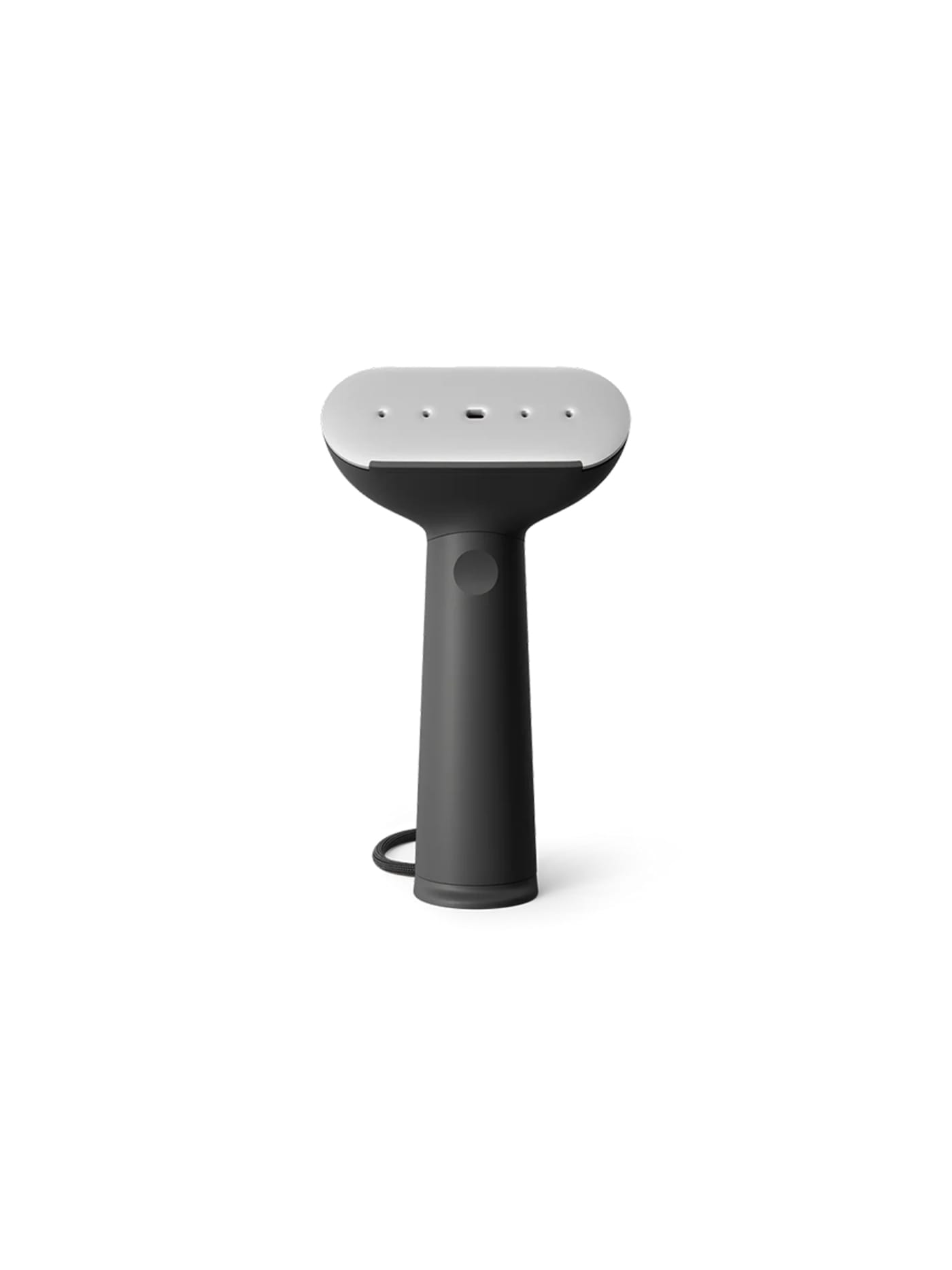


Everything you own has spent the night compressed in a carry-on, and a creased shirt undoes an otherwise well-packed trip. A handheld steamer is the answer, and this is the one that suits the brief. The heated front plate means it both steams and lightly presses, so collars and cuffs come out sharp rather than merely relaxed, which is precisely what shows in a meeting. Its dry steam is the part that matters for packing light: hotter, less visible vapour that relaxes fibres without leaving the shirt damp, so a garment can be refreshed and worn again rather than replaced with a spare from the bag. One shirt fewer to carry. It is not cheap, and it should be said that independent testing finds cheaper handhelds remove creases about as well. The Tefal Pure Pop does exactly that at a fraction of the price, and if creases are all you need, it is the sensible buy. What it cannot do is press a collar. Steamers are also mains appliances, so check the voltage of where you are going: this is one of the few things in the bag a travel adapter alone will not solve.
Design intent
- Adding a heated front plate to a handheld steamer is the defining decision: it merges two appliances, letting the tool press collars and cuffs as well as relax creases, so one object replaces the iron and board for most everyday garment care.
- The dry-steam system is engineered around the real failure of steaming, leaving clothes damp: hotter, drier vapour combined with the heated plate refreshes and de-creases fabric without water marks, and kills bacteria, so garments are worn again rather than washed.
Trade-offs
- It costs several times what an effective budget steamer does, and independent testing finds cheaper handhelds deliver near-identical crease removal, so the premium buys the heated plate, the materials and the form rather than a step-change in results.
- The 90ml tank is small enough to need refilling within an outfit or two, and the unit is built for a single regional voltage, so it cannot simply be carried between continents.


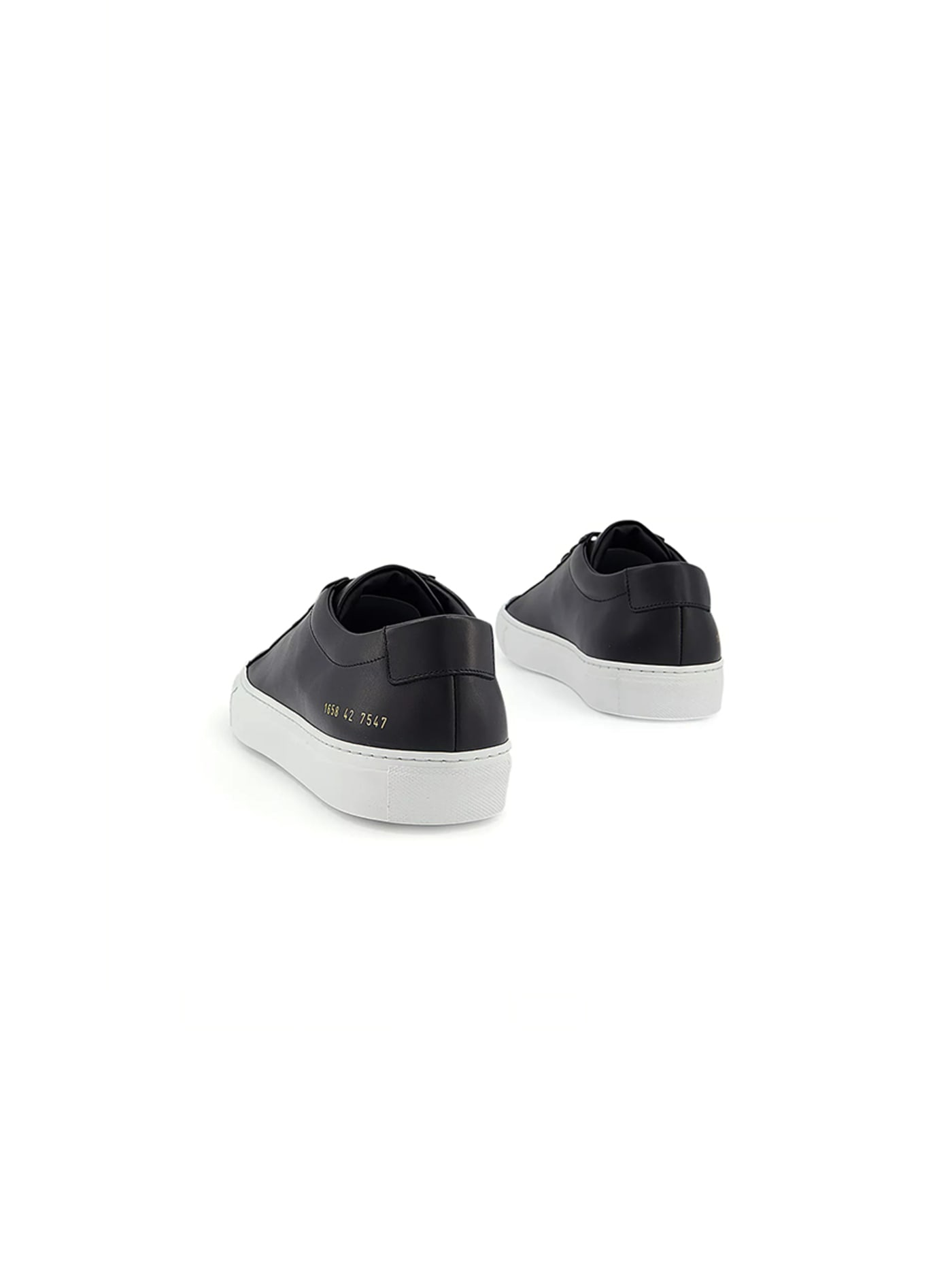


Shoes are the heaviest, bulkiest thing you pack, so a business trip lives or dies on finding one pair that covers all of it: walking a city, standing through a day, and sitting in a meeting without looking like you came from the gym. The Achilles is the shoe that invented that category. Full-grain Italian leather, no logo anywhere, a stitched cup sole, built with the methods of a dress shoe in the shape of an athletic one. Quiet enough to read as smart with tailoring, plain enough to wear with jeans. That range is the whole reason it earns the space, because the alternative is packing two pairs. They are expensive, the white leather creases and marks and wants regular cleaning, and the cup sole cannot be resoled the way a welted shoe can, so their life is measured in years rather than decades. As ever with footwear, this is an example of the principle rather than a prescription: find one pair that covers the ground your trip actually involves.
Design intent
- The defining decision was to build a trainer with dress-shoe methods: full-grain Italian leather, a full leather lining and a stitched Margom cup sole rather than glued construction give a sneaker the material honesty and longevity of formal footwear, which is what made the category.
- Removing all branding and replacing it with a gold-foil serial number on the heel is the design's central gesture: the shoe identifies itself through construction and proportion rather than a logo, and the number, encoding style, size and colour, turns a factory marking into the signature.
Trade-offs
- It is expensive, and the cup-sole construction cannot be resoled in the conventional welted sense, so despite the quality of materials its life is measured in years of wear rather than decades of repair.
- Full-grain white leather with minimal treatment marks and creases readily and demands regular cleaning, and the sneaker offers little cushioning or support: it is built for city pavements and long days on foot, not for athletic use.


The last thing between an early flight and a first meeting. A single stainless blade with one wheel-driven length adjuster handles hair and beard, which means one small object instead of a wash bag full of grooming kit. Its more interesting quality is that it is built to be taken apart: moulded from recycled plastic and assembled with as little adhesive as possible, so it can be repaired rather than replaced. For an object you will own for years and pack for hundreds of trips, that matters more than any feature. One blade means it is a generalist. It will not give the closest possible shave or the most precise line, and it makes no claim to. What it does is get you presentable in a hotel bathroom in five minutes, from a device the size of your palm.
Design intent
- Building the body from recycled plastic and assembling it without adhesive is the defining decision: the trimmer is made to be taken apart, repaired and responsibly disposed of, the opposite of a sealed appliance built to be replaced.
- Collapsing a set of clip-on guards into one wheel-adjustable comb removes the most easily lost part of a trimmer and turns length into a single intuitive action rather than a hunt for the right attachment.
Trade-offs
- Recycled plastic keeps the object light and repairable but does not carry the cool weight or hand-feel of a metal-bodied grooming tool; the appeal is the principle, not the heft.
- A single adjustable comb is simpler than a guard set but gives coarser control than dedicated guards at fixed lengths; precise, repeatable trims are easier with a clip-on system.
Final thoughts
Look at what these objects have in common and a pattern emerges. Almost every one of them exists to remove a specific piece of friction that only shows up on a working trip: the meeting-room screen that will not connect, the shirt that has spent the night compressed in a bag, the neck that aches by Wednesday, the call you have to take in a lobby.
None of them is exciting. That is rather the point. The best business travel kit is the kit you never think about, because everything it was going to interrupt has already been dealt with.
Get that right and the bag stops being a compromise you make to avoid the carousel. It becomes the reason you are still working at four o'clock, in a hotel room, in a foreign city, without anything about it feeling like a fight.